
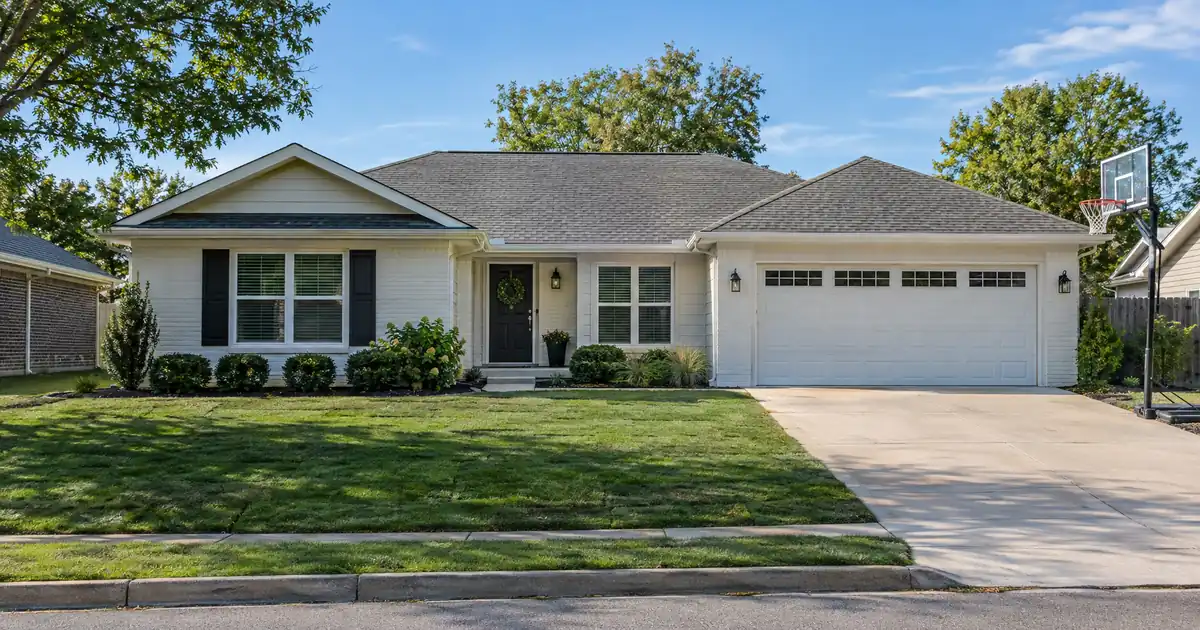
The Quick Read: Proceeds pay out on a clean cash-out refinance in a set order: the old first mortgage, then costs and prepaid items, then whatever is left goes to you. On a conventional loan for a one-unit primary home, the ceiling is 80% of the appraised value. On a truly clean home with no lien, the payoff line is zero, so more of the new loan can reach you. How much to pull is a separate choice from how much you can pull.
Key Takeaways
- The maximum loan is the appraised value times the program’s leverage cap. Your cash is that loan minus everything it has to pay first.
- A conventional cash-out on a one-unit primary residence tops out at 80% LTV. Two- to four-unit homes, second homes and investment property top out at 75%.
- Financed costs raise the loan size and shrink the check. Costs paid at the table do the opposite.
- A lower appraisal cuts the cash directly, because the cap applies to the value the appraiser reports.
- Pulling the most you can is rarely the same as pulling the right amount. Final terms depend on lender guidelines, property type, leverage, and the borrower’s complete credit picture.
What Does “Clean” Cash-Out Actually Mean?
A clean cash-out is a straightforward refinance with few moving parts. The title is clear, there are no surprise liens, the borrower meets the seasoning rules, and the cash goes to the borrower rather than to a long list of creditors. Most files with a single first mortgage and no second lien fit this description.
The word “clean” also covers a home owned free and clear. That surprises people. Fannie Mae’s Selling Guide defines a cash-out refinance as a new first mortgage that pays off existing mortgage loans on the same property, or a new mortgage on a property that has no lien. So a paid-off home still counts as cash-out. It is priced as cash-out too. A loan-level price adjustment applies to certain cash-out transactions, and it depends on the loan-to-value ratio and the credit score.
Cost, in other words, is not a flat fee. It moves with how much of the home’s value you borrow against and how strong your credit is. Lendmire’s cash-out refinance programs lay out the options a broker can place for a primary home.
Key Terms Defined
Gross loan amount: The full size of the new mortgage, before anything is paid out of it.
Net proceeds: The cash that actually reaches you after the payoff, costs and prepaids come out.
LTV (loan-to-value): The new loan divided by the appraised value of the home.
Prepaids: Items collected at closing in advance, such as the first deposits for taxes and homeowners insurance.
Seasoning: The minimum time you have held the home and the minimum age of the loan you are paying off.
Financed costs: Closing costs added to the new loan balance instead of paid in cash.
How Is the Maximum Loan Set?
The maximum loan equals the appraised value times the program’s LTV cap. Nothing else sets the top end, though other factors can pull you below it.
Across the wholesale programs Lendmire places files with, a conventional cash-out refinance on a one-unit principal residence runs to 80% LTV. Two- to four-unit principal residences, second homes and investment property run to 75%. These caps are subject to lender guidelines and full file review.
Say your home appraises at a round number and you want to know the ceiling. Multiply it by 0.80. That product is the largest new loan the program allows. Your credit, income and debts are then tested separately.
Here is the catch. Hitting the cap on paper does not mean you are approved for that amount. The decision score, the ratio of total monthly debts to income, the appraisal and the seasoning tests all apply on their own terms. In practice, the equity cap is only one gate. A tight debt ratio can stop a file well short of it.
Seasoning Comes First
Before any math, two clocks have to run. On the conventional cash-out lane, the first mortgage being paid off must be at least 12 months old, measured note date to note date. The borrower must also have been on title for 6 months. Exceptions exist for delayed financing, inheritance and legal awards.
Delayed financing is the one cash buyers care about. Fannie Mae’s guide lists it as a named exception that requires an arm’s-length original purchase, with the source of funds documented. A recent cash buyer can pull money back out without waiting out the normal title clock.
How Do the Proceeds Pay Out, Step by Step?
The new loan funds, then money flows in a fixed order. The existing first mortgage is paid off. Any other liens being cleared come next. Then closing costs, prepaids and financed fees are covered. If you chose to have specific creditors paid directly, those payoffs go next. Whatever remains is yours.
That waterfall is how the settlement statement reads, and it is the best way to picture the deal.
| Step | Paid to | Effect on your check |
|---|---|---|
| 1. Existing first mortgage | Current servicer | Reduces it |
| 2. Other liens being cleared | Lienholders | Reduces it |
| 3. Closing costs and prepaids | Title, escrow, insurers | Reduces it if financed |
| 4. Direct creditor payoffs | Creditors you pick | Reduces it |
| 5. Remainder | You | This is the check |
On a clean, lien-free home, steps 1 and 2 are zero. Every other line still applies. That is why a paid-off home does not net you the full loan amount. Costs and prepaids still come out first.
Gross Versus Net
Two numbers matter, and they move differently. The gross loan is what you owe. The net proceeds are what you get. The gap between them is the payoff, the costs and the prepaids.
Financed versus paid-in-cash costs show the difference clearly. When costs are rolled into the loan, the loan balance rises and your check shrinks by the same amount. When you pay those costs at the table, the balance stays lower and the check stays larger, though you are out that cash on the day. Neither choice is wrong. The right one depends on whether you would rather carry a bigger balance or write a check.
How Much Should You Actually Pull?
Pull the amount your purpose requires, not the most the cap allows. A larger loan means a larger payment, a longer path to paying the mortgage off, and more of the home’s value tied up as collateral.
The CFPB notes that a cash-out refinance may lengthen the time to pay off the mortgage, and that the payment may rise because the new loan is larger. The new interest rate and other terms change too, since the whole first mortgage is replaced.
A simple decision table helps.
| Purpose | Pull the max? | Why |
|---|---|---|
| Fixed, known expense (a repair, a payoff) | No, size to the need | Extra balance costs you every month |
| Debt consolidation | Only what clears the debt | The new cost must beat the old debt’s cost |
| Building a reserve | Rarely | You pay interest on cash you are not using |
| Uncertain future need | Usually no | A line of credit may fit better |
On debt payoff, the CFPB’s research says it can make financial sense if the cost of the new cash, meaning interest plus fees, is lower than the cost of the debt it replaces. It also warns that paying non-mortgage debt with mortgage debt turns unsecured debt into debt secured by your home, which can raise foreclosure risk. Its survey-based analysis found paying other bills or debts was the most common use of cash, with home repairs second.
The Case for Pulling Less
Here is the thinking out loud. The max feels like free money until the monthly payment arrives. A borrower who needs a defined amount and pulls well above it pays for the extra every month, for the life of the loan. A smaller pull also leaves a cushion if the appraisal comes in low or home values soften.
The case for pulling more is narrower. It makes sense when you have a clear, near-term use that beats the carrying cost, and when your debt ratio stays comfortable at the larger balance.
Mortgage Insurance and the Cap
On a conventional loan, mortgage insurance is required above 80% LTV. Because the standard cash-out lane stops at 80%, most files here do not carry it. If a borrower is weighing a higher-leverage structure, mortgage insurance enters the picture. It can be cancelled at 80% of the original value on request, and the servicer must end it automatically at 78%.
What Shrinks the Check?
Five things cut your proceeds more than borrowers expect.
1. Closing costs that are financed. They raise the balance and lower the cash.
2. Prepaids and escrow deposits. Tax and insurance deposits come out of proceeds.
3. A low appraisal. The cap applies to the reported value, so a lower value shrinks both the maximum loan and your cash. Lendmire’s piece How Much a Low Appraisal Cuts Your Cash-Out Refinance Proceeds walks through the effect in detail.
4. Title surprises. A lien nobody knew about gets paid ahead of you.
5. Debts you elect to pay directly. Each one comes off the top of what you would have received.
A borrower who skips the cost lines in the planning stage often lands with a check well below the number in their head.
When Does the Money Arrive?
On a refinance of your principal home, you get a cancellation window first, then the funds. Under federal rescission rules, you may cancel until midnight of the third business day. The clock runs from the last of three events: signing, delivery of the notice, or delivery of the required disclosures. Funds generally go out once that window passes.
Two details matter. If the notice or required disclosures are never delivered, the right to cancel can stretch up to three years. And the window cannot simply be waived on request. The CFPB says waiver is allowed only for a bona fide personal financial emergency.
A purchase carries no such right. A refinance does. If you do rescind, you still owe the original loan, because the new one never replaced it.
Where the General Rule Breaks
The 80% rule bends, or breaks, in named situations.
- A free-and-clear home. Still cash-out, still priced as cash-out, as Fannie Mae’s guide spells out.
- A recent cash purchase. Delayed financing skips the normal wait if the purchase and source of funds are documented.
- A second lien. Under Fannie Mae’s limited cash-out rules, new subordinate financing taken with the refinance can stay in the limited category when the first mortgage meets those criteria. Paying off an unrelated second lien generally moves you into true cash-out.
- Student-loan payoff. A variant waives the cash-out price adjustment when proceeds pay off eligible student loans, with cash back capped.
- Excluded deals. Loans with a temporary rate buydown and payoff of an installment land contract are ineligible as cash-out on Fannie Mae’s page. Certain PACE-lien situations are excluded too.
- Other occupancy. A second home or an investment property caps at 75%, not 80%.
The limited cash-out alternative is the lower-leverage cousin. Cash back is capped at the greater of 1% of the new loan balance or $2,000, per Fannie Mae’s announcement. Past that box, the deal is priced and underwritten as a full cash-out.
Streamlines are a different animal. The FHA Streamline and the VA IRRRL refinance an existing government loan for a net tangible benefit. They are not cash-out products. If you hold an FHA or VA loan and want cash, you are looking at a true cash-out, and it is worth comparing against keeping your current loan.
Cash-Out Versus a HELOC
A refinance replaces your first mortgage. A home equity loan or HELOC leaves it in place and adds a second lien. The CFPB notes that HELOCs tend to carry lower rates, payments and foreclosure risk than cash-out refinances. If your current first mortgage is strong, replacing it just to get cash may cost you more than it returns. If your first mortgage is already weak, a cash-out can reset it and deliver cash in one move.
That flip point is the real decision. Keep a good first loan and borrow behind it, or replace it and pull equity at once.
After the Funds Land
Deposit the money into an account you control, and keep records of how you used it.
Practically, keep the closing statement, track what the cash paid for, and watch the first statement from the new servicer. The CFPB found credit scores rose sharply after a cash-out, then slowly drifted down while staying above pre-refinance levels. Treat that as a pattern, not a promise. Tax treatment can depend on your situation; borrowers should speak with a qualified tax professional before relying on any deduction or credit.
Frequently Asked Questions
Can I do a cash-out refinance if my home is paid off?
Yes. Fannie Mae’s guide covers a new first mortgage on a property with no lien, and it is still treated and priced as cash-out. The payoff line on your settlement statement is simply zero. Costs and prepaids still come out of the loan before you receive anything.
Why is my check smaller than the new loan amount?
The loan pays other things first. The existing mortgage, any liens, closing costs, prepaids and direct payoffs all come out ahead of you. Financed closing costs raise the balance while shrinking your cash. Paying costs at the table does the reverse.
Does a lower appraisal change how much I get?
Directly. The maximum loan is the appraised value times the program’s cap, so a lower value lowers both the ceiling and your cash. A one-unit primary home on the conventional lane is capped at 80% LTV, subject to lender guidelines and full file review.
When do I actually get the money?
After the cancellation window on a refinance of your primary home. You can cancel until midnight of the third business day, and funds generally follow once it passes. Purchases do not carry this right.
If you are weighing a cash-out refinance against keeping the loan you have, Lendmire can help you compare the programs and the equity each one reaches.
For your own numbers, request a scenario review with Lendmire.
For current guidelines and terms, see Lendmire’s refinance programs page.
About Lendmire
Lendmire — NMLS# 2371349 — is a mortgage broker that arranges FHA, VA, conventional and jumbo home purchase and refinance financing in 16 states through wholesale lenders. Every option is subject to the lender’s guidelines and full underwriting. Scotsman Guide named Lendmire a Top Mortgage Workplace in both 2025 and 2026.
Get Started
Ready to find the right loan for you?
In about 30 seconds you can review financing options available for your home or investment property. No commitment required.
Informational only. Not a Loan Estimate, approval, or commitment to lend. Program availability and eligibility are subject to lender guidelines, credit approval, property review, and underwriting.
References
1. Fannie Mae Selling Guide B2-1.3-03, Cash-Out Refinance Transactions
2. CFPB, Using Home Equity guide
3. CFPB, 12 CFR 1026.15 Right of Rescission
4. Fannie Mae Selling Guide B2-1.3-02, Limited Cash-Out Refinance Transactions
5. Fannie Mae Announcement SEL-2025-08
This article is part of Lendmire’s Refinance series — every loan program’s qualification details, guidelines, and scenarios live on the loan options page.
Related reading: Can a Cash-Out Refinance Pay Off an Unsecured Family Loan? · How Much a Cash-Out Refinance Releases on a Condo for Renovation · How Much Cash a Cash-Out Refinance Allows on a Texas Homestead
Brandon Miller
Founder & CEO, Mortgage Loan Originator, Lendmire LLC
- Mortgage Loan Originator · NMLS# 1129696 · Verify on NMLS Consumer Access
- North Carolina Real Estate Broker · License# 343312 · Verify on NCREC
- North Carolina Insurance Producer · License# 19053198 · Property, Casualty, Life, Health · Verify on NAIC SBS
- Lendmire LLC · Firm NMLS# 2371349 · Verify firm licensure
Compliance and disclosures. Lendmire (NMLS# 2371349) is a licensed mortgage broker and is not a direct lender, depository institution, financial advisor, or tax professional. Content in this article is general market analysis and educational information — not financial, legal, or tax advice for any specific situation. Lendmire does not guarantee loan approval; every transaction is subject to underwriting by the funding lender. Mortgage pricing and loan program guidelines are subject to change at any time without notice and vary by borrower characteristics, property type, and state regulations. Lendmire complies with Equal Housing Opportunity. Licensure verification: NMLS Consumer Access.