
The Quick Read: Applying for a Texas homestead cash-out refinance follows the usual steps of application, appraisal, underwriting and closing, with extra state-mandated stops along the way. The Texas Constitution, not the loan program, sets the 80% ceiling on the new loan plus all other liens. It also requires a waiting period before closing, consent from every owner and spouse, and a closing at a lender, attorney or title company office. Plan the process around those rules and the rest is routine mortgage work.
Texas Cash-out refinance estimate
The starting figures are an example value with a balance and a cash request in proportion. Replace them with yours.
Editable benchmark: 7.40% as of October 15, 2026 · Freddie Mac 30-year average via FRED®. A conventional market reference, not a cash-out refinance quote.
Illustrative starting assumptions: a $285,000 home value, a $157,000 current balance, the agency cap on a one-unit principal residence, a thirty-year term at the current Freddie Mac benchmark, and property taxes and insurance estimated at typical rates for Texas. Every field is editable.
Illustrative estimate only — not a Loan Estimate, approval, quote, or commitment to lend. The rate field carries the weekly Freddie Mac thirty-year conventional benchmark, a market reference and not a cash-out refinance quote; a cash-out loan is priced by the lender at lock. The cash available is the loan the program cap allows less the balances paid off, before closing costs, which are not included. The HELOC line is the program’s combined loan-to-value ceiling applied to the same value and balance. Taxes and insurance are editable estimates. Licensed in sixteen states for consumer mortgages. On a Texas homestead the state constitution caps a cash-out refinance at the agency figure and adds a waiting period, a prescribed closing location, and a fee cap; the wholesale lane above the agency cap is not available on a Texas homestead.
What Makes a Texas Homestead Cash-Out Different?
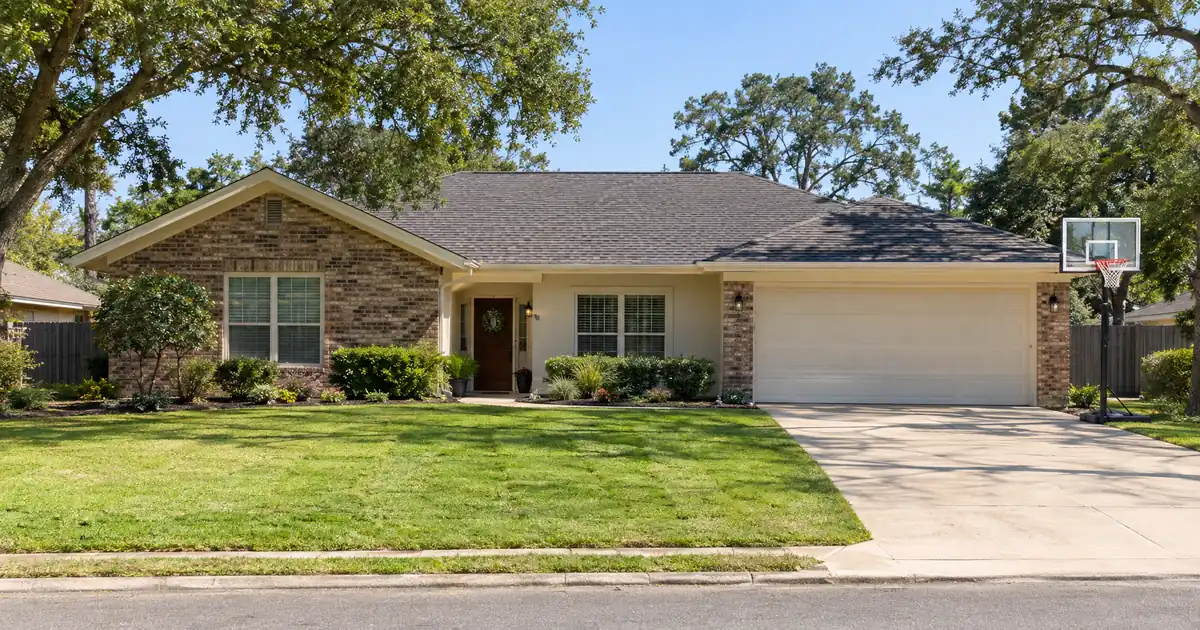
Texas treats your primary residence as a protected homestead. A lien on it is valid only if it secures a debt the state constitution lists, and a cash-out loan is one of those listed debts.
The rule lives in Article XVI, Section 50(a)(6) of the Texas Constitution, which you can read in Justia’s reproduction of the text. Lenders and investors often call these loans “A6” or “50(a)(6)” loans.
Here is a twist worth knowing. Freddie Mac’s Guide says the everyday labels “cash-out” and “rate-and-term” may not match their meaning under the Texas Constitution. A refinance that hands you no cash can still count as a 50(a)(6) loan. State law decides, not the label on the loan.
For readers outside Texas: the protections exist to keep a family home from being lost to over-borrowing. Texas makes these loans non-recourse and allows foreclosure only with a court order. The price of that protection is a tighter process, which is what this article walks through. Lendmire’s cash-out refinance programs cover the national playbook; Texas layers its own rules on top.
Key Terms Defined
Homestead: Your principal residence, which Texas law shields from most forced-sale liens.
50(a)(6) loan: A Texas home equity loan, including a cash-out refinance, made under that section of the state constitution.
Combined loan-to-value (CLTV): The new loan plus every other lien on the home, divided by its appraised value.
Seasoning: The minimum time you have owned the home or held the loan being paid off.
Right of rescission: The federal three-business-day window after signing in which you can cancel a refinance of your home.
50(a)(4) loan: The Texas no-cash-out refinance that can replace a 50(a)(6) loan when its conditions are met.
Can You Qualify? The Eligibility Self-Check
Start with what applies to nearly every cash-out file, then add the Texas layer.
- Occupancy: The home must be your primary residence. Texas homestead rules do not reach second homes or rentals, which fall under ordinary lender guidelines.
- Ownership and loan seasoning: On a conventional cash-out, the first mortgage being paid off must be at least 12 months old, measured note date to note date, and a borrower must have been on title for 6 months, with delayed-financing, inheritance and legal-award exceptions. Fannie Mae’s Selling Guide describes the 12-month rule.
- Credit and ratios: Across the wholesale conventional programs Lendmire places files with, scores generally start at a 620 decision score, and the automated finding governs most files, with a total ratio ceiling of 50%. Manually underwritten loans run tighter, at 36% or 45%, depending on reserves and score. Everything is subject to lender guidelines and full file review.
- No prior equity loan inside the lockout: Texas restricts a new equity loan on a home that recently secured one. Check the one-year language on the state notice with your loan officer.
- Equity: The 80% cap is the real limiter. Cash available is roughly 80% of appraised value, minus every lien being paid off, minus closing costs.
Skip the guesswork on the last point. A homeowner whose appraisal comes in under expectations loses cash, though not quite dollar for dollar, because the cap is set at a percentage of value and moves with it. Each dollar of lost appraised value cuts available cash by about 80 cents.
How Much Cash Can You Take Out?
Think of it as a short formula. Take 80% of the appraised value. Subtract the balance of your current first mortgage. Subtract any second lien or HELOC that must be paid off. Subtract closing costs rolled into the loan. What remains is the most cash you could receive.
Picture a home appraising at a round $100 on a scale of 100. The new loan and all other liens together cannot exceed 80 of that. If your existing mortgage already sits near 60, you have roughly 20 to work with before costs. That is a scale illustration, not a quote.
Two practical points follow. First, the cap is on the new loan plus all other liens, so a lien you leave in place shrinks your room. Second, a borrower with a large existing balance may find the cash-out too small to justify the new loan.
The Texas conventional lane differs from the national one. Elsewhere, a wholesale lane reaches 89.99% LTV with no mortgage insurance, at a 680 score and a 50% ratio on a thirty-year fixed. That lane is not written on a Texas homestead, because the constitution holds the cap at the agency figure. Terms vary by lender guidelines, property type, leverage, credit profile, and full file review.
How to Apply, Step by Step
1. Talk through the goal. Say what the cash is for. Cash-out proceeds can go to any purpose under agency rules, but a clear plan helps you decide whether the loan is the right tool.
2. Submit the application. You provide income, asset and credit information. This date matters, because it starts one of the Texas clocks.
3. Receive the Notice Concerning Extensions of Credit. Texas requires this notice for home equity loans, and it sets a mandatory waiting period that runs from the later of your application or your receipt of the notice, and the loan cannot close until it has passed. The timing is counted in calendar days, not business days, and how the full process unfolds varies by file and lender.
4. Order the appraisal. Expect a full appraisal. The constitution calls for a written acknowledgment of the home’s fair market value, and these files do not lean on appraisal waivers.
5. Go through underwriting. The lender reviews income, assets, credit and the property, usually through an automated finding, or manually when the file needs it.
6. Receive the final itemized disclosure. The state notice requires a final itemized disclosure of fees and costs ahead of closing, unless you consent otherwise, and the timing varies by file and lender. Federal Loan Estimate and Closing Disclosure timing applies as well.
7. Close at a permitted location. Every owner and each owner’s spouse consents and signs.
8. Wait out the cancellation window, then receive funds.
Several of these steps run side by side. The appraisal and underwriting happen while the 12-day clock runs, so the clock is rarely the bottleneck. A late notice, or a change to the loan terms, can restart or lengthen the wait, so the sequence matters more than any single date.
Who Signs, and Where?
The constitution requires closing at the office of the lender, an attorney or a title company. Joint-agency guidance confirms there is no emergency exception to that location rule. Plan for it if you travel or share ownership.
Consent is the other trap. The state notice requires the consent of each owner and each owner’s spouse. A spouse who is not on the loan and not on the title still signs. If a co-owner is away or unwilling, the closing stalls. Settle this early, before the appraisal.
Bring government ID, the paperwork your loan officer requests, and every person whose consent is required.
What Happens After You Sign?
Signing does not release the money. A refinance of your home carries a federal right to cancel, and the timing of that window varies by file and lender. The CFPB explains that the clock starts only after you sign the note, receive the Truth in Lending disclosure and receive two copies of the rescission notice. Cancellation must be in writing, not by phone.
This is separate from the Texas 12-day wait. One comes before closing; the other follows it. Funds are disbursed after the window ends.
Some borrowers ask to waive the window. That is allowed only for a genuine personal financial emergency, with your own dated, signed written statement and no pre-printed form.
Where the General Rules Break
The national cash-out playbook does not carry over cleanly. Watch these edge cases.
Government-backed cash-out. The Texas Attorney General concluded in Opinion KP-0183 that a VA cash-out refinance is prohibited on a Texas homestead, because the VA guaranty counts as collateral beyond the home. FHA cash-out availability on a Texas homestead varies by lender, so confirm it with your loan officer before you assume it. FHA Streamline and VA IRRRL loans are no-cash-out products and sit on a separate path.
Once a Texas equity loan, always one. Refinancing a 50(a)(6) loan generally produces another 50(a)(6) loan. The exit is a no-cash-out 50(a)(4) refinance, which Freddie Mac recognizes. Lenders usually require at least a year since the prior loan, no cash beyond costs, the 80% cap and a recorded owner affidavit. You give up some protections, including court-ordered foreclosure and non-recourse treatment.
Existing HELOCs. Many lenders will not leave a HELOC in place behind a new 50(a)(6) first lien, so plan to pay it off.
Property type and acreage. Lender policy often limits these loans to one-unit homes and caps eligible acreage. Those are policy choices, not law, and they differ by lender.
Rentals and second homes. Occupancy decides leverage. A one-unit principal residence reaches 80% on a conventional cash-out, while two- to four-unit properties, second homes and investment property reach 75%, and Texas homestead rules apply only to the primary residence.
Is a Cash-Out the Right Tool?
| Situation | Cash-out refinance fits | Look elsewhere |
|---|---|---|
| Existing mortgage is costly to replace | Sometimes, if the new terms justify the reset | Consider keeping it and borrowing separately |
| Need a large lump sum | Yes, within the 80% cap | Cash-out only reaches 80% of value |
| Want flexible, repeated draws | Poor fit | A home equity line may suit better |
| Existing Texas equity loan in place | Another 50(a)(6) loan, or a no-cash exit | Wait out the one-year rule |
A cash-out replaces your current first mortgage. The balance, term and rate all reset, so compare the whole new payment against the old one rather than the cash alone. Texas also restricts the pricing side of these loans, which can affect cost, and the loan officer should walk you through it.
Tax treatment can depend on your situation; borrowers should speak with a qualified tax professional before relying on any deduction or credit.
Common Mistakes and Delays
- Assuming the 12 days are business days. They are calendar days.
- Counting the wrong start date. The clock runs from the later of application or receipt of the notice.
- Forgetting the spouse. A missing signature stops closing.
- Overestimating the appraisal. The cap is a percentage of the value the appraiser finds.
- Leaving a HELOC in place. It can block the new first lien.
- Treating “refinance” as always rate-and-term. A Texas equity loan can reappear in disguise.
- Skipping the plan for the cash. An unclear purpose makes it easy to borrow more than you need.
If an application stalls or is denied, ask for the specific reason. Common fixes include a larger down balance on the existing debt, more seasoning time, or correcting title and spousal issues.
Next Steps
Gather recent income and asset records, the current mortgage statement, and a list of every owner and spouse. Then compare the programs. If you are weighing a cash-out refinance against keeping the loan you have, Lendmire can help you compare the programs and the equity each one reaches. Every parameter here is subject to lender guidelines and full file review, and nothing here is a commitment to lend.
Frequently Asked Questions
How long do I have to wait before closing?
At least 12 days after the later of your application date or your receipt of the state notice. These are calendar days. A separate three-business-day federal cancellation window follows closing, and funds arrive after it ends.
Can I take out more than 80% of my home’s value?
No. The Texas Constitution caps the new loan plus all other liens at 80% of fair market value, regardless of loan program. The 89.99% wholesale lane available in other states is not written on a Texas homestead.
Do I need my spouse to sign if they are not on the loan?
Yes. The state notice requires consent from each owner and each owner’s spouse. Missing signatures delay or stop the closing, so confirm everyone’s availability before you order the appraisal.
Can I get a VA or FHA cash-out on my Texas homestead?
VA cash-out is barred under the Texas Attorney General’s opinion. FHA cash-out availability varies by lender, so ask your loan officer. A VA IRRRL or FHA Streamline is a no-cash-out alternative for existing government loans.
How do I get out of a Texas equity loan later?
Generally through a no-cash-out 50(a)(4) refinance, once at least a year has passed, with no extra cash beyond costs, the 80% cap and a recorded owner affidavit. You lose some protections in the swap, including court-ordered foreclosure and non-recourse treatment.
For your own numbers, request a scenario review with Lendmire.
For current guidelines and terms, see Lendmire’s refinance programs page.
About Lendmire
Lendmire (NMLS# 2371349) is a mortgage broker licensed for consumer lending in 16 states. Lendmire arranges FHA, VA, conventional and jumbo purchase and refinance loans through wholesale lenders; every file is underwritten by the lender under the applicable program guidelines. Scotsman Guide named Lendmire a Top Mortgage Workplace in both 2025 and 2026.
Get Started
Ready to find the right loan for you?
In about 30 seconds you can review financing options available for your home or investment property. No commitment required.
Informational only. Not a Loan Estimate, approval, or commitment to lend. Program availability and eligibility are subject to lender guidelines, credit approval, property review, and underwriting.
References
1. Justia’s reproduction of the text
2. Freddie Mac Guide, Texas Equity Section 50(a)(6) Mortgages
3. Fannie Mae Selling Guide, Cash-Out Refinance Transactions
4. Texas OCCC / Joint agencies – Home Equity Lending COVID-19 Emergency Measures guidance
This article is part of Lendmire’s Refinance series — every loan program’s qualification details, guidelines, and scenarios live on the loan options page.
Related reading: How Much a Cash-Out Refinance Returns on a Texas Homestead · Texas Homestead Cash-Out Refinance Requirements on Acreage · Can a Texas Homestead Cash-Out Refinance Be Refinanced Again?
Brandon Miller
Founder & CEO, Mortgage Loan Originator, Lendmire LLC
- Mortgage Loan Originator · NMLS# 1129696 · Verify on NMLS Consumer Access
- North Carolina Real Estate Broker · License# 343312 · Verify on NCREC
- North Carolina Insurance Producer · License# 19053198 · Property, Casualty, Life, Health · Verify on NAIC SBS
- Lendmire LLC · Firm NMLS# 2371349 · Verify firm licensure
Legal disclosures. Lendmire (NMLS# 2371349) is a state-licensed mortgage brokerage that arranges financing through wholesale lender relationships. Lendmire is not a direct lender, depository institution, or registered financial advisor. The discussion above is general informational content about real estate financing — it is not financial, legal, or tax advice, and readers should consult licensed professionals for guidance on their individual circumstances. Loan inquiries are subject to lender underwriting; this article does not represent a commitment to lend. Loan terms, rates, and qualification standards vary by borrower, property, and state, and are subject to change at any time. Equal Housing Opportunity. NMLS Consumer Access: nmlsconsumeraccess.org.