
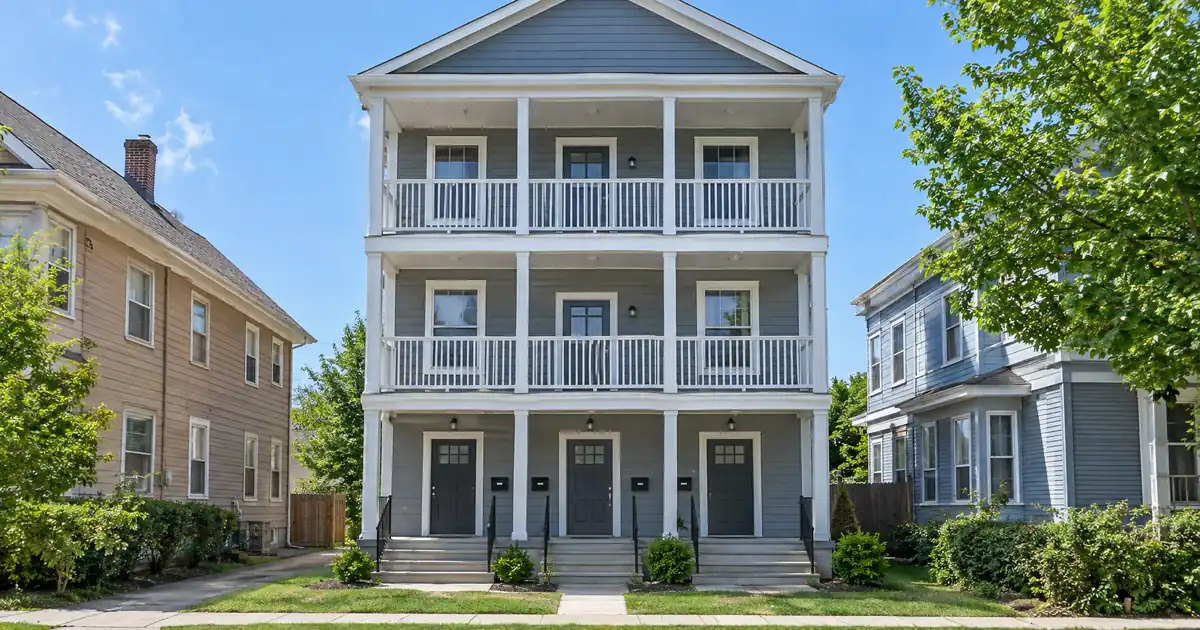
The Quick Read: Usually yes, when you live in one unit of a two- to four-unit building and another unit sits empty. A vacant unit does not by itself bar a conventional cash-out refinance. What decides the file is which unit you occupy, whether you need the empty unit’s rent to qualify, and whether the building is a true multi-unit property. If your own unit is the empty one, that is an occupancy question, and it is a different problem.
Two Readings of “One Unit Vacant”
Reading A is the common case. You live in one unit of a duplex, triplex or fourplex. Another unit is between tenants. That file is eligible as a two- to four-unit principal residence cash-out.
Reading B is not a vacancy question. Your own unit is empty. A principal residence cash-out assumes you live there. Underwriting treatment for that situation is outside what this article covers, so talk to a loan officer before applying.
The rest of this piece covers Reading A.
Does a Vacant Unit Disqualify the Loan?
No. Neither the Fannie Mae nor the Freddie Mac guidance reviewed for this article contains a rule that blocks a cash-out because a unit is empty. The transaction test in Fannie Mae Selling Guide B2-1.3-03 says a cash-out pays off the existing mortgage with a new first mortgage on the same property. Vacancy is not a listed criterion. Lendmire’s cash-out refinance programs are built on that same transaction test.
What the vacancy changes is the income side of the file, and sometimes the appraisal. It does not change the loan’s basic eligibility.
Key points:
- A vacant unit is not a disqualifier on its own.
- Leverage on a two- to four-unit principal residence is lower than on a one-unit home.
- The empty unit matters most when you need its rent to qualify.
- The appraiser must be able to walk through every unit.
- Seasoning rules apply the same as on any cash-out.
How Lenders Treat the Empty Unit’s Rent
This is the part most borrowers get wrong. Two different things happen to rent on a multi-unit file, and they are easy to confuse.
Rent gets reported. On a two- to four-unit principal residence, gross monthly rent for the eligible units goes into the loan’s delivery data. That happens whether or not the rent is used to qualify. A vacant unit still needs a market-rent figure, and that figure comes from the appraisal. For a two- to four-unit property, the appraiser uses the Small Residential Income Property report, Form 1025. The Fannie Mae rental income guidance lays this out. That page is an archived version, so confirm it against the current Selling Guide.
Rent gets counted. This is a separate decision. If you qualify on your own income, the empty unit costs nothing in underwriting beyond that appraisal rent report. If you need the rent to make the debt ratio work, it can be supported only by market rent from the appraisal, because no lease exists. Lenders typically apply a haircut to that figure. The size of it varies, so expect the counted rent to land below the appraiser’s number.
Two more points on rent:
- The unit you live in does not count. Rent from your own unit generally cannot be used to qualify. Fannie Mae allows exceptions for boarder income and accessory units.
- No lease is required for an unrented unit. For a subject property that is not currently rented, the same guidance says lease agreements are not required, and the appraisal rent form may be used instead.
Freddie Mac takes a similar view. Its rental income guidance treats rent from the units a borrower does not occupy in a two- to four-unit primary residence as eligible when it meets the Guide’s requirements. The two agencies differ in detail, so a vacant-unit file should be checked against the specific investor’s guide.
Unit Status and How It Is Treated
| Unit status | Rent evidence | Likely treatment |
|---|---|---|
| Leased | Signed lease, or tax return history | Rent can be counted |
| Month-to-month | Lease or payment history | Counted if documented |
| Vacant, rent-ready | Appraisal market rent | Counted at a reduced figure |
| Vacant, under renovation | Appraisal market rent, if finished | Often a condition issue first |
| Your own unit | Not eligible | Rent generally does not count |
Treatment varies by lender, subject to lender guidelines and full file review.
Which Path Are You On?
Occupancy sets the whole structure of the loan. This is where online advice gets tangled.
If you live in the building, you are on the owner-occupied path. Conventional cash-out is available on a two- to four-unit principal residence. Some web pages claim owner-occupied multifamily cash-out does not exist through agency channels. That conflicts with the Fannie Mae Eligibility Matrix, which publishes a cash-out cap for two- to four-unit principal residences. Across the wholesale programs Lendmire places files with, the caps are the same: 80% LTV on a one-unit principal residence and 75% on two- to four-unit principal residences. Confirm the live matrix, since it is incorporated into the Selling Guide and changes. Terms vary by lender guidelines, property type, leverage, credit profile, and full file review.
If you do not live in the building, you are not on this path. Occupancy decides the leverage, and a non-owner-occupied property falls into the investment-property category, at 75% on two to four units. That is a different lane with different documentation.
An owner-occupied two- to four-unit building is not an investment property. A vacant unit does not turn it into one.
Three Scenarios
These are illustrative and use percentages, not dollars.
Strong income, vacancy barely matters. A borrower lives in one unit of a triplex. Employment income alone carries the debt ratio well inside the 50% ceiling that the automated finding allows on most files. One unit is empty. The appraiser reports market rent for it, and the underwriter does not count it. The vacancy is a footnote.
Needs every unit’s rent. A borrower’s income only works if the other units’ rent is added. One of those units is empty. The rent used for lender review for it comes from the appraisal, reduced by the lender’s vacancy treatment. The ratio gets tighter, and the file may slip past the threshold. Here the vacancy is the deciding issue. Options include leasing the unit first or borrowing less.
Unit under renovation. The empty unit has open walls, no kitchen, or is otherwise not livable. This is a condition problem before it is an income problem. The appraiser must be able to inspect the accessible interior and exterior. The appraisal can come back subject to completion or be hard to value. Finishing the work, or documenting its scope, usually comes first.
Does Vacancy Change How Much Cash You Can Take?
Not directly. The leverage cap and the income test are separate.
The cap is set by property type and occupancy. On a two- to four-unit principal residence it is 75% LTV, lower than the 80% on a one-unit home. The same value gives you less cash than a single-family home would. A vacant unit does not push that cap lower. Exact terms depend on the lender’s guidelines, property type, leverage, and a full review of the borrower’s file.
The vacancy touches the income test. If your debt ratio gets tight, the lender may cap the loan below the leverage limit. That is an affordability limit, not a vacancy rule.
One wholesale lane reaches 89.99% LTV with no mortgage insurance, but it is written on conforming balances for a primary residence with a 680 score and a 50% ratio. Whether a two- to four-unit property fits that lane depends on the lender’s guidelines, so ask rather than assume.
Seasoning Rules Still Apply
A vacant unit does not relax the timing rules. Under Selling Guide B2-1.3-03:
- The first mortgage being paid off must be at least 12 months old, measured note date to note date.
- At least one borrower must have been on title for six months before disbursement.
- A property listed for sale must be off the market by disbursement.
- A debt-to-income ratio above 45% on automated casefiles requires six months of reserves.
The older version of the same section names exceptions to the title clock: inheritance, legal awards and delayed financing. Recent cash buyers can use delayed financing, but the loan still counts as a cash-out. A vacant unit does not change that, though the rent evidence still matters.
Lease First or Refinance Now?
| Situation | Lease first | Refinance now |
|---|---|---|
| Income carries the loan without rent | Not needed | Usually fine |
| Need the unit’s rent to qualify | Often helps | Rent counts at a reduced figure |
| Unit is rent-ready | Optional | Appraiser can report rent |
| Unit needs repairs | Finish repairs first | Condition may stall the appraisal |
| Recent seasoning gap | Wait regardless | Not yet eligible |
A signed lease gives the underwriter documented income. Market rent from an appraisal gives an opinion. If waiting costs you little, a lease usually makes the file cleaner.
Documents to Gather
- Your current mortgage statement and the note date.
- Proof of how long you have been on title.
- A short written explanation of why the unit is vacant, such as turnover or repairs. Lenders ask.
- Leases or rent roll for the occupied units.
- Traditional personal-income documentation along with the rental schedule, if you have received rent from the property. Current leases can substitute where you document a qualifying exception.
- Access arrangements so the appraiser can enter every unit. Fannie Mae’s appraisal and property FAQ says utilities need not be on during inspection. That FAQ is dated, so confirm with your lender.
If Conventional Does Not Fit
Several alternatives are worth a look. A limited cash-out (rate-and-term) refinance covers the existing balance and closing costs, with only incidental cash back. Waiting for a lease may bring the file within reach of a full cash-out.
Lenders may also set stricter overlays than the agency guides, so two lenders can treat the same vacant unit differently.
Tax treatment can depend on your situation; borrowers should speak with a qualified tax professional before relying on any deduction or credit.
Key Terms Defined
Cash-out refinance: A new first mortgage that pays off the old one and lets you take equity as cash.
Market rent: The rent an appraiser estimates a unit would earn, reported on the appraisal when no lease exists.
Form 1025: The appraisal report used for two- to four-unit properties, which includes rent for each unit.
Seasoning: The minimum time you must hold a loan or title before a cash-out is allowed.
LTV: The loan amount as a percentage of the property’s value.
Frequently Asked Questions
Can I use the vacant unit’s rent to qualify?
Sometimes. Without a lease, the rent comes from the appraisal’s market-rent figure, and lenders typically count less than the full amount. If you qualify on other income, the rent is not needed at all.
Do I need a signed lease on the empty unit?
No. For an unrented subject property, Fannie Mae’s guidance says leases are not required and the appraisal rent form may be used. A lease makes the income easier to document, though.
Will a vacant unit lower the cash I can take?
Not by itself. The cap depends on property type and occupancy: 75% LTV on a two- to four-unit principal residence. A tight debt ratio, though, can limit the loan below that cap. Every figure here varies by lender and program, and guidelines, property type, leverage, and credit profile all apply.
What if my own unit is the empty one?
That is an occupancy issue, not a vacancy issue. A principal-residence cash-out assumes you live in the property. Speak with a loan officer about your situation before applying.
Does the appraiser have to see the vacant unit?
Yes. Fannie Mae requires a complete visual inspection of the accessible interior and exterior. A unit that cannot be entered can stall the appraisal.
If you are weighing a cash-out refinance against keeping the loan you have, Lendmire can help you compare the programs and the equity each one reaches. Programs are arranged through wholesale lenders, subject to lender guidelines and full file review. Nothing here is a commitment to lend.
For your own numbers, request a scenario review with Lendmire.
For current guidelines and terms, see Lendmire’s conventional loan programs page.
About Lendmire
Lendmire — NMLS# 2371349 — is a mortgage broker that arranges FHA, VA, conventional and jumbo home purchase and refinance financing in 16 states through wholesale lenders. Every option is subject to the lender’s guidelines and full underwriting. Scotsman Guide named Lendmire a Top Mortgage Workplace in both 2025 and 2026.
Get Started
Ready to find the right loan for you?
In about 30 seconds you can review financing options available for your home or investment property. No commitment required.
Informational only. Not a Loan Estimate, approval, or commitment to lend. Program availability and eligibility are subject to lender guidelines, credit approval, property review, and underwriting.
References
1. Fannie Mae Selling Guide B2-1.3-03, Cash-Out Refinance Transactions
2. Fannie Mae Selling Guide B3-3.1-08, Rental Income (archived)
3. Freddie Mac Guide 5306.1, Rental Income
4. Fannie Mae Eligibility Matrix
5. Fannie Mae’s appraisal and property FAQ
This article is part of Lendmire’s Conventional Loans series — every loan program’s qualification details, guidelines, and scenarios live on the loan options page.
Related reading: 5 Myths About What a Conventional Cash-Out Can Pay For · Conventional Cash-Out Requirements for a Live-in 2-4 Unit Home · How Much a Conventional Cash-Out Lends on a 2-4 Unit Primary Home
Brandon Miller
Founder & CEO, Mortgage Loan Originator, Lendmire LLC
- Mortgage Loan Originator · NMLS# 1129696 · Verify on NMLS Consumer Access
- North Carolina Real Estate Broker · License# 343312 · Verify on NCREC
- North Carolina Insurance Producer · License# 19053198 · Property, Casualty, Life, Health · Verify on NAIC SBS
- Lendmire LLC · Firm NMLS# 2371349 · Verify firm licensure
Compliance and disclosures. Lendmire (NMLS# 2371349) is a licensed mortgage broker and is not a direct lender, depository institution, financial advisor, or tax professional. Content in this article is general market analysis and educational information — not financial, legal, or tax advice for any specific situation. Lendmire does not guarantee loan approval; every transaction is subject to underwriting by the funding lender. Mortgage pricing and loan program guidelines are subject to change at any time without notice and vary by borrower characteristics, property type, and state regulations. Lendmire complies with Equal Housing Opportunity. Licensure verification: NMLS Consumer Access.