
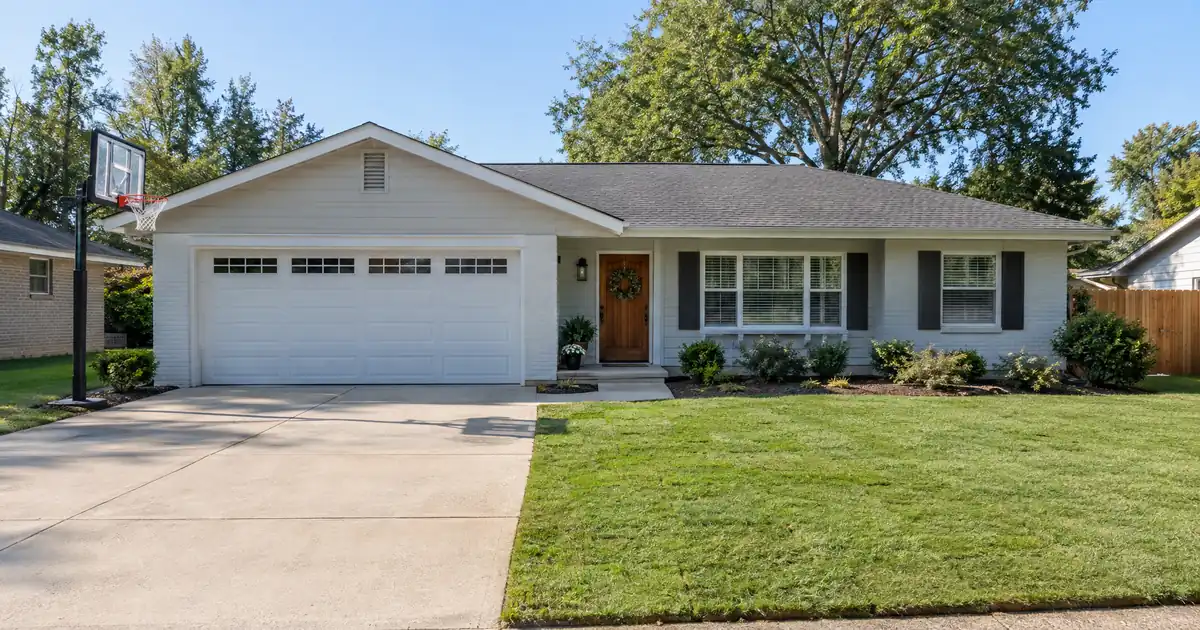
The Quick Read: The loan swaps your current mortgage for a larger one and hands you the difference as cash. It pays when your equity clears the leverage cap with room to spare, your project budget is firm, and the new loan’s terms are not much worse than the loan you hold now. It falls short when the home’s value today cannot carry the budget.
Key Takeaways
- A conventional cash-out refinance caps the total new loan at 80% of value on a one-unit primary home. The cap is on the whole loan, not on the cash you receive.
- The appraisal values your home as it stands today. Planned work adds little or nothing to that number.
- Your old mortgage gets replaced. Its balance, term and interest rate are all swapped out, not just the slice you borrow.
- A renovation-purpose mortgage can fit a very large project better, because it counts the finished value.
- Add a cushion for overruns and plan how you will pay contractors from a lump sum.
How Does a Conventional Cash-Out Refinance Work?
A conventional cash-out refinance is a new first mortgage that pays off your old one and gives you the leftover equity as cash. You can spend that cash on anything, including a major remodel or addition. Here is the sequence, start to finish.
1. Pick the structure. You either take a standard cash-out loan, where proceeds are unrestricted, or a renovation-purpose first mortgage. They are underwritten differently, as the appraisal section below explains.
2. Check the clocks. The first mortgage being paid off must be at least 12 months old, measured note date to note date. At least one borrower must also have been on title for six months. Named exceptions exist for inherited homes, property awarded in a divorce, and recent cash purchases under the delayed financing exception.
3. Apply and document. The lender reviews your credit, income, debts and the property. Across the wholesale programs Lendmire places files with, the automated underwriting finding governs most files.
4. Appraisal. An appraiser values the home as it is today.
5. Underwriting decision. The lender weighs your equity after the new loan, your score, your debt ratio and your reserves.
6. Closing. You sign, and because this is a refinance of your primary home, you generally get a short right-to-cancel window. Funds are generally released after that window ends.
Lendmire’s cash-out refinance programs follow this same path through its wholesale lenders. Lendmire is a mortgage broker, not the lender. Every figure here is subject to lender guidelines and full file review, and none of it is a commitment to lend.
How Much Cash Can You Actually Get?
Less than most homeowners expect. The leverage cap applies to the whole new loan. Your old balance and closing costs come out first, and only the remainder reaches you.
On a one-unit primary home, conventional cash-out tops out at 80% of the home’s value. On a two- to four-unit primary home, a second home, or an investment property, the cap is 75%. Occupancy and unit count decide the number.
Run it in percentages of value. These are modeled assumptions, not market data.
- Owner A owes 50% of the home’s value. The 80% cap leaves about 30% of value before closing costs. Costs trim that a bit.
- Owner B owes 70% of the home’s value. The same cap leaves about 10% of value before costs.
Say both owners want to spend 25% of their home’s value on a project. Owner A can fund it, though a 10% cushion for overruns would tighten things. Owner B cannot come close. Same cap, very different outcomes, because the old balance decides the room.
One wholesale lane reaches 89.99% LTV with no mortgage insurance. It requires a 680 score, a 50% debt ratio, a 30-year fixed rate, a primary residence, a conforming loan balance, and its own six months of seasoning. It is not written in Texas. Most big-project borrowers will still plan around the 80% cap. Final terms depend on the lender’s guidelines, the property type, and the borrower’s complete credit picture.
Mortgage insurance applies above 80% LTV, so a loan at or under the cap does not carry it. If you ever do carry it, the servicer must end it automatically at 78%, and you can request cancellation at 80% of the original value. Each figure is subject to lender guidelines and a complete review of property type, leverage, and credit.
When Does It Pay, and When Doesn’t It?
It pays when the numbers on the new loan beat your alternatives and you plan to stay long enough to recover the costs. It does not pay when you would trade a cheap existing mortgage for a more expensive one just to reach a modest amount of cash.
| Your situation | Likely verdict | Why |
|---|---|---|
| Large equity, firm budget, long stay | Often fits | One lump sum, one payment |
| Existing loan terms are strong | Weigh carefully | You give up the old rate and term |
| Thin equity after the 80% cap | Usually falls short | Cap leaves too little cash |
| Short planned stay | Often falls short | Little time to recover costs |
| Budget still unsettled | Risky | Overruns can outrun the cash |
| Project value only shows when finished | Consider renovation loan | Standard appraisal ignores it |
The lender’s pricing adjustments make cash-out loans cost more than a limited cash-out refinance. Fannie Mae applies loan-level price adjustments to certain cash-outs based on LTV and credit score. Those show up in your pricing, not as a separate line on your closing paperwork. The Fannie Mae Selling Guide describes how they work.
This is a genuine toss-up for many owners. The convenience of one new loan is real. So is the cost of resetting everything you owe.
The Appraisal Problem With Big Projects
A standard cash-out loan values your home as it is today. That is a common trap for big projects. A half-planned addition or a gutted kitchen on paper adds little or nothing to the value the lender uses.
So the 80% cap is applied to a number that does not include your finished work. The bigger the project relative to current value, the sharper this limit bites.
Renovation-purpose first mortgages work differently. Fannie Mae’s HomeStyle Renovation, for example, requires an “as completed” appraised value. The lender uses your plans and specifications to document the quantity, quality and cost of the work. The appraiser uses the same plans to reach the completed value.
That can stretch purchasing power on a major rebuild. It also adds paperwork and oversight. Completion gets documented, the title is updated to confirm no contractor liens, and insurance evidence is refreshed. Proceeds are generally handled through staged draws, and details vary by lender. Availability of renovation products also varies by lender, so ask early.
How Do the Financing Options Compare?
The right tool depends on project size, how firm the budget is, and what you would give up on your first mortgage.
| Option | Effect on first mortgage | Payment shape | Best fit |
|---|---|---|---|
| Cash-out refinance | Replaced entirely | One new payment | Firm budget, strong equity |
| Home equity loan | Kept in place | Second payment | Fixed cost, keep old loan |
| HELOC | Kept in place | Second, drawn over time | Uncertain or staged costs |
| Renovation first mortgage | Replaced entirely | One new payment | Big work, value after completion |
| Personal loan | Kept in place | Separate payment | Smaller projects, little equity |
A home equity loan or HELOC sits behind your first mortgage and adds a second payment. Its main strength is that your original loan stays untouched. If your current mortgage is a good one, that matters. The Consumer Financial Protection Bureau notes that cash-out refinances, home equity loans and HELOCs typically expect you to keep 10% to 20% of your home value as equity. For a closer look at when the refinance side of that choice wins, see Lendmire’s piece Home Equity Lines for Homeowners Deciding When a Cash-Out Refinance Wins.
A rate-and-term refinance, also called limited cash-out, is a different product. It pays off the old first mortgage, closing costs and any purchase-money second lien, with only incidental cash back. It reaches up to 95% LTV on a one-unit primary home, but it will not fund a project. Leverage, reserves, and pricing vary by lender and program; the final terms follow the full file review.
Where the General Rule Breaks
The 80% rule and the as-is appraisal cover most files. These cases bend them.
Renovation proceeds can count as “no cash-out.” Freddie Mac treats its CHOICERenovation mortgage as a no-cash-out refinance when proceeds finance only eligible renovations. Freddie Mac’s Guide also lists renovation loans among exceptions to the six-month ownership rule.
Renovation refinances use different leverage tiers. A HomeStyle refinance is classed under limited cash-out leverage, not the cash-out tiers. You also cannot take cash proceeds on a refinance used to buy out a co-owner, per the Fannie Mae Eligibility Matrix.
A paid-off home still counts as cash-out. Put a new first lien on a home you own free and clear, and it is cash-out.
Recent cash buyers. The delayed financing exception waives the six-month title wait. The original purchase must have been arm’s length.
Owned before marriage or inherited. The seasoning clocks have named exceptions for inheritance and divorce awards.
Living in a duplex. A two- to four-unit primary home carries the 75% cap, and reserves become a bigger factor.
Energy retrofit loans. If the cash-out pays off a PACE obligation, that obligation must be paid in full.
Temporary buydowns. A loan with a temporary interest rate buydown is not eligible as a cash-out refinance.
Texas homesteads. The state constitution caps cash-out on a homestead at the agency figure. Check Texas rules before planning a larger draw.
What the Lender Looks For
Conventional wholesale programs start at a 620 decision score. The automated finding governs most files, with a total debt-to-income ceiling of 50%. Manually underwritten loans use 36% or 45% ceilings, with reserve and score factors from the Eligibility Matrix. Credit events carry agency waiting periods, such as four years from a chapter 7 discharge and seven from a foreclosure.
Reserves matter on a cash-out. On a file run through Desktop Underwriter, Fannie Mae requires six months of reserves when the debt ratio exceeds 45%. Reserves are the liquid savings left after closing that could cover your payments.
Credit score and LTV also drive the pricing adjustments. A higher score and lower leverage tend to soften them. The agencies’ published maximum LTV by occupancy and unit count set the ceiling, and individual lenders can add stricter rules.
The conforming loan limit is set each year by the Federal Housing Finance Agency. Above it, jumbo lanes take over with a 660 decision score and different leverage. Check the current limit for your county before you plan around it.
The Break-Even Test
Run this on your own numbers before you apply. You do not need a formula sheet, just three comparisons.
1. Old loan versus new loan. Compare your current rate and remaining term with the new loan’s. Remember the new balance, rate and term apply to everything you owe, not only the cash you take.
2. Refinance path versus keep-the-first path. Price a second lien on your existing mortgage against replacing the whole loan. If your first mortgage is strong, the second lien may cost less overall even if it costs more per dollar borrowed.
3. Costs versus time. Your closing costs and pricing adjustments reduce the net cash. Divide those costs by whatever monthly savings you gain, if any. That tells you how long you must stay to come out ahead.
If the first two comparisons favor the new loan and you will stay well past the break-even point, it pays. If you would swap a cheap loan for a pricier one to reach a modest amount of cash, it often does not.
A “no-cost” refinance is just a marketing phrase. The costs are built into the interest rate or the loan balance, not removed.
Sizing the Loan and Managing the Cash
Big projects overrun. Plan for it before you sign.
- Add a contingency. Many owners set aside a cushion of 10% or more of the project budget. That is a general practice, not a program rule.
- Do not borrow every dollar of room. Taking the maximum cash leaves no equity buffer if values soften.
- Stage contractor payments. A lump sum lands in your account at once. Pay in stages tied to finished work, the way a renovation loan’s draws would work.
- Park the unspent cash safely. Keep it in an account separate from daily spending.
- Fix essentials first. Roof, structure, plumbing and electrical come before cosmetic work.
Value gain from a remodel is not guaranteed to match its cost. Treat any resale boost as a bonus, not as part of your plan to repay the loan.
Tax treatment can depend on your situation; borrowers should speak with a qualified tax professional before relying on any deduction or credit.
Key Terms Defined
Cash-out refinance: a new first mortgage that pays off your old one and gives you the extra equity as cash.
LTV (loan-to-value): your loan amount divided by the home’s appraised value, shown as a percentage.
Seasoning: the minimum time you must have held a loan or title before refinancing.
As-is value: what an appraiser says your home is worth today, without planned work.
As-completed value: the value of the home once planned renovations are finished, used on renovation loans.
Loan-level price adjustment: an added pricing cost based on factors like credit score and LTV, built into your pricing.
Reserves: liquid savings you hold after closing, measured in months of payments.
Your Next Step
If you are weighing a cash-out refinance against keeping the loan you have, Lendmire can help you compare the programs and the equity each one reaches for the home you live in. Call 828-256-2183 to talk through your numbers.
Frequently Asked Questions
Can I use cash-out refinance money for any home project?
Yes. Freddie Mac defines a cash-out refinance as a mortgage with no specific restrictions on how proceeds are used. That makes a major remodel an allowed use. A renovation-purpose loan, by contrast, restricts proceeds to the approved work.
Does the 80% limit mean I can borrow 80% of my home’s value as cash?
No. The 80% cap applies to the whole new loan on a one-unit primary home. Your old mortgage and closing costs are paid from it first, and only the remainder comes to you. If you owe 70% of value, only a small slice is left.
What if the appraisal comes in low?
A low value shrinks the loan the cap allows, and your cash shrinks with it. You can scale back the project, bring your own funds, or look at a renovation-purpose loan that uses the finished value. A conventional loan will not count planned work in a standard appraisal.
Can I refinance soon after buying my home?
Usually not on a conventional cash-out. The existing first mortgage must be at least 12 months old, and a borrower must have been on title for six months. Exceptions cover inheritance, legal awards in a divorce, and delayed financing after a cash purchase.
Is a HELOC better than a cash-out refinance for a big project?
It depends on your first mortgage and your budget. A HELOC keeps your existing loan in place and lets you draw as costs arise, which suits uncertain budgets. A cash-out refinance gives you one lump sum and one payment, but replaces your whole first mortgage.
For your own numbers, request a scenario review with Lendmire.
About Lendmire
Lendmire (NMLS# 2371349) is a mortgage broker licensed for consumer lending in 16 states. Lendmire arranges FHA, VA, conventional and jumbo purchase and refinance loans through wholesale lenders; every file is underwritten by the lender under the applicable program guidelines. Scotsman Guide named Lendmire a Top Mortgage Workplace in both 2025 and 2026.
For the program’s current guidelines, see conventional loan programs.
Get Started
Ready to find the right loan for you?
In about 30 seconds you can review financing options available for your home or investment property. No commitment required.
Informational only. Not a Loan Estimate, approval, or commitment to lend. Program availability and eligibility are subject to lender guidelines, credit approval, property review, and underwriting.
References
1. Fannie Mae Selling Guide B2-1.3-03, Cash-Out Refinance Transactions
2. Fannie Mae Selling Guide B5-3.2-03, HomeStyle Renovation Collateral Considerations
3. Consumer Financial Protection Bureau, Using Home Equity to Meet Financial Needs
4. Freddie Mac Guide Section 4301.5, Cash-Out Refinance Mortgages
5. Fannie Mae Eligibility Matrix tiers for HomeStyle Renovation and second homes
6. Fannie Mae Eligibility Matrix: maximum LTV by occupancy and unit count
This article is part of Lendmire’s cash-out refinance program — full qualification details, guidelines, and scenarios live on the program page.
Related reading: Can You Use a Conventional Cash-Out Refinance on a Paid-Off Home? · Can You Do a Conventional Cash-Out Refinance Without a Mortgage? · Can You Do a Conventional Cash-Out Refinance on a Co-Owned Home?
Brandon Miller
Founder & CEO, Mortgage Loan Originator, Lendmire LLC
- Mortgage Loan Originator · NMLS# 1129696 · Verify on NMLS Consumer Access
- North Carolina Real Estate Broker · License# 343312 · Verify on NCREC
- North Carolina Insurance Producer · License# 19053198 · Property, Casualty, Life, Health · Verify on NAIC SBS
- Lendmire LLC · Firm NMLS# 2371349 · Verify firm licensure
Legal disclosures. Lendmire (NMLS# 2371349) is a state-licensed mortgage brokerage that arranges financing through wholesale lender relationships. Lendmire is not a direct lender, depository institution, or registered financial advisor. The discussion above is general informational content about real estate financing — it is not financial, legal, or tax advice, and readers should consult licensed professionals for guidance on their individual circumstances. Loan inquiries are subject to lender underwriting; this article does not represent a commitment to lend. Loan terms, rates, and qualification standards vary by borrower, property, and state, and are subject to change at any time. Equal Housing Opportunity. NMLS Consumer Access: nmlsconsumeraccess.org.