
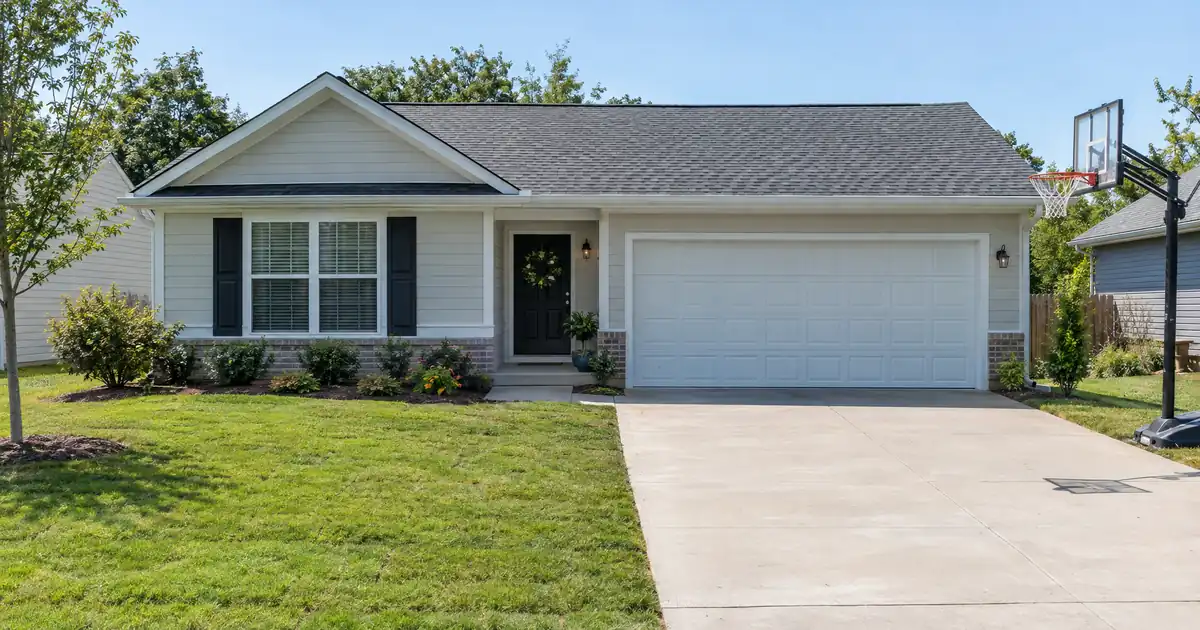
The Quick Read: Yes. Neither Fannie Mae nor Freddie Mac bars a cash-out refinance because a home has more than one owner. The agencies look at who is on title, who is on the new loan, and who lives in the home. On a one-unit primary residence, the cash is capped at 80% of the appraised value, and every person on the new note qualifies together. Subject to lender guidelines and full file review.
Co-owned is not a loan category. The questions a lender asks are narrower, and you can answer most of them before you ever apply.
This article walks through those questions, the exceptions, and the decisions co-owners usually face. It covers primary residences only. Second homes and rentals follow different leverage rules, and occupancy decides which ones apply.
What Do Lenders Actually Check on a Co-Owned Home?
Lenders check three things: title, the note, and occupancy. Title is who owns the home. The note is the promise to repay the loan. Occupancy is who lives there. Co-ownership matters only through those three tests.
Across the wholesale programs Lendmire works with, these are the first questions on every co-owned file:
- Who is on title today? The deed answers this.
- Who will be on the new loan? A refinance replaces the old loan with a new one. Everyone on the new note is underwritten as a borrower, with income, debts, and credit all in the file.
- Who lives in the home? On a primary-residence cash-out, this decides which borrowers are eligible.
Notice what is missing. Nobody asks whether the owners are married, related, or friends. The relationship matters for your negotiation. It does not matter to the loan rules.
What Are the Core Rules for Cash-Out on a Co-Owned Home?
Conventional cash-out has four core rules: a title waiting period, an age limit on the loan being paid off, a leverage cap, and an occupancy test. Co-owners pass or fail them the same way a sole owner does. The difference is that two people’s files must pass together.
Title seasoning. Seasoning is a waiting period. For cash-out, at least one borrower must have been on title for six months before the new loan. Freddie Mac’s Guide section 4301.5 sets that six-month test. Fannie Mae has an equivalent. The two agencies may measure the clock to slightly different dates, so your lender will confirm which one applies to your file.
Age of the existing loan. The first mortgage being paid off must be at least 12 months old, counted from note date to note date. The note date is the date you signed the loan.
Leverage cap. Leverage is the loan amount as a share of the home’s value, called LTV. On a one-unit primary residence, conventional cash-out tops out at 80% LTV. On a two- to four-unit primary residence, it is 75%. Both agencies publish those limits, and the Fannie Mae Eligibility Matrix lays them out by occupancy and unit count. Every figure here varies by lender and program — guidelines, property type, leverage, and credit profile all apply.
Occupancy. This one splits the agencies, and it is where co-ownership bites hardest. The next section covers it.
One more point. Everyone on the new note must qualify on the same file. That includes a ratio ceiling of 50% on the automated findings, where total monthly debts are measured against income, and a 620 minimum score on the wholesale programs. Those figures are subject to lender guidelines and full file review.
Does Everyone on the Deed Have to Be on the New Loan?
Not under the agency sections reviewed for this article. They ask that at least one borrower has been on title for six months. They do not say every owner must sign the note. Your lender and title company may still require more, so treat the agency rules as a floor, not a promise.
Here is the practical wrinkle. A lender may require every owner on title to sign the security instrument, which is the document that pledges the home as collateral. State law and lender practice drive that, and it varies. If one owner is hard to reach or unwilling, say so at the start. Don’t discover it at the closing table.
So the real question is rarely “can the co-owned home qualify?” It is “who does the lender need on the file, and who is willing to be there?”
What If One Owner Doesn’t Live in the Home?
This is where the agencies differ. Freddie Mac requires all borrowers to occupy the home on a primary-residence cash-out. Fannie Mae permits non-occupant borrowers, co-signers, and guarantors on cash-out refinances. Fannie’s eligibility notes add that using a non-occupant’s income calls for lower leverage limits in some cases.
Picture two siblings who inherited a house. One lives there. The other moved across the country years ago and wants to stay on the deed. Under Fannie’s rules, the sibling who lives in the home may be able to carry the new loan, and the other can be added as a non-occupant borrower if the file needs the income. Under Freddie’s rule, both borrowers would have to occupy. The same file can work in one channel and not the other.
Your lender may also be stricter than either agency. Some lenders set tighter limits on non-occupant co-borrowers than the agency guide does. That is called an overlay. Because Lendmire arranges loans through several wholesale lenders, it can match the structure of your file to the channel that fits it. Whether it fits comes down to the lender’s guidelines and a full file review.
Low-down-payment programs like HomeReady and Home Possible are generally built for purchases and limited refinances, not cash-out. If you were hoping to use one, plan on a standard conventional cash-out instead.
Which Co-Owned Situation Are You In?
Most co-owned cash-outs fall into one of five situations. The table shows how each one tends to work. These are patterns, not approvals, and each file is subject to lender guidelines.
| Situation | Does conventional cash-out fit? | Who is on the new loan? |
|---|---|---|
| Both owners stay on the loan | Yes, if both qualify together | Both |
| One owner buys out the other | Often, if the buyer qualifies alone | The buyer only |
| One owner lives elsewhere | Depends on the agency and lender | Occupant, maybe the other |
| Nobody has held title six months | Only with an exception | Varies |
| One owner won’t sign | Usually stalls the file | Cannot be forced |
The first row is the case most guides skip. When both owners stay, both incomes, debts, and credit scores go into one underwriting file. A strong income can carry a weak one, but a high debt load or a low score on either side affects the whole decision. The cash comes out of the equity, and you agree between yourselves how to split it. The lender does not divide it for you.
How Does a Co-Owner Buyout Work as a Cash-Out?
A buyout uses new loan proceeds to pay one owner for their share of the equity. The new loan pays off the old mortgage, covers closing costs, and funds the departing owner’s payment. The remaining owner keeps the home and the new loan, and the departing owner signs over their interest.
Two agency names are worth knowing here, because buyouts get classified differently:
- Freddie Mac has a named special purpose cash-out refinance where the proceeds buy out a co-owner’s equity. It still has to meet the cash-out leverage rules.
- Fannie Mae can treat a buyout as a limited cash-out refinance if the property was jointly owned for at least 12 months before the new loan. Its limited cash-out guidance lists this as an exception to the usual title requirement.
Why does classification matter? A limited cash-out refinance, also called a rate-and-term refinance, allows higher leverage than a cash-out. On the wholesale programs Lendmire places, a one-unit primary residence can reach 95% LTV on a limited cash-out, against 80% on a standard cash-out. The new loan can pay off the first mortgage, closing costs, and a purchase-money second lien, with only incidental cash back. Which classification applies depends on the file, so your lender decides that, not you. Final terms depend on lender guidelines, property type, leverage, and the borrower’s complete credit picture.
Here is the process in order:
1. Agree on the home’s value, ideally with an independent appraisal.
2. Agree on the departing owner’s share and the price.
3. Check that the remaining owner can qualify alone, on income, debts, and credit.
4. Apply, and let the lender run the appraisal and underwriting.
5. At closing, the old loan is paid off, the departing owner is paid, and the deed is transferred.
Step 3 is where buyouts fail most often. A name leaves the mortgage only when a new loan replaces the old one. If the remaining owner can’t carry the new payment alone, the plan stalls before it starts. Run that check before you negotiate a price.
How Much Cash Can You Actually Get?
Start with the appraised value and multiply it by the leverage cap. Subtract what you owe on the existing first mortgage and the closing costs. What remains is the cash. On a one-unit primary residence, the cap is 80% LTV. These specifics are subject to lender guidelines and a full review of property, leverage, and credit.
Picture a home that appraises at a certain value, with a mortgage balance equal to 50% of that value. At an 80% cap, the new loan could reach 80% of the value. That leaves roughly 30 percentage points of the home’s value, before closing costs, as the ceiling for cash. In a buyout, some or all of that goes to the departing owner.
A few things shrink the number:
- The appraisal. A lower value cuts the ceiling directly. Cash-out requires a new appraisal.
- Closing costs. These come out of the loan or your pocket. Your Loan Estimate lists them.
- The buyout share. Co-owners rarely split equity 50/50 by default. The split follows your agreement, ownership percentages, or a court order.
There is one wholesale lane worth knowing. For borrowers with a 680 score and a 50% ratio on a thirty-year fixed loan, a primary residence at a conforming balance can reach 89.99% LTV with no mortgage insurance, with its own six months of seasoning. It is not available in Texas, where a cash-out on a homestead is capped by the state constitution at the agency figure. Eligibility is subject to lender guidelines and full file review.
Mortgage insurance comes up when leverage passes 80%. It is required above 80% LTV, you can request cancellation at 80% of the original value, and the servicer must end it automatically at 78%. Standard cash-out at 80% or below doesn’t carry it. Terms depend on the lender’s guidelines, the property type, the leverage, and a full review of the credit profile.
Are There Exceptions to the Six-Month Title Rule?
Yes, several. The six-month rule is firm, but the agencies carve out specific situations. If nobody has been on title for six months, these exceptions may apply:
- Inheritance. Someone who received the home through an estate may qualify without waiting.
- Legal award. A divorce decree or similar court order can transfer title and satisfy the test.
- Delayed financing. This covers cash purchases. It requires an arm’s-length purchase and documented funds.
- Revocable trust. Under Fannie’s rules, time held by a revocable trust can count toward the ownership period if the borrower is the primary beneficiary.
- On the loan, not on title. Fannie has an exception for a borrower who is obligated on the loan being paid off but isn’t on the deed.
- LLC or LP title. Freddie lets time held by an LLC or LP count, but title must move into the borrower’s name by the note date.
Each exception comes with its own paperwork. A death certificate, a court order, or a closing statement from the cash purchase is typical. Gather those before you apply. Lenders may also apply tighter standards than the agencies on some of these, which is one reason the same file can get different answers in different places.
What Are the Risks of Being a Co-Borrower?
Everyone on the note owes the whole debt. A co-signer or co-borrower takes full responsibility for repaying the loan, including missed payments and the full amount. Their credit and finances are at risk if payments stop. Lenders don’t split the debt by who lives in the home or who got the cash.
A cash-out also replaces your old loan with a larger balance. That raises the stakes for everyone on the file. Consider these before you sign:
- A co-signer who isn’t on title. They carry the liability but may get no cash and no right to live in the home. Some programs define a co-signer as exactly that.
- Adding a borrower. Their debts come into the file along with their income.
- Removing a borrower. Their income leaves the file. The remaining owner must qualify without it.
- A dispute later. If co-owners disagree about who pays what, the lender still looks to everyone on the note.
Write down who pays what and who gets which share of the cash, before closing. A short written agreement between co-owners prevents arguments the loan documents won’t settle. If your situation involves a divorce or an estate, a local attorney can advise on title and state law. Tax treatment can depend on your situation; borrowers should speak with a qualified tax professional before relying on any deduction or credit.
What If a Co-Owner Won’t Cooperate?
Then conventional cash-out generally can’t go forward on that home as planned. A lender needs willing signers. It can’t force a co-owner onto a loan or compel them to sell their interest.
Your options at that point fall outside the loan itself. You might negotiate a different price or a different split. You might use a different funding source for the buyout. Or you might sell the home. Partition, a court process that can force a sale, exists in many states, but it is a legal matter. Talk to a local attorney before you pursue it.
For a refinance to work, the file needs a clear answer on who signs and who qualifies. If that answer is “unclear,” settle it first.
Common Mistakes on Co-Owned Cash-Outs
Co-owners tend to repeat the same handful of errors. All of them are avoidable.
- Deeding before the loan closes. Transferring title first can disturb the seasoning clock or the occupancy picture. Let the lender set the order.
- Agreeing on a price before checking qualification. If the keeper can’t carry the new loan alone, the price is irrelevant.
- Assuming a deed change removes a name from the mortgage. It doesn’t. Only a new loan or the lender’s release does.
- Assuming a co-signer helps anywhere. Occupancy rules differ by agency.
- Treating cash-out and rate-and-term as the same. The leverage caps are far apart.
Key Terms Defined
Cash-out refinance: A new mortgage that pays off the old one and gives you some of your equity as cash.
Limited cash-out (rate-and-term) refinance: A refinance that pays off the old loan and costs, with only incidental cash back.
Title: Legal ownership of the home, shown on the deed.
Note: The signed promise to repay the loan. Everyone on it is responsible for the debt.
Seasoning: A required waiting period, such as time on title or the age of the loan.
LTV: Loan-to-value, the loan amount divided by the home’s appraised value.
Non-occupant borrower: Someone on the loan who doesn’t live in the home.
Frequently Asked Questions
Can I do a cash-out if I’m the only name on the mortgage but we both own the home?
Often yes. At least one borrower must have been on title for six months, and the borrower on the note must qualify. Your lender may still ask the other owner to sign the security instrument, depending on state law and its own rules. Confirm that early.
Does a co-owner have to live in the home for a cash-out?
It depends on the agency and lender. Freddie Mac requires all borrowers to occupy a primary residence on cash-out. Fannie Mae allows non-occupant borrowers, sometimes with lower leverage when their income is used. Lender overlays can be tighter than either.
Can a cash-out refinance remove my ex or co-owner from the loan?
Yes, because the new loan replaces the old one, and only the people on the new note owe the debt. The remaining owner must qualify alone. A deed change by itself does not release anyone from the old mortgage.
How much cash can two co-owners take out?
On a one-unit primary residence, the new loan can reach 80% of the appraised value, and 75% on a two- to four-unit primary residence. Subtract the existing mortgage payoff and closing costs. The remainder is the ceiling, and you divide it by agreement.
What if no one has been on title for six months?
Exceptions exist for inheritance, legal awards such as a divorce decree, and delayed financing after a cash purchase. Each requires documentation, and lenders may apply their own standards on top of the agency rules.
If you are weighing a cash-out refinance against keeping the loan you have, Lendmire can help you compare the programs and the equity each one reaches. Start with its cash-out refinance programs, then bring your title and occupancy details so the structure fits the file.
All program figures are subject to lender guidelines and full file review. Nothing here is a commitment to lend.
For your own numbers, request a scenario review with Lendmire.
About Lendmire
Lendmire (NMLS# 2371349) is a mortgage broker licensed for consumer lending in 16 states. Lendmire arranges FHA, VA, conventional and jumbo purchase and refinance loans through wholesale lenders; every file is underwritten by the lender under the applicable program guidelines. Scotsman Guide named Lendmire a Top Mortgage Workplace in both 2025 and 2026.
For the program’s current guidelines, see conventional loan programs.
Get Started
Ready to find the right loan for you?
In about 30 seconds you can review financing options available for your home or investment property. No commitment required.
Informational only. Not a Loan Estimate, approval, or commitment to lend. Program availability and eligibility are subject to lender guidelines, credit approval, property review, and underwriting.
References
1. Freddie Mac Guide 4301.5 Cash-out refinance Mortgages
2. Fannie Mae Eligibility Matrix
3. Fannie Mae Selling Guide B2-2-04 Non-Occupant Borrowers
4. Freddie Mac Guide 4301.6 Special purpose cash-out
5. Fannie Mae Selling Guide B2-1.3-02 Limited Cash-Out Refinance
This article is part of Lendmire’s Conventional Loans series — every loan program’s qualification details, guidelines, and scenarios live on the loan options page.
Related reading: How to Get a Conventional Cash-Out Refinance on a Texas Second Home · Conventional Cash-Out Refinance DTI on a 2-4 Unit Primary Home · Conventional Cash-Out Refinance Rules for a Home Owned Before Marriage
Brandon Miller
Founder & CEO, Mortgage Loan Originator, Lendmire LLC
- Mortgage Loan Originator · NMLS# 1129696 · Verify on NMLS Consumer Access
- North Carolina Real Estate Broker · License# 343312 · Verify on NCREC
- North Carolina Insurance Producer · License# 19053198 · Property, Casualty, Life, Health · Verify on NAIC SBS
- Lendmire LLC · Firm NMLS# 2371349 · Verify firm licensure
Compliance and disclosures. Lendmire (NMLS# 2371349) is a licensed mortgage broker and is not a direct lender, depository institution, financial advisor, or tax professional. Content in this article is general market analysis and educational information — not financial, legal, or tax advice for any specific situation. Lendmire does not guarantee loan approval; every transaction is subject to underwriting by the funding lender. Mortgage pricing and loan program guidelines are subject to change at any time without notice and vary by borrower characteristics, property type, and state regulations. Lendmire complies with Equal Housing Opportunity. Licensure verification: NMLS Consumer Access.