
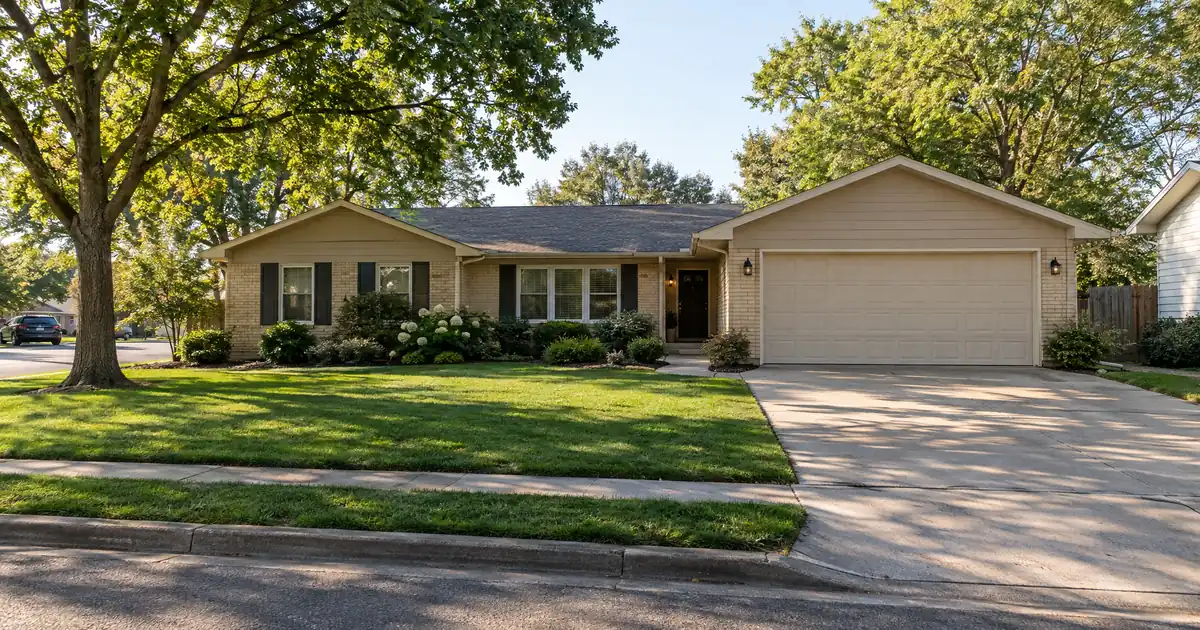
The Quick Read: These two options sit on different axes, so the real choice for a first rental is whether the property’s rent or your own deposits should carry the file, and that choice depends on your income pattern, your equity, and how the property will be used.
- A cash-out refinance describes the loan structure: a new, larger loan pays off the old one and returns the difference as cash.
- A bank statement loan describes how your income is documented: deposits from 12 months of statements, averaged into qualifying income.
- Property-qualified files (DSCR, or debt service coverage ratio, style) test the rent against the payment. Bank statement files test you.
- Investment cash-out tops out around 75% LTV through select lenders in Lendmire’s wholesale network. Owner-occupied cash-out can reach 80% LTV.
- Occupancy sorts most files before any math happens.
The rest of this piece is a fair referee’s walkthrough. Neither option wins every time.
DSCR Cash-Out Calculator
Run the cash-out numbers in your market
Rate source: Freddie Mac 30-yr average via FRED® — Federal Reserve Bank of St. Louis · effective Oct 8, 2026
Prefilled with starting assumptions — enter your property’s value, balance, taxes, and insurance for a more accurate picture.
Program parameters update from Lendmire’s centralized guideline source. Taxes and insurance are editable estimates.
As of Oct 8, 2026 · General Freddie Mac market benchmark, not a Lendmire loan offer. Property value, balance, taxes, and insurance are editable estimates. Maximum loan-to-value varies by lender, program, property type, and seasoning. Not a Loan Estimate, approval, or commitment to lend. Program availability and eligibility are subject to lender guidelines, credit approval, property review, and underwriting.
What “First Rental” Actually Means
The phrase covers two different situations, and the right tool changes between them.
Situation one: you are buying a rental and have no equity elsewhere. You need a purchase loan, so the cash-out question does not apply yet.
Situation two: you already own something with equity. That might be your home or a property you are converting into a rental. Now you can pull cash out of it. You could borrow against the rental itself, or against your home to buy the rental.
Many investors blur these together. That is how a self-employed buyer ends up comparing products that do not compete with each other.
Key Terms Defined
DSCR is the debt service coverage ratio. It divides monthly rent by the full monthly obligation: principal, interest, taxes, insurance, and any association dues.
LTV is loan-to-value, the loan balance as a percentage of the appraised value.
Non-QM means a mortgage that does not fit the standard government-backed box. HousingWire’s non-QM guide describes it as a toolbox of alternative-documentation paths. Bank statement loans serve self-employed borrowers, and DSCR loans serve investors.
Seasoning is the time a lender wants you to have owned a property, or held a loan, before it allows a refinance. It is lender policy, not law.
Reserves are liquid funds left in the bank after closing. Lenders count them in months of housing payments.
Business-purpose means the loan funds a business or investment activity, such as a rental, rather than personal living costs.
Side-by-Side
The table below shows how the two paths typically differ. The bank statement column reflects Lendmire’s network guidelines. The rental cash-out column reflects published industry norms for property-qualified loans. Every file is reviewed individually, and exact terms depend on the lender.
| Factor | Cash-Out on a Rental (DSCR-style) | Bank Statement Loan |
|---|---|---|
| Review basis | Rent versus the new payment | Deposit-based income versus debts |
| Core documents | Lease or rent schedule, appraisal | 12 months of statements, ownership proof |
| Property types | Non-owner-occupied rentals | Primary, second home, investment |
| Entity vesting | Often allowed by program | Varies; personal name is common |
| Leverage | Around 75% LTV, investment cash-out | Around 75% LTV, investment cash-out |
| Owner-occupied cash-out | Not applicable | Up to 80% LTV |
| Purchase leverage | Program-specific | Varies by lender on investments |
| Reserves | Program-specific, often several months | Commonly around 6 months |
| Timing factors | Seasoning and payoff terms | Lender program sheet |
| Loan sizes | Program-specific | Roughly $125,000 to $3,500,000 |
Two rows deserve a second look. The first is the leverage row. A bank statement loan does not raise your investment leverage, because the property and the equity still cap the loan. Income documentation changes who qualifies, not how much equity the lender will lend against.
The second is the occupancy row. It decides the product before any math begins.
How Each Path Qualifies You
Property-based qualification. A property-qualified loan is reviewed primarily on property-level rental income covering the payment, subject to lender guidelines. The appraisal sets value, and it usually supports a market-rent opinion. The lender divides recognized rent by the payment on the new loan.
A bigger cash-out lowers the coverage ratio. Pulling out more cash means a larger loan, and a larger loan means a larger payment against the same rent.
Picture a rental whose rent covers the old loan at a comfortable 1.3x. Take out a large chunk of equity, and the same rent might cover the new loan at only about 1.1x. That is a modeled illustration, not a market figure. The point is that the ratio and the equity both limit the loan, and whichever is tighter sets the size.
Some select lenders in the network will review files below 1.00 coverage. Leverage and terms typically adjust when they do.
Borrower-based qualification. A bank statement loan is reviewed on documented income under the applicable program, subject to lender guidelines. The lender totals eligible deposits across 12 months of business or personal statements. It strips out transfers, loan proceeds, and refunds. On business accounts it applies an expense factor, and each lender sets its own. Then it divides by the number of months and tests the result against your personal debts.
Here is the catch for a growing portfolio. Each new mortgage stacks against the same income base. Your fifth rental is tested against the same deposits as your first. A property-qualified file tests each rental on its own rent instead.
The property still gets appraised in both cases. Equity still limits the loan in both cases. Neither one skips underwriting.
When Investment Cash-Out Refinance Is the Better Fit
Cash-out on a rental fits when the property is carrying its own weight. Four situations point that way.
Your rent is strong and your income is messy. A self-employed investor with heavy write-offs and a well-leased duplex can let the rent do the talking. Deposits matter less because the property’s coverage ratio carries the file.
You plan to scale. Because each rental is tested on its own rent, adding the next one does not drain the same income pool. Trade press shows how big this lane is. Scotsman Guide reports that bank statement and DSCR are the two largest non-QM categories, with investor and DSCR activity running at about 31.5% of non-QM lock activity in the month it examined.
You want to hold title in an LLC. Entity vesting is a common feature of business-purpose rental loans, subject to lender program eligibility. Owner-occupied bank statement loans generally do not offer it. Keep one caution in mind: an LLC does not erase personal liability when you sign a personal guarantee.
You already own the rental and have equity in it. Cash-out on an investment property tops out around 75% LTV. That is the cash-out ceiling, and it applies to the rental regardless of how income is documented. Time on title matters here. Lenders set their own seasoning rules, and some will refinance sooner than others. Prepayment terms on the existing loan matter too. Final terms depend on lender guidelines, property type, leverage, and the borrower’s complete credit picture.
Cash-out has real limits. The word “cash-out” does not promise cash. Payoff of the old loan, closing costs, reserves, and any prepayment charge all come out first. The new payment also has to pass coverage.
If you want the full mechanics, Lendmire’s complete DSCR loans guide walks through coverage ratios, leverage, and property types.
When a Bank Statement Loan Is the Better Fit
A bank statement loan fits when you are the strong side of the file. Four situations point that way.
Your deposits are strong and the property is thin on rent. Maybe the unit is vacant, under renovation, or not yet leased. A property-qualified loan leans on rent, and a vacant first rental has none to show. Appraisal market rent can fill part of that gap, but a deposit-based file does not need the rent to carry the loan.
You are buying and have no equity elsewhere. Bank statement programs can finance a purchase. Investment purchase leverage on bank statement documentation varies by lender, so treat any number you hear as program-specific until a lender confirms it.
You want to borrow against your home to fund the rental. An owner-occupied bank statement cash-out on a primary residence or second home can reach up to 80% LTV, with a fixed expense ratio (75% with an accountant-prepared ratio). Do not confuse this with the purchase ceiling. Primary-residence purchase and rate-term loans can reach up to 90% LTV through select lenders, but a cash-out never gets that ceiling. Lendmire’s piece Bank Statement Refinance on a Home vs DSCR Cash-Out on a Rental covers that trade-off in detail. These specifics are subject to lender guidelines and a full review of property, leverage, and credit.
The rental was your primary residence. If you are moving out of your current home and renting it, an owner-occupied program may fit better than a pure investor loan. That path carries a different regulatory and tax track.
A bank statement file has drawbacks too. It needs deposit analysis, and large or irregular deposits need explanations. Commingled personal and business accounts slow things down. A thin deposit history can limit the income a lender will recognize.
One Rule That Decides the Disclosure Regime
Occupancy changes which consumer rules apply. An owner-occupied bank statement loan is a consumer mortgage, so consumer disclosure rules apply. A bank statement loan on a non-owner-occupied rental, including a short-term rental, is business-purpose and exempt from those disclosures.
Under Regulation Z, credit to acquire or maintain non-owner-occupied rental property is deemed business-purpose. The exception is owner occupancy: if you expect to occupy the property more than 14 days in the coming year, the special rule does not apply.
The same logic applies to cash-out proceeds. If the money is for personal use, the loan may fall outside the business-purpose exemption, whatever the property type. Consumer-purpose loans must meet a good-faith ability-to-repay standard. The CFPB’s ability-to-repay guide says that rule bans no particular loan feature or transaction type. Non-QM loans meet it through alternative income documentation.
Business-purpose loans carry fewer consumer disclosures, so read your paperwork closely. Tax treatment can depend on how the funds are used and how the property is held; investors should keep clear records and speak with a qualified tax professional before relying on any deduction.
Which Fits Which Profile?
Run through these sorting questions in order.
1. Will you live in the property more than 14 days a year? If yes, you are in owner-occupied territory, and a property-qualified investor loan is not the right tool.
2. Is the property leased, or about to be? Solid rent points toward property-based qualification. A vacant or heavily renovated unit points toward deposits.
3. Do you have equity somewhere? Equity in the rental itself means a rental cash-out. Equity in your home means a home cash-out, which the bank statement lane can fund.
4. Do you want LLC title? That usually pushes toward the property-qualified side.
5. How many rentals do you plan to add? More than a few favors per-property testing.
A self-employed investor often has a real choice. Compare which side of your file is stronger, your deposits or the rent coverage.
A Modeled Scenario
Run the numbers on this illustrative file. Every input below is a modeled assumption, not a market fact.
A self-employed contractor owns a home and wants to buy a first rental. Business deposits over 12 months are strong, but traditional personal-income documentation shows heavy write-offs. The target duplex is leased, and rent covers its full payment at roughly 1.2x.
Path one: a property-qualified purchase. Rent clears coverage, so the file can be reviewed on the duplex’s income, subject to lender guidelines. Entity title may be an option.
Path two: a bank statement cash-out on the contractor’s home, up to 80% LTV on an owner-occupied cash-out, with proceeds used toward the purchase. The contractor’s deposits qualify the file, and the new mortgage counts against personal debts. Because the proceeds are personal-property equity, this file is a consumer mortgage. Terms depend on the lender’s guidelines, the property type, the leverage, and a full review of the credit profile.
Both paths work on paper. Path one leaves the home mortgage untouched and keeps the rental self-contained. Path two uses home equity and ties the rental to personal income. Lendmire’s piece Bank Statement HELOC vs Cash-Out Refinance for a Landlord Adding a Rental works through that equity-funding question further.
Across the wholesale network, the strongest files in this situation usually pair a clean deposit history with well-organized documents. Lenders vary on expense factors, seasoning, and reserve treatment, so the same contractor can see different results from different programs. Comparing several lenders’ guidelines before choosing a path is where a broker earns the fee.
Documents to Have Ready
| Item | What It Proves | Common Snag |
|---|---|---|
| 12 months of bank statements | Deposit-based income | Transfers between own accounts |
| Proof of business ownership | You control the deposits | Missing ownership papers |
| Existing mortgage statement | Payoff on a refinance | Out-of-date balance |
| Lease or rent schedule | Rental income | No lease on a vacant unit |
| Insurance declarations | Property is covered | Gaps in coverage |
| Reserve statements | Cash after closing | Funds moved too recently |
An optional accountant-prepared expense letter can support a lower expense ratio on a business-account file. Not every lender uses one, so ask before you pay for it.
When Neither Fits
Skip both if a conventional loan works for you. Full-documentation conventional financing is usually the less complicated route for a W-2 earner with standard traditional personal-income documentation and a lower investment count. Lenders vary on how many financed properties they allow, and that limit pushes portfolio investors toward non-QM. Consider alternatives such as a home equity line, a portfolio lender, or short-term bridge financing if your property is not yet stable enough for either path.
If your equity is thin, your reserves are low, and the property needs major work, neither path may fit yet. Waiting a few months to season the property or build reserves can change the answer.
The Verdict
Choose property-based qualification when the rent is strong, you plan to scale, and you want entity title. Choose a bank statement loan when your deposits are the strongest part of your file, the property cannot yet prove its own income, or you are borrowing against a home you live in.
Neither option raises investment leverage beyond what the equity and the lender allow. Both require reserves, and both are underwritten file by file. The sharper question is which side of your file is stronger.
Lendmire is a broker, so it can place either path through select lenders in its wholesale network. Consumer mortgage licensing for owner-occupied files covers 16 states. Call 828-256-2183 or use the site’s illustrative calculator for a starting estimate. Qualification is subject to lender guidelines, and nothing here is a commitment to lend.
Frequently Asked Questions
Can a first-time investor qualify with no rental history?
Often yes, depending on the program and lender. On a property-qualified file, the appraisal can supply a market-rent opinion for a vacant or newly purchased unit. On a bank statement file, your deposits do the qualifying, so rental history matters less. Credit profile, reserves, and leverage still decide how a lender reviews the file.
Do I need to own a rental before I can do a cash-out?
You need equity in something you own. That could be the rental itself or your home. Cash-out on a rental often runs into seasoning rules, which are set by each lender, not by law. If the rental is brand new to you, borrowing against your home may be an option instead.
Is a bank statement loan really easier to get?
Not easier, just different. It is reviewed on documented income under the applicable program, subject to lender guidelines. Lenders still verify deposits against real statements and test your debts. HousingWire describes non-QM as alternative documentation, not a skipped step.
Should the loan be in my name or an LLC?
It depends on occupancy and the program. Owner-occupied bank statement loans are generally in your personal name. Investor loans on rentals can often be vested in an LLC, subject to program terms. An entity does not remove personal liability if you sign a guarantee.
Should I use personal or business bank statements?
Use whichever account actually receives your income. Business statements typically carry an expense factor, and personal statements may not. Lenders differ on which they prefer, so a broker can show you how different programs treat the same deposits.
Investors weighing their equity options can start with Lendmire’s guide to cash-out refinance on an investment property.
About Lendmire
Lendmire, NMLS# 2371349, is a non-QM mortgage broker serving real estate investors in 41 markets, including Washington, D.C., through DSCR investor loan programs. Qualification is generally reviewed around the subject property’s rental income, not the borrower’s W-2 history — a practical fit for LLC-titled portfolios and self-employed investors. All scenarios remain subject to lender review and program guidelines. Two consecutive Scotsman Guide Top Mortgage Workplace recognitions (2025, 2026).
Get Started
Ready to find the right loan for you?
In about 30 seconds you can review financing options available for your home or investment property. No commitment required.
Informational only. Not a Loan Estimate, approval, or commitment to lend. Program availability and eligibility are subject to lender guidelines, credit approval, property review, and underwriting.
References
1. HousingWire: Non-QM Loans Guide
2. Scotsman Guide: Non-QM Momentum Cools in January, Though Bank Statement Volumes Strengthen
4. CFPB Ability-to-Repay and Qualified Mortgage Compliance Guide
This article is part of Lendmire’s bank statement loan program — full qualification details, guidelines, and scenarios live on the program page.
Related reading: Conventional vs Bank Statement Cash-Out for a Low First Mortgage · Should a Low First Mortgage Owner Pick Bank Statement Over FHA Cash-Out? · VA Cash-Out vs Bank Statement Cash-Out With a Low First Mortgage
Brandon Miller
Founder & CEO, Mortgage Loan Originator, Lendmire LLC
- Mortgage Loan Originator · NMLS# 1129696 · Verify on NMLS Consumer Access
- North Carolina Real Estate Broker · License# 343312 · Verify on NCREC
- North Carolina Insurance Producer · License# 19053198 · Property, Casualty, Life, Health · Verify on NAIC SBS
- Lendmire LLC · Firm NMLS# 2371349 · Verify firm licensure
Compliance and disclosures. Lendmire (NMLS# 2371349) is a licensed mortgage broker and is not a direct lender, depository institution, financial advisor, or tax professional. Content in this article is general market analysis and educational information — not financial, legal, or tax advice for any specific situation. Lendmire does not guarantee loan approval; every transaction is subject to underwriting by the funding lender. Mortgage pricing and loan program guidelines are subject to change at any time without notice and vary by borrower characteristics, property type, and state regulations. Lendmire complies with Equal Housing Opportunity. Licensure verification: NMLS Consumer Access.