
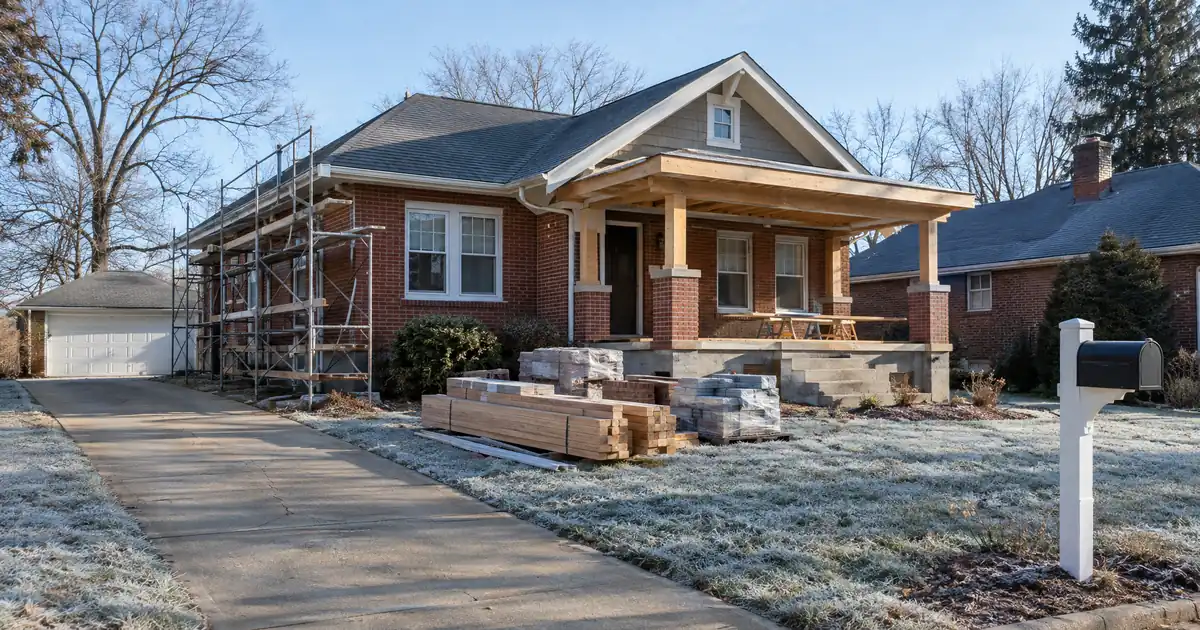
The Quick Read: The appraiser can only credit work that is finished, visible, and explained, so your job is to make the work easy to see and verify. Receipts are evidence, not a price tag. The appraiser sets value from comparable sales, not from what you spent. Build a dated improvement log, a photo set, and the contractor paperwork, then send it through your lender before the appraisal visit.
Key Takeaways
- Documentation feeds the appraiser’s opinion. It does not force a dollar-for-dollar credit.
- On a standard rate-and-term refinance, a finished rehab is valued as it stands on inspection day.
- FHA Streamline and VA IRRRL loans usually skip the appraisal, so rehab paperwork has nothing to influence there.
- Money to finish a rehab after closing needs a renovation product, not a plain refinance.
- Hand the packet to your loan officer or broker, not to the appraiser directly.
What Does “Credit” Actually Mean Here?
Credit means the appraiser sees the work, finds that buyers in your area would pay for it, and reflects it in the value. That is all. No formula converts invoices into dollars.
Refinance savings and break-even estimate
The starting figures are an example value with a balance in proportion and a placeholder for costs. Replace them with yours, and enter the current rate from your statement.
Editable benchmark: 7.40% as of October 15, 2026 · Freddie Mac 30-year average via FRED®. A conventional market reference, not a refinance quote.
Illustrative starting assumptions: a $350,000 home value, a $245,000 current balance, a current rate you enter and a remaining term seeded at twenty-five years, closing costs seeded at $5,000 as an editable placeholder (not a fee quote) and rolled into the new loan, a thirty-year term at the current Freddie Mac benchmark, and property taxes and insurance estimated at typical national rates. Every field is editable.
Illustrative estimate only — not a Loan Estimate, approval, quote, or commitment to lend. The new rate field carries the weekly Freddie Mac thirty-year conventional benchmark, a market reference and not a refinance quote; a refinance is priced by the lender at lock, and the current rate, the remaining term and the closing costs are figures you enter. The current payment is estimated from the balance, the current rate and the remaining term; the break-even divides the closing costs by the monthly saving and ignores the interest effect of a longer term. On the VA IRRRL the funding fee is added to the loan unless the veteran is exempt. Taxes and insurance are editable estimates. Licensed in sixteen states for consumer mortgages; Lendmire is a broker, never the lender.
Why care? The appraised value is the bottom half of your loan-to-value ratio (LTV, the loan balance divided by the home's value). A higher value can mean a lower LTV. That can matter on a refinance, since mortgage insurance applies above 80% LTV and cancels once you reach 80% of the original value, then ends automatically at 78%. Every figure here varies by lender and program — guidelines, property type, leverage, and credit profile all apply.
Across the wholesale programs Lendmire places files with, a rate-and-term refinance on a one-unit principal residence reaches 95% LTV. Every point of value the appraiser misses leaves you with less room under that ceiling. A missed bathroom remodel is not a small thing. Final terms depend on lender guidelines, property type, leverage, and the borrower's complete credit picture.
Does Your Loan Even Use an Appraisal?
Check this first, because it decides whether the rest of this article applies to you.
| Your loan | Appraisal? | Does rehab paperwork matter? |
|---|---|---|
| Conventional rate-and-term | Usually, but not always | Yes |
| Conventional cash-out | Yes | Yes |
| FHA Streamline | Generally no | No |
| VA IRRRL | Generally no VA appraisal | No |
| Financed renovation loan | Yes, "as completed" | Yes, plus plans |
The HUD Streamline page describes a refinance of an existing FHA loan that must show a net tangible benefit, and an appraisal is generally not part of it. The VA IRRRL works the same way for existing VA loans. Neither will raise your loan amount because you finished the basement. Don't spend a weekend on a binder for a file that never reaches an appraiser.
Some conventional refinances also skip the appraisal when the lender gets an automated value acceptance. In that case the lender may ask for a signed borrower statement confirming repairs are done. Your records still help you answer honestly.
If you are looking at a cash-out refinance, the appraisal sets the ceiling there too. Lendmire's piece Cash-Out Refinance for Homeowners: What the Appraisal Must Show covers that side. Conventional cash-out tops out at 80% LTV on a one-unit principal residence. These specifics are subject to lender guidelines and a full review of property, leverage, and credit.
Pick the Right Rehab Situation
Three situations look alike and get treated differently. Keep them separate.
1. Finished before the appraisal. The appraiser values the home as-is. This is the case this article is mostly about.
2. Financed into the loan, finished after closing. This takes a renovation product. The appraiser gives an "as-completed" value from your plans, and funds are held back until the work is done.
3. Repairs the appraiser requires. Safety, soundness, and structural problems generally must be fixed. A follow-up completion report confirms they were.
Here's the catch with a plain refinance: a limited cash-out loan pays off your existing mortgage and covers closing costs, with only incidental cash back. It cannot fund your remodel. If you want the lender to pay for work still to come, you need the renovation lane, and the loan officer should tell you that before you apply. For the program options and how they compare, see Lendmire's refinance programs.
How Does the Appraiser See Your Rehab?
The appraiser inspects the home on one day, photographs it, measures it, and compares it with recent nearby sales. Then the appraiser rates its condition and quality.
Condition ratings run from C1 to C6. Fannie Mae's appraiser guidance says the top ratings are judged against fixed definitions, not against the neighbors. It describes C2 as new construction or a remodel down to the studs within the past 36 months, with no deferred maintenance. C1 adds a 12-month age limit.
That is a high bar. New paint, new fixtures, and a refreshed kitchen are real improvements. They generally do not make a home C2. So your documentation should show scope: which systems, which finishes, which rooms, and when.
Fannie Mae's rules also tell the appraiser to address how improvements fit the neighborhood. Work that suits typical buyers in your area gets support. Work well beyond the area's norm may not be credited in full. Over-improving is a real risk. A marble-and-brass bathroom on a street of laminate does not earn marble-and-brass money.
One more point, and it comes from general appraisal practice, not a program rule. A dollar spent is not a dollar of value. Market evidence decides.
What Goes in the Evidence Packet?
Build it as you work, not the week before the appraisal. Contractors forget, photos get lost, and permits wait.
| Phase | Capture | Why it helps |
|---|---|---|
| Before demo | Wide and detail photos of every room | Shows starting condition |
| Rough-in | Framing, plumbing, wiring before drywall | Proves hidden work exists |
| Mid-project | Signed scope, change orders, invoices | Keeps the story consistent |
| Finish | Final photos, matching the "before" angles | Makes the change obvious |
| Closeout | Permits, final inspection sign-offs, warranties | Shows the work is complete and legal |
The one-page improvement log
This is the single most useful page. List each meaningful improvement with these fields:
- What was done (replaced furnace, new roof, remodeled primary bath).
- Completion date.
- Contractor or "owner-performed."
- Cost, rough is fine.
- Permit status and whether it closed out.
- Brand and install date for major systems or premium features.
Keep it factual. Leave out your opinion of the home's value and any asking-price talk. The appraiser forms the opinion, and a log that argues reads like a sales pitch.
The photo set
Shoot the same angles before and after, so the change speaks for itself. Add hidden-work shots (the new panel, the new pipes, the roof deck) because the appraiser cannot see behind finished walls. Keep the original files with their date stamps. Name them by room and phase, such as "kitchen-before-01."
Contractor and city paper
Collect the signed contract, change orders, final invoice, proof of payment, and permit sign-offs. Add certificates and warranties for roofs, windows, and systems. Lien waivers, which are contractor statements that they have been paid and will not claim a lien on the property, matter too. An unpaid contractor can slow the whole refinance at the title stage, long before an appraiser opens the packet.
If a permit never closed out, fix that first. Open or missing permits are worth discovering before the appraisal, not during it.
Which Work Earns Credit?
Think of three buckets.
| Type of work | Typical treatment | Evidence that helps |
|---|---|---|
| Visible, finished, fits the area | Most likely to be reflected | Photos, log, comps |
| Restores condition (repairs, deferred maintenance) | Removes a negative more than it adds | Invoices, inspection sign-off |
| Over-improved, unpermitted, or unfinished | Partial, uncertain, or none | Permits, plans, honest scope |
Safety and structural repairs sit in the middle row. Fixing a bad roof makes the home sound, but buyers expect a sound roof. The appraiser may treat minor deferred maintenance as-is and comment on its effect on value.
Hidden work is the hardest. A new electrical panel, a replumb, or an added room all take paper to prove. Unfinished work earns nothing, because the appraiser rates the home as it stands that day, not as you plan it to look.
How Does the Packet Reach the Appraiser?
Through your lender. Your loan officer or broker orders the appraisal and controls what is passed along. Contacting the appraiser yourself can look like pressure and can compromise the appraiser's independence.
So give the packet to your loan officer early, before the visit. Ask that it be forwarded with the order. Many appraisers also welcome a one-page log left on the counter during the visit. Ask your loan officer what that lender allows.
Be home or have the house ready too. Clear access to the furnace, water heater, attic, and electrical panel. Finish the small repairs. Appraisers notice peeling paint and a dripping faucet, and condition drives the rating.
A Worked Example: Same Rehab, Two Files
Picture two homeowners who each finish an identical kitchen and primary-bath remodel and replace the furnace. Both are refinancing a one-unit home they live in.
Homeowner A says nothing. The appraiser walks through, sees a nice kitchen, and notes a furnace of unknown age. The appraisal reflects what is visible.
Homeowner B sends a one-page log, before-and-after photos, a permit sign-off, and the furnace install date through the lender. The appraiser sees the full scope, confirms it in the house, and can describe it in the report.
Neither outcome is guaranteed. Comparable sales still decide. But Homeowner B gave the appraiser the best shot at getting it right. In a thin market with few renovated comps, even a perfect packet may not move the number much.
What If the Appraisal Still Misses the Work?
First, read the report. You are entitled to a copy of the appraisal, and the CFPB's rule on valuation copies explains how that works. Look for factual errors: a renovation left out, the wrong square footage, or comparables that ignore your upgrades.
If you find one, ask your lender about a reconsideration of value. That is a formal request for the appraiser to take another look. The FDIC's consumer guidance lists what to send: photos of interior and exterior updates, receipts for materials and labor, a list of similar homes sold in the prior 12 months, measurements, and a plat map. Specific and verifiable beats emotional every time. Lenders may or may not offer the process, and it does not promise a change.
A low value on a correct report is a different matter. Your options then are to refinance with less leverage, wait, or skip the refinance.
What About Reusing an Earlier Appraisal?
Some conventional programs allow an earlier appraisal to be reused on a later limited cash-out refinance, within age limits. Fannie Mae's Selling Guide on appraisal age and use sets those limits. Here is the trap: if you did a major rehab after that first appraisal, the old report may no longer fit. Ask your loan officer to confirm before you count on it.
Key Terms Defined
Improvement log: a one-page list of each upgrade with its date, contractor, cost, and permit status.
As-is value: the home's value in its current condition on inspection day.
As-completed value: a value based on plans for work not yet finished, used on renovation loans.
Contributory value: how much a specific upgrade adds to what buyers will pay, judged from comparable sales.
Condition rating (C1 to C6): the appraiser's scale for physical condition, where C1 is best.
Lien waiver: a contractor's signed statement that they were paid and will not claim a lien on the property.
Reconsideration of value: a lender-run request for the appraiser to review factual errors or new evidence.
Frequently Asked Questions
Does the appraiser have to credit my receipts?
No. Receipts show what you spent, and the appraiser values the home from market evidence. Receipts help most when they confirm the scope, quality, and date of work the appraiser can see in the house. Treat them as supporting proof.
Can I contact the appraiser directly?
Generally, no. Send the packet through your lender or broker, who controls the appraisal order. Direct contact can look like an attempt to sway the value. Ask your loan officer what the lender allows, including whether you can leave the log at the home during the visit.
What if the work is unpermitted or unfinished?
Unfinished work is valued as it stands, so it earns little. Unpermitted work may draw questions and can raise a lender's concerns. Fix open permits before the appraisal when you can. If you need money to finish, ask about a renovation loan rather than a plain refinance.
Do I need lien waivers and final invoices?
Yes, collect them. They protect you at the title stage, where an unpaid contractor can hold up a refinance. They also make your improvement log consistent with your paperwork, which reduces questions later.
Will an FHA Streamline or VA IRRRL recognize my upgrades?
Not in the loan amount. Both generally skip the appraisal, so there is nothing to credit. A lender may add its own appraisal requirement, so confirm it up front. Tax treatment can depend on your situation; borrowers should speak with a qualified tax professional before relying on any deduction or credit.
If you are weighing a refinance and want the break-even run on your own numbers, Lendmire can help you compare the programs on the same home. Program figures here are subject to lender guidelines and full file review, and nothing here is a commitment to lend.
For your own numbers, request a scenario review with Lendmire.
About Lendmire
As a mortgage broker (NMLS# 2371349), Lendmire helps homeowners and home buyers in 16 states with FHA, VA, conventional and jumbo purchase and refinance loans arranged through wholesale lenders. Lendmire is never the lender; program terms are set by the lender and the agency guidelines. Scotsman Guide named Lendmire a Top Mortgage Workplace in both 2025 and 2026.
Get Started
Ready to find the right loan for you?
In about 30 seconds you can review financing options available for your home or investment property. No commitment required.
Informational only. Not a Loan Estimate, approval, or commitment to lend. Program availability and eligibility are subject to lender guidelines, credit approval, property review, and underwriting.
References
2. Fannie Mae Appraiser Update on condition ratings
4. FDIC Consumer Resource Center: Understanding Appraisals
5. Fannie Mae Selling Guide B4-1.2-04: Appraisal Age and Use Requirements
This article is part of Lendmire’s Refinance series — every loan program’s qualification details, guidelines, and scenarios live on the loan options page.
Related reading: How to Prepare for a Cash-Out Refinance Appraisal That Comes in Low · How Debt-to-Income Is Measured on a Refinance Application · Cash-Out Refinance Recordation Costs for a D.C. Home
Brandon Miller
Founder & CEO, Mortgage Loan Originator, Lendmire LLC
- Mortgage Loan Originator · NMLS# 1129696 · Verify on NMLS Consumer Access
- North Carolina Real Estate Broker · License# 343312 · Verify on NCREC
- North Carolina Insurance Producer · License# 19053198 · Property, Casualty, Life, Health · Verify on NAIC SBS
- Lendmire LLC · Firm NMLS# 2371349 · Verify firm licensure
Required disclosures. Lendmire (NMLS# 2371349) operates as a licensed mortgage broker, not a direct lender or depository. The discussion in this article is general in nature and should not be relied upon as financial, legal, or tax advice — every investment scenario is unique and should be reviewed by a qualified professional. Any loan inquiry is subject to lender underwriting, and this article is not a commitment to lend or a guarantee of approval. Mortgage rates, loan terms, and program guidelines vary by borrower, property, and state, and may change without notice. Equal Housing Opportunity. Verify licensure at NMLS Consumer Access.