
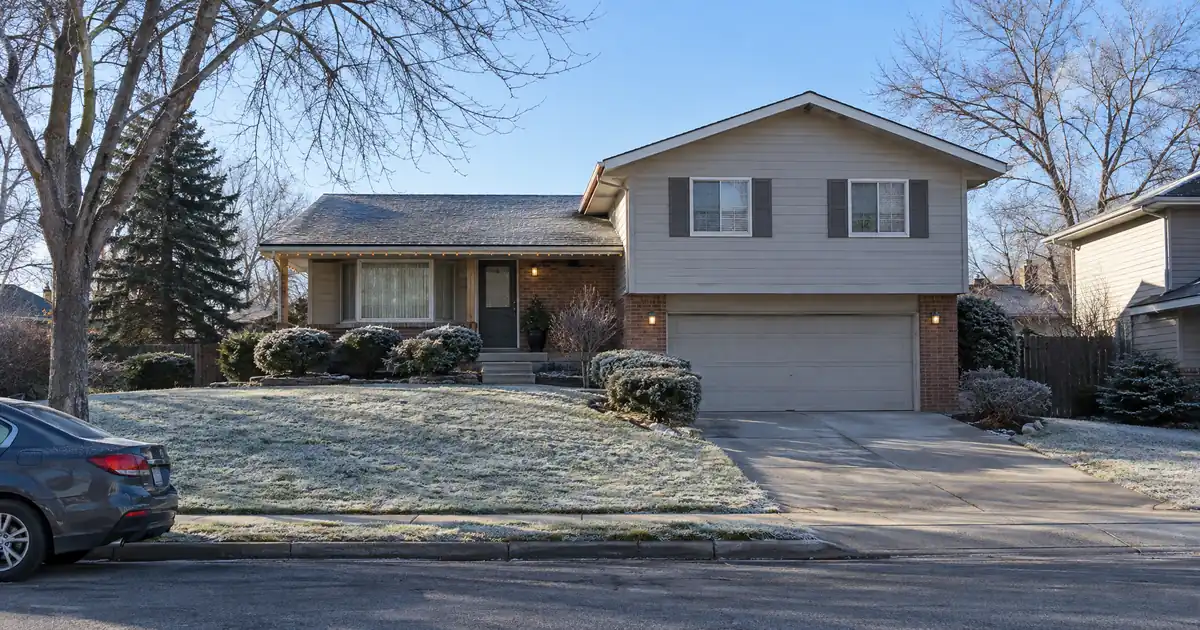
The Quick Read: Asset depletion qualifies a borrower on the size of their liquid assets, while the deposit-based alternative is reviewed on the pattern of money flowing into their accounts, so the better choice for a home you will live in or a rental you will hold depends on where your financial strength actually sits and how the property will be used. Both are alternative-documentation loans, and both are fully underwritten.
- Asset depletion fits asset-rich borrowers whose taxable income looks small next to their balance sheet.
- A bank statement loan fits self-employed borrowers whose deposits are steady and well documented.
- On a rental, a DSCR loan is a third lane that tests the property’s rent instead of your personal income.
- Occupancy decides the paperwork, because an owner-occupied file and a rental file are treated differently.
- Qualification on either product is subject to lender guidelines, credit, reserves, and property review.
Side-by-Side
The table below puts the two products next to each other. The asset depletion column reflects published industry norms, and the bank statement column reflects parameters from select lenders in Lendmire’s wholesale network. Every figure is typical rather than universal.
What your deposits qualify you for.
Alt-doc programs read 12 months of business or personal bank deposits instead of tax returns. Enter your average monthly deposits and see the income a lender would credit you.
The expense factor is set by the lender from your business type and profit-and-loss statement; it is not a number you choose. This widget quotes no rate and no payment.
Program parameters shown update from Lendmire’s centralized guideline source.
Estimate
Illustrative estimate only — not a quote, Loan Estimate, approval, or commitment to lend. Deposit average, expense factor, and housing ratio are editable assumptions; the expense factor a lender applies is set from your business type and documentation. No interest rate or monthly payment is quoted here. Purchase capacity is a simplified illustration and does not account for taxes, insurance, HOA dues, or other debts. Alt-doc income documentation is available on consumer mortgages in the states where Lendmire is licensed for consumer lending; actual terms vary by lender, borrower, and property.
| Factor | Asset Depletion | Bank Statement Loan |
|---|---|---|
| Review basis | Eligible liquid assets converted to monthly income | Average of qualifying monthly deposits |
| Documentation | Account statements, credit, debt, reserves | 12 months of business or personal statements |
| Home (primary) leverage | Up to about 80% LTV on a primary residence | Up to 90% LTV on a primary purchase or rate-term |
| Rental use | Program-dependent; varies by lender | Possible; investment purchase leverage varies by lender |
| Cash-out ceiling | Varies by lender | Up to 80% owner-occupied; about 75% investment |
| Entity vesting | Generally personal on owner-occupied files | Generally personal on owner-occupied files |
| Reserves | Commonly around 6 months of housing payment | Commonly around 6 months of housing payment |
| Where review concentrates | Asset seasoning, haircuts, divisor | Deposit sourcing, expense factor, DTI |
Loan sizes on the network side run roughly $125,000 to $3,500,000. Terms differ by lender program sheet, so term length should be confirmed file by file.
What Each Loan Actually Measures
A bank statement loan reads cash flow. The lender takes 12 months of statements, removes transfers and deposits it cannot tie to income, and averages what remains. On business statements, an expense factor reduces the deposits to a net figure. Accredited Real Estate Schools describes the same deposit-analysis basics for non-QM bank statement programs.
The expense factor is lender-specific, and no one should expect a universal formula. Across the wholesale network, the stronger files show deposits that are consistent, explainable, and mostly arriving from customers rather than from the borrower’s own accounts.
Asset depletion reads a stock of wealth. The lender counts eligible assets such as cash, brokerage accounts, and often retirement accounts, applies a haircut by asset class, subtracts what the transaction itself will use, and divides the remainder over a set period to produce a monthly figure. The borrower does not sell or pledge the assets. They simply demonstrate repayment capacity.
Three variables drive the result: which assets count, what is subtracted first, and the divisor. Two lenders can look at one balance sheet and reach very different qualifying incomes. That is why a borrower’s file is often shopped across several programs before it is placed.
Both products then feed a debt-to-income test. Your personal debts matter on either path, so each new financed property adds weight to the file.
When Asset Depletion Is the Better Fit
Asset depletion tends to win when the balance sheet is strong and the income stream is thin or irregular. Picture a founder who recently sold a company and holds most of the proceeds in brokerage and cash accounts. Deposits into their personal accounts may be lumpy or sparse, so a bank statement analysis would understate them. Asset depletion reads the same file as a strong one.
It also suits retirees and early retirees living off portfolios, and households between ventures. Select lenders in the network will go to about 80% LTV on a primary residence on this documentation. Terms depend on the lender’s guidelines, the property type, the leverage, and a full review of the credit profile.
The flip point is the down payment. Funds used for cash to close, closing costs, and reserves typically come out of the asset pool before the lender calculates income. A larger down payment can therefore shrink the very qualifying income you need. If the numbers get tight, a modest additional down payment may hurt more than it helps.
Asset depletion on a rental purchase is program-dependent. Some lenders allow it for second homes and investment property, while others restrict it to primary residences. On a rental, the more relevant question is often whether the property’s own income can carry the file instead.
When a Bank Statement Loan Is the Better Fit
For the self-employed borrower with healthy, steady deposits and a tax return that understates real cash flow, bank statement loans are usually the stronger fit. Think of a contractor, consultant, or small-business owner whose write-offs push taxable income down while deposits stay solid. This is also the product with the highest primary-residence ceiling in the network, up to 90% LTV on a purchase or rate-and-term refinance, with the top of that range reserved for stronger files.
On a cash-out, the ceilings step down. An owner-occupied primary or second home goes up to 80% LTV with a fixed expense ratio, or 75% with an accountant-prepared ratio, by loan size and credit. An investment property cash-out tops out around 75% LTV. Investment purchase leverage on bank statement documentation varies by lender.
The flip point here is deposit quality. Falling deposits, large unexplained transfers, or commingled personal and business accounts can weaken the file. If the account history is messy, an asset-based file or a property-income program may read better than the statements do. Lendmire’s piece RSU Income on a Bank Statement Loan vs Asset Depletion After Vesting covers a related case, where equity compensation arrives in lumps.
Home vs. Rental: Where Occupancy Changes the File
Occupancy decides which rules govern the file, and that often matters more than the documentation type. An owner-occupied file, whether a primary residence or second home, is a consumer mortgage, so TRID disclosures apply. A loan on a non-owner-occupied rental, including a short-term rental, is a business-purpose loan and is exempt from TRID.
The federal regulation that sets the exemption, Regulation Z, looks at the primary purpose of the credit, not just the collateral. The OCC’s Truth in Lending handbook likewise treats business-purpose credit as exempt. In practice, a rental purchase to be held as an investment sits in the business-purpose lane, while a consumer-purpose loan that merely happens to be secured by a rental does not automatically qualify. Occupancy intent should be stated honestly, since misrepresenting it is a serious problem on any file.
Entity vesting follows the same split. Bank statement and asset depletion loans on owner-occupied homes are generally titled personally. On a business-purpose rental, vesting in an LLC may be possible, subject to lender program eligibility, and most investor programs still ask for a personal guarantee.
Here is the practical map:
- A self-employed borrower buying a home to live in: Bank statements usually lead.
- An asset-rich borrower with little income buying a home: Asset depletion usually leads.
- Either borrower buying a rental: DSCR is the third lane. It tests the property’s rent against its full housing payment, with no personal-income question. Lendmire’s complete DSCR loans guide explains the mechanics.
Scale is the other reason rentals drift toward DSCR. Both personal-income products lean on your debt-to-income ratio, so every additional financed property consumes capacity.
Across the network, one pattern repeats. Borrowers who start with a bank statement or asset file on their own home often find the rental file reads cleaner on property income. They are not choosing a better loan so much as asking which side should carry the file, the borrower or the property.
Key Terms Defined
Asset depletion: A method that converts eligible liquid assets into qualifying monthly income by dividing them over a set period.
Bank statement loan: A mortgage that qualifies a borrower on average deposits from 12 months of statements instead of traditional personal-income documentation.
Expense factor: The percentage of business deposits a lender treats as operating cost before counting the remainder as income.
Haircut: A reduction applied to an asset’s value, usually larger for securities and retirement accounts than for cash.
DSCR: Debt service coverage ratio, the property’s monthly rent divided by its full monthly housing obligation.
A Balanced Verdict
Neither product is better in general. Asset depletion rewards a large, well-seasoned balance sheet with a thin income picture. A bank statement loan rewards steady deposits and the higher leverage ceiling on a primary home. A rental changes the question, because the property’s income can carry the file under DSCR, and DSCR also keeps your personal debt-to-income capacity free for the next purchase.
Where a borrower has both a portfolio and strong deposits, the file can sometimes be placed either way, and the network’s variation in haircuts and expense factors decides which reads stronger. Tax treatment can depend on how the funds are used and how the property is held; investors should keep clear records and speak with a qualified tax professional before relying on any deduction.
If you are self-employed or asset-rich and want to see how the numbers work, Lendmire can help you compare bank statement, asset depletion, and DSCR options based on your deposits, assets, the property, credit profile, leverage, and goals. Owner-occupied alt-doc files fall under Lendmire’s consumer mortgage lane, which covers 16 states. Reach the team at 828-256-2183 or request a quote.
Frequently Asked Questions
Can I buy a rental with asset depletion?
Sometimes, depending on the lender. Some programs allow asset depletion for second homes and investment property, and others limit it to a primary residence. Because the rental is business-purpose, many investors compare it against DSCR, which does not rely on your personal assets or income.
Does a bank statement loan work for a rental?
It can, depending on the lender. Bank statement documentation exists for investment occupancy, and an investment cash-out tops out around 75% LTV through select lenders. Leverage on an investment purchase varies by lender, so it should be confirmed before you plan your down payment.
Are these no-documentation loans?
No. Both qualify on documented income under the applicable program, subject to lender guidelines. Statements and account records are reviewed, deposits are sourced, and credit and reserves are verified.
Why can two lenders reach different answers on the same borrower?
Each lender sets its own haircuts, divisor, and expense factor. A balance sheet heavy in retirement accounts, or a business with high expenses, can look strong in one program and thin in another. That is why placing a file across several lenders matters.
Do I have to sell my assets to use asset depletion?
No. The assets are counted to show repayment capacity and are not liquidated or pledged. What you spend on the down payment, closing costs, and reserves does reduce the pool that counts.
About Lendmire
Lendmire, NMLS# 2371349, is a mortgage brokerage specializing in DSCR investor loans, helping arrange financing across 41 markets, including Washington, D.C., through wholesale and investor-lending channels. The model centers on property-level rental income reviewed by the lender rather than W-2 documentation, subject to lender guidelines, suiting entity-owned and multi-property investors. Lendmire holds Scotsman Guide Top Mortgage Workplace recognition for 2025 and 2026.
Get Started
Ready to find the right loan for you?
In about 30 seconds you can review financing options available for your home or investment property. No commitment required.
Informational only. Not a Loan Estimate, approval, or commitment to lend. Program availability and eligibility are subject to lender guidelines, credit approval, property review, and underwriting.
References
1. Accredited Real Estate Schools
2. CFPB, Regulation Z §1026.3, Exempt Transactions
3. OCC Comptroller’s Handbook, Truth in Lending Act
This article is part of Lendmire’s self-employed mortgage guides — full qualification details, guidelines, and scenarios live on the program page.
Related reading: Can a Bank Statement Loan Be Used for a Jumbo Mortgage? · Can You Get a Bank Statement Loan With 1099 Income Only? · Can You Get a Bank Statement Loan on a 2-4 Unit Home You Live In?
Brandon Miller
Founder & CEO, Mortgage Loan Originator, Lendmire LLC
- Mortgage Loan Originator · NMLS# 1129696 · Verify on NMLS Consumer Access
- North Carolina Real Estate Broker · License# 343312 · Verify on NCREC
- North Carolina Insurance Producer · License# 19053198 · Property, Casualty, Life, Health · Verify on NAIC SBS
- Lendmire LLC · Firm NMLS# 2371349 · Verify firm licensure
Compliance and disclosures. Lendmire (NMLS# 2371349) is a licensed mortgage broker and is not a direct lender, depository institution, financial advisor, or tax professional. Content in this article is general market analysis and educational information — not financial, legal, or tax advice for any specific situation. Lendmire does not guarantee loan approval; every transaction is subject to underwriting by the funding lender. Mortgage pricing and loan program guidelines are subject to change at any time without notice and vary by borrower characteristics, property type, and state regulations. Lendmire complies with Equal Housing Opportunity. Licensure verification: NMLS Consumer Access.