
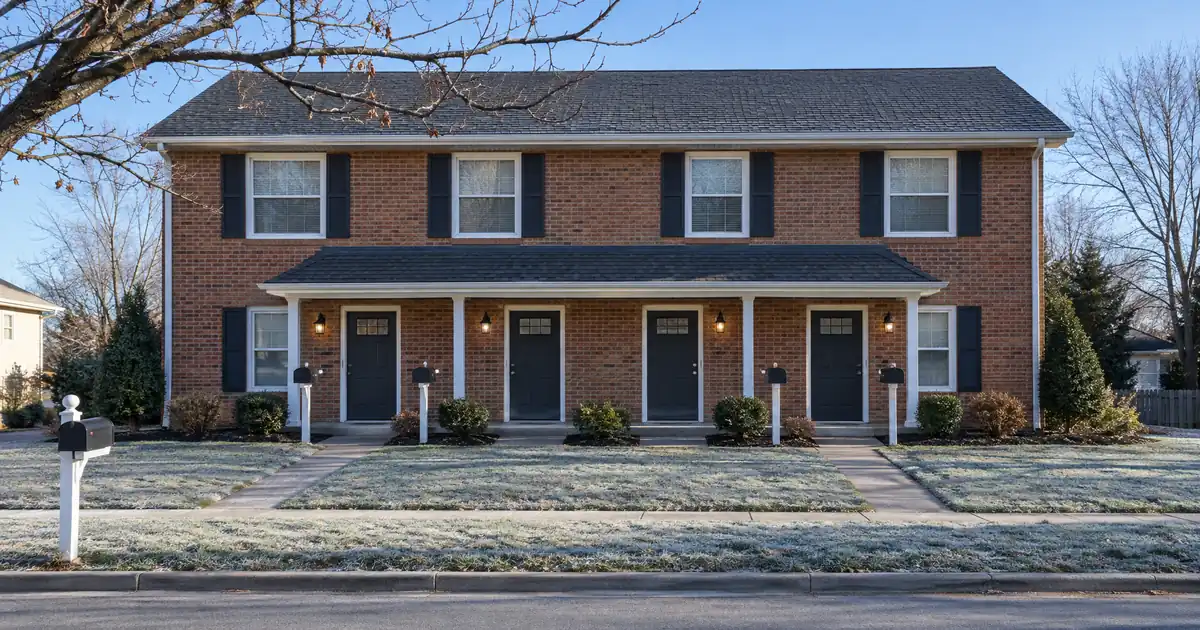
The Quick Read: Self-employed buyers finance a duplex, triplex, or fourplex one of two ways, and occupancy picks the path. Live in one unit, and a bank statement mortgage is reviewed around 12 months of deposits. Rent every unit, and a rental-income loan called a DSCR loan is reviewed for the building instead, subject to lender guidelines.
- A bank statement loan tests you. A DSCR loan tests the property.
- On a primary residence purchase, select lenders in Lendmire’s wholesale network go up to 90% LTV on bank statement files, and stronger files earn the top of that range.
- Loan sizes typically run from $125,000 to $3,500,000, with reserves commonly around 6 months of the housing payment.
- Occupancy also decides your paperwork. An owner-occupied file is a consumer mortgage. A true rental is a business-purpose loan.
- Pick the path before you shop. Switching after you have a contract is where files go wrong.
Self-employed income looks strange on paper. Write-offs shrink your taxable income, so the number on your return rarely matches the money moving through your accounts. Lenders that rely on traditional personal-income documentation see the smaller number. The alternatives below read the larger one, or skip your personal income and read the building.
What your deposits qualify you for.
Alt-doc programs read 12 months of business or personal bank deposits instead of tax returns. Enter your average monthly deposits and see the income a lender would credit you.
The expense factor is set by the lender from your business type and profit-and-loss statement; it is not a number you choose. This widget quotes no rate and no payment.
Program parameters shown update from Lendmire’s centralized guideline source.
Estimate
Illustrative estimate only — not a quote, Loan Estimate, approval, or commitment to lend. Deposit average, expense factor, and housing ratio are editable assumptions; the expense factor a lender applies is set from your business type and documentation. No interest rate or monthly payment is quoted here. Purchase capacity is a simplified illustration and does not account for taxes, insurance, HOA dues, or other debts. Alt-doc income documentation is available on consumer mortgages in the states where Lendmire is licensed for consumer lending; actual terms vary by lender, borrower, and property.
Three Loans Hiding Inside Three Questions
“Self-employed mortgage on a 2-4 unit” is really three different loans, and the one that fits depends on whether you live there. If you move into one unit, you need a loan that qualifies you personally. If tenants fill every unit, the property’s rent can carry the file.
Here is how the three paths sort out:
1. Live in one unit, qualify on deposits. This is the bank statement route. The lender averages 12 months of business or personal bank statements into qualifying income.
2. Rent every unit, qualify on the building. This is the DSCR route. The lender compares the rent to the payment and does not build the file around your personal income.
3. Rent every unit, but qualify on deposits. This is a bank statement loan on an investment 2-4 unit. It exists, but leverage varies by lender, and it ties every future purchase to your personal income and debts.
Path three is the odd one out. Investors who plan to buy more than one property usually find it boxes them in. The brokerage’s complete DSCR loans guide covers the rental-income side in full. This article stays focused on the self-employed buyer’s decision.
Key Terms Defined
Bank statement loan: A mortgage that is reviewed around average deposits over a set period of bank statements, instead of the net income on your traditional personal-income documentation.
Non-QM: A mortgage outside the standard “qualified mortgage” box. Non-QM still checks that you can repay the loan. It just documents your ability differently.
Expense factor: The percentage of business deposits a lender assumes goes to running the business. Only the remainder counts as your income. Each lender sets its own.
DSCR (debt service coverage ratio): Monthly rent divided by the property’s full monthly payment. A result of 1.00 means the rent equals the payment.
PITIA: Principal, interest, taxes, insurance, and any association dues. It is the full monthly cost of owning the property.
LTV (loan-to-value): The loan amount as a percentage of the property’s value. Lower LTV means more cash from you.
Reserves: Liquid money left in your accounts after closing, usually counted in months of the housing payment.
House hacking: Living in one unit of a multi-unit property and renting the others.
How Underwriting Reads a Self-Employed Borrower, Step by Step
Underwriting a bank statement file means turning deposits into income, then testing that income against the payment and your other debts. The steps below follow how most programs in the network handle it.
1. The lender pulls 12 months of statements. These can be business or personal accounts. Everything runs off these deposits.
2. Odd deposits come out. Transfers between your own accounts, one-time windfalls, and borrowed money generally do not count. Underwriters look for a steady pattern from a real source.
3. An expense factor trims business deposits. The lender may not count the full deposit amount and applies an expense ratio to what remains, as one educational explainer on non-QM lending illustrates. Across the network, that factor varies widely by lender and account type. Treat any single number you hear as one lender’s choice, not a rule.
4. The average becomes monthly income. That figure is what the lender uses to qualify you.
5. Income meets the payment. The lender compares your qualifying income to the full housing payment plus your other monthly debts.
6. Credit, reserves, and the appraisal finish the file. Reserves commonly land around 6 months of the housing payment. Credit score and loan size set how much leverage you earn.
Lenders in the network differ here, and that is the whole point of shopping the file. One may use a gentler expense factor on a clean business account. Another may want a longer record of self-employment. A third may handle a mixed personal-and-business account better. Same deposits, different qualifying income.
There is also a second documentation option for borrowers with more savings than steady deposits. Asset depletion is reviewed against liquid assets and reaches about 80% LTV on a primary residence. It suits someone whose income is lumpy but whose accounts are deep. Each figure is subject to lender guidelines and a complete review of property type, leverage, and credit.
Side by Side: Bank Statement vs. DSCR on a 2-4 Unit
The two paths test different things, hold title differently, and fit different goals. Use this table to see which one matches your plan.
| Factor | Bank statement loan | DSCR loan |
|---|---|---|
| Occupancy | You live in one unit | Tenants in every unit |
| What is tested | Your deposits and debts | The building’s rent vs. payment |
| Typical leverage | Up to 90% LTV, primary purchase | Varies by program and coverage |
| Title | Usually personal name | LLC possible, per program terms |
| Loan type | Consumer mortgage | Business-purpose loan |
| Scaling | Capped by personal debts | Judged property by property |
The last row matters more than it looks. Each bank statement purchase adds to the debts the next lender sees. A DSCR file does not pile up that way. That is why many investors use owner-occupied financing for the building they live in, then switch to DSCR for later rentals. Lendmire’s page on DSCR loans for self-employed real estate investors lays out that second step.
DSCR has its own tradeoffs. Many programs want coverage of at least 1.00x. Select lenders in the network also review sub-1.00 files, though LTV and terms adjust. The appraisal sets the rent the lender uses, and lenders generally lean toward the lower of the lease and the appraiser’s market rent. A building with weak rents does not get rescued by strong personal income, because personal income is not the test.
What Happens to the Rent From the Other Units
On an owner-occupied bank statement file, the rent from the units you do not live in may help your qualifying, or it may not. Programs differ. Some count a portion of the appraiser’s estimated rent. Others count none and make you carry the whole payment on your own deposits.
That single difference can change how much building you can buy. Ask the broker this question before you pick a property: how does this program treat rent from the other units? A fourplex that works under one program can miss under another. Same borrower, same building.
Picture a self-employed electrician with solid deposits and a duplex in view. Under a program that counts none of the second unit’s rent, he is reviewed on deposits alone. Under a program that counts part of it, his ratio improves and a larger building may pencil. The properties did not change. The program did.
The Full-Doc and FHA Contrast
Full-documentation loans want about two years of traditional personal-income documentation and a stable history in the same or a closely related field. For a self-employed buyer, the issue is that your returns show income after write-offs. A bank statement loan exists mostly to solve that.
FHA adds a hurdle on bigger buildings. HUD’s reference guide says a 3-4 unit purchase has to pass a self-sufficiency test. Net rental income, built from the appraiser’s fair-market rent on all units, including yours, less vacancy and related factors, must at least cover the projected payment. The same page calls for three months of verified reserves after closing, and those reserves cannot come from a gift. HUD also says rental income may not be used as a direct offset to the mortgage payment. Lendmire’s piece FHA Cash-Out Self-Sufficiency Requirements on a 2-4 Unit Primary Home goes deeper if that is your route. If you are a veteran, a VA loan is a separate path worth weighing.
Where the General Rule Breaks
The occupancy split works until your situation sits on the line. These are the edge cases that trip people up.
You want to live in one unit and use DSCR. Don’t. DSCR programs are built for non-owner-occupied property. Expect zero owner occupancy across every unit. If you plan to live in the building, you need an owner-occupied loan. The bank statement route exists for exactly this.
The 14-day trap. Rental property that you do not occupy is treated as business-purpose, but that treatment changes if you expect to use the property personally more than 14 days in the coming year, per Regulation Z’s business-purpose rules. Classification turns on actual use, not on what the paperwork says. Claiming a rental while planning to move in later is an occupancy misrepresentation. It is an eligibility issue, not a clever strategy.
Disclosure follows occupancy. DSCR loans are designed for non-owner-occupied investment properties. Because they are business-purpose investor loans, they are reviewed differently from a standard owner-occupied mortgage. An owner-occupied bank statement purchase is a consumer mortgage, so TRID disclosures apply. A bank statement loan on a non-owner-occupied rental, including a short-term rental, is business-purpose and exempt from TRID. Know which one your file is. Never mix them.
You are newly self-employed. Moving from a W-2 job into your own business in the same field is often workable. But lenders look at how long the business has operated, and the required track record varies by program. Starting a business in an unrelated field is harder. The 12 months of statements must show a real pattern, so a business with two big deposits and silence otherwise reads poorly.
Title. Bank statement loans usually require personal title. DSCR loans commonly allow an LLC, subject to lender program eligibility. If asset protection drives your plan, that difference may push you toward DSCR for rentals.
Five or more units. A fifth unit moves the property out of residential 2-4 unit lending and into commercial or small-balance multifamily territory. The appraisal changes too. A 2-4 unit uses the small residential income property form, known as Form 1025, which carries the rent data. Don’t plan a five-unit purchase around a residential program.
The Buying Path, From Preapproval to Keys
The sequence matters more than any single number. Follow this order and you avoid most surprises.
1. Decide occupancy first. Will you live in one unit? Everything else follows from that answer.
2. Tell the broker the unit count on day one. A duplex and a fourplex carry different requirements. Don’t let a preapproval assume one when you are shopping the other.
3. Pull your documents. Gather the items in the checklist below before you make offers.
4. Get a preapproval that names the program. A vague approval letter does not tell a listing agent much, and it does not tell you which structure you are on.
5. Choose the building with the loan in mind. Check for legally separate units, working utilities per unit, and rent comps that support the numbers.
6. Go through appraisal. The appraiser values the building and estimates market rent on Form 1025. If the appraisal comes in low, your leverage math changes. If the rent estimate is low, your income picture may too.
7. Close and set up the landlord side. Budget for vacancy and repairs from day one. A fourplex with one empty unit feels very different than a spreadsheet suggested.
Keep your 12 months of statements clean while you search. Large unexplained transfers and fresh debt both create questions you do not need.
Document Checklist for a Self-Employed Buyer
- 12 months of business or personal bank statements
- Government ID and the signed purchase contract
- Business documents showing how long you have operated
- Proof of reserves after closing (about 6 months of the housing payment is common)
- Credit authorization
- For a DSCR file, the entity documents and the lease or rent information on the units
Mistakes That Derail Self-Employed 2-4 Unit Files
Most stalled files fail for one of a few reasons. Each is avoidable.
- Choosing the property before the program. The building has to fit the loan, not the other way around.
- Mixing accounts. Personal spending running through a business account muddies the deposit pattern.
- Assuming rent offsets everything. Programs treat rental income differently, and some count none of it.
- Declaring the wrong occupancy. Occupancy drives the loan type, the disclosures, and the rules. Misstating it creates real trouble.
- Ignoring reserves. Many borrowers plan the down payment and forget the cash that must remain afterward.
- Forgetting the next purchase. A bank statement loan today shapes your debt picture tomorrow.
Tax treatment can depend on how the funds are used and how the property is held; investors should keep clear records and speak with a qualified tax professional before relying on any deduction.
Which Path Fits Which Buyer
This is a genuine judgment call, and reasonable investors land differently. The stronger play for a first-time buyer with deep deposits is often the owner-occupied bank statement loan on a duplex or triplex: more leverage, and you live in the asset. The stronger play for someone who already owns a home and wants cash flow is a DSCR purchase, because the file stands on the building.
A few patterns hold across files:
- Strong deposits, thin rent: a bank statement loan on an owner-occupied building often works.
- Strong rent, thin or messy personal income: a DSCR loan tends to fit, subject to lender guidelines.
- Planning several purchases: start owner-occupied on the building you live in, then use DSCR for later rentals.
- Future equity plans: an owner-occupied bank statement cash-out reaches up to 80% LTV on a primary residence or second home, with a fixed expense ratio (75% with an accountant-prepared ratio). Investment-property cash-out tops out around 75% LTV. Those are cash-out ceilings, not purchase figures.
Picture a self-employed landscaper who buys a triplex, lives in one unit, and rents the other two. A year later she wants a fourplex as a pure rental. Her personal debt already carries the triplex, so she runs the second purchase on rent coverage instead. The sequence uses each loan where it works best.
Ready to Run Your Own Numbers?
Lendmire’s consumer mortgage licensing covers 16 states, so availability depends on where the property sits. Reach the team at 828-256-2183. Every file is underwritten individually by the lender, and nothing here is a commitment to lend.
Frequently Asked Questions
Can I use a bank statement loan to buy a fourplex I will live in?
Often, yes, subject to lender guidelines. You occupy one unit, and the file is reviewed on documented income under the applicable program. Lender overlays on unit count can lower the leverage you see on a primary residence, so confirm the unit count up front. Rent from the other units may help or may not, depending on the program.
How many months of bank statements do I need?
The programs described here use 12 months, from business or personal accounts. The lender averages deposits, removes transfers and one-time items, and applies an expense factor to business deposits. The factor is lender-set, so the same statements can produce different qualifying income at different lenders.
Does rental income from the other units count toward my qualifying?
It depends on the program. Some count a share of the appraiser’s market rent from the units you don’t occupy. Others count none. Ask before you choose a property, because the answer can change how large a building you can buy.
Can I buy a 2-4 unit with a DSCR loan and move in later?
No. DSCR is built for non-owner-occupied property, and classification follows actual use rather than what the documents say. If you expect to occupy the property, you need an owner-occupied loan. Planning to move in after closing creates an occupancy problem for the file.
What reserves do I need?
Reserves commonly run around 6 months of the housing payment on bank statement files, though lenders set their own. Reserves are the cash left after closing, so plan for them alongside your down payment. FHA 3-4 unit purchases carry their own reserve rule, discussed above.
For current guidelines and terms, see Lendmire’s DSCR loan programs page.
About Lendmire
A DSCR-focused mortgage broker, Lendmire (NMLS# 2371349) places investor financing across 41 markets — 40 states plus Washington, D.C. — with DSCR eligibility generally reviewed by the lender on property cash flow instead of tax returns, subject to lender guidelines. Scotsman Guide named Lendmire a Top Mortgage Workplace in 2025 and 2026.
Get Started
Ready to find the right loan for you?
In about 30 seconds you can review financing options available for your home or investment property. No commitment required.
Informational only. Not a Loan Estimate, approval, or commitment to lend. Program availability and eligibility are subject to lender guidelines, credit approval, property review, and underwriting.
References
1. accreditedschools.com: Non QM Loans Explained Bank Statement DSCR and Asset Based Loans
2. HUD, Rental Income reference guide, p. 2-10
3. CFPB, Regulation Z § 1026.3 Exempt transactions
This article is part of Lendmire’s bank statement loan program — full qualification details, guidelines, and scenarios live on the program page.
Related reading: How to Get a Mortgage When You’re Self-Employed in 2026 · Self-Employed Mortgage With Tax Returns vs Bank Statements · FHA vs Conventional for a Self-Employed Buyer
Brandon Miller
Founder & CEO, Mortgage Loan Originator, Lendmire LLC
- Mortgage Loan Originator · NMLS# 1129696 · Verify on NMLS Consumer Access
- North Carolina Real Estate Broker · License# 343312 · Verify on NCREC
- North Carolina Insurance Producer · License# 19053198 · Property, Casualty, Life, Health · Verify on NAIC SBS
- Lendmire LLC · Firm NMLS# 2371349 · Verify firm licensure
Important disclosures. Lendmire (NMLS# 2371349) is a licensed mortgage brokerage. Lendmire is not a direct lender, depository institution, or financial advisor. All loan inquiries are subject to lender underwriting; this article does not constitute a commitment to lend. Rates, terms, and program guidelines are subject to change without notice and vary by borrower profile, property type, and state. Information in this article is general in nature and is not financial, legal, or tax advice. Equal Housing Opportunity. NMLS Consumer Access: nmlsconsumeraccess.org.