
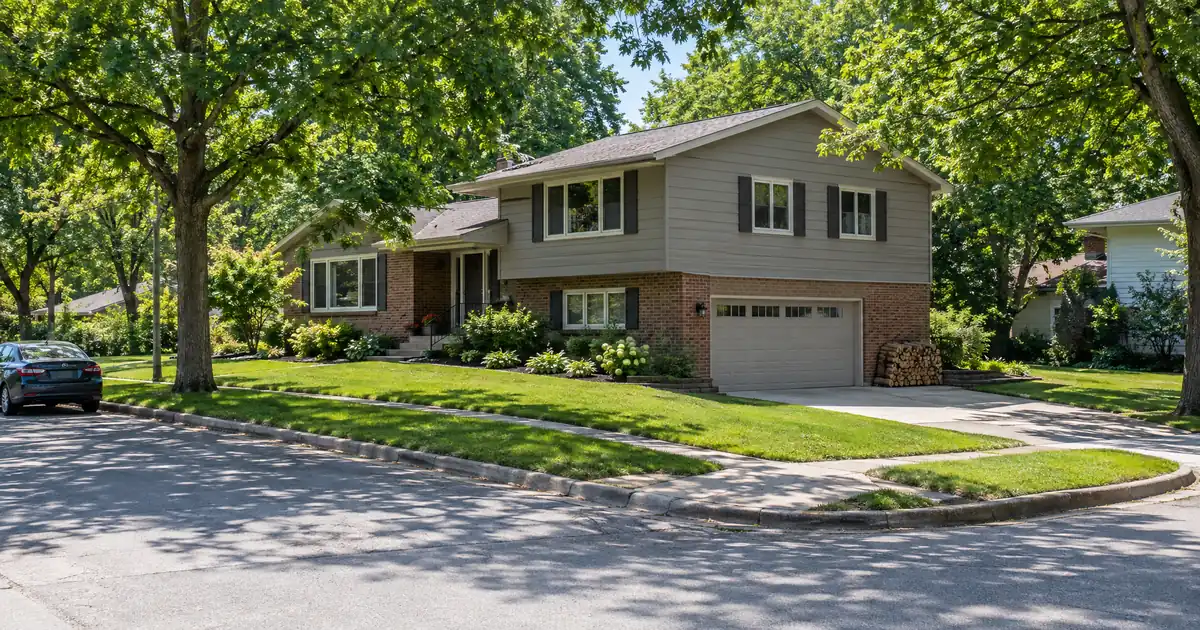
The Quick Read: Portfolio means a bank keeps your loan after closing, and brokered means a broker places your file with an outside lender. The real choice is between one bank’s judgment and many lenders’ published guidelines. The right answer depends on your deposits, your property, and how standard your file looks.
- “Bank statement” describes how your income is documented. “Portfolio” describes who holds the loan. “Brokered” describes how the file is delivered.
- A single loan can be any mix of the three, so compare lenders on what actually gets underwritten.
- A portfolio bank can bend rules for unusual files or existing customers, but you get one bank’s answer.
- A broker can re-shop one file across many lenders, so a no from one source does not end the search.
- If your personal income is hard to document but the rental cash flows, a DSCR loan may fit better than either path.
Key Terms Defined
Portfolio loan: a mortgage the lender creates and keeps on its own books instead of selling it, so the lender writes its own terms.
Brokered loan: a loan where a mortgage broker takes one application and matches it to outside lenders, who each apply their own guidelines.
Bank statement loan: a mortgage that is reviewed around documented income taken from 12 months of business or personal bank statements instead of traditional personal-income documentation.
Expense factor: the percentage a lender subtracts from business deposits to estimate what the business spends before you take income home.
LTV (loan-to-value): the loan amount divided by the property’s value.
Reserves: liquid savings, usually counted in months of housing payments, that you hold after closing.
DSCR loan: an investor loan that qualifies primarily on property-level rental income covering the payment, subject to lender guidelines.
What your deposits qualify you for.
Alt-doc programs read 12 months of business or personal bank deposits instead of tax returns. Enter your average monthly deposits and see the income a lender would credit you.
The expense factor is set by the lender from your business type and profit-and-loss statement; it is not a number you choose. This widget quotes no rate and no payment.
Program parameters shown update from Lendmire’s centralized guideline source.
Estimate
Illustrative estimate only — not a quote, Loan Estimate, approval, or commitment to lend. Deposit average, expense factor, and housing ratio are editable assumptions; the expense factor a lender applies is set from your business type and documentation. No interest rate or monthly payment is quoted here. Purchase capacity is a simplified illustration and does not account for taxes, insurance, HOA dues, or other debts. Alt-doc income documentation is available on consumer mortgages in the states where Lendmire is licensed for consumer lending; actual terms vary by lender, borrower, and property.
Why These Two Labels Are Not Rivals
Most people treat the question as bank versus broker. That framing hides the real structure. Three separate questions sit inside it:
1. How is income documented? Bank statements, traditional personal-income documentation, or assets.
2. Who keeps the loan after closing? The originating bank, or an investor who buys it.
3. Who delivers the file? You, directly to a lender, or a broker on your behalf.
A bank can hold a statement-documented loan on its own books. A wholesale lender can fund a statement loan and sell it to an investor. A portfolio loan can also be full-documentation or asset-based, depending on the bank. So one rental cash-out can be statement-documented and portfolio-held, either one, or neither.
Many banks that do not call themselves portfolio lenders still keep certain loans through relationship or private-banking groups. Local does not always mean portfolio, and portfolio does not always mean local.
How Underwriting Treats a Bank Statement File
The method is similar across most programs we place files with. Each lender sets its own details, and no universal formula exists.
1. Statement review. The lender reads 12 months of statements, business or personal, depending on how you earn.
2. Deposit filtering. It totals deposits that count as income and removes the rest, such as transfers between your own accounts, loan proceeds, and refunds.
3. Expense factor. On business accounts, the lender subtracts a percentage for business costs. The lender sets it based on business type and, on some programs, an accountant-prepared ratio. You do not choose it, and no one should promise you a specific one.
4. Averaging. The result becomes one monthly qualifying-income figure, which feeds the debt-to-income calculation.
Alternate lookback periods exist, and Lendmire’s piece How Lenders Choose Between Statement Periods on a Bank Statement Loan covers when a different window helps.
The file’s outcome usually turns on a handful of items: whether deposits are business or personal, how the expense factor lands, your ownership share in the business, unexplained transfers, reserves, and property type. Occupancy matters too, because it decides the paperwork regime. We cover that below.
A portfolio bank runs these steps through its own credit review. A brokered file goes through an investor’s rule-based guidelines instead. The method is the same, but who applies it and how strictly can differ a lot.
Portfolio Bank vs. Brokered Placement
The table sorts the practical differences. Cells stay qualitative because terms depend on the individual lender.
| Factor | Portfolio bank | Brokered placement |
|---|---|---|
| Underwriting options | One bank’s view | Several lenders’ guidelines |
| Rule style | Credit-committee judgment | Published, rules-based |
| Unusual files | Often more room | Depends on the lender menu |
| Relationship ask | Deposits or accounts possible | Usually none |
| Compensation | Built into bank pricing | Paid by lender or borrower, disclosed |
| After closing | Bank may keep servicing | Loan may be sold or transferred |
| Main risk | One bank’s appetite shifts | Extra layer between you and lender |
Outcomes depend on the individual bank. Some are flexible and some are narrow and cautious. Portfolio does not mean no rules. It means the lender wrote the rules.
When a Portfolio Bank Is the Better Fit
A portfolio bank earns a serious look in these situations:
- You already hold meaningful deposits or business accounts there, and the bank values the relationship.
- The property does not fit a standard box. Examples are mixed use, unusual layouts, or thin comparable sales.
- Your finances are unusual but strong, and a loan officer who knows you can explain context a rulebook cannot.
- You want a single point of contact who also services the loan.
Many portfolio loans carry adjustable features, and banks may ask for a personal guarantee or ongoing relationship business. Weigh those terms as carefully as the approval.
When a Brokered Route Is the Better Fit
Brokered placement tends to win in these cases:
- You have no banking relationship worth leveraging, and you simply need the best match for your documentation.
- Your file is standard for alt-doc but too thin or too unusual for one bank’s box.
- A bank already said no, and you want the same file reviewed under different guidelines.
- You plan to buy more than once. Each new loan then depends on the market, not one bank’s appetite.
A broker sees many lenders’ guidelines at once, which is the practical advantage. Some lenders in the network allow a lower expense factor with an accountant-prepared ratio. Others have stricter overlays on self-owned business deposits or recent business changes. A broker’s job is to match those differences to your file before you apply.
The tradeoff is real. A broker adds a layer, and the loan is often sold to an investor, so the servicer may not be the lender you applied to. Ask who services the loan before you commit.
A Decision Flow
Run through these questions in order.
1. Does your income show clearly on statements? If personal income is hard to document but the rental itself cash flows, price a DSCR loan too. It measures the property instead of you. Lendmire’s piece DSCR Loan Vs Bank Statement Loan For Investors walks through that choice.
2. Do you have a deep deposit relationship with a bank that holds loans? If yes, ask that bank first, then compare it against a brokered quote.
3. Is the property unusual? If so, a portfolio bank may flex where a rulebook will not. Ask a broker whether any lenders on the menu take that property type.
4. Has any lender declined the file? Move to brokered. A single no tells you about one lender’s guidelines, not your file.
5. Do you plan to keep borrowing? Favor the route that can be re-shopped.
If two answers point in opposite directions, get both quotes and compare the full terms side by side.
Worked Scenarios
These are hypothetical profiles built from common file patterns.
The seasonal sole proprietor. A landscaper has large deposits for part of the year and thin ones the rest. A 12-month average smooths that out. The expense factor does most of the work here, so this borrower benefits from seeing several lenders’ treatment before applying. Brokered usually fits.
The long-time depositor. A restaurant owner has banked at one regional institution for years, with substantial balances. A portfolio conversation there could go well, since the bank knows the business. Getting a brokered quote as a benchmark still makes sense.
The multi-property investor. An investor with several rentals wants cash-out on one of them. Investment cash-out tops out around 75% LTV on most programs. Personal income is messy, but the rents are strong. A DSCR file may beat either bank statement route, so compare all three.
The declined borrower. A consultant was turned down by a bank over a recent change in business structure. Another lender’s guidelines may treat that change differently. Brokered re-shopping is the practical next step.
Leverage Ranges and Loan Size
These are typical ranges from select lenders in Lendmire’s wholesale network. They are not commitments, and every file is underwritten individually.
- Primary residence purchase or rate-term refinance: up to 90% LTV, with the top of the range going to stronger files.
- Asset-depletion alternative on a primary residence: up to about 80% LTV, qualifying from liquid assets.
- Owner-occupied cash-out (primary or second home): up to 80% LTV with a fixed expense ratio, or 75% with an accountant-prepared ratio. Loan size and credit both matter.
- Investment-property cash-out: tops out around 75% LTV.
- Investment-property purchase on statement documentation: varies by lender. Investor-focused leverage guidance belongs on the DSCR side.
- Loan amounts: roughly $125,000 to $3,500,000, with reserves commonly around 6 months of the housing payment.
Portfolio banks publish no standard leverage or reserve figures, so ask each one directly. Term length also follows each lender’s program sheet. Extended structures like 40-year and interest-only terms are mostly DSCR-side features, so do not assume a bank statement loan offers them.
Tax treatment can depend on how the funds are used and how the property is held; investors should keep clear records and speak with a qualified tax professional before relying on any deduction.
Where the General Rule Breaks
Occupancy decides the disclosure regime. A bank statement loan on a non-owner-occupied rental, including a short-term rental, is a business-purpose investor loan, so it is reviewed differently from a standard owner-occupied mortgage. The CFPB’s rule on exempt transactions and the eCFR text set the occupancy and unit-count tests. An owner-occupied file, meaning a primary residence or second home, is a consumer mortgage and carries standard consumer disclosures. The two regimes should never be mixed up. This applies whether the loan is portfolio or brokered.
“Portfolio” can mean something else. In the holding sense, it means a lender keeps your loan. A blanket loan, which covers several properties under one note, is a different thing. So is a rental-portfolio loan that uses multiple rentals as collateral. If someone offers a portfolio loan, ask which meaning they intend.
“Portfolio” does not mean weak credit. It is a customization tool. It suits unusual finances or unusual properties, and it is not only for borrowers lenders turned away.
“Non-QM” does not mean no verification. The lender still reads your statements and strips out items that are not income. A bank statement loan is reviewed on documented income under the applicable program, subject to lender guidelines.
Questions to Ask Before You Commit
To a portfolio bank:
- Will you hold this loan, or sell it after closing?
- What deposit or relationship expectations come with it?
- Is the rate type fixed or adjustable, and is there a prepayment penalty?
- How do you treat the expense factor on my business?
To a broker:
- Which lenders do you place files with for my property type?
- How are you paid, and where does it appear on the disclosures?
- Who will service the loan?
- What happens to my file if the first lender changes its guidelines?
Costs and Red Flags
A broker is paid either by the lender or by the borrower, and that compensation is disclosed. Banks build their costs into the loan’s pricing instead. Whichever route you take, compare the full terms: points, fees, prepayment structure, reserves, and how the lender handles your expense factor.
Watch for these warning signs:
- A lender that cannot say whether it holds or sells the loan.
- Vague answers on fees, or pressure to skip comparing offers.
- A promise of a specific expense factor before reviewing your statements.
- A flat claim that nothing is documented. Every legitimate program still verifies deposits.
Frequently Asked Questions
Is a bank statement loan always a portfolio loan?
No. Statement documentation describes how income is verified. Many statement loans are funded by wholesale lenders and sold to investors, so they are not held by the originating bank. Others are kept by a bank on its own books.
Can a broker place a portfolio loan?
Sometimes. Brokers work with a mix of lenders, and some of those lenders keep certain loans. The key question is who holds and services the loan, so ask the broker to say so plainly before you apply.
Do brokers cost more than going directly to a bank?
Not automatically. A broker is paid by the lender or by the borrower, and the compensation is disclosed on the Loan Estimate for owner-occupied files. Compare the full terms from each source, including points, fees, and prepayment structure, instead of judging by channel.
Can I switch paths after I start?
Yes, before you lock into a specific lender’s terms. A declined or unattractive bank offer does not stop you from asking a broker to review the same documents. Keep your statements organized so the file can move.
Do big banks offer these loans?
Some large retail lenders keep a small number of relationship-based programs, but most statement-based lending sits with specialists, regional institutions, and wholesale lenders. Availability varies, so ask directly instead of assuming.
Next Step
Owner-occupied bank statement files are available in the 16 states where Lendmire holds consumer mortgage licensing. Anything beyond that is a different program, so ask which one applies to your property. For the broader investor-loan picture, see Lendmire’s complete DSCR loans guide.
About Lendmire
Lendmire is a non-QM mortgage brokerage (NMLS# 2371349) arranging DSCR investor loans in 41 markets, including Washington, D.C. DSCR eligibility is generally reviewed around property-level rental income rather than personal income, subject to lender and program guidelines, a fit for self-employed investors and LLC-owned portfolios. Lendmire was recognized as a Scotsman Guide Top Mortgage Workplace in 2025 and 2026.
Get Started
Ready to find the right loan for you?
In about 30 seconds you can review financing options available for your home or investment property. No commitment required.
Informational only. Not a Loan Estimate, approval, or commitment to lend. Program availability and eligibility are subject to lender guidelines, credit approval, property review, and underwriting.
References
1. CFPB – 12 CFR 1026.3 Exempt transactions
This article is part of Lendmire’s bank statement loan program — full qualification details, guidelines, and scenarios live on the program page.
Related reading: In an LLC DSCR Loan vs Bank Statement Loan · How to Get a Bank Statement Loan After a Year With Overdrafts · In an LLC 24-Month Bank Statement Loan vs Portfolio Loan
Brandon Miller
Founder & CEO, Mortgage Loan Originator, Lendmire LLC
- Mortgage Loan Originator · NMLS# 1129696 · Verify on NMLS Consumer Access
- North Carolina Real Estate Broker · License# 343312 · Verify on NCREC
- North Carolina Insurance Producer · License# 19053198 · Property, Casualty, Life, Health · Verify on NAIC SBS
- Lendmire LLC · Firm NMLS# 2371349 · Verify firm licensure
Legal disclosures. Lendmire (NMLS# 2371349) is a state-licensed mortgage brokerage that arranges financing through wholesale lender relationships. Lendmire is not a direct lender, depository institution, or registered financial advisor. The discussion above is general informational content about real estate financing — it is not financial, legal, or tax advice, and readers should consult licensed professionals for guidance on their individual circumstances. Loan inquiries are subject to lender underwriting; this article does not represent a commitment to lend. Loan terms, rates, and qualification standards vary by borrower, property, and state, and are subject to change at any time. Equal Housing Opportunity. NMLS Consumer Access: nmlsconsumeraccess.org.