
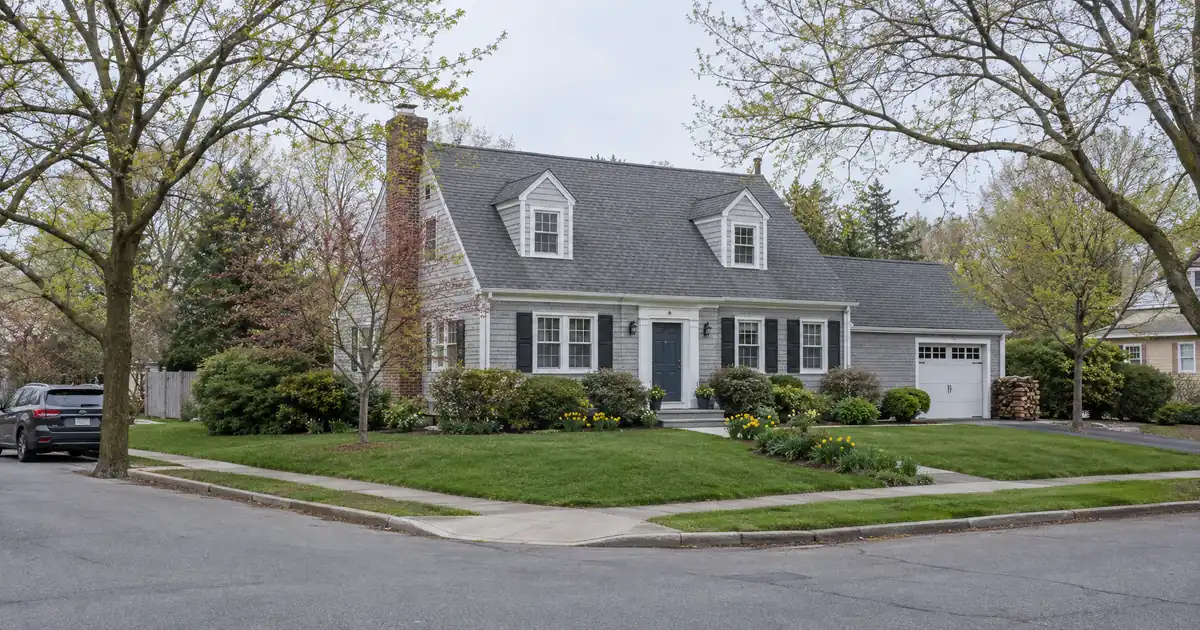
The Quick Read: Usually no. A sole proprietor on a bank statement loan typically does not pay a separate monthly PMI charge, even at high leverage, because the lender manages the added risk through pricing, a leverage cap, credit tiers and reserves instead of a private insurance policy. That is a market pattern, not a law, so every quote still needs a read.
- On a primary-residence purchase or rate-term refinance, select lenders in Lendmire’s wholesale network go up to 90% LTV, subject to lender guidelines.
- On an owner-occupied cash-out, the ceiling is lower, at up to 80% LTV. On an investment-property cash-out it tops out around 75% LTV.
- Being a sole proprietor changes how your income is documented. It does not change whether mortgage insurance applies.
- When there is no PMI line, the cost moves into other terms: pricing, reserves of about six months, and sometimes a prepayment penalty.
- A rental purchase usually belongs on a DSCR loan, not a bank statement loan.
What Is PMI, and When Does It Normally Apply?
PMI is private mortgage insurance. It is a policy the lender requires, it protects the lender if you default, and it is usually tied to conventional loans with less than 20% down. Cornell’s Legal Information Institute frames it the same way: a lender-required policy, typically on conventional loans with under 20% down.
What your deposits qualify you for.
Alt-doc programs read 12 months of business or personal bank deposits instead of tax returns. Enter your average monthly deposits and see the income a lender would credit you.
The expense factor is set by the lender from your business type and profit-and-loss statement; it is not a number you choose. This widget quotes no rate and no payment.
Program parameters shown update from Lendmire’s centralized guideline source.
Estimate
Illustrative estimate only — not a quote, Loan Estimate, approval, or commitment to lend. Deposit average, expense factor, and housing ratio are editable assumptions; the expense factor a lender applies is set from your business type and documentation. No interest rate or monthly payment is quoted here. Purchase capacity is a simplified illustration and does not account for taxes, insurance, HOA dues, or other debts. Alt-doc income documentation is available on consumer mortgages in the states where Lendmire is licensed for consumer lending; actual terms vary by lender, borrower, and property.
LTV, or loan-to-value, is the loan amount divided by the property’s value. A 90% LTV loan means you put 10% down. On a conventional loan, that leverage level almost always triggers PMI. Leverage, reserves, and pricing vary by lender and program; the final terms follow the full file review.
Two details trip people up. The borrower pays the premium, but the lender is the one protected. And PMI belongs to a specific loan type, not to the act of borrowing with a small down payment.
That second point is the whole answer to your question. A bank statement loan is not a conventional loan, so the PMI trigger does not automatically carry over.
Why Bank Statement Loans Are Treated Differently
A bank statement loan is a non-QM product. It sits outside the standard conventional framework and is reviewed around documented income under the applicable program, subject to lender guidelines.
Instead of traditional personal-income documentation, the lender reviews 12 months of business or personal bank statements. Qualifying income comes from your average monthly deposits, with an expense factor applied when the statements are business accounts. The exact factor is lender-specific.
Across the wholesale network, the pattern is consistent. Most programs we place files with do not add a separate monthly mortgage insurance charge. They set the risk through the levers they control.
Those levers are:
- A maximum LTV that falls as credit scores drop.
- Reserve requirements, commonly around six months of the housing payment.
- Pricing that reflects the leverage and the credit profile.
- Occupancy type, since a primary residence is treated differently from a rental.
Notice what is missing: a standing insurance policy that the lender buys from a third party and bills to you. A lender can still choose to require insurance or fold its cost into pricing. That is why the quote, not the product label, settles the question.
High LTV: What Changes and What Doesn’t
High leverage does not bring PMI back on these loans. It does tighten everything around the loan, and the strongest files earn the top of each range.
Here are the leverage ceilings you will see most often, always subject to lender guidelines and individual underwriting:
- Primary-residence purchase or rate-term refinance: up to 90% LTV through select lenders.
- Primary residence using an asset-depletion alternative: up to about 80% LTV. This route is reviewed against liquid assets instead of deposits.
- Owner-occupied cash-out (primary or second home): up to 80% LTV, using a fixed expense ratio, or 75% with an accountant-prepared ratio. It varies by loan size and credit.
- Investment-property cash-out: around 75% LTV.
- Investment-property purchase: varies by lender, and investor-focused leverage guidance belongs on the DSCR side.
Loan sizes generally run from roughly $125,000 to $3,500,000. Credit score and loan size usually decide where you land inside the range. A borrower at 90% LTV on a primary residence should expect the lender to look hard at credit tier and reserves.
Picture a self-employed contractor buying a primary residence at 90% LTV. The conventional route would add a PMI line to the monthly payment and could stall on income after tax deductions shrink the net. The bank statement route skips the PMI line and is reviewed on deposits. In exchange, the file is priced for non-QM risk and the lender wants real cash left over after closing. Terms vary by lender guidelines, property type, leverage, credit profile, and full file review.
Where the Cost Goes When There’s No PMI Line
No PMI does not mean no cost. The lender still has to be paid for the risk, and the charge simply shows up somewhere else.
Look in four places:
1. Pricing. Non-QM loans are priced for their risk. The calculator on this site can illustrate the effect, but a quote is what counts.
2. The LTV cap. A lower credit tier may cap your leverage below the top of the range, so you bring more down.
3. Reserves. Cash left after closing counts. Around six months of the housing payment is common.
4. A prepayment penalty. Some programs charge a fee for paying off the loan early. It is a structure to ask about before you sign.
Some lenders also use lender-paid mortgage insurance, where the insurance cost is built into the pricing instead of billed as its own line. When a loan advertises no mortgage insurance, ask whether anything of that kind sits inside the pricing.
| Factor | Conventional With PMI | Bank Statement Loan |
|---|---|---|
| Monthly insurance line | Typically yes under 20% down | Usually none |
| Where risk is priced | PMI premium | Pricing, LTV cap, reserves |
| Income documents | Traditional personal-income documentation, W-2s | 12 months of statements |
| Exit path | PMI can drop off as equity builds | Nothing to cancel; refinance later |
The honest tradeoff is this. A conventional loan with PMI may cost less overall if you can qualify for it, and the PMI can eventually come off. A bank statement loan is for the borrower whose traditional personal-income documentation understates real cash flow. Compare the all-in cost of both before choosing, not just the monthly line items.
What “Sole Proprietor” Means for This Question
Your business structure does not drive mortgage insurance. The loan type does. A sole proprietor, an LLC owner and a 1099 contractor all face the same question: is this a conventional loan or not? Title and entity rules are subject to program terms, so confirm them with the lender before you assume anything.
What a sole proprietor changes is income. You have no salary, so your pay is your business profit. You take owner draws, and the tax return reports profit after deductions. That is why conventional underwriting can shrink your qualifying income, sometimes sharply, when you write off a lot of expenses.
A bank statement program looks at what actually flows into the account. It averages deposits across 12 months and subtracts an expense factor. One practical point matters here:
- Keep business and personal money separate. Mixed accounts make the deposit average harder to defend.
Tax treatment varies by situation, so consult a qualified professional before relying on any deduction.
How to Confirm on Your Own Quote
Read the loan paperwork line by line. You do not need to guess whether mortgage insurance is in the deal.
On an owner-occupied file, you receive a Loan Estimate and later a Closing Disclosure. The Consumer Financial Protection Bureau explains that a PMI premium appears on both. A monthly premium shows in the Projected Payments box on page 1. An upfront premium shows in section B on page 2.
Use this checklist:
1. Find Projected Payments on page 1. See whether mortgage insurance is listed.
2. Check section B on page 2 for any upfront insurance charge.
3. Ask directly whether any insurance is built into the pricing.
4. Ask about the prepayment penalty and its length.
5. Ask what LTV cap your credit tier carries.
6. Confirm the reserve requirement in months. Exact terms depend on the lender’s guidelines, property type, leverage, and a full review of the borrower’s file.
If every answer comes back clean, you have confirmed the no-PMI structure for that quote.
Buying a Rental?
Different Loan, Different Rules
A bank statement loan is mainly a tool for owner-occupied homes. If your goal is a rental, the usual product is a DSCR loan. DSCR loans are designed for non-owner-occupied investment properties. Because they are business-purpose investor loans, they are reviewed differently from a standard owner-occupied mortgage, and the consumer loan forms above do not apply to them.
A DSCR loan is reviewed primarily on property-level rental income covering the payment, subject to lender guidelines. Your personal deposits are not the focus. Mortgage insurance is not a standard feature there either, and leverage on rental purchases depends on the lender and the property. Lendmire’s complete DSCR loans guide lays out how those programs work.
A bank statement loan can still touch investment property. An investment-property cash-out under bank statement documentation tops out around 75% LTV. For a pure rental purchase, though, the DSCR route is usually the cleaner match. It tests the property, not your deposits.
Can You Remove It or Refinance Out Later?
If a loan carries no PMI, there is nothing to cancel. That sounds like a benefit, and it is one, but it removes the exit that conventional borrowers get when equity builds.
On a conventional loan, PMI can fall off as your balance drops. On a bank statement loan, the cost sits in the pricing, so it stays until you change the loan. Cancellation rules written for conventional PMI should not be assumed to apply to a non-QM loan.
The practical exit is a refinance. As your equity grows and your credit improves, you may qualify for a lower-leverage loan with better terms, or move to a conventional loan once your traditional income documentation supports it. Whether that makes sense depends on the prepayment penalty, if any, and on your income picture then.
Key Terms Defined
Non-QM: A mortgage that falls outside the standard conventional loan framework. Bank statement and DSCR loans are common examples.
Expense factor: The percentage the lender subtracts from business deposits to estimate your real take-home income. It varies by lender.
Reserves: Cash and liquid assets you still hold after closing. Lenders often require some amount of reserves, and the exact requirement varies by lender and by file.
Lender-paid mortgage insurance: A structure where the lender buys the insurance and recovers the cost through pricing instead of a separate monthly charge.
Prepayment penalty: A fee some loans charge if you pay off or refinance the loan within a set period.
MIP: The mortgage insurance premium that FHA loans carry. It is a different charge from PMI.
Frequently Asked Questions
Do I need PMI with 10% down on a bank statement loan?
Every figure here varies by lender and program — guidelines, property type, leverage, and credit profile all apply.
Usually not as a separate monthly line. Ten percent down on a primary-residence purchase is 90% LTV, which select lenders allow on bank statement programs. The lender typically offsets the risk through pricing, credit requirements and reserves. Confirm on your Loan Estimate that no mortgage insurance appears.
Is no PMI really free?
No. The cost moves into other terms, such as pricing, a lower LTV cap for weaker credit, reserve requirements and sometimes a prepayment penalty. Whether the trade is worth it depends on your income documentation. Compare the full cost of a conventional loan with PMI against the non-QM loan without it. Final terms depend on lender guidelines, property type, leverage, and the borrower’s complete credit picture.
Does an LLC change the answer?
Not on the insurance question. Mortgage insurance follows the loan type, not the entity. Owner-occupied loans are generally written to individuals, and any entity ownership is subject to program terms. If the property is a rental, a DSCR loan is usually the better fit.
Does this apply to second homes and refinances?
The no-PMI pattern is the same, but leverage differs. A rate-term refinance on a primary residence can reach up to 90% LTV through select lenders. An owner-occupied cash-out, including on a second home, tops out at up to 80% LTV. An investment-property cash-out tops out around 75% LTV. These specifics are subject to lender guidelines and a full review of property, leverage, and credit.
How is this different from FHA?
FHA loans are government-backed and carry their own insurance premium, called MIP, instead of PMI. CBS News notes that government-backed loans have separate premiums. A bank statement loan is neither conventional nor government-backed, so its risk costs are set by the lender.
Next Step
Consumer bank statement programs are available in 16 states, subject to lender guidelines and not a commitment to lend. Reach the team at 828-256-2183.
For most sole proprietors, the real decision is not whether PMI shows up but which cost you would rather carry: a visible insurance line on a conventional loan, or a higher price tag spread through a non-QM one.
About Lendmire
Lendmire (NMLS# 2371349), a non-QM mortgage broker serving investors in 41 markets including Washington, D.C., helps structure DSCR scenarios commonly evaluated around a property’s rental income rather than personal income paperwork, subject to lender guidelines. A Scotsman Guide Top Mortgage Workplace in 2025 and 2026, Lendmire places loans through wholesale investor lenders and is not a direct lender.
Get Started
Ready to find the right loan for you?
In about 30 seconds you can review financing options available for your home or investment property. No commitment required.
Informational only. Not a Loan Estimate, approval, or commitment to lend. Program availability and eligibility are subject to lender guidelines, credit approval, property review, and underwriting.
References
1. Cornell Legal Information Institute – Private Mortgage Insurance
2. Consumer Financial Protection Bureau – What Is Private Mortgage Insurance?
3. CBS News – What Is Private Mortgage Insurance?
This article is part of Lendmire’s bank statement loan program — full qualification details, guidelines, and scenarios live on the program page.
Related reading: How a CPA Letter Raises Bank Statement Income for a Sole Proprietor · How a 5/6 or 7/6 ARM Lowers a Bank Statement Loan Payment · Bank Statement Loan vs DSCR for a Sole Proprietor With Rentals
Brandon Miller
Founder & CEO, Mortgage Loan Originator, Lendmire LLC
- Mortgage Loan Originator · NMLS# 1129696 · Verify on NMLS Consumer Access
- North Carolina Real Estate Broker · License# 343312 · Verify on NCREC
- North Carolina Insurance Producer · License# 19053198 · Property, Casualty, Life, Health · Verify on NAIC SBS
- Lendmire LLC · Firm NMLS# 2371349 · Verify firm licensure
Compliance and disclosures. Lendmire (NMLS# 2371349) is a licensed mortgage broker and is not a direct lender, depository institution, financial advisor, or tax professional. Content in this article is general market analysis and educational information — not financial, legal, or tax advice for any specific situation. Lendmire does not guarantee loan approval; every transaction is subject to underwriting by the funding lender. Mortgage pricing and loan program guidelines are subject to change at any time without notice and vary by borrower characteristics, property type, and state regulations. Lendmire complies with Equal Housing Opportunity. Licensure verification: NMLS Consumer Access.