
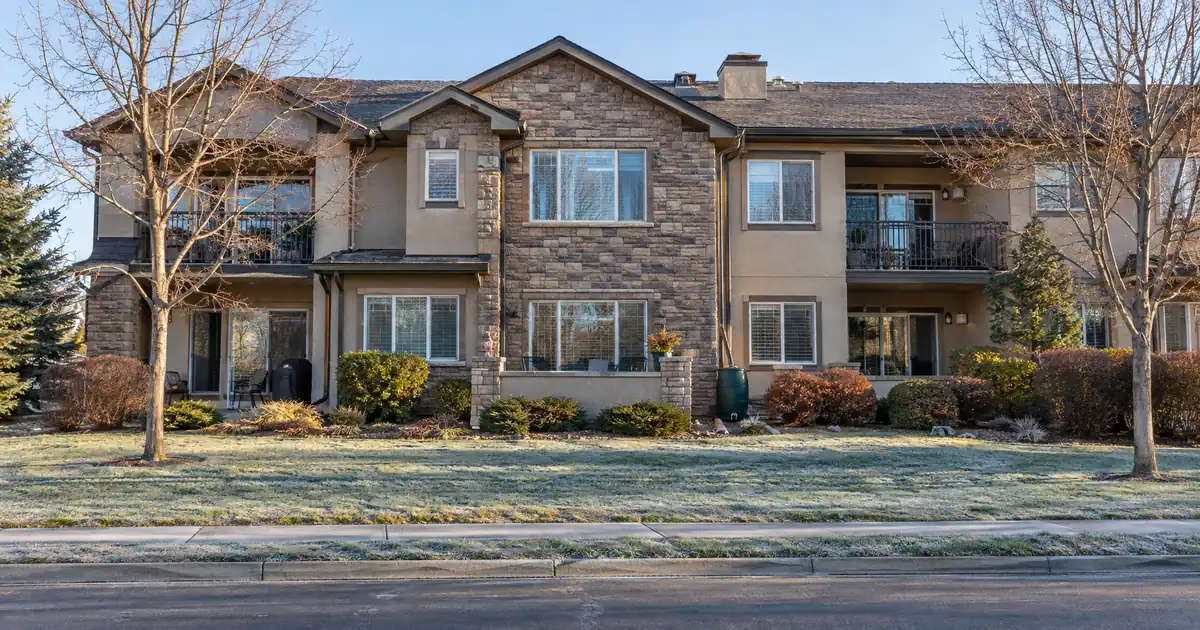
The Quick Read: Yes, if you pass two tests: one on you and one on your building. A condo unit that is your primary residence can be cash-out refinanced. Conventional loans generally cap a one-unit primary residence at 80% loan-to-value (LTV, the loan balance as a share of the home’s value). Strong credit and equity will not save a file if the building fails review. Program figures are subject to lender guidelines and full file review.
What Does a Condo Cash-Out Refinance Actually Do?
A cash-out refinance replaces your current first mortgage with a new, larger one. The new loan pays off the old one. You keep the difference as cash, minus closing costs.
Cash-out refinance estimate
The starting figures are an example value with a balance and a cash request in proportion. Replace them with yours.
Editable benchmark: 7.40% as of October 15, 2026 · Freddie Mac 30-year average via FRED®. A conventional market reference, not a cash-out refinance quote.
Illustrative starting assumptions: a $350,000 home value, a $193,000 current balance, the agency cap on a one-unit principal residence, a thirty-year term at the current Freddie Mac benchmark, and property taxes and insurance estimated at typical national rates. Every field is editable.
Illustrative estimate only — not a Loan Estimate, approval, quote, or commitment to lend. The rate field carries the weekly Freddie Mac thirty-year conventional benchmark, a market reference and not a cash-out refinance quote; a cash-out loan is priced by the lender at lock. The cash available is the loan the program cap allows less the balances paid off, before closing costs, which are not included. The HELOC line is the program’s combined loan-to-value ceiling applied to the same value and balance. Taxes and insurance are editable estimates. Licensed in sixteen states for consumer mortgages.
The formula is simple: new loan, minus payoff, minus closing costs, equals cash to you. Because the new loan is bigger, your monthly mortgage payment usually rises, even if the new loan is cheaper per dollar borrowed. That is plain arithmetic. Your HOA dues and the association’s master insurance stay separate from the mortgage payment.
Lendmire is a mortgage broker. It arranges these loans through wholesale lenders and does not lend directly. Its cash-out refinance programs cover conventional files like this one. Across the wholesale programs placed on condo files, the pattern is consistent: the borrower side is routine, and the building side is where surprises happen.
Why Do Condos Get Two Tests Instead of One?
A house is judged on you and the house. A condo is judged on you, the unit, and the association that owns everything around it. The lender is lending against a unit whose value depends on the health of the whole project.
| Factor | Borrower test | Building test |
|---|---|---|
| What’s checked | Credit, income, debt, equity | Reserves, insurance, litigation, repairs |
| Who controls it | You | The HOA board and management |
| Where it fails | High debt ratio, thin equity | Underfunded reserves, unresolved lawsuits |
| Fixable by you? | Often | Rarely, and not quickly |
Think of it this way. You can pay down a card to fix a debt ratio. You cannot fix a building’s reserve fund on your own.
What Do You Need to Qualify as a Borrower?
Start with leverage. On a conventional cash-out, a one-unit primary residence tops out at 80% LTV. Two- to four-unit primary residences, second homes and investment property top out at 75%. Occupancy decides the cap, and a second-home condo gets less than your own residence. Each figure is subject to lender guidelines and a complete review of property type, leverage, and credit.
Fannie Mae’s eligibility matrix also notes that lower LTV limits may apply to certain condo loans. So 80% is the ceiling, not a promise. Some condo files land lower.
Then there is seasoning, the waiting period before a refinance is allowed. Under the Fannie Mae Selling Guide, the mortgage being paid off must be at least 12 months old, measured note date to note date. At least one borrower must have been on title for six months. Exceptions exist for delayed financing (an all-cash purchase), inheritance and legal awards such as a divorce settlement. Contrary to a common claim, there is no 90-day rule in the agency guides.
Other borrower factors:
- Credit: wholesale conventional programs generally start at a 620 decision score. Some files need more.
- Debt ratio: the automated underwriting finding governs most files, with a total ratio ceiling of 50%. Manually underwritten loans are held to 36% or 45%.
- Reserves: on automated files with a debt ratio above 45%, the Selling Guide asks for six months of reserves.
- Listed for sale: if the condo was on the market, it must be off the market by the disbursement date.
- Credit events: agency waiting periods are four years from a chapter 7 discharge, seven from a foreclosure, and four from a short sale or deed-in-lieu. Documented extenuating circumstances can shorten them.
HOA dues count in your housing expense, so they count in your debt ratio. A high-dues building can push a borderline file over the line.
One wholesale lane reaches 89.99% LTV with no mortgage insurance. It requires a 680 score, a 50% ratio, a thirty-year fixed rate, a primary residence, a conforming balance and its own six months of seasoning. Whether a condo fits that lane depends on the building and the lender’s review. In Texas, a cash-out on a homestead is capped by the state constitution at the agency figure, and that lane is not written there. Leverage, reserves, and pricing vary by lender and program; the final terms follow the full file review.
What Does the Lender Check About Your Building?
The lender reviews the project, not just your unit. The goal is to see whether the association is financially stable and the property is insurable and sound.
A project review typically looks at:
- Reserves. Is the association setting aside enough for future repairs?
- Insurance. Is the master policy adequate?
- Litigation. Is the association in a pending lawsuit?
- Condition. Are there deferred repairs or safety problems?
- Special assessments. Are large one-time charges planned or underway?
- Unit mix and use. Is the project a condo hotel, a timeshare or something similar? Those are ineligible.
Some files skip the full review. Under Fannie Mae’s waiver of project review, a detached condo unit can qualify. So can a limited cash-out refinance of a loan Fannie Mae already owns, at a maximum 80% LTV. The waiver does not apply to co-ops. Terms vary by lender guidelines, property type, leverage, credit profile, and full file review.
A waiver is not a free pass. The project still cannot show an “Unavailable” status in Fannie Mae’s Condo Project Manager. It cannot be a condo hotel or timeshare. It must still meet property eligibility and lien-priority rules for common expenses.
Review rules also keep shifting. Freddie Mac’s Bulletin 2026-C retires its Streamlined Review for applications received on or after August 3, 2026. Established projects then go through the Established Condominium Projects review, a reciprocal review, or are delivered as exempt if eligible. The same bulletin drops the owner-occupancy test for established projects. The deadline keys off your application date, not your closing date. A coordinated Fannie Mae change was also announced, so check current guidance with your loan officer.
How Can You Check Your Building Before You Apply?
Ask before you pay for an appraisal. A building’s status can sink a file, and the answer is often a phone call away.
Request these from your management company or board:
1. The HOA questionnaire (lenders send one anyway).
2. The current budget and the most recent reserve study.
3. The master insurance certificate.
4. Any notice of pending litigation or planned special assessments.
Project status can also change. A building that was approved when you bought may not be approved now.
This is one of those moments where the honest advice is to ask a loan officer early. A short conversation about your building can save an appraisal fee and a lot of frustration.
What Does a Condo Cash-Out Look Like in Practice?
Run the numbers on a hypothetical condo, using percentages only. Say your unit is a primary residence and you currently owe about 50% of its appraised value. A conventional cash-out can reach 80% LTV, so the maximum new loan is 80% of the value. The gap between your current payoff and that ceiling, roughly 30% of the value, is your gross cash before closing costs. Exact terms depend on the lender’s guidelines, property type, leverage, and a full review of the borrower’s file.
That is the best case. Three things shrink it:
- A condo-specific lower LTV limit.
- Closing costs, which the CFPB describes as the upfront charges to get the loan and transfer ownership. Origination, appraisal and title fees are typical.
- An appraisal that comes in below your estimate.
Check the “Estimated Cash to Close” line on your Loan Estimate. Compare it across offers. That one line tells you what you will actually receive or owe.
How Does the Process Work?
1. Choose the loan type. True cash-out, rate-and-term (limited cash-out), or a government streamline. This sets your LTV cap and seasoning rules.
2. Check your borrower profile. Credit, income, debts, equity, seasoning.
3. Check your building. Project review or waiver, as above.
4. Appraisal. A condo appraisal is generally required on a true cash-out.
5. Documents. Your income, asset and credit file, plus the association’s project documents.
6. Disclosures and closing. The Loan Estimate and Closing Disclosure show your costs and cash to close. The old loan is paid off at closing, and the cash comes to you afterward.
Is a Cash-Out the Same as a Rate-and-Term Refinance?
No. This trips up many borrowers. A rate-and-term (limited cash-out) refinance pays off your existing first mortgage, closing costs and any purchase-money second lien, with only incidental cash back. It can reach 95% LTV on a one-unit principal residence, and 97% where the existing loan is agency-owned and the first-time-buyer program allows. Mortgage insurance applies above 80% LTV. Every figure here varies by lender and program — guidelines, property type, leverage, and credit profile all apply.
If you only need to change your loan, not pull equity, this lane gives more leverage but no real cash.
Government streamlines are also not cash-out products. The FHA Streamline is for an existing FHA loan. It involves no appraisal, a limited credit review and a net tangible benefit test. The VA IRRRL is for an existing VA loan. It carries a 0.5% funding fee unless exempt, no VA appraisal, a net tangible benefit test and seasoning of the later of 210 days and six payments. VA also keeps its own condo approval list and stopped accepting FHA approvals in its place in 2009, so an FHA-approved building is not automatically VA-eligible.
Key Terms Defined
LTV (loan-to-value): your loan balance divided by your home’s appraised value.
Seasoning: the waiting period a lender requires before you can refinance or cash out.
Project review: the lender’s check of the condo association’s finances, insurance and legal status.
Cash to close: the amount you owe, or receive, at closing after all costs.
Mortgage insurance: coverage the borrower pays above 80% LTV. It can be cancelled at 80% on request and ends automatically at 78%.
What Are the Risks and Alternatives?
Your home secures the new loan, so a larger balance means more at stake. A larger payment, plus HOA dues, can strain a budget. Special assessments can arrive on top of both.
Alternatives exist, and a condo’s building status can affect each differently. A home equity loan or HELOC leaves your first mortgage alone, which can matter if your current loan is a good one. Lenders offering those products have their own condo rules.
Tax treatment can depend on your situation; borrowers should speak with a qualified tax professional before relying on any deduction or credit.
If Your Building or Numbers Don’t Work
| Problem | What you can do |
|---|---|
| Debt ratio too high | Pay down balances, or add a co-borrower’s income |
| Not enough equity | Wait for payments or value to build, or borrow less |
| Seasoning not met | Wait, or check the delayed financing exception |
| Building fails review | Ask the board about its plan, or try another loan type |
| Score too low | Rebuild credit, then reapply |
Some problems are yours to solve, and some belong to the board. Know which one you have before you spend money.
Frequently Asked Questions
Can I cash-out refinance a second-home condo?
Yes, but at lower leverage. Conventional cash-out on a second home tops out at 75% LTV, versus 80% for a one-unit primary residence. The building still has to pass review. Subject to lender guidelines.
Does my HOA have to approve my refinance?
No board vote is required, but the association’s documents are. The lender asks the management company for a questionnaire, budget and insurance details. A slow or uncooperative association can hold up the file.
What if my condo project is declined?
Ask what failed. A reserves or litigation issue may clear over time, while others may not. You can also look at a different loan type, or wait and reapply once the building’s status improves.
Do HOA dues count against me?
Yes. Dues are part of your monthly housing expense, so they enter your debt ratio. In a high-dues building, that can decide a borderline file.
How soon can I cash out after buying?
Conventional cash-out generally needs six months on title and a first mortgage that is at least 12 months old. Delayed financing is the exception for all-cash buyers. These are agency rules, and individual lenders can add their own.
If you are weighing a cash-out refinance against keeping the loan you have, Lendmire can help you compare the programs and the equity each one reaches.
For your own numbers, request a scenario review with Lendmire.
For current guidelines and terms, see Lendmire’s refinance programs page.
About Lendmire
Lendmire, NMLS# 2371349, is a mortgage brokerage with consumer lending licenses in 16 states. FHA, VA, conventional and jumbo purchase and refinance loans are arranged through wholesale lending partners, and each application is reviewed individually by the lender. Scotsman Guide named Lendmire a Top Mortgage Workplace in both 2025 and 2026.
Get Started
Ready to find the right loan for you?
In about 30 seconds you can review financing options available for your home or investment property. No commitment required.
Informational only. Not a Loan Estimate, approval, or commitment to lend. Program availability and eligibility are subject to lender guidelines, credit approval, property review, and underwriting.
References
1. Fannie Mae Eligibility Matrix
2. Fannie Mae Selling Guide B2-1.3-03, Cash-Out Refinance Transactions
3. Fannie Mae Selling Guide B4-2.1-02, Waiver of Project Review
4. Freddie Mac Guide Bulletin 2026-C
5. CFPB Loan Estimate Explainer
This article is part of Lendmire’s cash-out refinance program — full qualification details, guidelines, and scenarios live on the program page.
Related reading: Cash-Out Refinance vs Selling Your Home · Cash-Out Refinance for Homeowners: When It’s OK to Take Cash Out · How a Cash-Out Refinance Works to Buy Out an Ex-Spouse
Brandon Miller
Founder & CEO, Mortgage Loan Originator, Lendmire LLC
- Mortgage Loan Originator · NMLS# 1129696 · Verify on NMLS Consumer Access
- North Carolina Real Estate Broker · License# 343312 · Verify on NCREC
- North Carolina Insurance Producer · License# 19053198 · Property, Casualty, Life, Health · Verify on NAIC SBS
- Lendmire LLC · Firm NMLS# 2371349 · Verify firm licensure
Disclosure information. Lendmire is a state-licensed mortgage brokerage under NMLS# 2371349. Lendmire is not a depository institution, direct lender, or financial advisor — all loans referenced are placed through wholesale lender partners and are subject to each lender's underwriting standards. This article is provided for general informational purposes and is not a commitment to lend, nor does it constitute financial, legal, or tax advice. Loan programs, terms, rates, and qualification standards change without notice and depend on borrower profile, property type, and the state in which the subject property is located. Equal Housing Opportunity provider. NMLS Consumer Access: nmlsconsumeraccess.org.