
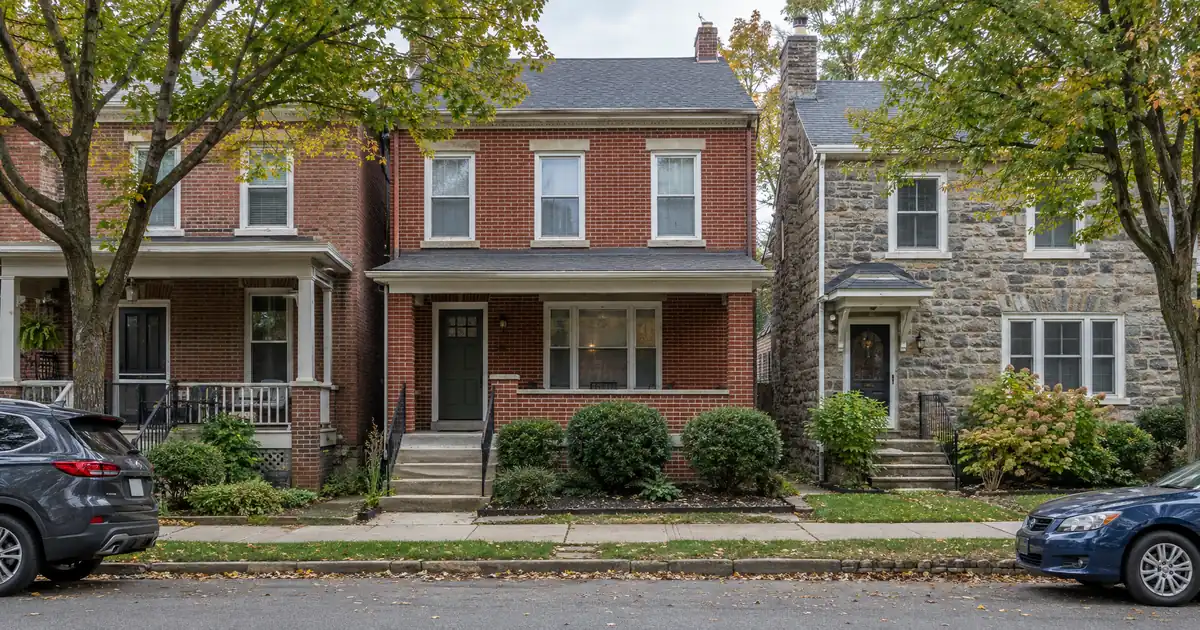
The Quick Read: Asset depletion is reviewed against the borrower’s own balance sheet, while a DSCR loan is reviewed for the rental on its own income. The first suits a borrower with large, well-documented assets and thin documented income. The second suits an investor whose property rent covers the full monthly obligation, subject to lender guidelines.
- Asset depletion converts eligible assets into imputed monthly income, which then runs through a debt-to-income test.
- A DSCR loan reviews the rent against the property’s full housing payment, with credit, reserves and the appraisal alongside.
- On an investment property, the asset depletion path typically tops out at 65% leverage on a purchase and 60% on a cash-out, through select programs.
- Asset depletion is a consumer mortgage and usually means personal vesting. DSCR loans commonly allow LLC vesting.
- The two loans answer different questions, so the right choice depends on your assets, your debts and how well the property rents.
The Honest Answer First
Most Pennsylvania rental buyers should start by testing the property. If the rent comfortably covers the monthly obligation, a DSCR loan keeps the file simple and lets each new property stand on its own. Asset depletion earns its place when the rent is thin, the balance sheet is large and the borrower wants income to come from assets instead.
Think of it as two doors to the same purchase. One asks, “Does this house pay for itself?” The other asks, “Can this borrower carry the loan from savings and investments?” Across Lendmire’s wholesale network, both are placed through select lenders. Neither is a shortcut around underwriting. Both loans document something. Only the thing documented changes.
For a longer treatment of the investor side, see Lendmire’s complete DSCR loans guide.
Side-by-Side
The asset depletion column reflects the leverage and asset rules of the network’s asset depletion path. The DSCR column shows published industry norms, which vary by lender.
| Factor | Asset Depletion Path | DSCR (industry norms) |
|---|---|---|
| Review basis | Borrower’s assets as imputed income | Property rent vs. housing payment |
| Documentation | Asset statements; no employment income | Lease or rent schedule, appraisal, credit |
| Property types | Home or rental on the depletion path | Non-owner-occupied investment property |
| Entity vesting | Typically personal | Commonly LLC, per program terms |
| Debt-to-income | Applies; all debts count | Not the primary test |
| Reserves | No published reserve months | Typically reviewed; varies by lender |
| Investment leverage | Up to 65% purchase, 60% cash-out | Varies by lender and coverage |
| Scaling a portfolio | Each loan adds to your debt load | Each property stands on its own rent |
How Asset Depletion Works on a Rental
Asset depletion is a qualification method, not a separate property type. The program turns usable assets into a monthly income figure. That figure then has to carry the full housing payment and your other debts through the debt-to-income test.
The network offers two asset paths, and a borrower is reviewed on one at a time. The asset qualifier path lets assets alone cover the entire loan, with no income documented. It applies to principal residences and second homes, so it does not fit a Pennsylvania rental. The asset depletion path is the one that reaches investment property. It handles loans from $125,000 to $3,500,000, typically through select programs.
On the depletion path, each asset counts at a haircut:
- Cash accounts and certificates of deposit count at 100%.
- Securities count at 80%.
- Privately held stock: not eligible on either path.
- Retirement accounts count at 70% at any age.
- Real-estate equity counts at 60%.
Custodial accounts, deferred compensation, escrow accounts, foreign funds, cash on hand, privately held stock, stock options and non-vested restricted stock are not eligible. Cryptocurrency, precious metals and collectibles are not published as eligible on either path. The documented route is converting them to a seasoned cash balance in a regulated account, with the source reviewed by the lender.
Usable assets are divided by 60 months. Take $1,500,000 in securities, which counts at 80% for $1,200,000, plus $300,000 in cash at 100%. That is $1,500,000 usable, or $25,000 of monthly qualifying income. That income then has to carry the housing payment and other debts. The lender’s own calculation governs, and the example is illustrative only.
The minimums are real. Qualified assets must be at least the lesser of $1,000,000 or 1.25 times the loan balance. When asset depletion is the only income source, liquid assets must never fall below $250,000. Statements must be at least 120 days old at application, plus a recent one within 45 days. A first-time investor needs a 700 score on this path, and everyone else follows the lender’s matrix. Cash-out proceeds never count as qualifying assets.
This is a consumer mortgage, so TRID disclosures apply. Underwriting is individual and everything here is subject to lender guidelines.
How a DSCR Loan Works on the Same Rental
A DSCR loan is reviewed primarily on property-level rental income covering the payment, subject to lender guidelines. The ratio is monthly rent divided by the full monthly obligation: principal, interest, taxes, insurance and any association dues.
Lenders usually take rent from the appraiser’s rent schedule, or from the lease if the lease is lower. A ratio at or above 1.00x is a common benchmark because rent covers the payment at that level. Some lenders in the network will review coverage below 1.00x, but leverage and terms adjust when they do. Calculation methods differ by lender. Some haircut the rent first, and others use plain rent over payment.
DSCR still reviews credit, a down payment, reserves and the appraisal. It is also a lender coverage test, not an investment return. It does not capture every operating cost and does not promise positive cash flow.
When Asset Depletion Is the Better Fit
Asset depletion tends to win in a handful of profiles.
The rent is thin relative to value. Higher-priced homes often rent at a lower share of price, so coverage can land under 1.00x. Asset depletion ignores rent altogether. A buyer of a pricier Pennsylvania property with modest rent may find the balance sheet is the stronger exhibit.
The borrower lives on a portfolio. Retirees, sellers of a business and people who received an inheritance or settlement often hold large balances and little documented income. Their statements tell the story that a tax return cannot.
The buyer wants to avoid a rent-based test on a mixed-use plan. Someone who may live in the property part of the year, or who is buying a home first and a rental later, may find the consumer path cleaner. If the home is a principal residence or second home, leverage on the depletion path is higher, up to 80% on a purchase or rate-and-term refinance.
The cost is leverage and debt load. At up to 65% on an investment purchase, the buyer puts more cash into the deal. And asset-derived income often comes out low relative to total asset value, which caps how much a borrower can carry. Every loan, including the new one, counts against debt-to-income. A second or third rental stacks on top of the first.
For borrowers whose rental income is seasonal, Lendmire’s piece How an STR Investor Qualifies on Asset Depletion vs Rental Income covers that angle. Short-term rental rules can vary by city, county, HOA and property type, so investors should confirm local rules before relying on projected rental income.
When DSCR Is the Better Fit
DSCR is usually the stronger fit when the property itself does the work.
The rent covers the payment with room to spare. If the rent comfortably clears the full monthly obligation, the property carries the loan and the borrower’s other debts matter much less.
You plan to buy more than one rental. DSCR files treat each property on its own rent. Asset depletion files keep adding to your personal debt load, so the debt-to-income test tightens with each purchase.
You want to hold title in an LLC. DSCR loans commonly allow entity vesting, depending on program guidelines. Asset depletion is a consumer loan and typically calls for personal vesting. If liability separation matters to you, that alone can decide the question.
Your assets are tied up. A borrower whose wealth sits in a business, private stock or real estate may not show enough qualifying assets after haircuts. Strong rent can carry the file where the balance sheet cannot.
You want higher leverage. Published industry norms for DSCR leverage vary by lender and by coverage. Because the depletion path caps an investment property at 65% on a purchase, it is worth comparing both structures in writing before choosing.
DSCR loans are designed for non-owner-occupied investment properties. Because they are business-purpose investor loans, they are reviewed differently from a standard owner-occupied mortgage. The federal business-purpose exemption in Regulation Z explains why, and a credit union trade association summary lists acquiring rental property as a typical example. DSCR loans are exempt from TRID. Asset depletion, as a consumer loan, is not.
The Pennsylvania Wrinkle
Pennsylvania does not change either product, and the program figures are the same in every state. Lendmire’s consumer mortgage lending is licensed in 16 states, Pennsylvania among them. Investor loans are placed through the wholesale network.
What does vary is the denominator. Taxes and insurance sit inside the monthly obligation, so a high-tax county needs stronger rent to clear 1.00x than a low-tax one. A Pennsylvania rental in an expensive county may look thin on DSCR, while the same buyer’s balance sheet looks strong. That is the situation where running both files makes sense.
Run them in writing. Compare the leverage you can use, the cash you must bring, the debt load each loan adds and whether you can hold title in an LLC. Pick the loan that fits the property and the plan, not the one that sounds easier.
DSCR vs. conventional financing
There are two common ways to finance an investment property, and they qualify you differently — here’s how investors weigh them.
Why investors choose it
- Qualifies on the property’s rental income — no personal tax returns, W-2s, or pay stubs needed to document income.
- No personal debt-to-income ceiling to clear, so existing mortgages and obligations don’t cap your borrowing the same way.
- Can be closed in an LLC, keeping the property inside a business entity.
- Built for scaling — not held to the limit on number of financed properties that conventional financing applies.
- Underwriting centers on the deal: generally qualifies when the rent covers the payment, a 1.00x coverage ratio being a common baseline (confirmed in underwriting).
- Designed specifically for investment property, including long-term and, where the program allows, short-term rentals.
Where it’s strong
- Often the lowest ongoing financing cost for a buyer who fully qualifies on personal income — a fit for a first property or a cost-first purchase.
Trade-offs for investors
- Requires full personal income documentation and must fit within a debt-to-income limit — salary, existing debts, and other mortgages all count.
- Typically held in your personal name rather than a business entity.
- Caps how many financed properties you can carry, which can become a ceiling as a portfolio grows.
- Evaluates you as a borrower as much as the property, which usually means more paperwork.
How investors usually choose: a first or single property often optimizes for the lowest financing cost; portfolio builders often optimize for leverage, vesting in an LLC, and scaling past conventional caps. The right answer depends on your goals, the property, and current guidelines — both paths run through select lenders in Lendmire’s wholesale network, with eligibility and terms confirmed in underwriting.
What If the Coverage Is Thin?
When rent falls short of the payment, a borrower has a few options:
- A sub-1.00 DSCR program. Select lenders in the network will review coverage below 1.00x, with leverage and terms adjusting. Eligibility review depends on credit, reserves and the property review.
- More cash down. A lower loan amount raises coverage without changing the rent.
- Asset depletion. Where the assets are large and documented, the depletion path replaces the rent test with an income test.
- A different property. A thin ratio sometimes signals the submarket, not the loan type. If every property you look at needs a workaround, revisit the search before the financing.
Key Terms Defined
Asset qualifier path: A path where eligible assets, after credit percentages, must equal or exceed the entire loan, with no income documented.
Asset depletion path: A path that divides usable assets by 60 months to create qualifying income for the debt-to-income test.
DSCR: Property rent divided by the full monthly housing obligation, used as the main qualifying test on investor loans.
Haircut: The share of an asset’s balance that is not counted, such as 20% off securities on the depletion path.
Debt-to-income: Monthly debts, including the new payment, measured against qualifying income.
Vesting: The way title is held, such as personally or through an LLC.
Common Mix-Ups
“Asset depletion means I sell my investments.” Assets stay in the accounts. Nothing is sold or pledged.
“No income documentation means no documentation.” Both loans document something. Asset depletion documents your accounts. DSCR documents the lease, appraisal, credit and reserves.
“Every DSCR lender calculates the ratio the same way.” Methods differ, so the same property can show different coverage from lender to lender.
“A ratio above 1.00x means the property cash-flows for me.” It is a lender test, not a guarantee of profit.
Tax treatment varies; consult a qualified professional.
Balanced Verdict
Choose DSCR when the rent covers the obligation, you plan to build a portfolio or you want an LLC on title. Choose asset depletion when the rent is thin, your documented assets are large and you are comfortable with higher cash down and personal vesting. Between those poles, the deciding variables are leverage, debt load and entity structure. If you are close, model both and compare. Approval always rests on underwriting, credit, the property and lender guidelines.
Frequently Asked Questions
Can I use asset depletion to buy a rental property in Pennsylvania?
Yes, through the asset depletion path, which covers investment property through select programs. Leverage tops out at 65% on a purchase and 60% on a cash-out, and the 700 score applies to first-time investors. The asset qualifier path does not cover rentals.
Does asset depletion require traditional personal-income documentation or employment income?
On the asset-only path, no income is documented, though assets are. On the depletion path, derived income can stand alone or supplement documented income up to a 45% debt-to-income ratio. Underwriting is individual either way.
Which retirement accounts count?
It depends on the path. On the depletion path, retirement accounts count at 70% at any age. On the qualifier path, they count at 90% under 59½ and 100% after, but that path does not cover investment property.
Can I close an asset depletion loan in an LLC?
Typically not. Asset depletion is a consumer mortgage and is usually structured with personal vesting. DSCR loans more commonly allow LLC vesting, depending on program guidelines.
What if my rental’s coverage is below 1.00x?
Select lenders in the network will review sub-1.00 DSCR files, with leverage and terms adjusting. A larger down payment or the asset depletion path are the other common routes.
If you are qualifying on assets rather than income and want to see how the numbers work, Lendmire can help you compare asset-based mortgage options based on your statements, the property, credit profile, leverage and your goals.
Lendmire’s asset-based mortgage in Pennsylvania page presents the program for Pennsylvania borrowers.
About Lendmire
Lendmire (NMLS# 2371349) is a mortgage broker licensed for consumer lending in 16 states. Scotsman Guide named Lendmire a Top Mortgage Workplace in both 2025 and 2026.
Get Started
Ready to find the right loan for you?
In about 30 seconds you can review financing options available for your home or investment property. No commitment required.
Informational only. Not a Loan Estimate, approval, or commitment to lend. Program availability and eligibility are subject to lender guidelines, credit approval, property review, and underwriting.
References
2. America’s Credit Unions: Regulations and Business Loans
This article is part of Lendmire’s asset-based mortgage program — full qualification details, guidelines, and scenarios live on the program page.
Related reading: How an Asset Depletion Rate-and-Term Refinance Works on a Rental Property · DSCR vs Asset Depletion for a Super Jumbo Held in Trust or LLC · DSCR vs Asset Depletion for a Retiree Using a Short-Term Rental Part-Time
Guides: Asset-Based Mortgage in Pennsylvania
Brandon Miller
Founder & CEO, Mortgage Loan Originator, Lendmire LLC
- Mortgage Loan Originator · NMLS# 1129696 · Verify on NMLS Consumer Access
- North Carolina Real Estate Broker · License# 343312 · Verify on NCREC
- North Carolina Insurance Producer · License# 19053198 · Property, Casualty, Life, Health · Verify on NAIC SBS
- Lendmire LLC · Firm NMLS# 2371349 · Verify firm licensure
Legal disclosures. Lendmire (NMLS# 2371349) is a state-licensed mortgage brokerage that arranges financing through wholesale lender relationships. Lendmire is not a direct lender, depository institution, or registered financial advisor. The discussion above is general informational content about real estate financing — it is not financial, legal, or tax advice, and readers should consult licensed professionals for guidance on their individual circumstances. Loan inquiries are subject to lender underwriting; this article does not represent a commitment to lend. Loan terms, rates, and qualification standards vary by borrower, property, and state, and are subject to change at any time. Equal Housing Opportunity. NMLS Consumer Access: nmlsconsumeraccess.org.