
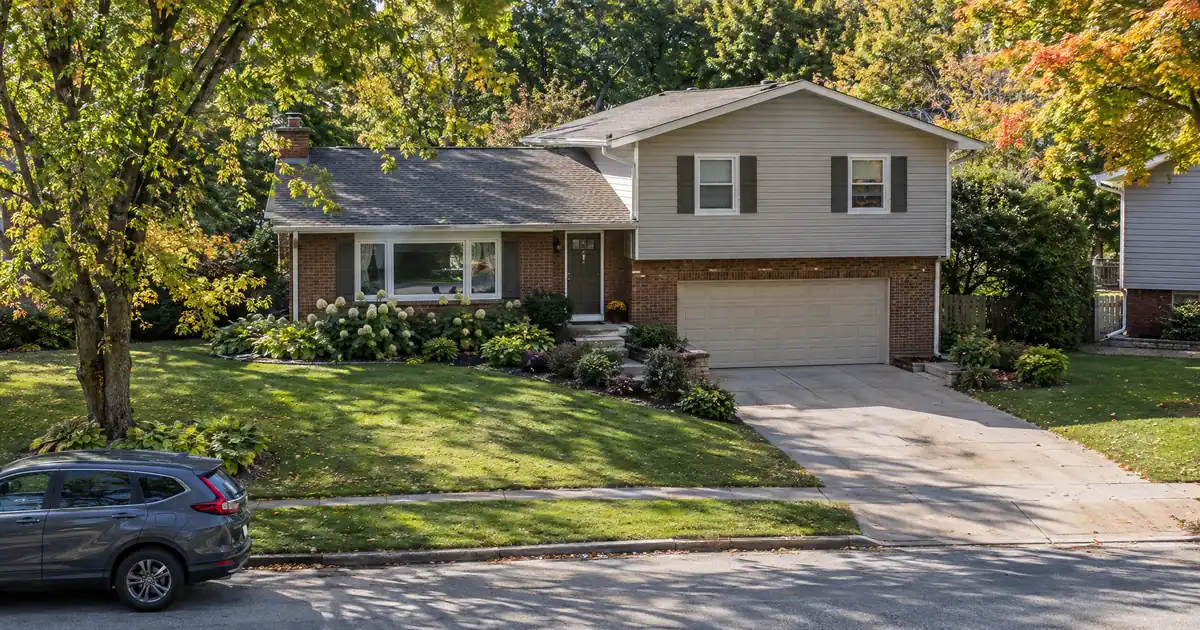
The Quick Read: There is no fixed down payment on a 24-month bank statement loan, because the cash you bring comes from a leverage matrix that weighs credit, occupancy, loan size, and reserves, while the 24 months of statements only decide how your qualifying income gets calculated. On a rental purchase, expect to bring more equity than an owner-occupied buyer would. The exact percentage depends on the lender and your file.
- Income and down payment are two separate tests. Statements prove income. Leverage limits and sourced funds decide your cash.
- A longer statement window changes the income average, not the leverage matrix.
- Rental purchases generally need more equity than a primary residence. Investment purchase leverage on bank statement files varies by lender.
- Down payment money must be sourced and usually seasoned, meaning it has sat in your account for a while.
- If the property rents well, a DSCR loan may ask for less paperwork and fit a first rental better.
Key Terms Defined
Bank statement loan: A mortgage that is reviewed around documented income under the applicable program, subject to lender guidelines, using deposits instead of traditional personal-income documentation.
LTV (loan-to-value): The loan amount divided by the property value. A 75% LTV means you fund the other 25%. Terms vary by lender guidelines, property type, leverage, credit profile, and full file review.
Expense factor: The share of business deposits a lender subtracts to estimate what you actually keep as income.
Reserves: Liquid cash left after closing, usually counted as months of the housing payment.
Seasoning: How long money has sat in your account before the lender counts it as yours.
DSCR loan: An investor loan that qualifies primarily on property-level rental income covering the payment, subject to lender guidelines.
What your deposits qualify you for.
Alt-doc programs read 12 months of business or personal bank deposits instead of tax returns. Enter your average monthly deposits and see the income a lender would credit you.
The expense factor is set by the lender from your business type and profit-and-loss statement; it is not a number you choose. This widget quotes no rate and no payment.
Program parameters shown update from Lendmire’s centralized guideline source.
Estimate
Illustrative estimate only — not a quote, Loan Estimate, approval, or commitment to lend. Deposit average, expense factor, and housing ratio are editable assumptions; the expense factor a lender applies is set from your business type and documentation. No interest rate or monthly payment is quoted here. Purchase capacity is a simplified illustration and does not account for taxes, insurance, HOA dues, or other debts. Alt-doc income documentation is available on consumer mortgages in the states where Lendmire is licensed for consumer lending; actual terms vary by lender, borrower, and property.
What a 24-Month File Actually Is
A 24-month file means the lender reads two years of business or personal bank statements and averages the deposits. Scotsman Guide’s non-QM coverage describes bank statement programs as letting underwriters average 12 to 24 months of income deposits. Guidelines vary by lender.
The typical borrower is self-employed. Write-offs push taxable income down while deposits stay strong. A conventional file looks at the tax return and sees a small number. A bank statement file looks at the money that actually moved.
Across the lenders in Lendmire’s network, 12 months of statements is the standard documentation. Some programs let you choose a longer window. The choice matters when your income swings, because two years can smooth a spike or expose a slide.
How Underwriting Turns Deposits Into Income
Underwriting runs in a fixed order, and the down payment sits outside most of it. Here is the sequence.
1. Collect the statements. The lender pulls consecutive months from the accounts you name.
2. Screen the deposits. Transfers between your own accounts, loan proceeds, and one-time windfalls come out.
3. Apply an expense factor on business accounts. The lender sets it. Many business-account programs strip out a large share of deposits, and some allow a lower factor when a CPA supports it. Personal statements generally skip this step.
4. Average the month. Total the eligible deposits, divide by the months, and adjust for your ownership share.
5. Compare income to debts. That gives the lender your debt-to-income picture.
6. Set leverage from the matrix. Credit, occupancy, loan size, and reserves decide the maximum LTV.
7. Verify the cash. Down payment funds go through their own asset review.
Notice what step 4 does not do. A big income average does not shrink your down payment. Income decides whether you qualify. The matrix decides how much cash you bring.
What Sets Your Down Payment
Your down payment is the gap between the price and the maximum LTV the matrix allows. Several factors move that ceiling. Loan sizes in the network run roughly from $125,000 to $3,500,000, so the file size is one of them.
| Factor | Direction of effect |
|---|---|
| Occupancy | Rental purchases generally need more equity |
| Credit score | Stronger credit can earn more leverage |
| Loan size | Larger loans often face tighter limits |
| Reserves | More cash left over supports more leverage |
| Deposit history | Clean statements help; overdrafts and a falling trend hurt |
| Property type | Some types carry lower leverage caps |
Here is the anchor point for context. On a primary residence purchase or rate-and-term refinance, select lenders in the network go up to 90% LTV, and only stronger files earn the top of that range. That figure belongs to owner-occupied homes. It does not describe a rental.
For a cash-out refinance on an investment property, leverage tops out around 75% LTV. For a purchase of an investment property on bank statement documentation, the limit varies by lender, so a single number would mislead you. Scotsman Guide’s trade coverage notes that non-QM borrowers traditionally bring higher credit scores and more money down than conventional borrowers. Plan for that.
Does Choosing 24 Months Change the Down Payment?
Not by itself. The statement window is a documentation choice. It changes how your income is averaged. It does not change the LTV ceiling.
Here is how it shows up indirectly. A 24-month average can lower your qualifying income if the older months were weaker. Lower income can make the debt-to-income math tighter on the new loan. A tight file may push a lender to ask for stronger credit, more reserves, or lower leverage. So the window can affect your cash, but through the file’s strength, not through a rule.
The reverse also works. If your recent year is your best, a 12-month window may show it off. If two years of steady deposits make you look more stable, 24 months can help. Ask a broker to run both views before you pick.
What Changes for a First-Time Landlord
A first rental has no landlord history behind it. The lender cannot point to past rent collected, so it leans on what it can see: credit, cash, and the deposit record. Expect that to show up in reserves and leverage rather than in a special first-timer rule. Reserves commonly run around six months of the housing payment.
Picture an investor with a clean 24-month deposit history and strong credit, but little cash beyond the down payment. That file can stall at the reserves step even though the income looks great. Now picture a second investor with the same income and a deeper cash cushion. The second file usually earns better terms. Same income, different outcome. Cash after closing counts.
Cash to Close, Bucket by Bucket
First-time investors often budget for the down payment and forget the other two buckets. You need all three on hand.
| Bucket | What it covers | How it’s sized |
|---|---|---|
| Down payment | Your equity in the purchase | Price times the gap to max LTV |
| Closing costs | Appraisal, title, lender fees | Quoted on your file |
| Reserves | Cash left after closing | Around 6 months of housing payment |
The down payment is a percentage of the price. If a lender caps a rental purchase at a given LTV, the rest is yours to fund. The reserves bucket is the one people miss, and it is the one that sinks files.
Where the Down Payment Money Can Come From
Your down payment must come from sources the lender can trace. Savings, investment accounts, sale proceeds, and business accounts are common starting points. Each needs a statement or settlement document behind it.
Seasoning is the catch. Bankrate reports that most lenders want down payment money in your own account for at least 60 days. Lenders usually ask for the last two months of statements and an explanation for any large deposit. Programs in the network follow individual lender sheets, so confirm the window on your specific file.
This is where the two tests collide. A large deposit can inflate your income average, so lenders often exclude or discount it. If you need that same deposit for cash to close, it must also be sourced. A deposit can fail both tests.
A few funding situations deserve a flag:
- Sale proceeds or a 1031 exchange. The settlement statement is the proof of source.
- Gift funds. A gift is not income, and eligibility varies by program, especially on rentals.
- HELOC or other borrowed money. Programs treat it differently, and new debt can count against you. Ask before you draw.
- Down payment assistance. Bank statement loans generally do not work with agency or government assistance programs.
If you plan to pull equity from another property first, the comparison of a first-rental bank statement loan and a rate-and-term investment refinance is worth reading before you commit.
Practical move: put cash where it needs to be early. Move liquidated funds into the account you will document so they show up as seasoned balances.
Where the Rules Bend
The general rule is that the matrix sets your cash. A few situations shift it.
A business younger than 24 months. You may not have a full history. A 12-month window, a profit-and-loss-based program, or an asset-depletion program can fill the gap. Asset depletion is reviewed against liquid assets, and on a primary residence it runs up to about 80% LTV. That figure is for owner-occupied homes, not rentals. Exact terms depend on the lender’s guidelines, property type, leverage, and a full review of the borrower’s file.
Commingled personal and business accounts. Mixed deposits are hard to read. A profit-and-loss-only program may work better.
Declining or seasonal income. A falling trend hurts the file. A 12-month window may expose the slide, and 24 months may soften it. Either way, expect scrutiny.
Overdrafts and returned items. Frequent overdraft activity signals cash stress, and it can cost you leverage.
The Occupancy Question
Occupancy decides which rulebook applies, and it is easy to get wrong. A first investment property you will not live in is generally business-purpose lending, and the federal definition in Regulation Z treats credit for a non-owner-occupied rental that way. The same text says the shortcut fails if you expect to occupy the property for more than 14 days in the coming year. Business-purpose loans on rentals, including short-term rentals, are exempt from the TRID disclosure forms. An owner-occupied file, whether a primary residence or second home, is a consumer mortgage and follows those forms.
The practical point: do not call a house you will live in an investment property to chase a different structure.
Bank Statement or DSCR for a First Rental?
If the rent is strong, a DSCR loan may fit better. If the rent is thin but your deposits are strong, a bank statement loan may fit. Neither is better in the abstract.
| Factor | Bank statement | DSCR |
|---|---|---|
| Reviewed on | Documented income, per program | Property rental income covering the payment |
| Personal income review | Yes, via deposits | Generally not the focus |
| Best when | Rent is thin, deposits are strong | Rent covers the payment |
| Paperwork | Statement history | Lease and property documents |
Scotsman Guide describes DSCR as qualifying on the property’s rental income rather than personal income. The same coverage reports non-QM at roughly 5% of originations, up from about 3% a few years earlier. For program mechanics, the complete DSCR loans guide covers the details.
A decision rule you can use: run the property’s rent against the full monthly obligation. If it clears 1.0x or better, price a DSCR file first. Some select lenders also review sub-1.00 coverage, but leverage and terms adjust. If the rent falls short and your deposits are strong, price a bank statement file.
When to Skip This Loan
Skip it if you qualify for a conventional or government-backed loan and it fits your goal. Those are often the better option, since bank statement programs can cost more. Skip it if your income is erratic and your deposit history is messy. Skip it if you have no cash cushion. A bank statement loan solves a documentation problem, not a cash problem.
Tax treatment varies; consult a qualified professional before relying on any deduction.
Frequently Asked Questions
Does a 12-month file need a different down payment than a 24-month file?
Not because of the window. Leverage comes from the matrix of credit, occupancy, loan size, and reserves. The window changes your income average, which can shift how strong the file looks. A stronger file may earn better leverage.
Can I use gift funds for a rental down payment?
Sometimes, but eligibility varies by program, and rentals are often stricter than owner-occupied purchases. Gifts are not income either. Ask which programs accept them before you plan around one.
Can I use a HELOC to fund the down payment?
It depends on the program. Borrowed funds are treated differently from your own savings, and the new debt can count against your debt-to-income picture. Confirm the rule on your file before you draw.
How long does my money need to sit in the account?
Bankrate reports that most lenders want at least 60 days. Individual programs set their own windows. Moving funds early keeps them from needing a paper trail for every large deposit.
Is a bank statement loan a subprime loan?
No. Scotsman Guide addresses that misconception and notes that non-QM carries safer parameters than the pre-2008 subprime era.
Next Step
If you are self-employed and want to see how the numbers work, Lendmire can help you compare bank statement loan options based on your deposits, the property, credit profile, leverage, and your goals. Reach the team at 828-256-2183. Lendmire is a broker that arranges financing through select lenders in its wholesale network; every file is underwritten individually, and nothing here is a commitment to lend.
About Lendmire
As a mortgage broker (NMLS# 2371349), Lendmire helps self-employed and high-net-worth borrowers in 16 states qualify on bank statements, a profit-and-loss statement, 1099s or liquid assets instead of tax returns, through wholesale lenders. Lendmire is never the lender; program terms are set by the lender and its guidelines. Scotsman Guide named Lendmire a Top Mortgage Workplace in both 2025 and 2026.
Get Started
Ready to find the right loan for you?
In about 30 seconds you can review financing options available for your home or investment property. No commitment required.
Informational only. Not a Loan Estimate, approval, or commitment to lend. Program availability and eligibility are subject to lender guidelines, credit approval, property review, and underwriting.
References
1. Scotsman Guide: Which groups are driving non-QM lending
2. Scotsman Guide: Helping borrowers fit the boxes by getting hands-on with non-QM
3. Bankrate: Seasoning requirements
5. Scotsman Guide: Dispel the common non-QM myths
This article is part of Lendmire’s bank statement loan program — full qualification details, guidelines, and scenarios live on the program page.
Related reading: Should You Pick a Bank Statement Loan Over a 1099 or P&L Loan? · Can You Get a Bank Statement Loan With One Month of Statements? · Can You Buy Your First Home With a Bank Statement Loan?
Brandon Miller
Founder & CEO, Mortgage Loan Originator, Lendmire LLC
- Mortgage Loan Originator · NMLS# 1129696 · Verify on NMLS Consumer Access
- North Carolina Real Estate Broker · License# 343312 · Verify on NCREC
- North Carolina Insurance Producer · License# 19053198 · Property, Casualty, Life, Health · Verify on NAIC SBS
- Lendmire LLC · Firm NMLS# 2371349 · Verify firm licensure
Compliance and disclosures. Lendmire (NMLS# 2371349) is a licensed mortgage broker and is not a direct lender, depository institution, financial advisor, or tax professional. Content in this article is general market analysis and educational information — not financial, legal, or tax advice for any specific situation. Lendmire does not guarantee loan approval; every transaction is subject to underwriting by the funding lender. Mortgage pricing and loan program guidelines are subject to change at any time without notice and vary by borrower characteristics, property type, and state regulations. Lendmire complies with Equal Housing Opportunity. Licensure verification: NMLS Consumer Access.