
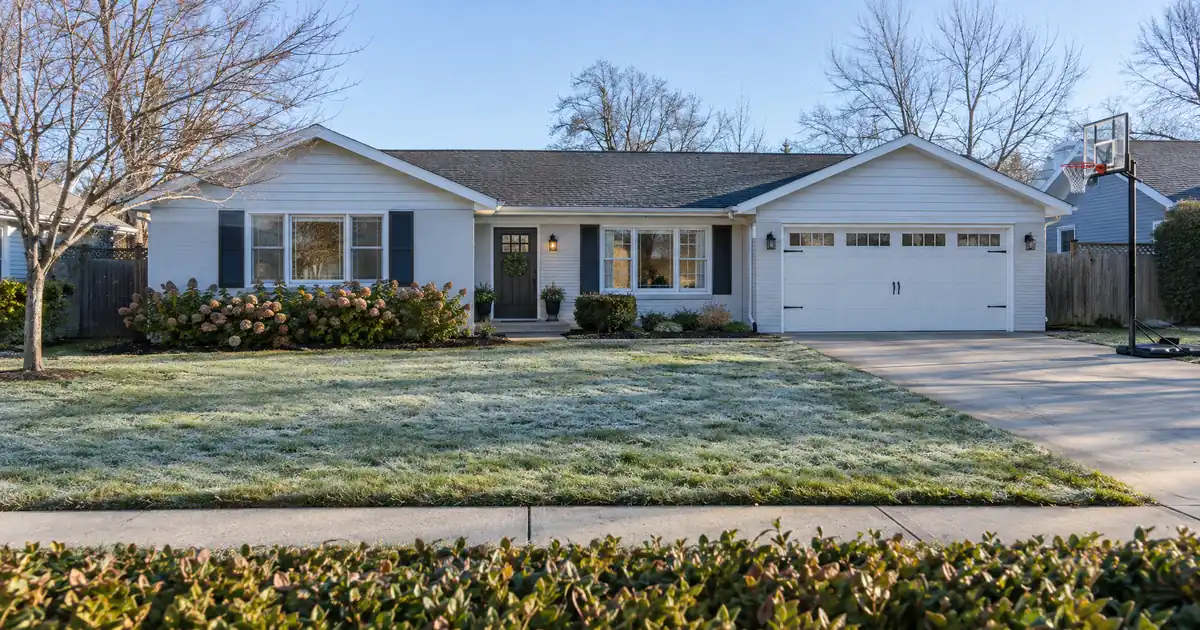
The Quick Read: The loan is for a home you plan to live in, so you buy it as your residence and rent it out only after you have moved on. At closing you certify that you will occupy the home. After that, you can usually keep the VA loan and rent the property when your life changes. You do not have to refinance or sell first. Keeping that loan active can use up part of your VA entitlement, which affects how much you can buy next with no down payment.
Key Takeaways
- VA purchase loans are owner-occupant loans. You certify intent to live in the home, and that intent is what counts.
- VA’s training materials describe move-in “within a reasonable time,” generally 60 days after closing.
- Once you leave, you may rent the home and keep the loan. No refinance is required.
- Rent from the old home usually offsets that home’s payment when you qualify for the next loan. It does not usually count as new income.
- Your remaining entitlement, not the first loan’s existence, decides whether the next VA purchase needs a down payment.
- In a 2-4 unit building, you live in one unit and can rent the others from day one.
How Does a VA Purchase Loan Work?
A VA purchase loan finances a home you will live in, with no down payment as long as the price does not exceed the appraised value. There is no mortgage insurance of any kind. With full entitlement, there is no VA loan limit.
VA payment estimate
Starting assumptions reflect an example price with no down payment and a first-use funding fee. Replace them with your own figures.
Editable benchmark: 7.32% as of October 22, 2026 · Freddie Mac 30-year average via FRED®. A conventional market reference, not a VA loan quote.
Illustrative starting assumptions: a $350,000 price, no down payment with full entitlement, a first-use funding fee financed into the loan, a thirty-year term at the current Freddie Mac benchmark, and property taxes and insurance estimated at typical national rates. Every field is editable.
Illustrative estimate only — not a Loan Estimate, approval, quote, or commitment to lend. The rate field carries the weekly Freddie Mac thirty-year conventional benchmark, a market reference and not a VA loan quote; your rate is set by the lender at lock. The funding fee follows VA’s published table for the use and down payment entered; the residual-income figure is VA’s guideline for the region and family size, and the rough residual shown subtracts only the housing payment and the debts entered, while VA also deducts taxes, maintenance and utilities. Taxes, insurance and dues are editable estimates; closing costs are not included. Licensed in sixteen states for consumer mortgages. Lendmire is not affiliated with or acting on behalf of the Department of Veterans Affairs.
That is the foundation. Here is what sits on top of it.
VA itself sets no minimum credit score. The wholesale programs Lendmire places VA loans with start at a 580 decision score and serve loan amounts up to $4,000,000 with full entitlement. Each lender reviews the full file, so the final answer depends on your credit, income, and the property. For a closer look at how the program fits different buyers, see Lendmire’s VA loan programs.
Your certificate of eligibility (COE) comes first. It is the VA document that confirms you meet the service requirements. VA decides that, not the lender.
Underwriting is where VA differs most from other loan types. Residual income is the controlling test. That is the money left each month after your debts, taxes, and basic living costs. The 41% debt-to-income figure is a guideline, not a cap. A ratio above it needs residual income well above the VA table.
Then there is the funding fee. It is a one-time charge you can finance into the loan. VA explains that it is based on the loan amount, not the purchase price. Veterans who receive compensation for a service-connected disability are exempt, as are certain other groups.
| Use and down payment | Funding fee |
|---|---|
| First use, under 5% down | 2.15% |
| First use, 5% to under 10% down | 1.5% |
| First use, 10% or more down | 1.25% |
| Subsequent use, under 5% down | 3.3% |
For subsequent use, the 1.5% and 1.25% tiers apply at the same down payment levels. This matters for the rental plan, because buying your next home with VA financing makes you a subsequent-use borrower.
What Does “Occupancy” Actually Require?
You must buy the home to live in it. The law asks you to certify that you intend to occupy the property as your home. That certification is the heart of the rule.
VA’s own training material, Occupancy, POA and Title Issues, points to the Lenders Handbook (VA Pamphlet 26-7) as the source. It says you must either already live there or intend to move in within a reasonable time after closing. The slides describe that window as generally 60 days.
Longer windows exist in narrow cases. You certify a specific move-in date, and a particular future event makes that date possible. Moving in more than a year after closing generally cannot be treated as reasonable.
Is there a 12-month minimum stay?
Not in the VA sources reviewed for this article. The “12 months” figure is common shorthand, and some lenders apply it as their own policy. Lenders call these extra rules overlays.
VA focuses on your intent at certification. Lenders may add their own timing expectations on top. One VA slide does mention a 12-month test, but it applies to single active-duty members, covered below.
So the honest answer is this: no fixed VA minimum stay turned up in the VA material, but ask your lender whether it has its own.
What separates a real change of plans from a problem?
Intent at closing is the line. Say you certify that you will live in the home, then a job transfer or family change moves you out. That is a change of plans.
Say instead that you buy a home planning to rent it out immediately. That is the situation to avoid. No VA page reviewed here quantifies penalties, so this article draws no legal conclusions. Treat the certification as a real statement.
Evidence of intent comes from ordinary life. Lenders often look at your address on your license, utilities in your name, and belongings moved in. That is lender practice, not a VA-published list. If your plans change early, keep a record of why, such as orders or an employer letter.
What Happens When You Move Out?
You can keep the VA loan and rent the home. You do not have to refinance. VA’s training material gives an example of a veteran who is transferred, rents the home, and later uses an IRRRL based on prior occupancy. The IRRRL, or interest rate reduction refinance loan, refinances an existing VA loan with no VA appraisal.
Here is the sequence in order:
1. Buy and certify. You sign the occupancy certification at closing. A lender blog says this happens on VA Form 26-1820, so confirm the paperwork with your loan officer.
2. Move in. Live there as your home, generally within 60 days of closing.
3. Live in it. Build your history in the home.
4. Decide to move. A new job, a PCS order, or a bigger family can all trigger this step.
5. Convert to a rental. The loan stays in place. Tell your servicer and your insurer about the change.
6. Set up as a landlord. Draft a lease, screen tenants, and budget for vacancy, repairs, and management.
7. Buy the next home. Use remaining entitlement, or a down payment where it falls short.
Insurance and local landlord rules vary by location, so check yours before the first tenant moves in. Tax treatment can depend on your situation; borrowers should speak with a qualified tax professional before relying on any deduction or credit.
Can You Rent Part of the Home Right Away?
In a 2-4 unit building, yes. You live in one unit, and you can rent the others from the start. VA’s training slides say the veteran must occupy a unit.
This is the earliest legal path to rental income. It is also where “a duplex is investment-only” falls apart. You must live in one unit.
The exact treatment is technical, so ask your loan officer how the lender will count it on your file.
Special Cases Where the General Rule Bends
Active-duty service members. A service member who cannot personally move in within a reasonable time may satisfy the rule through a spouse or dependent child who occupies the home. VA’s slides add that a caretaker or attorney-in-fact for a child can satisfy it if the veteran will eventually live there. Single active-duty members generally must occupy within 12 months.
Spouse occupancy for distant civilian work. A spouse’s occupancy may satisfy the requirement.
A PCS or job move soon after buying. This is the scenario VA’s own example describes. If orders arrive after you bought in good faith, you can rent the home and keep the loan. Lendmire’s piece Can Active-Duty Use VA Cash-Out to Buy the Next Home on a PCS? covers one way military buyers sequence that move.
Entitlement still tied up. While the first loan is active, the entitlement it used stays charged. Selling the home and paying off the loan restores it. A down payment may be needed on the next loan if what remains falls short.
How Entitlement Limits Your Next VA Purchase
Entitlement is the amount of your loan that VA guarantees to the lender. It is what lets VA lenders offer no-down-payment loans. Keeping the first loan does not block a second one. It uses up some of your entitlement.
VA’s guidance on using the benefit more than once lays out the formula:
1. Find the “Entitlement Charged” amount on your COE.
2. Take your county’s one-unit loan limit and multiply it by 25%.
3. Subtract the entitlement you already used.
What is left is your remaining entitlement. VA’s Buyer’s Guide says that, generally, remaining entitlement times four is the loan size VA can guarantee with no down payment. If the loan is bigger, a down payment covers the gap. The same VA page confirms an active second VA loan is possible if you meet the credit, income, and occupancy requirements.
Here is how that plays out in plain terms:
| Stage | What happens to your entitlement |
|---|---|
| Before the first purchase | Full entitlement available |
| After the first loan | Part is charged to the first home |
| Buying the second home | Remaining amount sets the no-down-payment size |
| Selling and paying off the first loan | The used entitlement is restored |
County limits change, so this article does not quote one. Speak with a loan officer about your county and your COE. A larger purchase than your remaining entitlement supports may need a down payment. For buyers with larger needs, Lendmire’s piece How to Keep Your Home and Buy Next With a VA Cash-Out Above the Limit covers the next layer.
How the Next Lender Treats Your Old Home’s Rent
Rent from the old home usually offsets that home’s payment. It does not usually add to your qualifying income. The VA underwriting chapter on credit underwriting is specific on this. A departing residence’s prospective rent can offset the mortgage payment on that property, and only that. It does not count in effective income.
The same chapter has other points worth knowing:
- The offset applies only if nothing suggests the home will be hard to rent.
- The underwriter is expected to know the local rental market.
- A rental offset does not require extra assets to cover the old home’s payment.
So surplus rent does not help you qualify. Picture an old home that rents for more than its payment. The extra still does not raise your qualifying income under this rule.
There is a different route. Rental income can count as established income, but that generally requires a documented rental history supported by traditional personal-income documentation, and older VA text also discusses reserves. Because that text comes from an older version of the guidance, confirm the current requirements with your lender.
Documents a lender typically asks for include:
- Your COE
- The signed lease, or a market rent estimate
- The old home’s mortgage statement
- traditional personal-income documentation, where rent is used as income
Keep the Home or Sell It?
Both paths work. The right one depends on your cash flow and how much entitlement you want back.
| Factor | Keep and rent | Sell and restore |
|---|---|---|
| Entitlement | Stays partly tied up | Restored after payoff |
| Next VA purchase | May need a down payment | Often easier to size |
| Ongoing work | Landlord duties | None |
| Rent offset | Offsets old payment only | Not applicable |
| Equity | Stays in the home | Released at sale |
Ask yourself these questions before deciding:
- Does the rent cover the old payment with room for vacancy and repairs?
- Can you handle the landlord work or pay for management?
- Would a down payment on the next home strain your savings?
Run those answers against your real numbers. Borderline rent plus a required down payment is the combination that catches people off guard. Renting works best as a long-term plan, not a quick-cash move.
Who This Strategy Does Not Fit
This plan fits you if you are buying a home to live in and expect to move on later. It does not fit if your real goal is a rental from day one. A VA purchase loan is an owner-occupant loan. Buying with a hidden plan to rent breaks the certification you sign. In that case, a different kind of financing is the honest route, and that is a separate conversation from this one.
Mistakes to Avoid
- Treating the 12-month stay as a VA rule. It is often a lender policy. Ask which one applies to you.
- Counting on old-home rent as qualifying income. For a departing residence, it offsets the payment only.
- Skipping your COE. Remaining entitlement drives the next purchase. Read the “Entitlement Charged” column.
- Forgetting the funding fee changes. A second use carries a higher tier at low down payments, unless you are exempt.
- Renting without telling anyone. Notify your servicer and your insurer when the home becomes a rental.
- Assuming every landlord rule matches your neighbor’s.
Key Terms Defined
Certificate of eligibility (COE): The VA document confirming you qualify for the home loan benefit and showing how much entitlement you have used.
Entitlement: The amount of your loan that VA guarantees to the lender, which lets you buy with no down payment.
Funding fee: A one-time charge on the loan amount that you can finance. Veterans receiving compensation for a service-connected disability are exempt.
Residual income: The money left each month after debts, taxes, and basic living costs. It is the controlling test in VA underwriting.
Overlay: A rule a lender adds on top of VA’s own requirements.
IRRRL: An interest rate reduction refinance loan, which refinances an existing VA loan with no VA appraisal.
Frequently Asked Questions
Can I rent out a house I bought with a VA loan?
Yes, after you have moved in and lived there as your home. The loan requires you to certify that you intend to occupy the property. Once your circumstances change, you may keep the loan and rent the home without refinancing. Renting from the start, with no intent to live there, is the problem.
How long do I have to live in the home before renting?
VA’s materials focus on intent at certification and a move-in generally within 60 days of closing. They do not set a fixed minimum stay in the sources reviewed here. Many lenders use 12 months as their own policy, so ask your lender what it expects.
Can I buy another home with a VA loan while keeping the first?
Yes, if you have remaining entitlement and meet credit, income, and occupancy requirements for the new home. Remaining entitlement times four generally sets the loan size VA can guarantee with no down payment. A larger loan needs a down payment to cover the gap.
Does rent from my old home help me qualify for the next loan?
It usually offsets the old home’s payment, which helps your debt picture. It does not raise your qualifying income. An underwriter also considers whether the home looks easy to rent in your local market.
Do I have to refinance before I rent the home?
No. VA sources do not require a refinance to rent. An IRRRL is optional and can rest on your prior occupancy. Whether it makes sense is a separate question that depends on your loan and your goals.
Next Step
If you are buying a home and want to see whether a VA loan fits your file, Lendmire can help you compare the options and what each one asks of the file. Every program figure here is subject to lender guidelines and full file review, and nothing here is a commitment to lend. Whether this plan works comes down to one thing you control: certify honestly, move in, and then decide what the home does for you.
For your own numbers, request a scenario review with Lendmire.
About Lendmire
Lendmire (NMLS# 2371349) is a mortgage brokerage serving homeowners and home buyers in 16 states. FHA, VA, conventional and jumbo purchase and refinance loans are arranged through wholesale lending channels; Lendmire brokers the financing and the lender underwrites each application. Scotsman Guide named Lendmire a Top Mortgage Workplace in both 2025 and 2026.
Get Started
Ready to find the right loan for you?
In about two minutes you can review financing options available for your home or investment property. No commitment required.
Informational only. Not a Loan Estimate, approval, or commitment to lend. Program availability and eligibility are subject to lender guidelines, credit approval, property review, and underwriting.
References
1. VA Funding Fee and Closing Costs
2. VA training slides: Occupancy, POA and Title Issues
3. VA News: Veterans can use their VA home loan benefit more than once
4. VA Home Loan Guaranty Buyer’s Guide
5. VA Pamphlet 26-7, Chapter 4: Credit Underwriting
This article is part of Lendmire’s VA loan program — full qualification details, guidelines, and scenarios live on the program page.
Related reading: Can You Use a VA Loan to Buy a Condo Without VA Approval? · VA Loan Homeowners Insurance Requirements for a Home Purchase · How to Buy Above the Conforming Limit on a Second VA Loan
Brandon Miller
Founder & CEO, Mortgage Loan Originator, Lendmire LLC
- Mortgage Loan Originator · NMLS# 1129696 · Verify on NMLS Consumer Access
- North Carolina Real Estate Broker · License# 343312 · Verify on NCREC
- North Carolina Insurance Producer · License# 19053198 · Property, Casualty, Life, Health · Verify on NAIC SBS
- Lendmire LLC · Firm NMLS# 2371349 · Verify firm licensure
Required disclosures. Lendmire (NMLS# 2371349) operates as a licensed mortgage broker, not a direct lender or depository. The discussion in this article is general in nature and should not be relied upon as financial, legal, or tax advice — every investment scenario is unique and should be reviewed by a qualified professional. Any loan inquiry is subject to lender underwriting, and this article is not a commitment to lend or a guarantee of approval. Mortgage rates, loan terms, and program guidelines vary by borrower, property, and state, and may change without notice. Equal Housing Opportunity. Verify licensure at NMLS Consumer Access.