
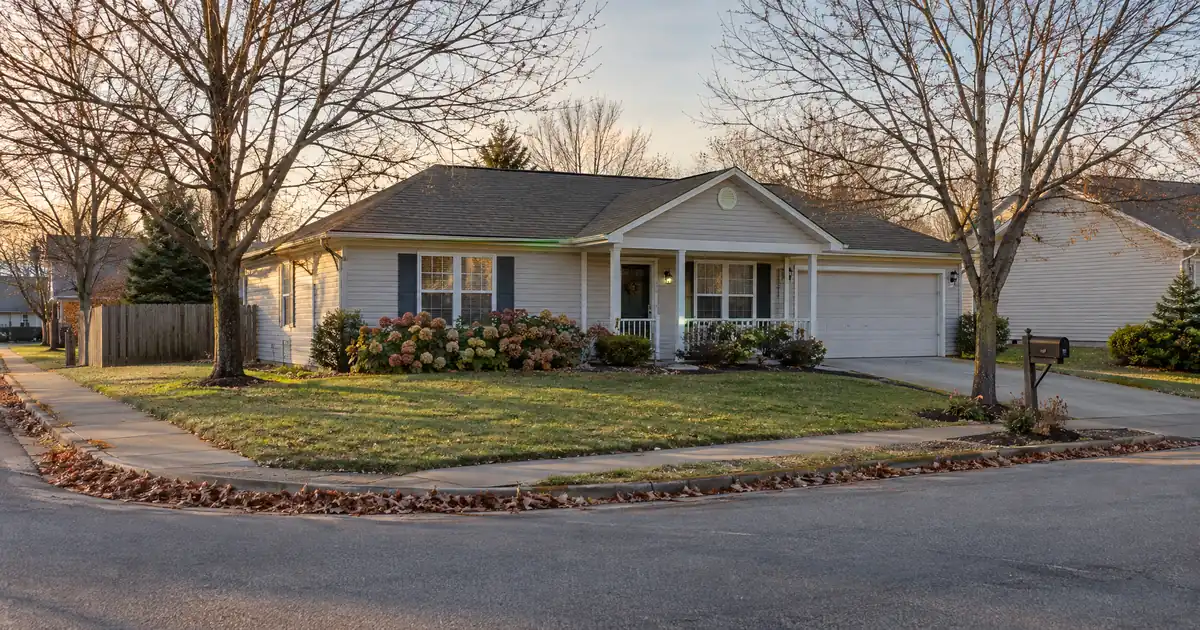
The Quick Read: An FHA appraiser judges condition by asking whether a defect affects the home’s safety, security, soundness or marketability. Cosmetic wear usually gets noted and nothing more. Real hazards, such as a failing roof, missing handrails or no working heat, usually become repair conditions that must be cleared before the loan can close. The appraiser reports what is visible. The lender decides what has to be fixed.
What Is the Appraiser Actually Judging?
The appraiser does two jobs in one report. The first is market value. The second is whether the home meets FHA’s property standards. The Minimum Property Requirements are general requirements that FHA-insured homes be safe, sound and secure.
FHA payment estimate
Starting assumptions reflect an example price and the FHA minimum investment. Replace them with your own figures.
Editable benchmark: 7.32% as of October 22, 2026 · Freddie Mac 30-year average via FRED®. A conventional market reference, not an FHA loan quote.
Illustrative starting assumptions: a $350,000 price, the FHA minimum investment as the down payment, a thirty-year term at the current Freddie Mac benchmark, and property taxes and insurance estimated at typical national rates. Every field is editable.
Illustrative estimate only — not a Loan Estimate, approval, quote, or commitment to lend. The rate field carries the weekly Freddie Mac thirty-year conventional benchmark, a market reference and not an FHA loan quote; your rate is set by the lender at lock. FHA mortgage insurance follows HUD’s published schedule for the term, leverage and loan size entered; taxes, insurance and dues are editable estimates; closing costs are not included; county loan limits are not checked here. Licensed in sixteen states for consumer mortgages. Lendmire is not affiliated with or acting on behalf of FHA, HUD, or the federal government.
That triad is the whole test. Safe means no hazard to the people living there. Secure means the home can be locked and protected. Sound means the structure and systems will last. A scuffed floor fails none of the three.
The home does not have to be new or perfect. Across the wholesale programs Lendmire places FHA files with, most flagged items are small and fixable. The files that stall are the ones where a real hazard turns up late.
Key Terms Defined
- Minimum Property Requirements (MPR): HUD’s general standard that an existing FHA home be safe, sound and secure.
- Appraisal condition: Something the appraiser requires to be done or known before the value conclusion holds, per HUD’s handbook glossary.
- Subject to repair: A value opinion that assumes a listed repair gets finished.
- Cost to cure: The appraiser’s estimate of what a repair will cost.
- Clearing a condition: Documenting that the repair is done so the lender can move forward.
Appraisal vs. Home Inspection: Not the Same Job
HUD’s own buyer flyer says the appraisal is not a home inspection and does not replace one. The appraisal protects the lender by estimating value. It does not protect the buyer by examining the house.
| Factor | FHA Appraisal | Home Inspection |
|---|---|---|
| Purpose | Value plus FHA standards | Buyer’s picture of condition |
| Ordered by | Lender channel | Buyer |
| Depth | Readily observable items | Systems, in more detail |
| Required by law | Part of the FHA process | No |
| Pays for repairs later | No | No |
The same flyer says neither FHA nor the lender will lend money for repairs if problems surface after closing. That is the gap a separate inspection fills. Buyers who skip it are betting the appraiser saw everything. The appraiser’s observation is limited to what can be readily seen.
How Does the Appraisal Visit Work, Step by Step?
1. The lender orders the appraisal. The appraiser works through the lender channel, not for the buyer. The buyer typically pays the appraisal fee.
2. The appraiser walks the property. The review covers the interior, the exterior and the accessible attic and foundation areas. Utilities should be on so heat, water and electrical can be checked.
3. Observations are held against the acceptability criteria. Each living unit needs safe water, sanitary facilities, sewage disposal, a bathroom, adequate heat, hot water and electricity. Built-in appliances and cabinets that convey with the house need to be present and working.
4. The report goes out with or without conditions. The appraiser may make the value “subject to” a repair or further inspection. HUD’s handbook update says appraisers must clearly state when no deficiencies have been observed or are known.
5. Repairs are finished and documented. The lender reviews proof of completion, often a re-inspection or completion documentation, and then clears the condition.
6. The buyer gets a copy. Under the CFPB’s guidance, the lender must give you a free copy of the appraisal promptly after it is done, with the exact timing varying by file and lender. A buyer can waive the timing but still receives the copy.
How Does the Appraiser Decide What Is a Problem?
Ask three questions about any condition. Does it threaten health or safety? Does it threaten the structure or a major system? Does it hurt marketability, meaning would an ordinary buyer refuse the home as is? Yes to any of them points toward a repair condition. No to all three points toward a note, or nothing.
| Tier | What it looks like | Who acts | What happens next |
|---|---|---|---|
| Note only | Worn carpet, dated kitchen, small scuffs | Nobody | Reported, no condition |
| Required repair | Missing handrail, no working heat, active leak, exposed wiring | Seller or buyer | Fix, then document |
| Required inspection | Signs of pests, standing water, structural movement | Specialist | Report before the lender clears |
| Likely deal-breaker | Major structural failure, no way to cure before closing | Lender | Renegotiate, switch structure or walk |
Appraisers and lenders also lean on the age of the home. Older homes raise the paint question. Secondary sources say deteriorated paint in a pre-1978 home generally has to be repaired using lead-safe practices. Roof life is another common trigger. Published figures for remaining roof life vary by source, so ask the lender what it requires on your file rather than trusting a number from a blog.
Where Do Appraisers Disagree?
Two appraisers can walk the same home and word things differently. Some of that is judgment. Is the peeling paint a surface issue or exposed subsurface? Is the sag in the deck a cosmetic flaw or a structural one? The standard they apply is the same; the call on a given condition is where they can differ.
The lender then has the final word. HUD’s framework puts primary responsibility for eligibility on the lender, with the appraiser supplying preliminary verification. That is why an item that looks minor in the report can still become a condition, and why a flagged item sometimes gets softened after a closer look.
Lenders are not allowed to interfere with the appraiser’s judgment. So pressure on the appraiser is not a strategy. Documentation is.
Worked Examples
Minor wear. A home has stained carpet, a cracked bathroom tile and faded exterior paint on a 1995 build. The appraiser notes the wear and may adjust value slightly. No repair condition follows. The file proceeds.
Missing handrail. A staircase has four risers and no rail. This is a safety item. The appraiser lists it as a required repair. The seller installs the rail, photos or a re-inspection confirm it, and the lender clears the condition.
Failing roof. The roof shows heavy wear and active staining below. The appraiser flags it. The lender may want a roofer’s certification. The buyer’s options are to ask the seller to repair, to renegotiate the price, or to move on. This is a contract matter between buyer and seller. HUD has no rule saying who pays.
Pre-1978 peeling paint. Deteriorated paint on an older exterior is flagged. Lead-safe repair and proof of completion follow. An “as-is” sign-off is generally not available when lead-related paint defects are present, so verify the current handbook language with the lender.
When the Home Needs More Than a Fix List
Sometimes the repairs are bigger than a seller will cover. The FHA 203(k) program combines the purchase with the repair costs in one loan. HUD’s 203(k) guidance splits it into two versions. The Standard version covers major rehabilitation and requires a 203(k) consultant. The Limited cap is reviewed annually, so confirm the current limit with the lender.
Rolling repairs into the loan raises the loan amount, which affects the monthly budget and the ratios. Lendmire’s FHA loan programs page covers how the base financing works. The envelope across the wholesale programs is maximum financing of 96.5% with a 3.5% minimum investment at a decision score of 580 or higher, subject to lender guidelines and full file review. County loan limits apply.
For a home that is still being prepped for the contract stage, Lendmire’s piece How to Keep an FHA Purchase on Schedule When the Home Needs Repairs goes deeper on the repair workflow.
Other Edge Cases
- New construction. HUD defines “Existing Less than One Year” as 100% complete, less than one year since the certificate of occupancy, and never occupied. New construction runs under the Minimum Property Standards rather than the existing-home standard.
- Wells and septic. Handbook updates have changed well-water testing where a well sits less than 100 feet from a septic system. Confirm current requirements.
- Occupancy. FHA purchase financing is for a principal residence. Occupancy decides the leverage, so a home you will not live in is a different loan.
- Pending changes. An appraisal education firm reports that HUD has proposed handbook revisions that would rename the standards “Property Acceptability Criteria” and formalize condition ratings. It is a proposal, not current rule.
Who Decides What?
| Role | Decision |
|---|---|
| Appraiser | Reports condition and value |
| Lender | Decides which items must be cleared |
| Specialist | Certifies roof, pest, structural or system |
| Seller | Agrees or refuses to repair |
| Buyer | Negotiates, repairs or walks |
What Should a Buyer or Seller Do Before the Visit?
Turn the utilities on. Replace dead smoke detector batteries. Add a missing handrail. Fix an obvious leak. Clear access to the attic and crawlspace. Those small steps remove the most common reasons for a condition.
Skip the cosmetic projects. A fresh coat of paint on sound walls will not change the condition review. Spending there is wasted money.
Buyers have a job too. Get your own inspection. Read the appraisal copy. CFPB warns that paying more than the appraised value is very risky, so read it before you decide how to respond to a low value.
Frequently Asked Questions
Do I still need a separate home inspection with an FHA loan?
A home inspection is not required by law, but it is strongly worth ordering. The appraisal does not examine condition for your protection, and neither FHA nor the lender will fund repairs found after closing.
Will cosmetic wear make the home fail?
Usually not. Worn paint, dated finishes and minor scuffs are generally noted without a repair condition. Safety, security and soundness issues are what trigger conditions.
Can the appraiser order repairs?
The appraiser reports what is needed, and can make value subject to repair. The lender decides what must be corrected before closing.
Who pays for required repairs?
That is negotiated between buyer and seller in the purchase contract. HUD has no rule that assigns the cost. A 203(k) loan is an option when the buyer wants to finance eligible repairs.
Do I get two appraisals if the home is flagged?
No. A single FHA appraisal covers value and property standards. A flagged item is cleared through repair documentation or re-inspection, not a second appraisal.
If you are buying a home and want to see whether an FHA loan fits your file, Lendmire can help you compare the options and what each one asks of the file. Program details are subject to lender guidelines and full file review, and nothing here is a commitment to lend.
For your own numbers, request a scenario review with Lendmire.
About Lendmire
Lendmire is a mortgage brokerage (NMLS# 2371349) licensed for consumer mortgage lending in 16 states, arranging FHA, VA, conventional and jumbo purchase and refinance loans through a wholesale lending network. Eligibility is determined by the lender on each file. Scotsman Guide named Lendmire a Top Mortgage Workplace in both 2025 and 2026.
Get Started
Ready to find the right loan for you?
In about two minutes you can review financing options available for your home or investment property. No commitment required.
Informational only. Not a Loan Estimate, approval, or commitment to lend. Program availability and eligibility are subject to lender guidelines, credit approval, property review, and underwriting.
References
1. HUD Handbook 4000.1 Glossary (Update 15)
2. HUD Handbook 4000.1 Glossary
3. HUD/FHA, For Your Protection: Get a Home Inspection
4. HUD Handbook 4000.1 transmittal (Jan 2023)
5. CFPB: Right to a copy of your appraisal
6. CFPB: Appraisal less than sale price
7. HUD FHA Info Center, 203(k) FAQ
8. McKissock: Proposed 4000.1 changes
This article is part of Lendmire’s FHA loan program — full qualification details, guidelines, and scenarios live on the program page.
Related reading: How an FHA Lender Sizes the Down Payment on Your Purchase · FHA Loan Limit Rules for the Down Payment on a Purchase · FHA Loan Requirements for the Borrower and the Property
Brandon Miller
Founder & CEO, Mortgage Loan Originator, Lendmire LLC
- Mortgage Loan Originator · NMLS# 1129696 · Verify on NMLS Consumer Access
- North Carolina Real Estate Broker · License# 343312 · Verify on NCREC
- North Carolina Insurance Producer · License# 19053198 · Property, Casualty, Life, Health · Verify on NAIC SBS
- Lendmire LLC · Firm NMLS# 2371349 · Verify firm licensure
Important disclosures. Lendmire (NMLS# 2371349) is a licensed mortgage brokerage. Lendmire is not a direct lender, depository institution, or financial advisor. All loan inquiries are subject to lender underwriting; this article does not constitute a commitment to lend. Rates, terms, and program guidelines are subject to change without notice and vary by borrower profile, property type, and state. Information in this article is general in nature and is not financial, legal, or tax advice. Equal Housing Opportunity. NMLS Consumer Access: nmlsconsumeraccess.org.