
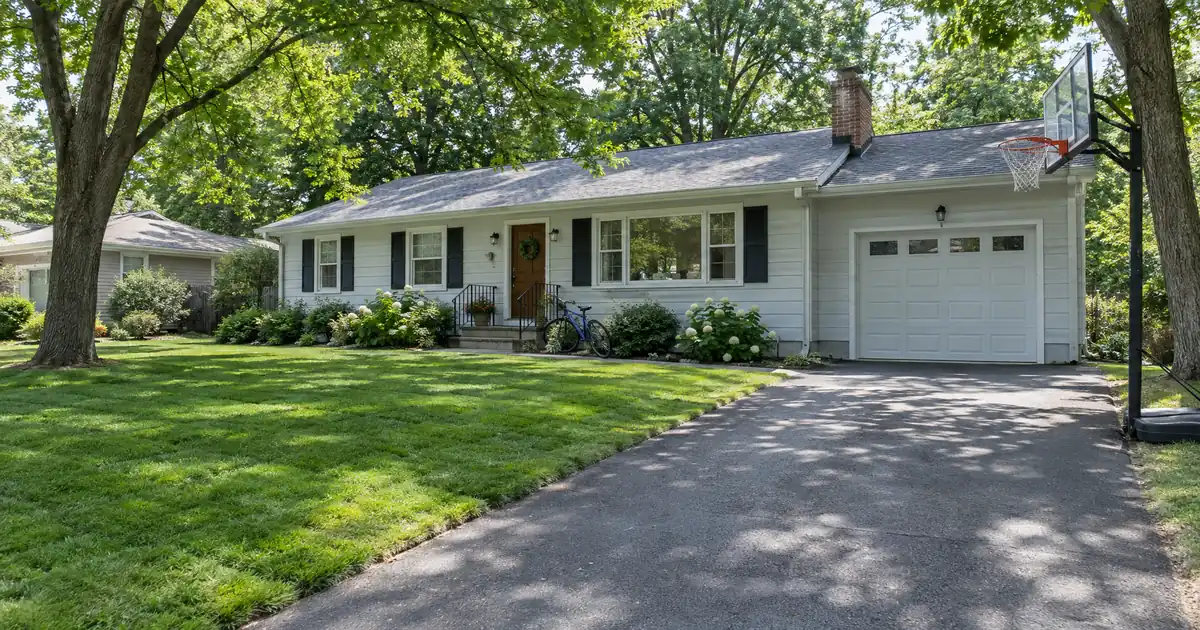
The Quick Read: A home you own free and clear can still carry a new first mortgage, and that is exactly what a cash-out refinance on a paid-off home is. Fannie Mae treats a new loan on a property with no mortgage lien against it as an eligible cash-out transaction. On a one-unit primary residence, conventional cash-out generally tops out at 80% of the home’s appraised value. Paying cash does not buy you a bigger loan or a cheaper category. Everything is subject to lender guidelines and full file review, and none of it is a commitment to lend.
Key Takeaways
- A home with no mortgage is a cash-out refinance, not a rate-and-term refinance. There is no existing loan to pay off.
- The usual rule is six months on title before you can borrow. Delayed financing, inheritance and legal award are the named exceptions.
- Your cash back is the new loan minus costs. It is not the full value of the home.
- You go from no housing payment to a new one. Budget for that before you apply.
- Credit, income, ratios and an appraisal all come back into play, even though you own outright.
Why Is a Loan on a Paid-Off Home Called a Refinance?
It is called a refinance because the loan replaces the “no loan” status of the property with a first lien. The name is a leftover from the common case, where the new loan pays off an old one. Here the old balance is zero, so the whole loan, minus costs, becomes cash.
Cash-out refinance estimate
The starting figures are an example value with a balance and a cash request in proportion. Replace them with yours.
Editable benchmark: 7.32% as of October 22, 2026 · Freddie Mac 30-year average via FRED®. A conventional market reference, not a cash-out refinance quote.
Illustrative starting assumptions: a $350,000 home value, a $193,000 current balance, the agency cap on a one-unit principal residence, a thirty-year term at the current Freddie Mac benchmark, and property taxes and insurance estimated at typical national rates. Every field is editable.
Illustrative estimate only — not a Loan Estimate, approval, quote, or commitment to lend. The rate field carries the weekly Freddie Mac thirty-year conventional benchmark, a market reference and not a cash-out refinance quote; a cash-out loan is priced by the lender at lock. The cash available is the loan the program cap allows less the balances paid off, before closing costs, which are not included. The HELOC line is the program’s combined loan-to-value ceiling applied to the same value and balance. Taxes and insurance are editable estimates. Licensed in sixteen states for consumer mortgages.
This trips people up. A rate-and-term refinance (a limited cash-out loan) exists to pay off an existing first mortgage. The Fannie Mae Selling Guide says a limited cash-out refinance requires a new loan that pays off an existing first mortgage or construction loan. A free-and-clear home has nothing to pay off. So it doesn’t fit that box.
Instead, the Fannie Mae Selling Guide’s cash-out section describes a cash-out refinance as a new mortgage on a property with no mortgage lien against it, where the borrower owns the property free and clear at the time of the refinance. That is your category.
Across the wholesale programs I arrange files through, the same logic holds. The loan is sized, priced and capped as cash-out. Having paid cash earns you no discount and no extra leverage. Lendmire’s cash-out refinance programs page lays out the programs in more detail.
How Much Cash Actually Comes Back?
Your cash equals the new loan minus closing costs and any liens that must be cleared. The loan itself is capped by a percentage of appraised value. On a one-unit primary residence, the conventional cash-out cap is 80% LTV. On two- to four-unit primary residences, second homes and investment property, it is 75%. Terms vary by lender guidelines, property type, leverage, credit profile, and full file review.
LTV means loan-to-value: the loan amount divided by what the home appraises for. The caps appear in the Fannie Mae eligibility matrix, and they are maximums. A lower credit score, a multi-unit building or a lender’s own rules can pull the number down.
Here is a modeled picture, not a quote. Say your home appraises for 100 units of value. At the 80% cap on a primary residence, the most the new loan could be is 80 of those units. Costs come out of that, and the rest is yours. The remaining 20% stays as your equity cushion.
One wholesale lane goes further. It reaches 89.99% LTV with no mortgage insurance, on a thirty-year fixed loan, primary residence, conforming balance, for borrowers at a 680 score and a 50% ratio. It carries its own six months of seasoning. It is not available everywhere. In Texas, for example, cash-out on a homestead is capped by the state constitution at the agency figure, so that lane is not written there. Exact terms depend on the lender’s guidelines, property type, leverage, and a full review of the borrower’s file.
A consumer guide from the CFPB makes the same point in plain words: no option lets you convert 100% of your equity into cash.
Two Paths for Cash Buyers: Close Now or Wait
A cash buyer has two real routes. Use delayed financing to borrow right after the purchase, or wait out the six-month title rule and borrow against appraised value. Staying free and clear is the third choice, and it costs nothing.
| Path | Best when | What you give up | How the loan is sized |
|---|---|---|---|
| Delayed financing | You need your cash back soon | Loan tied to documented purchase cost | Lesser of LTV cap and documented investment |
| Wait six months | Home value rose or you put in repairs | Cash stays tied up meanwhile | Appraised value times the LTV cap |
| Stay free and clear | You don’t need the money | Liquidity | No new loan |
Delayed financing only waives the wait. It does not turn the loan into something cheaper. It is still cash-out, still priced and capped as cash-out.
Waiting helps in one case: the home appraises well above what you paid, perhaps after repairs. Then the appraised-value test may reach further than the documented-cost test. If the appraisal comes in near your purchase price, waiting adds nothing but delay.
What Are the Delayed Financing Requirements?
You need an arm’s-length purchase, proof you bought with no financing against the home, documented source of funds, and clean title. The loan is capped at the lesser of the normal LTV limit and what you documented putting in.
Start with the time-on-title rule. Under an earlier version of the Fannie Mae guide, at least one borrower had to be on title six months before the new loan’s disbursement. That version also allowed delayed financing when the purchase was arm’s-length and the buyer was a person, an eligible trust, or an LLC or partnership the borrowers own 100%. The current guide keeps the delayed financing exception and adds that no waiting period applies to inheritance or a legal award from divorce, separation or dissolution of a domestic partnership.
Freddie Mac’s Guide section 4301.5 uses the same six-month idea, with its own exception table covering inheritance, legal award and delayed financing. The two agencies count the finish line slightly differently, so don’t assume which clock your file runs on. The lender tells you.
In practice, a lender will look for:
- Arm’s-length purchase. Buying from a relative or business partner generally doesn’t qualify.
- A clean purchase record. Your settlement statement should show no financing secured by the home.
- Clean title. A title search must show you as owner with no liens. A forgotten HELOC, contractor lien or tax lien has to be cleared first.
- Documented funds. Lenders want to see where the purchase money came from.
- Occupancy. On a primary residence, every borrower on a cash-out loan generally needs to live there. Confirm with your loan officer.
Documentation depends on where the money came from:
| Source of purchase funds | What lenders typically want |
|---|---|
| Savings | Bank statements showing the balance |
| Investment account | Brokerage statements and sale records |
| Borrowed funds (HELOC, personal loan) | Loan terms and payoff plan |
| Business funds | Records tying the funds to you |
Borrowed money changes the picture. If you used a loan to buy, the new cash-out proceeds generally must pay that borrowed money down first. Any balance left counts in your debt ratio. Extra cash only comes out once the borrowed funds are paid.
What Does the New Payment Look Like?
You move from no housing payment to a full new one, plus escrows for taxes and insurance if required. Lenders review that payment against your income. You should test it against your budget first.
I’m not quoting payment figures here, because they depend on terms set by the lender. The structure is simple, though. The new loan has principal and interest, and often a tax and insurance escrow. A larger loan can mean a higher payment, a longer payoff time and new terms, often a 30-year term.
Run a simple test before you apply:
1. What is the money for? Cash that earns nothing in an account probably doesn’t justify a new lien.
2. Could you pay this every month if your income dipped?
3. Is the cash being used to pay off other debt? CFPB research notes that turning other debt into home-secured debt can put the home at risk of foreclosure if payments become unsustainable. Missing payments on unsecured debt usually doesn’t carry that risk.
This is the part I would slow down on. Owning outright is a safety net, and a mortgage removes it.
Lenders measure affordability with a total debt ratio. Most wholesale conventional files run through automated underwriting, with a total ratio ceiling of 50%. Manually underwritten loans use 36% or 45%, depending on score and reserves. On automated cash-out loans, Fannie Mae’s matrix applies minimum reserves when the ratio is above 45%. Reserves are money you still hold after closing.
Cash-Out Refinance vs. HELOC vs. Home Equity Loan
A cash-out refinance replaces the whole first lien with one new loan. A HELOC is a revolving line behind it. A home equity loan is a fixed lump sum behind it. On a paid-off home, each is a new lien. The right one depends on how you will use the money.
| Feature | Cash-out refinance | HELOC | Home equity loan |
|---|---|---|---|
| Lien position | New first mortgage | Second lien | Second lien |
| How you get funds | One lump sum | Draw as needed | One lump sum |
| Best for | Large, one-time need | Ongoing or uncertain costs | Fixed-cost project |
| Main tradeoff | Full refinance costs | Variable access and terms | Lump sum, extra loan |
On a free-and-clear home, you have no first mortgage worth protecting, so the usual argument for a second lien is weaker. If you need a large sum once, a first-lien cash-out refinance is often cleaner. If you want to borrow in pieces, a line may suit you better. Lendmire’s piece Cash-Out Refinance for Homeowners Who Want to Tap Equity More Than Once covers that repeat-borrowing question.
Costs, Appraisal and Underwriting
Expect a full loan process: credit review, income review, an appraisal and closing costs. Owning outright does not waive any of it. The costs reduce your cash.
CFPB research notes that closing costs can include origination fees, appraisal fees, title insurance, and other taxes and fees. Closing costs, points and prepaid items are acceptable uses of cash-out proceeds, so they can come out of the loan. That lowers what lands in your account.
The appraisal sets current value for the LTV test. Delayed financing doesn’t waive it. For a conventional wholesale file, the usual credit floor starts at a 620 decision score, and the automated finding governs most files. Credit events carry agency waiting periods: four years from a chapter 7 discharge, seven from a foreclosure, and four from a short sale or deed-in-lieu. Documented extenuating circumstances can shorten them.
Mortgage insurance matters at higher leverage. It is required above 80% LTV. On the standard conventional cash-out, the 80% cap on a primary residence sits right at that line. The 89.99% wholesale lane is built to avoid it. Every figure here varies by lender and program — guidelines, property type, leverage, and credit profile all apply.
Your Loan Estimate and Closing Disclosure show the cash to you. Read them line by line. The CFPB’s guide to those forms walks through where it appears.
Where the General Rule Breaks
The six-month rule and the 80% cap are the baseline. A handful of situations bend them: inheritance, divorce, LLC ownership, borrowed purchase money, delinquent taxes, and non-primary occupancy.
- Inheritance or divorce. No waiting period applies when the lender documents an inheritance or a legal award.
- Bought through an LLC. Delayed financing has allowed this when the borrower owns 100% of the entity. Older guide text allowed entity holding time to count if the borrower controlled it, with ownership moved to the individual at closing. Wording changes, so ask your lender which version applies.
- Part-cash, part-borrowed purchase. Covered above: borrowed funds get repaid first.
- Delinquent property taxes. Fannie Mae treats a new loan that finances real estate taxes more than 60 days delinquent, without setting up an escrow account, as ineligible.
- Existing HELOC. If you have an old one, its lender may need to approve the new first mortgage.
- Second home or rental. Occupancy decides leverage: the 75% cap applies instead of 80%.
- Manufactured housing. It has its own, lower cash-out limits.
- Government loans. FHA and VA have their own seasoning and occupancy tests, and the VA’s cash-out page asks for a Certificate of Eligibility and that you live in the home. Ask your lender to confirm the exact FHA and current VA tests. The FHA Streamline and VA IRRRL are no help here: both require an existing government-backed loan and are built to lower payment, not pay out cash.
Who This Fits, and Who Should Skip It
A cash-out refinance fits you if you have a defined, valuable use for the money and a payment you can carry. It fits poorly if you simply feel better with cash on hand.
Common good fits include a buyer who paid cash for a home needing repairs and wants to recoup the outlay, or a long-time owner funding a one-time need. Retirees sometimes use it, but they need to weigh the new payment against fixed income.
Skip it when the money has no job, when the payment would stress your budget, or when you could cover the need from savings. Also pause if you’re about to sell. A new loan with costs rarely pays off on a short horizon.
Common Mistakes
- Assuming cash buys a bigger loan. It doesn’t.
- Counting the six months from the contract date. The clock runs from when you take title.
- Applying the 12-month loan-age rule. That applies to an existing first mortgage being paid off. A cash buyer has none.
- Skipping the title check. An old lien can stall the file.
- Ignoring document needs. Gather statements early.
- Forgetting the payment. Test the new monthly carry, not just the cash.
Lendmire’s plain-English cash-out definition is a good companion if any of the vocabulary here is new.
Key Terms Defined
Cash-out refinance: A new mortgage larger than what you owe, with the difference paid to you in cash.
Free and clear: Owning a home with no mortgage or lien against it.
Delayed financing: An agency exception that lets a cash buyer take a cash-out loan without waiting out the usual title period.
Seasoning: The waiting period a lender requires before you can borrow, such as time on title.
LTV (loan-to-value): The loan amount divided by the home’s appraised value.
Reserves: Money you still hold after closing, available to cover payments.
Frequently Asked Questions
Is it really a refinance if I have no mortgage?
Yes, in name. Agency guides classify a new first mortgage on a free-and-clear property as a cash-out refinance. There is no balance to pay off, so the loan minus costs is your cash.
Can I do it right after buying with cash?
Possibly, through delayed financing. It waives the six-month title wait if the purchase was arm’s-length, title is clean and your source of funds is documented. The loan is still treated and capped as cash-out, and lender guidelines apply.
Can I get more than I paid?
Under delayed financing, the loan is tied to your documented investment, so generally no. If you wait out the title period, the loan is sized from appraised value, which can reach further if the home gained value.
What if I used a HELOC or personal loan to buy?
Borrowed purchase funds change the treatment. Cash-out proceeds generally must pay that debt down first, and any remaining payment counts in your debt ratio.
Do I need an appraisal?
Yes. The appraisal sets current value for the leverage test, and delayed financing does not waive it.
For your own numbers, request a scenario review with Lendmire.
For current guidelines and terms, see Lendmire’s refinance programs page.
About Lendmire
Lendmire — NMLS# 2371349 — is a mortgage broker that arranges FHA, VA, conventional and jumbo home purchase and refinance financing in 16 states through wholesale lenders. Every option is subject to the lender’s guidelines and full underwriting. Scotsman Guide named Lendmire a Top Mortgage Workplace in both 2025 and 2026.
Get Started
Ready to find the right loan for you?
In about two minutes you can review financing options available for your home or investment property. No commitment required.
Informational only. Not a Loan Estimate, approval, or commitment to lend. Program availability and eligibility are subject to lender guidelines, credit approval, property review, and underwriting.
References
2. Fannie Mae Selling Guide B2-1.3-03, Cash-Out Refinance Transactions
3. Fannie Mae Eligibility Matrix
4. CFPB, Using Your Home Equity guide
6. CFPB’s guide to those forms
This article is part of Lendmire’s cash-out refinance program — full qualification details, guidelines, and scenarios live on the program page.
Related reading: How to Take a Cash-Out Refinance From Application to Closing · Cash-Out Refinance vs HELOC on a Home You Inherited · How Much Cash Back a No Cash Out Refinance Allows
Brandon Miller
Founder & CEO, Mortgage Loan Originator, Lendmire LLC
- Mortgage Loan Originator · NMLS# 1129696 · Verify on NMLS Consumer Access
- North Carolina Real Estate Broker · License# 343312 · Verify on NCREC
- North Carolina Insurance Producer · License# 19053198 · Property, Casualty, Life, Health · Verify on NAIC SBS
- Lendmire LLC · Firm NMLS# 2371349 · Verify firm licensure
Compliance and disclosures. Lendmire (NMLS# 2371349) is a licensed mortgage broker and is not a direct lender, depository institution, financial advisor, or tax professional. Content in this article is general market analysis and educational information — not financial, legal, or tax advice for any specific situation. Lendmire does not guarantee loan approval; every transaction is subject to underwriting by the funding lender. Mortgage pricing and loan program guidelines are subject to change at any time without notice and vary by borrower characteristics, property type, and state regulations. Lendmire complies with Equal Housing Opportunity. Licensure verification: NMLS Consumer Access.