
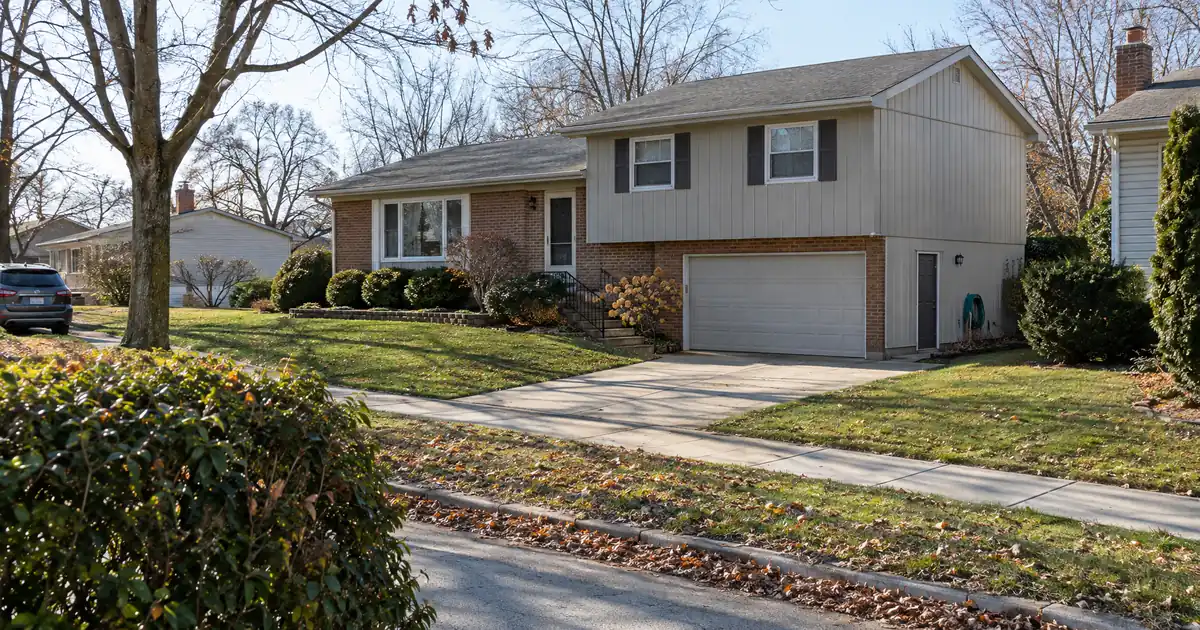
The Quick Read: You qualify for the cash-out loan on your own documented deposits, credit, equity and reserves, and the gift is a separate transaction that your child’s lender must accept, document and trace back to your account with no expectation of repayment. The two loans never merge. Your lender cares about your file, and your child’s lender cares about the gift.
- Your cash-out loan is reviewed on 12 months of bank statements, subject to lender guidelines.
- Cash-out leverage depends on occupancy: up to 80% LTV on a primary residence, up to 75% on a second home, and around 75% on an investment property.
- The child’s lender sets the gift rules, so confirm them before you refinance.
- A gift letter is not enough. Lenders want proof the money moved and cleared.
- If the gift is meant to be repaid, it is a loan, and it changes your child’s qualifying.
How Do the Two Transactions Fit Together?
Your refinance and your child’s purchase run on separate tracks. Your lender looks at you, your property and your equity. Your child’s lender looks at your child, the new home and the source of the down payment.
The cash lands in your account first. You then send it to your child or straight to the escrow or title company.
Here is the catch. Your lender does not control how your child’s lender treats the gift. The practical approach is to get both sides to agree on the paper trail before you start.
What Does the Bank Statement Cash-Out Need From You?
The program tests you, not your child. Across the wholesale network Lendmire works with, a bank statement cash-out is reviewed on documented income under the applicable program, subject to lender guidelines. Lendmire is a broker. It shops your file across multiple wholesale lenders and matches it to the program that fits.
| Requirement | Typical range | What to prepare |
|---|---|---|
| Documentation | 12 months of statements | Personal or business accounts |
| Primary residence cash-out | Up to 80% LTV | Fixed expense ratio; 75% LTV with an accountant-prepared ratio |
| Second home cash-out | Up to 75% LTV | Occupancy and use details |
| Investment property cash-out | Around 75% LTV | Business-purpose paperwork |
| Loan size | Roughly $125,000 to $3,500,000 | Payoff and title information |
| Reserves | Commonly about 6 months of housing payment | Liquid asset statements |
These are typical ranges from select lenders, not promises. Credit, loan size and property type move them. The strongest files earn the top of each range.
The income math works like this. The lender averages your eligible deposits over the statement months. It applies an expense factor, which varies by lender, then tests your debt load. Transfers between your own accounts, loan proceeds, refunds and one-off windfalls generally do not count as income. A fully documented file is still a fully documented file. “Bank statement” describes the income method, not a shortcut.
If you want the wider picture of how non-traditional documentation fits with investor financing, Lendmire’s complete DSCR loans guide covers the property-income side. For heavier loan sizes, there is a separate piece on documents for a super jumbo bank statement cash-out.
Step by Step: From Your Application to Your Child’s Closing
Order matters more than speed here. The goal is that your funds have fully cleared before your child’s lender needs to see them.
1. Call your child’s lender first. Ask whether gifts are allowed for that loan program, who counts as an acceptable donor, and what proof they want.
2. Choose your collateral. The home you live in, a second home, or a rental. Occupancy drives leverage and the paperwork that follows.
3. Qualify on your deposits. Your lender averages your statements, tests your debt load and orders the appraisal.
4. Close your refinance. The existing lien is paid off and the net proceeds go to your account.
5. Move the money by a traceable method. A wire or check from your account to your child or to escrow works. Avoid cash.
6. Sign the gift letter. Your child’s lender will tell you the exact form.
7. Keep the statements. Your child’s lender may ask for your account showing the withdrawal and your child’s account showing the deposit.
Notice what is missing: any promise about timing. Your child’s closing date sets the deadline, so sequence the steps backward from it.
What Will the Child’s Lender Ask For?
The child’s lender will ask for a gift letter and proof of the transfer. The lender will also want proof your child received the funds, such as a canceled check or a bank statement.
Your child must also disclose the gift on the loan application, as Experian points out. Many lenders accept gifts from relatives by blood, marriage, adoption or guardianship, according to American Century.
If your child uses a non-QM loan, the rules are different again. HSH says that on a non-QM loan, the lender’s own guidelines dictate the gift documentation. That means no single checklist covers every program. Ask for the written requirement.
Gift or loan?
A true gift has no repayment expectation. Not a quiet one, not an informal one. Signing a gift letter while expecting to be paid back is misrepresentation to the lender. If you do expect repayment, call it a loan. Your child then carries a new debt, and that debt affects the qualifying math on the purchase.
What About the Gift-Tax Side?
The donor reports the gift, not the child. According to the IRS gift tax FAQ, the annual exclusion applies per recipient. The figure is currently $19,000 per person, and the IRS adjusts it periodically.
Going over that amount usually means filing Form 709 rather than writing a check. NerdWallet explains that the excess is subtracted from your lifetime exclusion, and the recipient owes nothing. The return is generally due by April 15 of the year after the gift.
Tax treatment varies; consult a qualified professional before you decide how much to gift.
A Worked Example
Say you own a primary residence you live in, with an existing mortgage equal to roughly 45% of its value. Your lender offers a cash-out ceiling of up to 80% LTV on a primary residence. That leaves room of up to about 35% of the home’s value before closing costs and any lender-specific limits. Every figure here varies by lender and program — guidelines, property type, leverage, and credit profile all apply.
Now suppose your child’s purchase calls for a gift equal to about 10% of your home’s value. The room is there. But the new loan is bigger, so your debt load rises and your reserve cushion shrinks. Whether your deposits support the new obligation is the real test.
Compare a rental as collateral. Cash-out tops out around 75% LTV on an investment property. The same gift is a larger bite out of less available equity. Worse, you are using business-purpose proceeds for a family purpose. That brings us to the edge cases. Final terms depend on lender guidelines, property type, leverage, and the borrower’s complete credit picture.
Where the General Rule Breaks
Rental collateral. A bank statement loan on a non-owner-occupied rental is business-purpose. Consumer mortgage disclosure rules apply to owner-occupied files, including a primary residence and second home, but not to business-purpose rental loans. The lender may ask you to certify how the proceeds will be used. Answer it accurately. Small incidental personal use is a gray area. Using proceeds to give a child a down payment may contradict the declared purpose. Have an attorney or CPA review the certification before you sign. Do not assume gifting is permitted.
Owner-occupied collateral. This is simpler. Freddie Mac defines a cash-out refinance as one with no specific restrictions on how proceeds are used. That is agency conventional lending, not the alt-doc programs. Alt-doc lenders follow their own guidelines, but on owner-occupied files, proceeds are generally unrestricted. The gift then becomes mainly a documentation and tax matter.
Second home collateral. The second home is capped at 75% LTV on cash-out. Lenders look at occupancy and use. These specifics are subject to lender guidelines and a full review of property, leverage, and credit.
Child’s loan type. Gifts are generally accepted on a primary-residence purchase. Many programs restrict or bar gifts on an investment-property purchase. Some allow a gift toward a cash purchase. Programs differ on who may donate.
Large deposits. A big deposit shortly before your child’s application raises questions. Reduce friction by moving the money directly and early.
Gifts to a trust, or of title. Gifts to a trust do not qualify for the annual exclusion. Adding your child to your deed is a separate gift. Keep these apart from the down payment gift.
Is a Cash-Out the Right Way to Fund the Gift?
Sometimes it is not. Compare the options.
| Option | Strength | Watch-out |
|---|---|---|
| Bank statement cash-out | It is reviewed on deposits; one lump sum | Higher debt on your property |
| Home equity line | Draw only what you need | Terms follow the lender’s program |
| Savings or investments | No new debt | May trigger taxes if sold |
| Loan to your child | No gift paperwork | Becomes your child’s debt |
For a self-employed rental owner, there is another fork. A bank statement cash-out tests you as a person. A DSCR cash-out tests the rental’s rent against its payment. For rentals, many investors find the DSCR path a cleaner fit because it ties the loan to the property. If you are buying a home for yourself, the bank statement route usually matters more.
Equity also has a cost beyond the gift. A larger loan on your own property raises your obligation and thins your cushion. That is the real risk, so size the gift to what your file can carry.
When Is This a Poor Fit?
Skip this plan if any of these apply:
- Your deposits barely support your current obligations, so a larger loan stretches you.
- Your child’s loan program does not accept gifts.
- You expect repayment and want to call it a gift.
- Your only equity is in a rental, and the proceeds must stay consistent with a business-purpose declaration.
- You are within a short window of your child’s closing and cannot afford a gap.
Key Terms Defined
Bank statement loan: a mortgage that is reviewed around average deposits over a set number of months rather than tax-return income.
Cash-out refinance: a new loan that pays off the old one and gives you the extra equity as cash.
LTV (loan-to-value): the loan balance divided by the property’s value.
Gift letter: a signed statement from the donor that the money is a gift and does not need to be repaid.
Reserves: liquid savings a lender wants left after closing, commonly measured in months of housing payment.
Business-purpose loan: a loan on a non-owner-occupied rental, reviewed differently from a standard owner-occupied mortgage.
Frequently Asked Questions
Does the child pay gift tax on the money?
No. The donor reports the gift, and the recipient owes nothing. If the amount to one child exceeds the annual exclusion, you file Form 709 and the excess reduces your lifetime exclusion. A tax professional can tell you how that applies to you.
Can I use a rental property for the cash-out and gift the proceeds?
It depends on the program and how you describe the use of proceeds. Rental cash-out is business-purpose, and lenders may ask you to certify the purpose. Answer accurately and have an attorney or CPA review it. Do not assume a family gift fits.
What does the child’s lender need from me?
Usually a signed gift letter, proof the funds left your account, and proof they arrived in your child’s account or escrow. The exact list depends on the child’s loan program, so ask for it in writing before you refinance.
Does my new loan affect my child’s mortgage approval?
Generally it should not, because your child’s lender qualifies your child. Your child’s file is affected if the money is a loan rather than a gift, since that creates new debt for your child. Your lender separately tests your own file.
How much can I pull out for the gift?
It is capped by occupancy and equity. Typical cash-out ceilings are up to 80% LTV on a primary residence, up to 75% on a second home and around 75% on an investment property. Existing liens, credit and loan size can lower the amount, subject to lender guidelines.
Next Step
If you are self-employed and want to see how the numbers work, Lendmire can help you compare bank statement loan options based on your deposits, the property, credit profile, leverage, and your goals. Lendmire is a mortgage broker that arranges these loans through select wholesale lenders in the 16 states where its consumer mortgage licensing applies. Qualification is subject to lender guidelines and is not a commitment to lend.
For how equity extraction works on an investment property, see Lendmire’s guide to cash-out refinance on an investment property.
About Lendmire
Lendmire, NMLS# 2371349, is a mortgage brokerage with consumer lending licenses in 16 states. Bank statement, P&L-only, 1099-only and asset-based mortgages are arranged through wholesale lending partners for borrowers whose tax returns understate their income, and each application is reviewed individually by the lender. Scotsman Guide named Lendmire a Top Mortgage Workplace in both 2025 and 2026.
Get Started
Ready to find the right loan for you?
See your offer in seconds. No credit pull, no obligation.
Informational only. Not a Loan Estimate, approval, or commitment to lend. Program availability and eligibility are subject to lender guidelines, credit approval, property review, and underwriting.
References
1. Experian
3. HSH – Using gift money for a down payment
4. IRS – Frequently asked questions on gift taxes
This article is part of Lendmire’s bank statement loan program — full qualification details, guidelines, and scenarios live on the program page.
Related reading: Best Bank Statement HELOC Program for a Single-Family Home · Best Bank Statement HELOC Program to Purchase Investment Property in Cash · Best Bank Statement HELOC Program on an Inherited Home
Brandon Miller
Founder & CEO, Mortgage Loan Originator, Lendmire LLC
- Mortgage Loan Originator · NMLS# 1129696 · Verify on NMLS Consumer Access
- North Carolina Real Estate Broker · License# 343312 · Verify on NCREC
- North Carolina Insurance Producer · License# 19053198 · Property, Casualty, Life, Health · Verify on NAIC SBS
- Lendmire LLC · Firm NMLS# 2371349 · Verify firm licensure
Legal disclosures. Lendmire (NMLS# 2371349) is a state-licensed mortgage brokerage that arranges financing through wholesale lender relationships. Lendmire is not a direct lender, depository institution, or registered financial advisor. The discussion above is general informational content about real estate financing — it is not financial, legal, or tax advice, and readers should consult licensed professionals for guidance on their individual circumstances. Loan inquiries are subject to lender underwriting; this article does not represent a commitment to lend. Loan terms, rates, and qualification standards vary by borrower, property, and state, and are subject to change at any time. Equal Housing Opportunity. NMLS Consumer Access: nmlsconsumeraccess.org.