
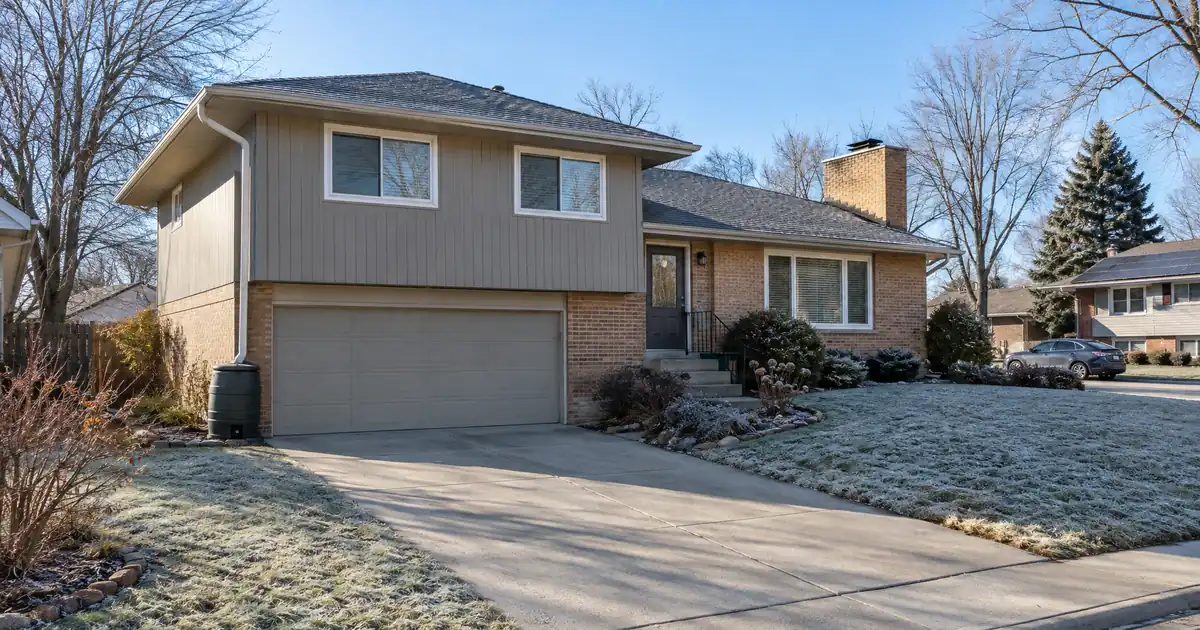
The Quick Read: The right bank statement cash-out refinance program for funding real estate ventures is the one that matches your property’s occupancy, your deposit history, and the amount of cash your equity and income can both support, which is why the answer changes from file to file. Lendmire is a mortgage broker that shops a network of wholesale lenders, so the work is matching your file to a program, not picking a brand. A few numbers frame the decision:
- Qualification runs on documented income under the applicable program, subject to lender guidelines. That usually means 12 months of personal or business bank statements.
- On a cash-out, an investment property tops out around 75% LTV. A primary residence goes up to 80% LTV, and a second home up to 75% LTV.
- Cash is capped by the tighter of two limits: how much equity the leverage cap allows, and how much payment your documented income supports.
- Loan sizes run roughly $125,000 to $3,500,000, and reserves are commonly around six months of the housing payment.
- Occupancy (owner-occupied or rental) decides how the loan is treated, so settle it before you pick a program.
Key Terms Defined
Cash-out refinance: a new, larger first mortgage pays off the old one, and you receive the difference as cash.
Bank statement loan: a non-QM loan, meaning it falls outside standard agency mortgage rules. It reads your income from deposit history instead of tax returns.
LTV (loan-to-value): the loan balance divided by the property’s appraised value, shown as a percentage.
Expense factor: the share of business deposits a lender removes to stand in for operating costs. The lender sets it, not you.
DTI (debt-to-income): your monthly obligations divided by your qualifying monthly income.
Reserves: liquid funds you must still hold after closing, counted in months of the housing payment.
Seasoning: the waiting period a program wants between acquiring a property and cashing out of it.
What a Bank Statement Cash-Out Refinance Does
You own a property with equity. A bank statement cash-out lets you pull part of that equity out as cash, using deposits to prove income instead of tax returns. The cash can then fund the next purchase, a renovation, or a business need.
This product fits a particular borrower. Many self-employed investors write off enough expenses that their tax returns show little income. Their bank accounts tell a stronger story.
Underwriters still review full statements by hand, calculate the income, and test your debt load. The loan is reviewed on documented income under the applicable program, subject to lender guidelines. The documentation differs from a standard loan, but nothing is missing from the file.
How Underwriting Treats Your Deposits, Step by Step
Across the wholesale lenders we place files with, the process follows the same general path:
1. Pick the lookback window. Most programs work from 12 months of statements. Some lenders offer a longer window. Twelve months reflects a strong recent year faster. A longer window smooths out seasonal swings.
2. Total the eligible deposits. The underwriter removes credits that are not income. Typical exclusions are transfers between your own accounts, loan proceeds, refunds, and one-time windfalls.
3. Apply an expense factor to business accounts. The lender removes a share of business deposits to represent operating costs. A flat factor is common. An accountant-prepared expense ratio can sometimes replace it, and it often helps. Each lender sets its own approach, so never assume a universal formula.
4. Average and apply ownership share. Eligible deposits are averaged by month, reduced by the factor, and adjusted if you own only part of the business.
5. Test DTI. The new payment and your other obligations are measured against that qualifying income.
6. Size the loan. The appraisal sets value. The program’s cash-out ceiling sets the maximum loan. Cash to you is that loan minus the payoff, costs, and any funds held for reserves.
Several things decide the outcome: deposit consistency, the expense factor, the appraisal, credit profile, DTI, and reserves. A lender can also look at seasoning when you recently bought the property.
How Much Cash Can You Actually Pull?
You are limited by the tighter of two ceilings. Many borrowers only check the first.
The equity limit. Each program caps the new loan as a percentage of value. Cash-out ceilings depend on occupancy. A primary residence can reach up to 80% LTV with a fixed expense ratio. If an accountant prepares the expense ratio instead, the ceiling drops to 75% LTV, so the accountant route is the lower ceiling, not the higher one.
| Occupancy | Cash-out ceiling (typical) |
|---|---|
| Primary residence, fixed expense ratio | Up to 80% LTV |
| Primary, accountant-prepared ratio | 75% LTV |
| Second home | Up to 75% LTV |
| Investment property | Up to 75% LTV |
Those are cash-out figures. The 90% figure you may see for bank statement programs applies only to primary-residence purchases and rate-and-term refinances. It does not apply to a cash-out. Strong files earn the top of each range, and loan size and credit can pull a program lower.
The income limit. Your documented income has to support the new payment alongside your other debts. A bigger cash-out means a bigger loan, and a bigger loan means a bigger payment.
Here is a worked picture, using percentages only. Say an investment property appraises at 100% of value, and your existing mortgage uses 55% of it. At a 75% ceiling, the equity limit leaves about 20% of value before closing costs, payoff items and reserves are taken out, so the cash that reaches you will be smaller. Now test income. If your qualifying income, after the expense factor, supports a smaller loan than 75% would require, the income limit wins. The loan shrinks to what DTI allows.
What Makes a Program the Best Fit for Real Estate Ventures?
| Criterion | Why it matters | What to ask |
|---|---|---|
| Occupancy rules | Sets leverage and disclosures | Is my property owner-occupied or rental? |
| Cash-out ceiling | Caps your proceeds | What LTV applies to my occupancy? |
| Expense factor | Moves qualifying income | Can an accountant ratio replace it? |
| Statement window | Changes the income figure | Is 12 or longer better for my deposits? |
| Reserves | Cash you must hold back | Can proceeds count toward them? |
| Title and entity | Affects how you hold it | Can the property sit in an LLC? |
On the LLC question, eligibility depends on the program terms, and many owner-occupied programs require title in your personal name.
Matching the Program to the Venture
Different ventures stress different features of the loan. Here is how the match usually works.
Down payment on the next rental. This is the cleanest use. Cash-out proceeds fund the down payment, closing costs, and reserves on the next property. The purchase is a separate file, so plan for it to be underwritten on its own merits. Lendmire’s piece on whether a bank statement cash-out can fund the down payment on your next home covers that use in more detail.
Rehab capital. Proceeds from a cash-out can fund renovations on another property. An improvement may support a higher appraised value on that property, depending on comps and underwriter review. Never size a plan around a promised lift.
Bridge-then-refinance. Some investors cash out to bridge a purchase, then refinance the new property onto its own financing. Check the program’s seasoning rules first, because a recent purchase may limit your options.
Buying out a partner or expanding a business. These uses often work, but the lender reviews how proceeds will be used. Business-purpose and personal-purpose proceeds can be treated differently, and the documentation expectations shift with them.
Covering a recurring shortfall. Skip it. Pulling equity to pay for a property that loses money each month only delays the problem.
Bank Statement vs. DSCR vs. HELOC
These tools answer different questions. Bank statement loans qualify you through your deposits. A DSCR loan is reviewed primarily on property-level rental income covering the payment, subject to lender guidelines. (DSCR stands for debt service coverage ratio.) A HELOC is a revolving line secured by your equity.
| Factor | Bank statement | DSCR | HELOC |
|---|---|---|---|
| Reviewed on | Your deposits | Property rent | Varies by lender |
| Best for | Strong cash flow, low taxable income | Strong rent, thin personal income | Flexible, repeated draws |
| Scaling limit | Each loan adds to DTI | Property-based | Lender line limits |
| Property type | Owner-occupied or rental | Rental only | Often primary or second home |
Choose bank statement if your accounts show strong, steady deposits, whether the property is your home, a second home or a rental. Choose DSCR if the property is a rental and the rent carries the payment, since DSCR files do not draw on your personal income the same way. A hybrid path is common: bank statement cash-out on one asset, then DSCR financing on the rental you buy with the proceeds.
Our complete DSCR loans guide covers the rental-income side of the decision.
Where the General Rule Breaks
Occupancy changes the whole loan. An owner-occupied file, meaning a primary residence or second home, is a consumer mortgage, and consumer disclosure rules including TRID apply. A bank statement loan on a non-owner-occupied rental, including a short-term rental, is a business-purpose loan and is exempt from TRID. Federal rules treat credit to acquire, improve, or maintain non-owner-occupied rental property as business purpose, but that treatment does not apply if you expect to occupy the property for more than 14 days in the coming year. Business-purpose loans also sit outside the ability-to-repay rules. Even so, a law-firm article on business-purpose loans cautions that business purpose does not mean exempt from all compliance, and some states require licensing regardless of purpose. It is an older piece, so treat it as a reminder, not a rulebook.
Consumer-lane availability is narrower. Owner-occupied bank statement files are arranged in the 16 states where Lendmire’s consumer mortgage licensing applies. Rental files follow business-purpose rules.
Seasoning varies. Some programs want a period of ownership before a cash-out. Others treat a recent purchase differently depending on how you funded it. The program sheet decides, so ask before you plan around a purchase you made last month.
Term structures vary. Alt-doc terms follow each lender’s program sheet. Do not assume a bank statement loan offers the extended or interest-only structures common on DSCR loans.
Self-employed with low taxable income. If your returns show solid income after add-backs, a tax-return loan may price better. A bank statement loan generally carries a pricing premium over agency financing, so use it when your returns understate your real earnings.
Documents and Preparation
Preparation shapes the income figure more than most borrowers expect. Gather these items before you talk to a lender:
- The full statement set for your chosen window, every page, for personal or business accounts.
- Proof of ownership and how long you have operated the business.
- An accountant-prepared expense ratio, if one helps you.
- Mortgage statements on every property you own.
- A clear explanation of any large, unusual deposits.
- Evidence of reserves outside the equity you plan to pull.
Keep business and personal funds separate where you can. Clean statements with regular deposits are easier to average than accounts where owner transfers blur the picture.
Costs, Risks, and When Not to Cash Out
Cash-out equity is borrowed money. Treat it that way.
Cost of capital. The new loan replaces your old one, so you pay the new terms on the whole balance, not only the cash you take. Compare the total cost against what the proceeds will earn. If the venture’s return does not clear it, skip it.
Stress test the payment. Ask what happens if a rental sits vacant or a deposit-heavy month does not repeat. A loan sized to the edge of your income leaves no cushion.
DTI stacking. Each financed property uses up the same income base. This is why many investors who scale move later purchases to DSCR financing.
Equity is not unlimited. Pulling out the maximum leaves a thin buffer if values soften. Many investors take less than the ceiling allows.
Next Steps
If you are self-employed and want to see how the numbers work, Lendmire can help you compare bank statement loan options based on your deposits, the property, credit profile, leverage, and your goals. The brokerage looks at multiple wholesale lenders, matches your occupancy and documentation to the programs that fit, and tells you plainly when DSCR is the better road. Every file is underwritten individually, and nothing here is a commitment to lend.
This article is general information, not legal or tax advice. Tax treatment can depend on how the funds are used and how the property is held; borrowers should keep clear records and speak with a qualified tax professional or attorney before relying on any deduction or legal conclusion.
Frequently Asked Questions
Can I use a bank statement cash-out refinance on an investment property?
Yes, under select programs, with a cash-out ceiling around 75% LTV on an investment property. If the rent already covers the payment well, a DSCR cash-out may be the simpler route.
How many months of statements will I need?
Most programs work from 12 months of personal or business statements. Some lenders accept a longer window, and which one helps you depends on whether your deposits are steady or seasonal.
How much equity do I need to keep?
Under the cash-out ceilings, you leave at least 20% of value in a primary residence at the top of the range. You leave 25% in a second home or investment property. Your documented income can lower the usable amount further.
Can cash-out proceeds count toward reserves?
It depends on the program. Reserves are commonly around six months of the housing payment, and some lenders restrict how proceeds count toward them. Ask before you plan around it.
What does a broker do that a single lender does not?
A broker compares programs from many wholesale lenders against your occupancy, leverage need, and deposits. A single lender can only offer its own sheet. Broker compensation is disclosed to you, and you should compare full terms either way.
About Lendmire
Lendmire, NMLS# 2371349, is a mortgage brokerage with consumer lending licenses in 16 states. Bank statement, P&L-only, 1099-only and asset-based mortgages are arranged through wholesale lending partners for borrowers whose tax returns understate their income, and each application is reviewed individually by the lender. Scotsman Guide named Lendmire a Top Mortgage Workplace in both 2025 and 2026.
For the mechanics of pulling equity out of a rental property, see Lendmire’s guide to cash-out refinance on an investment property.
Get Started
Ready to find the right loan for you?
See your offer in seconds. No credit pull, no obligation.
Informational only. Not a Loan Estimate, approval, or commitment to lend. Program availability and eligibility are subject to lender guidelines, credit approval, property review, and underwriting.
References
1. CFPB – Regulation Z §1026.3 Exempt transactions
2. Federal Register – Ability-to-Repay and Qualified Mortgage Standards Final Rule
3. Hunton – Beware of Business Purpose
This article is part of Lendmire’s bank statement loan program — full qualification details, guidelines, and scenarios live on the program page.
Related reading: How Much Cash Comes Out of a Bank Statement Cash-Out Refinance With Mortgage Owed? · Bank Statement Cash-Out Refinance vs Full-Doc Refinance After a Title Change · Top Bank Statement Cash-Out Refinance Providers to Build an Emergency Fund
Brandon Miller
Founder & CEO, Mortgage Loan Originator, Lendmire LLC
- Mortgage Loan Originator · NMLS# 1129696 · Verify on NMLS Consumer Access
- North Carolina Real Estate Broker · License# 343312 · Verify on NCREC
- North Carolina Insurance Producer · License# 19053198 · Property, Casualty, Life, Health · Verify on NAIC SBS
- Lendmire LLC · Firm NMLS# 2371349 · Verify firm licensure
Legal disclosures. Lendmire (NMLS# 2371349) is a state-licensed mortgage brokerage that arranges financing through wholesale lender relationships. Lendmire is not a direct lender, depository institution, or registered financial advisor. The discussion above is general informational content about real estate financing — it is not financial, legal, or tax advice, and readers should consult licensed professionals for guidance on their individual circumstances. Loan inquiries are subject to lender underwriting; this article does not represent a commitment to lend. Loan terms, rates, and qualification standards vary by borrower, property, and state, and are subject to change at any time. Equal Housing Opportunity. NMLS Consumer Access: nmlsconsumeraccess.org.