
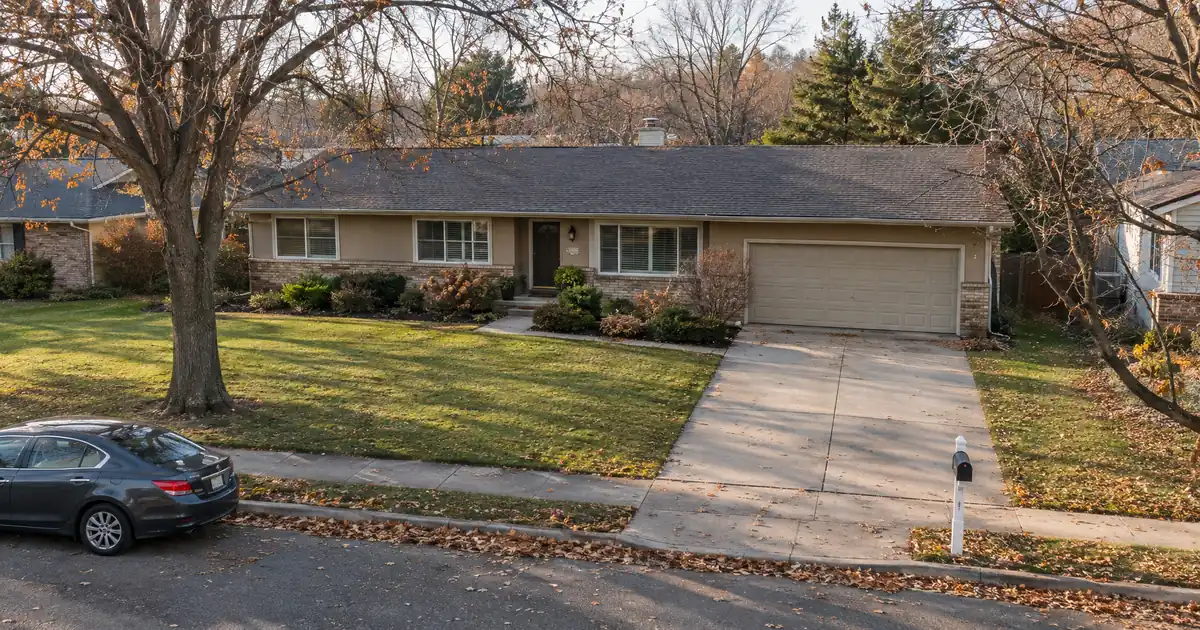
The Quick Read: The best program for your situation is the one whose income test, leverage ceiling, and payoff handling match your deposits, your property, and the debts you want cleared. Paying off debt at closing is a disbursement instruction on the closing statement, not a separate loan type. Lendmire is a mortgage broker that shops this scenario across a network of wholesale lenders rather than a lender itself.
- Income is documented from 12 months of business or personal bank statements, using deposit averages and lender-specific expense factors.
- On a primary residence, cash-out typically tops out at 80% LTV with a fixed expense ratio, or 75% with an accountant-prepared ratio.
- On a second home, cash-out typically reaches 75% LTV. On an investment property, cash-out tops out around 75% LTV.
- Payoffs and closing costs come out of the proceeds first, so a long payoff list shrinks the cash you receive.
- Occupancy decides which disclosure rules apply. Owner-occupied files are consumer mortgages, while non-owner-occupied rentals are business-purpose.
This search often comes from self-employed borrowers. Their tax returns show heavy write-offs, their deposits tell a stronger story, and they carry credit cards, a personal loan, or a business line they want gone. A bank statement cash-out can address exactly that. Whether it is the right move depends on a few things worth walking through in order.
What Is a Bank Statement Cash-Out Refinance?
A bank statement cash-out refinance is an ordinary cash-out refinance with a different income test. A new, larger loan pays off the existing mortgage. The difference becomes cash-out. At closing, the title or escrow company can send part of that difference straight to the creditors you name, and the rest goes to you.
The loan is reviewed on documented income under the applicable program, subject to lender guidelines. It is not a DSCR loan. A bank statement loan tests the borrower’s deposits. A DSCR loan tests whether a property’s rent covers its payment. Both are non-QM products, meaning they sit outside the standard agency box. Across our wholesale network, bank statement files are a routine, mainstream lane rather than a fringe one.
For the full picture of how Lendmire’s investor-side products work, the complete DSCR loans guide covers the rental-income side in depth.
Key Terms Defined
Cash-out refinance: a new mortgage larger than the old one, where the difference is paid out as cash or to creditors.
Expense factor: the percentage of business deposits a lender treats as operating cost before counting the rest as income.
LTV (loan-to-value): the loan balance divided by the property’s appraised value.
Payoff at closing: a closing-statement instruction that sends part of the proceeds directly to named creditors.
DTI (debt-to-income): total monthly debts divided by qualifying monthly income.
Non-QM: a loan that does not follow the standard Qualified Mortgage documentation rules.
How Does Underwriting Treat It, Step by Step?
Underwriting runs in a predictable sequence, and the order matters because each step limits the next.
1. Pick the lane by occupancy and purpose. A primary residence or second home is a consumer mortgage. A non-owner-occupied rental is generally business-purpose.
2. Document income from deposits. Lenders average 12 months of statements, business or personal. Business deposits are reduced by an expense factor. That factor can be fixed or come from an accountant-prepared ratio, depending on the program. No single formula applies across lenders, which is a real reason to compare programs.
3. Order the payoffs. The lender and settlement agent need payoff statements for the existing mortgage and for each debt being cleared. Debts paid directly at closing are often removed from the liabilities counted in qualifying, though each program handles this its own way.
4. Size the loan. Value (LTV) and the income test both cap the amount. Payoffs and closing costs come out of proceeds first.
5. Appraise. The valuation sets LTV. On rental properties, an appraiser may also complete a rent schedule.
6. Disburse. Payoff wires or checks go to creditors at the closing table. Any remainder goes to the borrower.
Five things decide the outcome: averaged deposit income after the expense factor, total debts against that income including the new payment, appraised value and occupancy, credit profile, and loan purpose.
What Do Programs Look Like Across the Network?
Programs in Lendmire’s wholesale network share a skeleton but differ in the details. Here is the typical shape, always subject to lender guidelines and individual file review.
| Scenario | Typical cash-out ceiling | Notes |
|---|---|---|
| Primary residence | Up to 80% LTV | Fixed expense ratio |
| Primary residence | Up to 75% LTV | Accountant-prepared ratio |
| Second home | Up to 75% LTV | Varies by loan size and credit |
| Investment property | Around 75% LTV | Business-purpose lane |
Loan sizes generally run from $125,000 to $3,500,000, and reserves commonly sit around six months of the housing payment. Purchase and rate-term transactions on a primary residence can reach higher, up to 90% LTV through select lenders, but that figure does not apply to cash-out. Mixing the two is a common mistake when borrowers compare programs.
There is also an asset-depletion alternative. A borrower with substantial liquid assets can qualify from those assets, reaching about 80% LTV on a primary residence. It suits retirees or investors whose deposits are lumpy but whose balance sheet is strong. Final terms depend on lender guidelines, property type, leverage, and the borrower’s complete credit picture.
Term length follows each lender’s program sheet. Extended terms and interest-only structures live mostly on the DSCR side, so a bank statement borrower should not assume a 40-year term is on the table.
Where Does the General Rule Break?
Four edge cases deserve attention before you apply.
Rental property, personal debt payoff. Whether a loan counts as business-purpose depends on what it is for, not just the property type. The CFPB’s official commentary says the creditor decides primary purpose case by case, and that an owner expecting to occupy a property more than 14 days in the coming year cannot treat it as non-owner-occupied. If most proceeds retire personal credit cards, the file can look consumer-purpose even on a rental. Confirm the classification with the lender and your attorney before assuming either path.
Owner-occupied cash-out. This is a consumer mortgage, so full ability-to-repay review and standard disclosures apply. The occupancy label drives the paperwork, and it should be stated clearly in the application.
Unexplained deposits. Deposits that cannot be identified as income are the usual flashpoint. Transfers between your own accounts and large one-off deposits get questioned. Clean, labeled accounts keep a file moving. Commingled personal and business money often requires extra explanation.
Bank statement versus DSCR on a rental. On a rental, a DSCR loan can carry the file on rent alone. A bank statement file runs through DTI, so each added financed property stacks onto the same income. An investor planning to add several properties may outgrow the bank statement lane. One planning a single consolidation on a primary home will likely never touch DSCR. Match the lane to the plan.
Does Paying Off Debt at Closing Actually Make Sense?
Sometimes. The honest answer turns on what the debt is and what replaces it.
Consolidation can help when high-cost unsecured debt is swapped for a loan secured by the property, and the monthly obligation falls enough to improve cash flow. It also lowers the number of due dates a self-employed borrower has to manage during a slow quarter.
It can backfire when the underlying spending habit continues. You convert unsecured debt into debt secured by your property. If cards refill, the borrower ends up with the new mortgage and fresh balances. That is the flip point. A borrower with a one-time cause for the debt, such as a business downturn or a medical event, is in a different position from one with a recurring gap between spending and income.
A second flip point is cost. Closing costs and payoffs come off the top, so a modest debt load paid through a large refinance may not pencil. Run the full comparison, including what you give up on the existing mortgage, before committing.
Tax treatment can depend on how the funds are used and how the property is held; borrowers should keep clear records and speak with a qualified tax professional before relying on any deduction.
What Does a Practical Scenario Look Like?
Consider a self-employed contractor on a primary residence. Tax returns show modest net income after deductions. Twelve months of business statements show strong, steady deposits. After the lender’s expense factor, qualifying income supports the new loan. The contractor wants to clear several credit cards and a business line.
At the cash-out ceiling for a primary residence, the new loan retires the old mortgage and the named debts. Closing costs come off the top. Whatever remains goes to the borrower. The contractor’s monthly obligations would be consolidated into one payment, though the exact figure depends on the lender’s pricing, which is quoted individually.
Now flip it. Say the contractor owns a rental and wants to pull equity from it to pay personal cards. That is a different file. It sits in the investment cash-out lane at around 75% LTV, and the personal-debt purpose raises the classification question above. The mechanics are the same, but the disclosure regime and the sizing are not. These specifics are subject to lender guidelines and a full review of property, leverage, and credit.
How Do You Find the Best Program for Your Situation?
The best program for your situation depends on property type, credit profile, leverage need, and how your deposits look on paper. No single program wins for everyone, and anyone who names one without asking about your file is guessing.
A broker earns its place here. Lendmire works with a network of wholesale cash-out refinance lenders and matches the scenario to the program, rather than starting from one lender’s rules. The lenders that write this kind of file differ on expense factors, seasoning, credit tiers, and how they treat payoffs at closing. A borrower who talks to one lender sees one set of overlays. A broker sees several.
Before you apply, prepare a few things:
- Twelve months of statements for the accounts that hold your deposits, with business and personal money kept separate where possible.
- A written explanation for any large or irregular deposit.
- Current payoff statements for every debt you want paid at closing.
- A clear answer on occupancy: primary, second home, or rental.
- A realistic view of your reserves, since programs commonly look for around six months.
Strong credit, lower leverage, and clean deposits earn the top of each range. Thin credit or a high LTV request narrows the field.
Common Misconceptions
“Bank statement means no income verification.” Income is still verified, using the statements themselves. The CFPB’s ability-to-repay compliance guide lists bank account statements among acceptable third-party records for consumer-purpose loans.
“Non-QM means unregulated.” Consumer-purpose non-QM loans still face ability-to-repay review. Only the safe-harbor presumption differs.
“Any rental loan is automatically exempt.” The exemption turns on primary purpose and the 14-day occupancy test. The exact exemption text is in 12 CFR 1026.3.
“Bank statement and DSCR are interchangeable.” They answer different questions: the borrower’s deposits versus the property’s rent.
“Cash-out means I keep the cash.” Payoffs and closing costs come first. Plan around the net.
Frequently Asked Questions
Can a bank statement cash-out refinance pay off credit cards at closing?
Yes, in most programs. You name the creditors, the title or escrow company wires the payoffs from proceeds, and any remainder comes to you. Each program handles how those paid debts affect qualifying a little differently, so confirm that before you apply.
How much can I borrow on a primary residence?
Typically up to 80% LTV on a primary-residence cash-out with a fixed expense ratio, or 75% with an accountant-prepared ratio, subject to lender guidelines. The 90% figure sometimes quoted applies to purchase and rate-term transactions, not cash-out.
Does this work on a rental property?
Yes, at a lower ceiling. Investment-property cash-out generally tops out around 75% LTV. Paying personal debt from a rental-secured loan can change how the loan is classified, so discuss the purpose openly with your broker.
Is a bank statement loan better than a DSCR loan for a rental?
It depends on what you are optimizing. DSCR is reviewed on the property’s rent and does not stack on your personal income as you add properties. Bank statement is reviewed on your deposits and suits a borrower consolidating debt or buying one property. Many investors use both at different stages.
What documents do I need?
Twelve months of business or personal bank statements, payoff statements for each debt, identification, and property information. Lenders may also ask for an accountant-prepared expense ratio if you want the lower-LTV route.
If you are self-employed and want to see how the numbers work, Lendmire can help you compare bank statement loan options based on your deposits, the property, credit profile, leverage, and your goals. Reach the team at 828-256-2183, or request a quote.
Investors weighing their equity options can start with Lendmire’s guide to cash-out refinance on an investment property.
About Lendmire
As a mortgage broker (NMLS# 2371349), Lendmire helps self-employed and high-net-worth borrowers in 16 states qualify on bank statements, a profit-and-loss statement, 1099s or liquid assets instead of tax returns, through wholesale lenders. Lendmire is never the lender; program terms are set by the lender and its guidelines. Scotsman Guide named Lendmire a Top Mortgage Workplace in both 2025 and 2026.
Get Started
Ready to find the right loan for you?
See your offer in seconds. No credit pull, no obligation.
Informational only. Not a Loan Estimate, approval, or commitment to lend. Program availability and eligibility are subject to lender guidelines, credit approval, property review, and underwriting.
References
2. CFPB – ATR/QM Small Entity Compliance Guide
This article is part of Lendmire’s bank statement loan program — full qualification details, guidelines, and scenarios live on the program page.
Related reading: How Much Cash Comes Out of a Bank Statement Cash-Out Refinance Right After Buying? · Bank Statement Cash-Out Refinance vs Full-Doc Refinance With No Seasoning Period · Bank Statement Cash-Out Refinance vs Full-Doc Refinance That Pays Off Debt at Closing
Brandon Miller
Founder & CEO, Mortgage Loan Originator, Lendmire LLC
- Mortgage Loan Originator · NMLS# 1129696 · Verify on NMLS Consumer Access
- North Carolina Real Estate Broker · License# 343312 · Verify on NCREC
- North Carolina Insurance Producer · License# 19053198 · Property, Casualty, Life, Health · Verify on NAIC SBS
- Lendmire LLC · Firm NMLS# 2371349 · Verify firm licensure
Compliance and disclosures. Lendmire (NMLS# 2371349) is a licensed mortgage broker and is not a direct lender, depository institution, financial advisor, or tax professional. Content in this article is general market analysis and educational information — not financial, legal, or tax advice for any specific situation. Lendmire does not guarantee loan approval; every transaction is subject to underwriting by the funding lender. Mortgage pricing and loan program guidelines are subject to change at any time without notice and vary by borrower characteristics, property type, and state regulations. Lendmire complies with Equal Housing Opportunity. Licensure verification: NMLS Consumer Access.