
The Quick Read: Yes, but only through a narrow slice of the non-QM market, and only if the rental is titled in your own name or a revocable trust. The line reads 12 to 24 months of deposits instead of tax-return income. It still tests your credit, equity and debts, and it runs slower than the digital lines advertised for primary homes.
- On an investment property, the network ceiling is 70% combined loan-to-value (CLTV), with a 700 minimum credit score, subject to lender guidelines.
- An investment line runs from $25,000 to $500,000, and an LLC cannot hold title.
- Most investment lines use an automated valuation instead of a full appraisal, which removes one source of delay.
- If the rental sits in an LLC, a DSCR cash-out refinance is usually the cleaner route.
What Is a Bank Statement HELOC on a Rental?
A bank statement HELOC is a home equity line of credit that is reviewed around deposits instead of tax returns. You borrow against equity in a property, and the lender reads your bank activity to estimate income. It is not a no-documents loan. Your credit, existing debts, equity and the property itself all get reviewed.
How large a line the equity supports.
An equity line is sized by combined loan-to-value, occupancy, and credit — not by rental coverage. Switch the occupancy or the credit band and the ceiling moves with it.
Investment-property lines require a 700 minimum credit score; second-home lines start at a 640 minimum and primary-residence lines at 600, and the combined-LTV ceiling steps down as the credit band drops on primary-residence and second-home lines and holds on investment-property lines; the line cap steps down on primary-residence lines and holds at every tier on investment-property and second-home lines.
A debt-to-income ratio above 45% requires 680+ credit. Profiles under 640 are limited to single-family homes. At least 75% of the approved line is drawn at closing. Ceilings, floors, and caps update from Lendmire’s centralized guideline source.
Line estimate
Illustrative estimate only — not a quote, Loan Estimate, approval, or commitment to lend. The rate is an editable assumption; equity-line pricing is variable through both the draw and repayment periods and never converts to fixed. Occupancy and credit drive the ceiling together: an investment property tops out at 70% combined LTV (minimum credit 700, line cap $500,000); a second home tops out at 90% combined LTV (minimum credit 640, line cap $500,000), with the ceiling stepping down as the credit band drops (the cap holds at every tier); a primary residence tops out at 90% combined LTV (minimum credit 600), and its $750,000 maximum line is available only at 75% combined LTV or below with a 700-or-better credit profile (720 on the longer-runway program) and a full appraisal. Lines above $500,000 require a full appraisal. Credit, debt-to-income, property type, and full underwriting review all affect the final line.
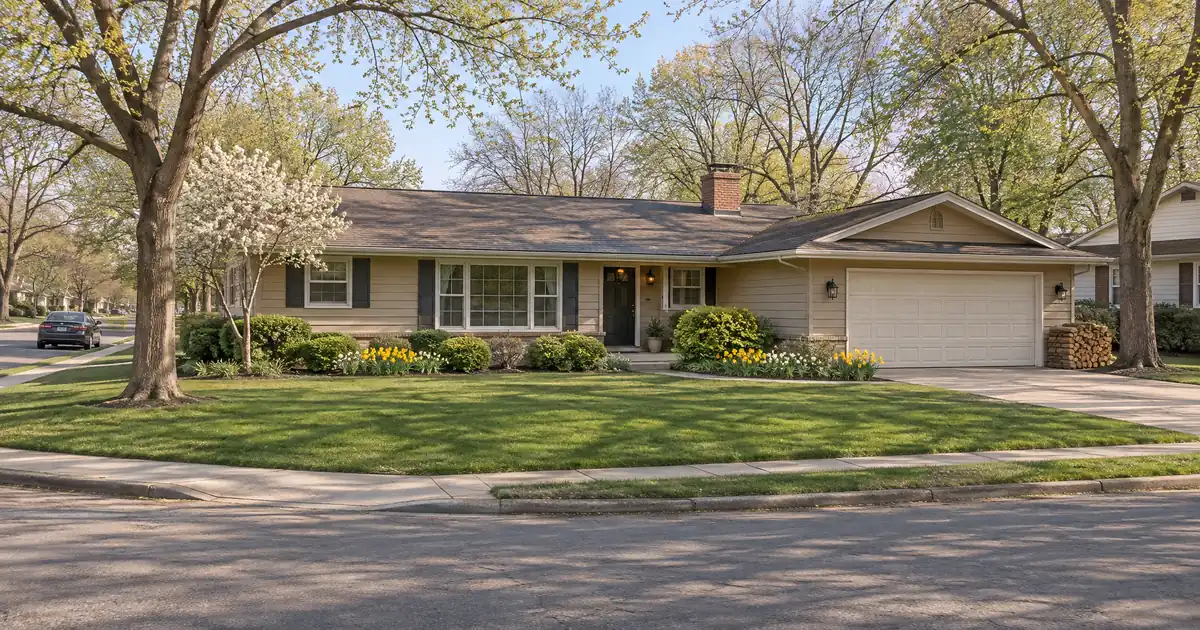
On a rental, the collateral is the investment property. The lender places a lien on it, usually in first or second position. You can draw on the line as you need funds.
This product is also not a DSCR loan. A bank statement line tests you. A DSCR loan tests the property, comparing rent against the full monthly payment (principal, interest, taxes, insurance and any association dues). Lendmire’s complete DSCR loans guide covers that second path in full.
Who Can Actually Get One?
Large retail lenders often limit home equity lines to primary residences. The lenders that write investment-property lines are a smaller group, and their rules differ.
Across Lendmire’s wholesale network, the investment-property rules look like this, always subject to lender guidelines and full file review:
- Leverage: 70% CLTV is the ceiling on an investment property. Credit above 700 does not buy more leverage.
- Credit: 700 is the floor on an investment line. There is no tier beneath it.
- Line size: $25,000 to $500,000. A line above $500,000 is for primary residences only.
- Structure: a 5-year interest-only draw period, then a 25-year repayment period. The line is variable and does not convert to fixed.
- Draw at closing: at least 75% of the line is drawn when the loan closes. That surprises borrowers who expected a pure standby line.
- Debt-to-income: 50% maximum, qualified on the interest-only payment at the full draw.
- Property types: single-family, 2-4 units, PUD, townhome and condominium. Manufactured homes, co-ops, condotels, log homes, commercial and mixed-use are not offered.
- Exposure: a borrower is limited to three lines, and owning more than 15 financed properties makes you ineligible.
Availability is narrower than DSCR. Lendmire arranges these lines in 16 states, which is fewer than its DSCR footprint.
Why Title Decides Everything
The sharpest rule is vesting. Title must sit with you as an individual or in a revocable living trust. LLCs, corporations, partnerships and irrevocable, blind or land trusts cannot hold title.
That is the biggest structural gap versus a DSCR loan, which commonly lends to LLCs, subject to program terms. Say you deeded a duplex to an LLC for liability reasons. You have two choices. You can change the vesting, or you can skip the line and do a DSCR cash-out refinance instead.
How Bank Statements Replace Tax Returns
The income math is simple. You supply 12 or 24 months of personal or business statements, or a CPA-prepared profit-and-loss statement, depending on the program. The underwriter keeps true income deposits. Transfers between your own accounts, loan proceeds and other non-income items come out.
On business accounts, the lender applies an expense factor, and the lender sets it, not you. Business-account analysis requires a 680 minimum credit score. Investment lines already require 700, so the statements are rarely the binding constraint.
Rent matters here in a practical way. Rent that lands in the account being reviewed counts as a deposit like any other. Rent scattered across three accounts, or mixed with personal spending, makes the analysis harder.
What Does the Timeline Really Look Like?
There is no fixed number of days for a rental line, and anyone quoting one is guessing. Timing depends on the lender, the valuation method and how complete your file is. An independent explainer on how long a HELOC takes describes investor and non-QM lines as slower than bank lines and much slower than app-based lines. Its figures are market-wide and not tied to Lendmire’s network, so treat the direction as useful and skip the numbers.
Here is where the time goes, stage by stage.
| Stage | What happens | What you supply | Common delay |
|---|---|---|---|
| Eligibility screen | Lender confirms rental lines and your title | Deed, vesting details | LLC title |
| Income review | Underwriter sorts deposits | 12-24 months of statements | Missing pages |
| Credit and debts | Score and ratio check | Debt list, mortgage statement | Unreported debts |
| Collateral | Valuation, title, lien review | Insurance, leases or rent roll | Title cleanup |
| Final conditions | Last questions cleared | Letters of explanation | Slow responses |
| Closing and funding | Documents signed, line opens | Signature | Waiting period if home is collateral |
Manual deposit review is the main reason this line runs slower than automated ones. A person reads your statements, and every unexplained deposit becomes a question. The more questions, the longer the loop.
Lendmire does not promise a closing or funding date on any file. The pace comes from the lender and from you.
Does the Valuation Slow It Down?
Usually less than you would expect. An investment line commonly runs on an automated valuation with no traditional appraisal.
Two caveats apply. A higher CLTV may call for a secondary valuation. You can also request a full appraisal in any case, which adds a step.
What Stretches the File?
These are the usual culprits for landlords:
- Commingled accounts. Rent, personal spending and business expenses in one account force line-by-line explanations.
- Rent paid into several accounts. The underwriter has to find and total every deposit.
- Large unexplained deposits. Each one needs a written explanation and often a paper trail.
- Missing statement pages. A skipped page restarts the review of that month.
- Title problems. An old lien, a name mismatch or a co-owner who has not signed can stall a file.
- Unreported debts. A debt that shows up late changes your ratio and forces a recalculation.
A Clean File Versus a Messy One
Picture two landlords with the same equity and credit. Both own a small multifamily and want a line against it.
The first keeps all rent in one business account, pays expenses from it, and moves profit out by clear transfers. Her statements are complete, and her lease files are current. The underwriter sorts the deposits once and moves on to collateral.
The second collects some rent by app into a personal account, some by check into a business account, and pays a contractor from both. A few large deposits came from a relative. The underwriter asks for explanations and follows each deposit back to its source. Each answer can raise another question.
Same equity, same score, and a visibly different path. The gap comes from file quality, not from the borrower’s net worth.
What to Gather Before You Apply
Do the prep first. It is the only part of the timeline you control.
| Document | Why it is needed | Who supplies it |
|---|---|---|
| 12-24 months of statements | Income analysis | You |
| Current mortgage statement | Existing lien balance | Your servicer |
| Insurance declaration page | Collateral coverage | Your agent |
| Leases or rent roll | Property income picture | You |
| Deed and vesting details | Title eligibility | You or title company |
| Debt list | Debt ratio | You |
Pull your statements, label unusual deposits and confirm your title before you apply. Fix commingled accounts for future months, since changes now will not help the months being reviewed.
Does the Three-Day Cancellation Wait Apply?
It depends on what secures the line. The FTC explains that the three-business-day right to cancel applies when your main residence is the collateral. It does not apply to a vacation or second home. The CFPB’s HELOC booklet describes that same cancellation window for home equity lines, requiring written notice to the lender.
So if the rental itself secures the line, that statutory wait generally does not apply. If you pledge your own home to fund a rental deal, it does, and your home is at risk. Both facts matter when you plan around a purchase deadline.
When Another Route Fits Better
A bank statement line is the right tool for a narrow set of landlords. It suits an owner who holds title personally, wants to keep a locked-in first mortgage in place, and wants a draw-as-needed line.
| Factor | Bank statement HELOC | DSCR cash-out refinance | Conventional HELOC |
|---|---|---|---|
| What is tested | You: credit, debts, deposits | The property’s rent against its payment | You: tax-return income |
| Existing first mortgage | Stays in place | Replaced | Stays in place |
| LLC title | Not allowed | Often allowed, subject to program terms | Rarely allowed |
| Funds | Revolving draw | Lump sum | Revolving draw |
| Best fit | Personal title, strong credit | Many properties, LLC title | W-2 or clean tax returns |
On the DSCR side, most Lendmire network programs cap a standard-rental cash-out refinance near 75% LTV and expect about 6 months of seasoning. A cash-out on short-term-rental collateral tops out around 70%. Coverage near 1.00 is where select programs start, and stronger ratios open better terms. Coverage below 1.00 is available through select lenders in the network, with leverage and terms adjusted. Clearing 1.00 does not mean positive cash flow, since repairs, vacancy and management sit outside the calculation. Terms depend on the lender’s guidelines, the property type, the leverage, and a full review of the credit profile.
Planning Around a Deadline
If a purchase or repair has a hard date, do not build the plan on one line alone.
Start the file early, keep your documents ready, and line up a backup path. A DSCR cash-out refinance or a DSCR purchase loan can serve as that backup, depending on the property and your goal. Seasoning matters too.
Going 24 months instead of 12 months of statements changes the analysis window, not necessarily the timeline. Pick the window that shows your income more accurately. Programs generally want a self-employment history long enough to average. A gap in operation leaves nothing to average.
Key Terms Defined
Non-QM: a mortgage that does not follow the standard rules for qualified mortgages, so lenders can document income in other ways.
CLTV: combined loan-to-value, which adds every loan on the property and divides by its value.
Draw period: the stretch when you can borrow from the line, paying interest only on what you use.
Vesting: how title is held, such as an individual, a trust or an LLC.
Automated valuation: a computer-based property value estimate used instead of a full appraisal.
DSCR: debt service coverage ratio, which compares a rental’s income to its full monthly payment.
Frequently Asked Questions
Can an LLC-owned rental get a bank statement HELOC?
Not through this network. Title must sit with you personally or in a revocable living trust. If the property is already in an LLC, you would need a vesting change or a DSCR cash-out refinance instead, subject to program terms.
How many months of bank statements do you need?
Programs typically use 12 or 24 months of personal or business statements, or a CPA-prepared profit-and-loss statement. The right window is the one that shows your income most accurately.
Is a full appraisal required on a rental line?
Usually not. An investment line caps at $500,000, and full appraisals begin above that amount, so most use an automated valuation. A higher CLTV can trigger a secondary valuation, and you may request a full appraisal if you prefer.
Does a bank statement HELOC count as a DSCR loan?
No. A bank statement line tests your credit, debts and deposits. A DSCR loan tests whether the property’s rent covers its payment. Different questions, different files.
Does the three-day cancellation wait apply to a rental?
Generally no. That cancellation right is tied to your main residence as collateral. A line secured by the rental itself usually has no statutory wait, though the lender’s own steps still apply.
Next Step
If you are considering a home equity line and want to see how the numbers work, Lendmire can help you compare HELOC options based on the property, the equity available, credit profile, combined leverage, and your goals. Lendmire is a mortgage broker that shops select wholesale lenders, not a lender, and every figure above is subject to lender guidelines and full file review. This is not a commitment to lend.
About Lendmire
Lendmire is a mortgage brokerage (NMLS# 2371349) arranging home equity lines of credit — primary-residence, second-home and investment-property lines — through a wholesale lending network in its 16 full-service states. Eligibility is determined by the lender on each file. Scotsman Guide named Lendmire a Top Mortgage Workplace in both 2025 and 2026.
Get Started
Ready to find the right loan for you?
See your offer in seconds. No credit pull, no obligation.
Informational only. Not a Loan Estimate, approval, or commitment to lend. Program availability and eligibility are subject to lender guidelines, credit approval, property review, and underwriting.
References
1. Helocpedia – How Long Does a HELOC Take to Close
2. FTC – Home Equity Loans and Home Equity Lines of Credit
3. CFPB – What You Should Know About HELOCs
This article is part of Lendmire’s bank statement HELOC program — full qualification details, guidelines, and scenarios live on the program page.
Related reading: Bank Statement HELOC Requirements When You’re Not on the Mortgage · Bank Statement HELOC Rent Income Requirements for Charleston Landlords · Bank Statement HELOC Requirements for Savannah Landlords Tapping Equity
Brandon Miller
Founder & CEO, Mortgage Loan Originator, Lendmire LLC
- Mortgage Loan Originator · NMLS# 1129696 · Verify on NMLS Consumer Access
- North Carolina Real Estate Broker · License# 343312 · Verify on NCREC
- North Carolina Insurance Producer · License# 19053198 · Property, Casualty, Life, Health · Verify on NAIC SBS
- Lendmire LLC · Firm NMLS# 2371349 · Verify firm licensure
Legal disclosures. Lendmire (NMLS# 2371349) is a state-licensed mortgage brokerage that arranges financing through wholesale lender relationships. Lendmire is not a direct lender, depository institution, or registered financial advisor. The discussion above is general informational content about real estate financing — it is not financial, legal, or tax advice, and readers should consult licensed professionals for guidance on their individual circumstances. Loan inquiries are subject to lender underwriting; this article does not represent a commitment to lend. Loan terms, rates, and qualification standards vary by borrower, property, and state, and are subject to change at any time. Equal Housing Opportunity. NMLS Consumer Access: nmlsconsumeraccess.org.