
The Quick Read: Cash out now if you already meet the ownership and occupancy history, your recent mortgage payments are clean, and the money has a job that cannot wait. Wait if a late payment or a thin score is the thing holding the file back. Waiting does not raise the 80% leverage cap, and it does not change how the appraisal treats your units. It only fixes the credit and payment-history side. Both paths are subject to lender guidelines and full file review.
Some homeowners should move now. A few should skip cash-out and look at a different program. The sections below show who fits where.
FHA cash-out estimate
Seeded with an example value, a balance to match, and a round cash request; change any field.
Editable benchmark: 7.18% as of November 5, 2026 · Freddie Mac 30-year average via FRED®. A conventional market reference, not an FHA cash-out refinance quote.
Illustrative starting assumptions: a $350,000 home value, a $193,000 current balance, the FHA cap on a principal residence with the upfront premium financed, a thirty-year term at the current Freddie Mac benchmark, and property taxes and insurance estimated at typical national rates. Every field is editable.
An illustration, not a Loan Estimate, an approval, a quote, or a commitment to lend. The rate shown is the weekly Freddie Mac thirty-year conventional benchmark, used as a market reference; an FHA cash-out is priced by the lender at lock, and this is not an FHA cash-out refinance quote. HUD’s cap limits the base loan; the upfront premium is financed on top of the capped base loan; the monthly premium for the first year follows the snapshot’s schedule. Cash available means the base loan the cap permits less the balances retired, before closing costs, which this calculator leaves out. The line figure applies the line program’s combined loan-to-value ceiling to the same value and balance. Taxes and insurance are estimates you can edit. Licensed in sixteen states for consumer mortgages.
Side-by-Side
| Factor | Cash Out Now | Wait and Improve Credit |
|---|---|---|
| Max leverage | 80% LTV | Same 80% cap later |
| Credit floor | Lender-set, starts at 580 in the network | Aim to clear a higher tier |
| Mortgage insurance | Upfront 1.75% plus annual premium | Same structure, possibly better tier |
| Occupancy | Live in one unit, 12 months | Clock keeps running |
| Documentation | Payment history, occupancy proof | Cleaner history to document |
| Main risk | Weaker file, thinner cushion | Cash need or opportunity passes |
Two notes on that table. First, the 580 figure is where the wholesale programs behind Lendmire’s FHA cash-out refinance program start. Individual lenders often set their own, higher floors. Second, “same cap later” is the point most people miss. The leverage ceiling is a program rule, not a reward for good credit.
What Is the Cap, Exactly?
FHA cash-out refinances on a primary home reach 80% of the home’s adjusted value. That is a program-wide rule from HUD, which lowered the limit to 80% for cash-out refinances from the earlier 85%. HUD’s own announcement of the change described it as a way to reduce risk.
Here is the part that trips people up. The 80% caps the whole new loan. It is not 80% of your value paid to you in cash. The new loan has to cover your current mortgage payoff, any costs you finance, and the cash you take, all under the cap. On a home with a large existing balance, the cash left over can be small.
County loan limits apply on top of the percentage cap. Two- to four-unit limits are higher than one-unit limits and vary by county, so check HUD’s published FHA mortgage limits for your county before you plan around a number.
What a 2-4 Unit Changes
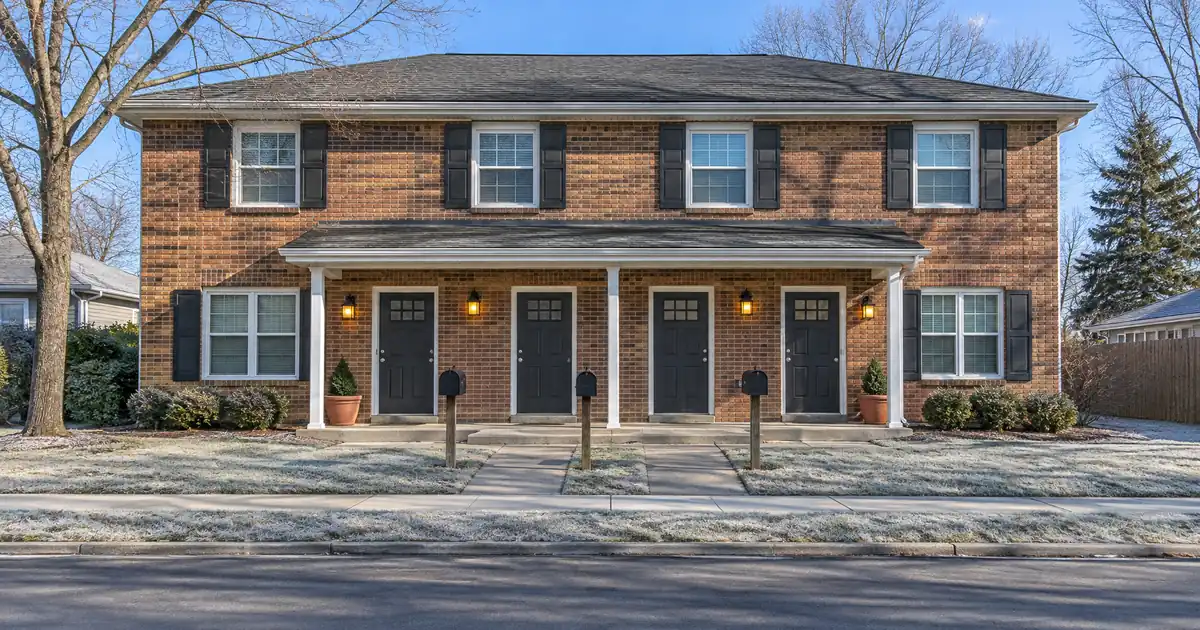
A duplex, triplex or fourplex works under FHA cash-out only if you live in one of the units as your primary home. A pure rental building does not qualify for this program. Occupancy, not the number of doors, decides the leverage.
Across the wholesale programs Lendmire places files with, the appraisal on a 2-4 unit does more than set value. The appraiser also reports market rent for each unit, and that matters most on three- and four-unit buildings. For those, lenders generally run a self-sufficiency test: the appraised rents, reduced for vacancy, are compared against the full housing payment on the new loan. When the building does not cover itself, the loan amount usually has to come down.
This is where “cash out now vs. wait” gets interesting for a small multifamily. Waiting on credit does nothing for that test. It depends on appraised rents and the size of the new loan. If a three- or four-unit fails it, a few extra months of credit repair will not change the result. A smaller loan amount, meaning less cash out, might.
The test applies only to three- and four-unit buildings, so a duplex is generally not subject to it. The exact vacancy factor and any reserve rules vary by lender, so treat any figure you read online as a prompt to ask, not a rule to rely on. HUD’s Handbook 4000.1 is the governing rulebook, and a loan officer can walk you through the sections that apply to your building.
When Cashing Out Now Is the Better Fit
Cashing out now fits when three things are true. You already meet the ownership and occupancy history. Your recent mortgage payments are on time. And the money solves a real, dated problem.
You meet the 12-month history. FHA cash-out generally requires that you owned the home and lived in it as your principal residence for 12 months before the case number is assigned. If you have passed that mark, the calendar is not holding you back.
Your score already clears a lender’s floor. The network’s programs start at a 580 decision score. Many lenders want more. If you clear the floor you are working with, a modest score improvement may not change the outcome enough to justify a delay.
The money has a deadline. Think of a structural repair, a unit that needs a new roof before the next winter, or a time-sensitive purchase tied to the property. In those cases, waiting has a real cost that no credit gain repays.
Your equity cushion is comfortable. The CFPB’s home equity guide notes that lenders typically want you to keep 10% to 20% of your home’s value as equity. FHA’s 80% cap already builds that in. Still, if taking cash would leave you thin on the property, that is a sign to scale the amount back.
Cashing out now also has trade-offs worth stating plainly. The new loan replaces your existing mortgage, so you are not just adding a second loan. A new mortgage insurance structure starts. FHA charges an upfront premium of 1.75% of the base loan, which is usually financed, plus an annual premium that depends on term, loan amount and LTV. How long the annual premium lasts depends on your loan term and LTV, so ask which rule applies to your loan. Closing costs come out of the loan amount or out of pocket. Compare the premium and closing costs on your Loan Estimate, not the headline promises.
The CFPB also cautions that cash-out refinances can raise foreclosure risk, because they commonly leave you with a bigger balance and can turn unsecured debt like credit cards into debt secured by your home. If most of the cash goes to paying off cards, think hard about whether the habits that built those balances have changed.
When Waiting on Credit Is the Better Fit
Waiting fits when something specific and fixable is standing between you and the loan. It does not fit when the problem is a rule that waiting cannot change.
A recent late payment is the problem. FHA looks closely at mortgage payment history. Lenders generally want to see the previous 12 months of mortgage payments made on time, or the history since you got the loan if that is shorter. A late payment can affect eligibility even after you pass the 12-month ownership mark. Each clean month pushes the late payment further back. This is the clearest case where waiting actually repairs the file.
Your score sits below the floor. If you are under 580, the network’s FHA programs do not reach you. HUD’s own rules allow lower scores with more money down, but the wholesale programs Lendmire places FHA loans with start at 580. Reaching 580 is a goal you can work toward through the credit steps below.
Your debt ratios are tight. FHA’s base ratios are 31% for housing and 43% for total debt, with no compensating factors. Documented compensating factors can raise the limits, reaching 40% for housing and 50% for total debt at the top tier. Paying down card balances can move those numbers. The automated underwriting finding governs most files, so a better credit profile can change what the system returns.
The money can wait. If you want to cash out for a project that is flexible on timing, a few months of credit work costs little.
The CFPB’s plain advice applies here: there are no shortcuts to building a good credit history, and it takes time and regular payments. Practical steps include checking your reports for errors, keeping card balances well below their limits, and talking to a housing counselor. Because your three bureau scores can differ, a fix on one report may not move the score a lender uses.
One more thing. While you wait, you are not giving anything up on leverage, since the cap is the same later. What you buy with patience is a cleaner history and possibly better standing with the lender, not more cash.
The Cost of Doing It Twice
Here is the trap in the middle. Some borrowers cash out now with a weaker file, planning to refinance again once their credit improves. That can work, but each refinance carries its own closing costs, and the mortgage insurance structure restarts with each new FHA loan. Two refinances means paying those costs twice.
If you are fairly sure your credit will be meaningfully better within a few months, that argues for waiting and doing one refinance well. If the cash need is real and urgent, doing it now and accepting the cost may be the right call. What matters is that you decide with both costs in view, rather than assuming the second refinance is free.
A Simple Decision Table
| Your situation | Likely lean |
|---|---|
| Clean 12 months, score above lender floor, urgent need | Cash out now |
| Recent late payment on the mortgage | Wait and let history build |
| Score below 580 | Wait and improve |
| Three- or four-unit that may not pass the rent test | Fix loan size, not credit |
| Flexible timeline, score close to a higher tier | Wait a few months |
| Mostly consolidating credit cards | Think hard before either |
Treat the table as a starting point. A loan officer who sees your actual reports and payment history can tell you which row you are in.
A 90-Day Credit Plan With a Checkpoint
If you decide to wait, give the wait a structure so it does not drift.
1. Pull all three reports. Dispute errors in writing.
2. Lower card balances. Aim well under the limits, since utilization moves scores.
3. Avoid new credit. New accounts and hard pulls can pull a score the wrong way.
4. Pay the mortgage on time, every time. Payment history is part of FHA’s test.
5. Set a checkpoint at 90 days. Ask a loan officer to review where you stand. If you cleared the floor, go. If not, you will at least know the gap.
A checkpoint keeps waiting from turning into indefinite delay. It also tells you whether more time will actually help.
Alternatives Worth a Look
Cash-out is not the only way to reach equity or improve your loan. A few other paths exist.
- An FHA Streamline refinances an existing FHA loan with no appraisal and a limited credit review, but it pays out no cash and requires a net tangible benefit.
- An FHA rate-and-term refinance with an appraisal reaches 97.75% on a principal residence you have occupied for the previous twelve months, but it does not give you cash either.
- A home equity loan or HELOC leaves your first mortgage in place.
- Conventional cash-out has its own rules.
The Verdict
Cash out now if the history is clean, the numbers work, and the money has a deadline. Wait if a late payment or a score below the floor is the real obstacle, and if the project can bear a short delay. In both cases the 80% cap stays put, and on a three- or four-unit the rent test will decide the loan size no matter how good your credit gets.
The honest middle path is to find out which problem you actually have before choosing. That usually takes one conversation and a look at your reports.
If you are weighing a cash-out refinance against keeping the loan you have, Lendmire can help you compare the programs and the equity each one reaches.
Frequently Asked Questions
Does waiting on credit raise how much cash I can take out?
No. The 80% cap on FHA cash-out is a program rule, so it is the same whether your score is low or high. Better credit can help you qualify and may affect your options, but it does not lift the ceiling. County loan limits also apply.
Can I cash out right after buying a 2-4 unit?
Generally not. FHA cash-out typically requires that you owned and lived in the home as your principal residence for 12 months before the case number is assigned. Limited exceptions exist, so ask a loan officer about your situation.
Does the three- and four-unit rent test depend on my credit?
No. It is a property test, not a borrower test. Appraised market rents, reduced for vacancy, are compared against the full housing payment. If the building does not cover itself, the loan amount generally has to come down.
Will a cash-out hurt my credit?
A new loan brings an inquiry and a new account, which can move scores a little at first. The bigger risk is the larger balance. The CFPB notes that cash-out refinances can raise foreclosure risk, especially when you convert credit card debt into debt secured by your home.
Is mortgage insurance permanent on an FHA cash-out?
Not necessarily. How long the annual premium lasts depends on your loan term and LTV. On a thirty-year loan at or below 80% LTV, the annual premium ends after eleven years. FHA cash-out is capped at 80%, so a thirty-year loan generally falls in that group. Terms are subject to lender guidelines.
For your own numbers, request a scenario review with Lendmire.
About Lendmire
Lendmire, NMLS# 2371349, is a mortgage brokerage with consumer lending licenses in 16 states. FHA, VA, conventional and jumbo purchase and refinance loans are arranged through wholesale lending partners, and each application is reviewed individually by the lender. Scotsman Guide named Lendmire a Top Mortgage Workplace in both 2025 and 2026.
Get Started
Ready to find the right loan for you?
See your offer in seconds. No credit pull, no obligation.
Informational only. Not a Loan Estimate, approval, or commitment to lend. Program availability and eligibility are subject to lender guidelines, credit approval, property review, and underwriting.
References
1. HUD Mortgagee Letter 2019-11
2. HUD press release on cash-out risk
4. CFPB: Using home equity guide
This article is part of Lendmire’s FHA cash-out refinance program — full qualification details, guidelines, and scenarios live on the program page.
Related reading: FHA Cash-Out vs Waiting a Year After a Quitclaim Deed · How to Qualify and Apply for an FHA Cash-Out Refinance on a Home With No Mortgage · How to Buy Out Co-Heirs With an FHA Cash-Out on a 2-4 Unit Home You Live In
Brandon Miller
Founder & CEO, Mortgage Loan Originator, Lendmire LLC
- Mortgage Loan Originator · NMLS# 1129696 · Verify on NMLS Consumer Access
- North Carolina Real Estate Broker · License# 343312 · Verify on NCREC
- North Carolina Insurance Producer · License# 19053198 · Property, Casualty, Life, Health · Verify on NAIC SBS
- Lendmire LLC · Firm NMLS# 2371349 · Verify firm licensure
Legal disclosures. Lendmire (NMLS# 2371349) is a state-licensed mortgage brokerage that arranges financing through wholesale lender relationships. Lendmire is not a direct lender, depository institution, or registered financial advisor. The discussion above is general informational content about real estate financing — it is not financial, legal, or tax advice, and readers should consult licensed professionals for guidance on their individual circumstances. Loan inquiries are subject to lender underwriting; this article does not represent a commitment to lend. Loan terms, rates, and qualification standards vary by borrower, property, and state, and are subject to change at any time. Equal Housing Opportunity. NMLS Consumer Access: nmlsconsumeraccess.org.