
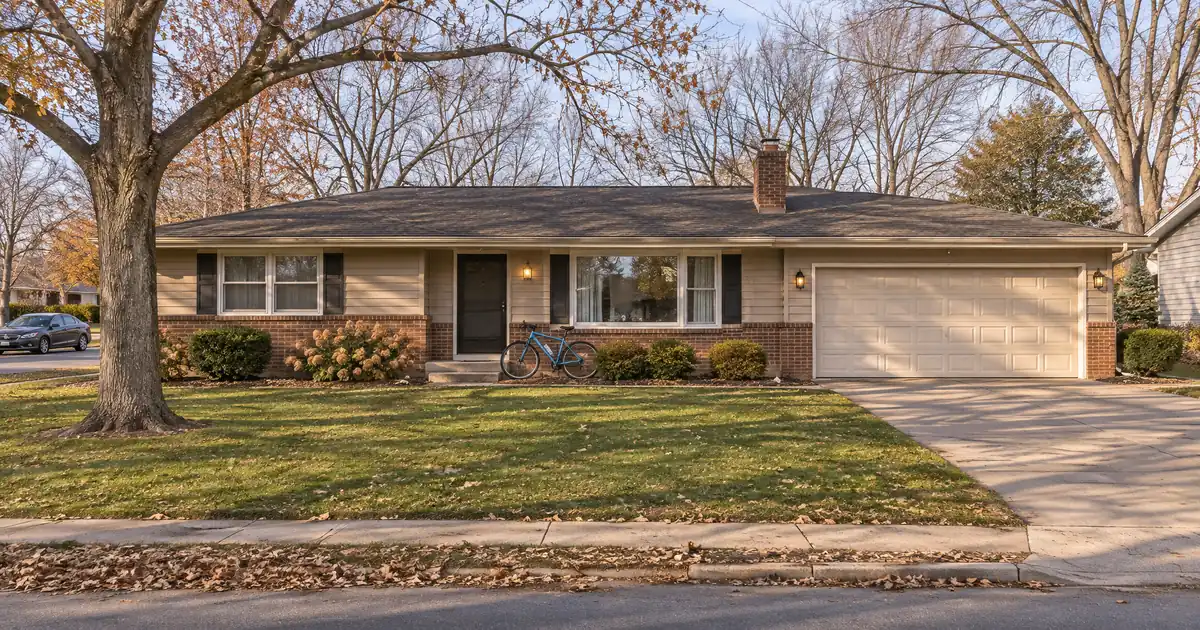
The Quick Read: A bank statement cash-out refinance lets a self-employed or variable-income homeowner replace a mortgage with a larger one, qualify on twelve months of deposits instead of tax returns, and take the difference as cash for tuition, with the lender that fits depending on your property, credit, and leverage. Lendmire is a mortgage broker, so it compares wholesale programs for you rather than lending itself.
- Qualifying income comes from deposit averages over 12 months of business or personal statements, subject to lender guidelines.
- On an owner-occupied primary residence, cash-out typically reaches 80% LTV (75% when the lender uses an accountant-prepared expense ratio).
- On a second home, cash-out typically tops out near 75% LTV, and an investment property is generally capped around the same level.
- Loan sizes typically run from $125,000 to $3,500,000, with reserves commonly around six months of the housing payment.
- The best program for your situation depends on deposits, equity, credit, and what the lender will accept as the use of proceeds.
Paying tuition from home equity is a big decision, and the loan type you pick shapes it. This guide walks through how these loans work, how underwriters read your deposits, and where the usual rules bend. Because the lenders that write these loans depend on your file, the guide describes the kinds of programs wholesale lenders offer instead of naming or ranking any provider. The useful question is which program fits you and how to prepare for it.
What a Bank Statement Cash-Out Refinance Really Is
A cash-out refinance swaps your current mortgage for a new, larger one. The difference between the new loan and your payoff, minus closing costs, comes to you as cash. A bank statement version changes only how income is documented. It does not change the fact that you must show you can repay.
Standard mortgages lean on tax returns and W-2s. A self-employed owner often shows low taxable income after write-offs, even when real cash moves through the business account. Alt-doc lenders (short for alternative documentation) read the deposits instead. Lendmire is a mortgage broker that places these files with select wholesale lenders. The loan is reviewed on documented income under the applicable program, subject to lender guidelines.
Tuition is only a use of the money. The lender cares about your equity, your credit, your deposits, and the property. The school’s bill does not change that math.
Who Actually Provides These Loans (and What “Top” Means)
“Top” has no single answer here, because the lenders that write bank statement cash-outs depend on your scenario. Many large retail lenders stick to traditional personal-income review. Alt-doc programs mostly sit with non-QM lenders. Non-QM means the loan falls outside the standard qualified-mortgage box, usually because income is documented a different way.
Those lenders mostly take files through brokers. A broker shops several programs at once and matches your file to the one whose rules fit. Across a wholesale network, programs differ in several ways:
- How many months of statements they want, and whether they accept business or personal accounts.
- Which expense factor they apply to business deposits.
- How they treat large one-time deposits and transfers between your accounts.
- The cash-out LTV cap by occupancy type.
- Credit minimums, reserve requirements, and loan-size limits.
- How long you must have owned the property before cash-out. Leverage, reserves, and pricing vary by lender and program; the final terms follow the full file review.
A program that is strong for a primary-residence owner with clean personal deposits may be a poor match for a business owner with mixed accounts. Lendmire’s consumer mortgage licensing covers 16 states, so availability for owner-occupied files depends on where the property sits. That limit applies to consumer, owner-occupied loans; rental properties are business-purpose and handled differently.
How Underwriting Treats Your Deposits, Step by Step
Underwriters work through the same sequence on most programs, though each lender sets its own details.
1. Pick the collateral. The property can be a primary residence, a second home, or an investment property. The documentation path follows how you occupy it.
2. Pick the statement window. Twelve months of statements is the standard we see across the network. They can be business or personal accounts.
3. Scrub the deposits. The underwriter removes transfers between your own accounts, loan proceeds, refunds, and other non-income deposits. Unusual one-time lumps are usually excluded too.
4. Apply the expense factor. For business accounts, the lender multiplies eligible deposits by your ownership share, subtracts an expense factor, and divides by the months in the window. Some programs use a fixed factor. Others allow a lower factor when an accountant prepares the expense ratio. Lenders set the factor by program, so no universal formula exists. Personal statements generally take no expense factor.
5. Order the appraisal. LTV is measured against appraised value, not what you paid.
6. Check credit, reserves, and seasoning. Seasoning is the waiting period between buying a property and cashing out of it. Lenders write their own rules on it.
7. Size the loan. The new loan equals the LTV cap times appraised value. Your cash equals that loan, minus your payoff, minus closing costs.
Bank statements are a recognized way to verify income, but this is not a shortcut. The CFPB’s ability-to-repay rule lets lenders set their own underwriting standards as long as they consider the required factors. The statement method changes the evidence, not the obligation.
What decides the outcome is mostly the cleanliness of the deposit history. A business owner who runs personal spending through the business account gives the underwriter more to untangle. Separate accounts usually make for a simpler review.
Leverage Limits by Occupancy
The cash-out ceiling depends on what the property is. Planning errors often start when the purchase ceiling gets confused with the cash-out ceiling.
| Collateral | Typical cash-out ceiling |
|---|---|
| Primary residence, fixed expense ratio | Up to 80% LTV |
| Primary residence, accountant-prepared ratio | Up to 75% LTV |
| Second home | Up to 75% LTV |
| Investment property | Around 75% LTV |
The accountant-prepared route is the lower ceiling, not the higher one. These are typical ranges from select lenders in the network, subject to loan size and credit. Higher leverage, up to 90% LTV, exists on a primary residence, but that applies to a purchase or rate-and-term refinance, not cash-out. A rate-and-term refinance changes your loan terms without taking cash out. Terms vary by lender guidelines, property type, leverage, credit profile, and full file review.
Asset depletion is a related route. It is reviewed against liquid assets instead of deposits, and on select programs it runs to about 80% LTV on a primary residence. Whether it is available on a cash-out depends on the lender, since some programs limit it to purchase and rate-and-term.
A Tuition Scenario in Units
Run the numbers on a home that appraises at 100 units. Say you owe 50 units on the current mortgage and apply on a primary residence with a program that caps cash-out at 80% LTV. Exact terms depend on the lender’s guidelines, property type, leverage, and a full review of the borrower’s file.
The new loan can reach 80 units. Subtract the 50-unit payoff, and 30 units are left before closing costs. Closing costs take a slice of that, so your cash is somewhat under 30 units. These are modeled assumptions, not market data.
Now stretch it across years. A single lump sum has to cover every semester you plan to fund. If the school bill is the only goal, the lump may be more than you need, and you would pay on the full larger balance. That is why some borrowers weigh a second lien or a HELOC instead of replacing the first mortgage.
Finally, size the payment. A larger balance means a larger monthly obligation, and a bank statement program prices for its flexibility. Look at the payment a lender will quote for your file and test whether your deposits still cover it with room to spare.
Cash-Out, HELOC, or Something Else?
A cash-out refinance is one of several ways to fund tuition. It is the right one only when replacing the first mortgage makes sense.
| Option | How it works | Key tradeoff |
|---|---|---|
| Bank statement cash-out | New first mortgage, lump sum | Resets the whole first loan |
| HELOC | Second lien, draw as needed | First mortgage stays in place |
| Home equity loan | Second lien, lump sum | Adds a second payment |
| Education loans | Borrowed for school | Not secured by your home |
| Personal loan | Unsecured | Typically smaller amounts |
If your existing first mortgage has favorable terms, replacing it just to reach the equity is often the wrong move, because you re-price the entire balance. A second lien leaves the first loan alone. Cash-out is secured by your property, so a missed payment puts the property at risk. Education loans do not carry that risk.
RISMedia notes that a tuition cash-out brings closing costs and a higher balance with it. Both belong in your comparison.
Where the General Rule Breaks
Rental collateral and DSCR. If the property you tap is a non-owner-occupied rental, a different path may fit. DSCR stands for debt service coverage ratio, which compares the rent to the full monthly obligation. A DSCR loan is reviewed primarily on property-level rental income covering the payment, subject to lender guidelines. It lets an investor skip personal income entirely. Bank statements are the route when you want the loan underwritten on your personal or business income. The complete DSCR loans guide covers the investor side in full.
Occupancy decides the paperwork. An owner-occupied file, meaning a primary residence or second home, is a consumer mortgage, and TRID disclosure rules apply. A loan on a non-owner-occupied rental, including a short-term rental, is business-purpose credit and exempt from TRID. DSCR loans are designed for non-owner-occupied investment properties. Because they are business-purpose investor loans, they are reviewed differently from a standard owner-occupied mortgage. The federal rule exempts credit extended primarily for a business purpose. Purpose is judged on the facts, and your stated use of proceeds is part of that.
Tuition is a personal use. You should not assume tuition money on a rental loan is automatically treated as business-purpose. Raise the intended use with your loan officer up front, and let the lender’s compliance review decide how it is handled.
Delayed financing. A true cash buyer can sometimes pull cash back out without waiting out the full seasoning period. Proceeds are generally capped near the documented purchase price, and a hard-money lien at purchase usually breaks the test.
Reserves and tuition. Some lenders let cash-out proceeds count toward reserves. If the money is headed to a university, do not assume it also counts as your reserve balance. Reserves commonly run around six months of the housing payment.
Investment purchase leverage. Leverage on an investment purchase using bank statements varies by lender. For investor-focused leverage guidance, the DSCR side is usually the stronger fit.
Financial Aid and Tax Effects
Moving equity changes your financial-aid picture, and the direction depends on which property you tap.
On the FAFSA, home equity in the family’s primary residence is not reported. Net worth in rental or other investment real estate is reported. Fastweb explains that net worth is value minus the debts secured by that asset. That plays out in a few ways, depending on which property you tap.
- Pulling equity out of a reportable rental lowers its reported net worth.
- Pulling cash out of a primary residence and parking it in a bank account can raise reportable assets until the money is spent.
- The CSS Profile, used by some private colleges, does count primary-home equity.
These are general points. Ask each school’s financial aid office how it treats your situation. Tax treatment can depend on how the funds are used and how the property is held; borrowers should keep clear records and speak with a qualified tax professional before relying on any deduction.
Risks Worth Naming
Equity leaves the property when you cash out, which reduces your stake and increases exposure if values fall. A larger balance raises the payment. On a DSCR-qualified rental, a bigger loan can push the coverage ratio down.
Non-QM generally prices for the added flexibility, so replacing a favorable first mortgage with a bank statement loan means paying that price on the whole balance. Cash-out is also secured by the property. Tuition is a bill with a due date, and a loan that depends on deposits stays sensitive to changes in your income.
Is It Right for You?
This route tends to fit when several things are true at once:
- Your tax returns understate your actual cash flow because of write-offs.
- You have meaningful equity and a clean deposit history.
- Your current first mortgage is not one you want to keep.
- You need a lump sum rather than draws over several semesters.
It tends to fit poorly when your first mortgage terms are favorable, when your deposits are irregular or mixed with personal spending, or when you need only a modest amount. In those cases, a second lien or education loan deserves a closer look.
Preparing Your File
Gather these before you talk to a broker:
- Twelve months of business or personal bank statements.
- A current mortgage statement and homeowners insurance details.
- Proof of ownership share if you use business accounts.
- A CPA-prepared profit-and-loss statement or expense letter, if you want the lender to consider a lower expense factor.
- Notes explaining any large or unusual deposits.
- The school’s billing schedule, so you know how much cash you need.
Moving money between your own accounts is common. Label those transfers before the underwriter scrubs the deposits.
Key Terms Defined
Bank statement qualification: Income is figured from average deposits over a set window, usually 12 months, instead of tax returns.
Cash-out refinance: A new, larger mortgage that pays off the old one and gives you the difference in cash.
LTV (loan-to-value): The loan amount divided by the property’s appraised value, shown as a percentage.
Expense factor: The share of business deposits a lender treats as operating costs when it figures qualifying income.
Non-QM: A mortgage outside the standard qualified-mortgage category, usually because of how income is documented.
Seasoning: The waiting period a lender wants between buying a property and cashing out of it.
Reserves: Liquid savings a lender wants you to hold after closing, often counted in months of the housing payment.
Frequently Asked Questions
Can I use a bank statement cash-out refinance to pay college tuition?
Lenders generally allow cash-out proceeds for personal uses like tuition on owner-occupied homes. The lender cares more about equity, credit, and deposits than the school bill. On a rental property, raise the purpose up front, since purpose affects how the loan is treated.
How much cash can I take out?
Typical ceilings are up to 80% LTV on a primary residence (75% with an accountant-prepared expense ratio), up to 75% on a second home, and around 75% on an investment property. Your payoff and closing costs come out of the new loan first. Loan amounts commonly run from $125,000 to $3,500,000, subject to lender guidelines.
Is a bank statement loan the same as a no-questions mortgage?
No. Full underwriting still applies. The lender verifies deposits, credit, the property, and reserves. Only the income evidence changes.
Would a HELOC be better than a cash-out refinance for tuition?
It can be, especially if your current first mortgage has terms you want to keep. A HELOC leaves the first loan in place and lets you draw as bills arrive. A cash-out refinance fits better when you want a lump sum and are fine replacing the first mortgage.
Does pulling equity affect financial aid?
It can, depending on the school and the form it uses. The FAFSA does not report primary-home equity but does report investment real estate net worth, and cash sitting in an account counts as an asset. Some private colleges using the CSS Profile count home equity. Confirm with each school’s financial aid office.
A Practical Next Step
If you are self-employed and want to see how the numbers work, Lendmire can help you compare bank statement loan options based on your deposits, the property, credit profile, leverage, and your goals. Reach Lendmire at 828-256-2183, or request a mortgage quote. Loan terms are subject to lender guidelines and credit approval, and none of this is a commitment to lend.
For the mechanics of pulling equity out of a rental property, see Lendmire’s guide to cash-out refinance on an investment property.
About Lendmire
Lendmire (NMLS# 2371349) is a mortgage brokerage serving self-employed and high-net-worth borrowers in 16 states. Bank statement, P&L-only, 1099-only and asset-based mortgages are arranged through wholesale lending channels; Lendmire brokers the financing and the lender underwrites each application. Scotsman Guide named Lendmire a Top Mortgage Workplace in both 2025 and 2026.
Get Started
Ready to find the right loan for you?
See your offer in seconds. No credit pull, no obligation.
Informational only. Not a Loan Estimate, approval, or commitment to lend. Program availability and eligibility are subject to lender guidelines, credit approval, property review, and underwriting.
References
1. CFPB Regulation Z § 1026.43, ability-to-repay rule
2. RISMedia, cash-out refinance for a child’s college tuition
3. eCFR 12 CFR 1026.3, business-purpose exemption
4. Fastweb, home equity and financial aid eligibility
This article is part of Lendmire’s bank statement loan program — full qualification details, guidelines, and scenarios live on the program page.
Brandon Miller
Founder & CEO, Mortgage Loan Originator, Lendmire LLC
- Mortgage Loan Originator · NMLS# 1129696 · Verify on NMLS Consumer Access
- North Carolina Real Estate Broker · License# 343312 · Verify on NCREC
- North Carolina Insurance Producer · License# 19053198 · Property, Casualty, Life, Health · Verify on NAIC SBS
- Lendmire LLC · Firm NMLS# 2371349 · Verify firm licensure
Compliance and disclosures. Lendmire (NMLS# 2371349) is a licensed mortgage broker and is not a direct lender, depository institution, financial advisor, or tax professional. Content in this article is general market analysis and educational information — not financial, legal, or tax advice for any specific situation. Lendmire does not guarantee loan approval; every transaction is subject to underwriting by the funding lender. Mortgage pricing and loan program guidelines are subject to change at any time without notice and vary by borrower characteristics, property type, and state regulations. Lendmire complies with Equal Housing Opportunity. Licensure verification: NMLS Consumer Access.