
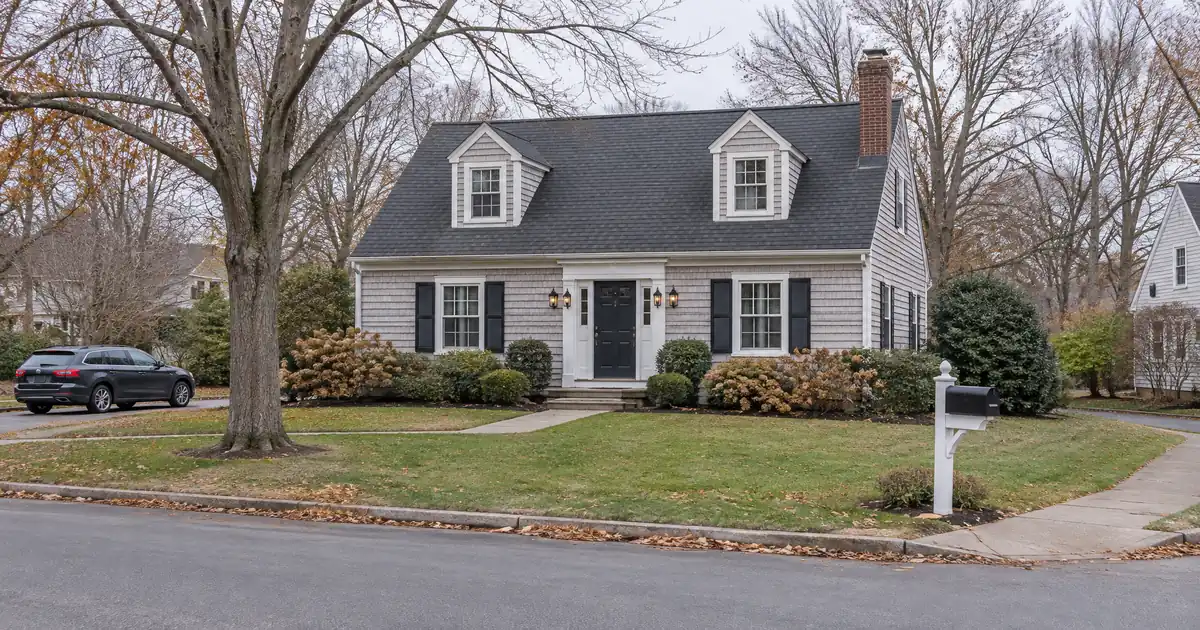
The Quick Read: The lenders that write this loan on a home you live in are non-QM wholesale lenders, and a broker can shop several of them for you. They qualify you on documented income under the applicable program, subject to lender guidelines. Your deposits, not your tax returns, drive the income number.
- Cash-out on a primary residence typically tops out at 80% LTV with a fixed expense ratio, or 75% with an accountant-prepared ratio.
- A second home sits one step lower on the cash-out ceiling, at up to 75% LTV.
- The 90% figure is a purchase and rate-term ceiling on a primary residence. It does not apply to cash-out.
- Typical loan sizes run roughly $125,000 to $3,500,000, with reserves commonly around 6 months of the housing payment.
- Occupancy sets the rulebook. Owner-occupied files are consumer mortgages, which changes the disclosures and the paperwork.
You run a business, your tax returns show less than you really earn, and you want cash out of the home you live in. That is the exact borrower this loan was built for. This guide explains how these lenders think and what you should prepare. It also covers where the process differs from a rental-property loan.
Which Lenders Offer This on a Home You Live In?
A small group of non-QM lenders writes owner-occupied bank statement cash-out loans. Many of these programs are reached through brokers. Non-QM means the loan falls outside the standard rules for agency-style mortgages, so each lender sets its own program sheet.
Lendmire is a mortgage broker, not a lender. It works with a network of wholesale cash-out refinance lenders and matches your file to the program that fits. The best program for your situation depends on your property type, credit profile, leverage need, and how clean your deposits are.
Across a wholesale network, the differences between programs are real:
- Some programs lean on 12 months of statements. Others accept different windows.
- Expense factors on business statements differ from lender to lender.
- Maximum leverage and minimum loan size move with credit and loan amount.
- Reserve rules and treatment of cash-out proceeds vary. Exact terms depend on the lender’s guidelines, property type, leverage, and a full review of the borrower’s file.
A single lender shows you one set of terms, while a broker can show you several. That is the practical case for shopping through a broker.
Why Occupancy Decides the Lane
The occupancy of the property decides which loan family you are in. Your income documentation is a separate choice. The table below sets the three occupancy types side by side: primary residence, second home and investment property.
| Factor | Primary Residence | Second Home | Investment Property |
|---|---|---|---|
| Cash-out ceiling | Up to 80% LTV | Up to 75% LTV | Up to 75% LTV |
| Income method | Bank statements | Bank statements | Rent-based (DSCR) or statements |
| Loan type | Consumer mortgage | Consumer mortgage | Business-purpose |
| Federal consumer-mortgage disclosures (TRID) | Apply | Apply | Exempt |
The ceilings above are subject to lender guidelines, loan size, and credit. A rental that is reviewed on the property’s cash flow usually fits a DSCR loan better. Because a DSCR loan is designed for non-owner-occupied investment properties, it is a business-purpose loan and is reviewed differently from a standard owner-occupied mortgage. That path does not fit a home you live in.
How Do Lenders Turn Deposits Into Income?
Lenders add up eligible deposits across the statement period, divide by the number of months, and apply an expense factor on business statements. The result is your qualifying income. Programs in the network typically use 12 months of statements, business or personal.
Step by step:
1. You provide statements. The deposits should come from the same account throughout the period.
2. The lender scrubs deposits. Transfers between your own accounts, loan proceeds, and one-off windfalls usually come out. Deposits that do not match your type of business draw questions.
3. The lender averages what is left. Eligible deposits are totaled and divided by the months used.
4. The expense factor applies. On business statements, the lender reduces the average to reflect the costs of running the business. The factor differs by lender and program. A fixed expense ratio is one route. An accountant-prepared ratio is another, and it carries the lower leverage ceiling on a primary residence. Personal statements are generally read closer to raw deposits.
5. Your debts come in. The new housing obligation and your other monthly debts are tested against the income figure.
Say your business statements show strong deposits, but a large share is transfers between your own accounts. The lender will exclude those. Your qualifying income can come in well under what the deposits suggest. Clean, sourceable deposits are the most useful thing you can prepare.
No rule hands lenders one formula. The federal ability-to-repay standard requires a lender to consider specific factors and verify what it relies on, but it does not require a particular underwriting model. That is why method differs from one program to the next. The CFPB’s compliance guide lists eight factors a lender must consider on a consumer-purpose loan.
How Much Cash Can You Actually Take Out?
Two limits control your cash out: equity sets one and documented income sets the other.
Run it this way. Picture a home with a lot of equity and an LTV cap of 80% on a primary-residence cash-out. The cap sets the largest loan the property can support. Your existing mortgage payoff comes out first. Closing costs and any required reserves reduce what lands in your hands. The check you receive is the remainder.
Then test the income side. Your qualifying income from the deposit average, after the expense factor, has to support the new loan payment alongside your other debts. If it falls short, the loan size shrinks even though equity allows more.
A low appraisal pulls the value down and the maximum loan with it. Lendmire’s piece How Lenders Underwrite a Bank Statement Cash-Out Refinance When the Home Appraises Low walks through that case. Cash-out on an owner-occupied home also uses a full appraisal of the home itself, not a rent-based report.
What Do You Need to Bring?
Prepare these before you talk to anyone:
- 12 months of bank statements, business or personal, from the same account
- A clear explanation for any large or unusual deposit
- Proof of the existing mortgage, taxes, and insurance on the home
- Reserves, commonly around 6 months of the housing payment
- Your credit profile and a list of monthly debts
- Business documentation if you use business statements
Programs set their own seasoning rules, meaning how long you must own the home or have held the current loan before cashing out. No single number applies across the network, because the answer comes from the program sheet that fits your file, and your broker can confirm it once the program is chosen.
Bank Statement vs. HELOC vs. DSCR vs. Asset Depletion
| Option | Best fit | Watch out for |
|---|---|---|
| Bank statement cash-out | Self-employed, variable income | Expense factor cuts income |
| HELOC | Keeping an existing first mortgage | Variable access, lender limits |
| DSCR | Rentals, not your own home | Not for owner-occupied property |
| Asset depletion | Large liquid assets, thin income | Lender limits on which assets count |
A HELOC leaves your first mortgage in place, which matters if you are happy with it. The asset-depletion route is reviewed against liquid assets instead of deposits, and on a primary residence it typically runs up to 80% LTV. A deeper explanation of the investor side lives in the complete DSCR loans guide.
Where the General Rule Breaks
A few edge cases trip people up.
Occupancy is a fact, not a label. Putting a home in an LLC does not turn it into a business loan. The federal rule asks the lender to decide, case by case, whether the primary purpose of the credit is business or consumer, and it weighs factors like the stated purpose and the relationship to a business. See the CFPB’s commentary on business-purpose credit. Cash-out on a home you live in for personal use is consumer credit.
The three-day cancellation window. On a refinance of your primary residence, you generally get three business days to cancel after the paperwork is complete. The CFPB’s rescission rule sets the clock. The right covers refinances, not purchases, and Bankrate notes it does not reach investment property. The lender cannot release funds until the window closes, so plan for the money to arrive after that delay rather than at the closing table.
Second homes. A second-home cash-out is also a consumer loan, so TRID applies. It runs to a lower ceiling than a primary residence, up to 75% LTV. Final terms depend on lender guidelines, property type, leverage, and the borrower’s complete credit picture.
Moving out. You declare occupancy when you apply. If you plan to move out and rent the home, tell your broker early. A property that becomes a rental may belong in a different program.
Short-term rentals with personal use. A vacation home you use yourself and also rent out can sit in a gray area. The occupancy declaration and how you actually use the home decide the lane.
Mistakes That Stall a File
- Mixing personal and business deposits in one account without explanation
- Large unexplained deposits near the application
- Assuming your LLC makes a home loan business-purpose
- Counting on equity alone while documented income is thin
- Expecting a cash-out loan to skip the cancellation window
Most of these are fixable if you catch them before applying.
Frequently Asked Questions
Who offers bank statement cash-out refinance on a home I live in?
Non-QM wholesale lenders write these loans, usually through brokers. Lendmire is a broker that compares programs across its network. Lendmire does not lend directly. Availability depends on your state, since Lendmire’s consumer mortgage licensing covers 16 states.
How much can I borrow against a primary residence?
On a cash-out of a primary residence, programs typically go up to 80% LTV with a fixed expense ratio, or 75% with an accountant-prepared ratio. Second-home cash-outs typically go up to 75% LTV. The 90% figure applies to primary-residence purchase and rate-term loans only. Loan sizes run roughly $125,000 to $3,500,000, subject to lender guidelines.
Can I use a DSCR loan on my own home?
No. DSCR loans are designed for non-owner-occupied investment properties and qualify the property’s cash flow. A home you live in goes through a consumer-purpose program that is reviewed on documented income instead.
Is a bank statement loan exempt from ability-to-repay rules?
No. Because an owner-occupied cash-out is a consumer mortgage, the lender must still make a reasonable, good-faith determination that you can repay the loan. A bank statement program does not waive that duty. It changes the evidence: the lender reviews 12 months of statements, averages your deposits, applies an expense factor, and uses the result as the verification of your income.
What if I’d rather qualify from savings than deposits?
An asset-depletion program is reviewed against liquid assets and typically runs up to 80% LTV on a primary residence, subject to lender guidelines.
If you are self-employed and want to see how the numbers work, Lendmire can help you compare bank statement loan options based on your deposits, the property, credit profile, leverage, and your goals. Reach the team at 828-256-2183 or request a quote.
For the mechanics of pulling equity out of a rental property, see Lendmire’s guide to cash-out refinance on an investment property.
For current guidelines and terms, see Lendmire’s bank statement loan programs page.
About Lendmire
Lendmire (NMLS# 2371349) is a mortgage brokerage serving self-employed and high-net-worth borrowers in 16 states. Bank statement, P&L-only, 1099-only and asset-based mortgages are arranged through wholesale lending channels; Lendmire brokers the financing and the lender underwrites each application. Scotsman Guide named Lendmire a Top Mortgage Workplace in both 2025 and 2026.
Get Started
Ready to find the right loan for you?
See your offer in seconds. No credit pull, no obligation.
Informational only. Not a Loan Estimate, approval, or commitment to lend. Program availability and eligibility are subject to lender guidelines, credit approval, property review, and underwriting.
References
1. CFPB, ATR/QM Small Entity Compliance Guide
3. Bankrate, Right of rescission
This article is part of Lendmire’s bank statement loan program — full qualification details, guidelines, and scenarios live on the program page.
Related reading: Best Bank Statement Cash-Out Refinance Program at 75% Loan-to-Value · Bank Statement Cash-Out Refinance vs Full-Doc Refinance for Nontaxable Cash · How Much Cash Comes Out of a Bank Statement Cash-Out Refinance for a Renovation or ADU?
Brandon Miller
Founder & CEO, Mortgage Loan Originator, Lendmire LLC
- Mortgage Loan Originator · NMLS# 1129696 · Verify on NMLS Consumer Access
- North Carolina Real Estate Broker · License# 343312 · Verify on NCREC
- North Carolina Insurance Producer · License# 19053198 · Property, Casualty, Life, Health · Verify on NAIC SBS
- Lendmire LLC · Firm NMLS# 2371349 · Verify firm licensure
Legal disclosures. Lendmire (NMLS# 2371349) is a state-licensed mortgage brokerage that arranges financing through wholesale lender relationships. Lendmire is not a direct lender, depository institution, or registered financial advisor. The discussion above is general informational content about real estate financing — it is not financial, legal, or tax advice, and readers should consult licensed professionals for guidance on their individual circumstances. Loan inquiries are subject to lender underwriting; this article does not represent a commitment to lend. Loan terms, rates, and qualification standards vary by borrower, property, and state, and are subject to change at any time. Equal Housing Opportunity. NMLS Consumer Access: nmlsconsumeraccess.org.