
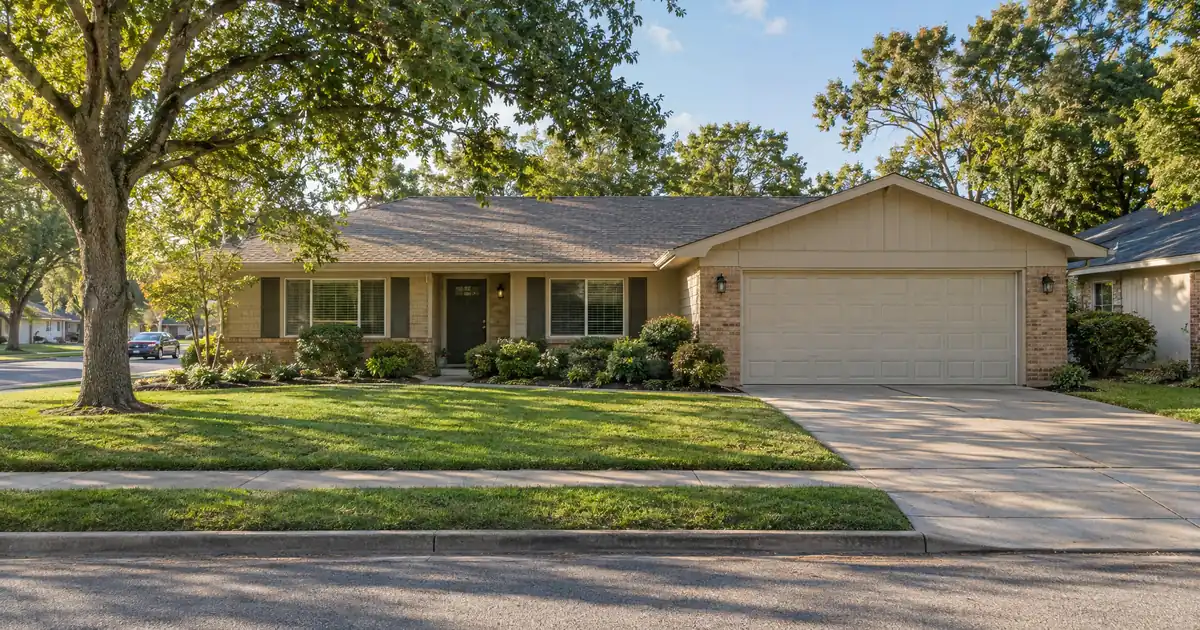
The Quick Read: The process starts with proving the home is your principal residence, then documenting two years of self-employment through traditional personal-income documentation, where the lender counts net profit after write-offs rather than gross sales or bank deposits. Rental properties do not qualify, so investors with rentals usually move to a bank statement or DSCR structure instead.
- Occupancy comes first. The home must be your principal residence, and a pure rental fails before anyone looks at income.
- Two years of self-employment is the standard history, with a narrow exception for people who did similar work beforehand.
- Net income decides the file. Heavy deductions that help at tax time shrink the number the lender can use.
- A falling year is not averaged upward. The lender takes the lower figure.
- If the property is a rental, FHA is the wrong tool. Select bank statement and DSCR programs fit that job.
Key Terms Defined
FHA loan: A mortgage insured by the Federal Housing Administration, which lets approved lenders offer owner-occupant loans with flexible credit terms.
Cash-out refinance: A new, larger mortgage that pays off the old one and hands you the difference in cash.
Net income: What your business earns after expenses and write-offs, as shown on your tax return.
Schedule C: The tax form a sole proprietor or 1099 contractor files to report business profit or loss.
Add-backs: Non-cash deductions, such as depreciation, that a lender adds back to net profit when it calculates usable income.
Bank statement loan: A mortgage that is reviewed on documented income under the applicable program, subject to lender guidelines, using deposit history instead of tax-return net income.
DSCR (debt service coverage ratio): Monthly rent divided by the full monthly obligation on a rental: principal, interest, taxes, insurance, and any HOA dues.
How Does the FHA Cash-Out Application Work, Step by Step?
The application runs in a fixed order: confirm occupancy, assemble two years of returns, let the lender rebuild your income, then move through appraisal and underwriting. Self-employment adds paperwork at each step. It also lets the lender recalculate your income, which is where most files get decided.
1. Confirm occupancy. FHA cash-out is limited to your principal residence. Lenders look for proof that you live there, often through employment records or utility bills. Income from a co-borrower who does not live in the home cannot be used to qualify. Rental income from an accessory unit on a one-unit property cannot count either.
2. Check your self-employment history. FHA treats you as self-employed if you own 25% or more of the business, according to a trade summary of the handbook. A 1099 contractor who files a Schedule C is treated the same way. Two years is the usual minimum history.
3. Gather the paperwork. Expect traditional personal-income documentation for two years. Expect a profit-and-loss statement if you want the lender to count current-year income that runs above your two-year average. Sole proprietors filing a Schedule C are generally not asked for a balance sheet. Business returns come into play for corporations and partnerships.
4. Let the lender rebuild your income. The lender starts from net profit on the return. It then adds back non-cash items such as depreciation and business use of the home. HUD’s published self-employment rules have the lender use the lesser of the two-year average and the one-year average. A strong second year will not rescue a weak first one, and a weak second year pulls the number down.
5. Complete the application and credit review. You give the lender your debts, assets, and the cash amount you want. More cash means a larger loan, which raises your debt ratio. Self-employed borrowers should test that before applying, not after.
6. Appraisal, title, and insurance. These sit on top of the income file. The appraisal sets the value the cash-out limit is measured against, and FHA caps cash-out at a fixed share of that value.
7. Underwriting and conditions. The underwriter may ask for payment-history documentation, a letter explaining a dip, or proof the business is still operating. Answer every condition in writing and keep business and personal accounts separate.
8. Mortgage insurance and closing. FHA loans carry an upfront premium of 1.75% of the base loan amount plus an annual premium paid in monthly installments, per HUD’s FHA answers site. That insurance cost applies to the whole new balance, not just the cash you take out.
What Does Net Income Do to a Typical File?
Picture a landscaper whose revenue grew both years. Equipment depreciation and vehicle write-offs cut taxable profit hard, and the second year dips below the first. The lender adds back depreciation. It then takes the lower of the two averages, because the profit trend is flat to down.
Gross sales were never the number. Deposits were never the number either. The tax return is the number, so the same write-offs that lowered your tax bill lower your borrowing power.
HUD’s text also flags a decline of more than 20 percent in effective income over the review period. That pushes the file into manual underwriting, which means more scrutiny and more explanation.
Where the General Rule Breaks
The occupancy rule is firm, but a few profiles bend around its edges. Most variations come from how long you have been self-employed and what kind of property you live in.
Under two years self-employed. Between one and two years, income can still count if you worked in the same or a related line of work for at least two years beforehand. A career switch with no related history does not qualify.
Income above your two-year average. The lender will not count the higher figure without support, such as a current-year profit-and-loss statement.
Declining income. A drop of more than 20 percent triggers manual underwriting. Plan on a written explanation and possibly a smaller cash-out request.
The live-in 2 to 4 unit owner. This is the one investor profile for whom FHA cash-out makes sense. If you occupy one unit as your principal residence, the property is still your home in the lender’s eyes, and the rule can be satisfied. The other units’ rent is treated under separate guidelines, so confirm how your lender counts it.
Second homes and investment properties. Neither qualifies for FHA cash-out. That is the point where most investors need a different structure.
If your income looks low on paper, Lendmire’s piece Self-Employed Cash-Out Refinance Documentation When Income Looks Wrong covers what to prepare.
Why Rentals Move to Another Structure
FHA cash-out ends where occupancy ends. If the property is a rental, you need a program built for the property, not for a home you live in. Across Lendmire’s wholesale network, two paths cover most of those cases.
DSCR loans are designed for non-owner-occupied investment properties. Because they are business-purpose investor loans, they are reviewed differently from a standard owner-occupied mortgage.
| Factor | FHA Cash-Out | Bank Statement Cash-Out | DSCR Cash-Out |
|---|---|---|---|
| Property | Principal residence only | Primary or second home | Investment rental |
| Income basis | Tax-return net profit | 12 months of deposits | Property rent vs. payment |
| Leverage | Fixed FHA cap | Up to 80% LTV | Up to 75% LTV, standard rentals |
| Insurance | FHA premiums | Lender-specific | None from FHA |
Leverage figures are typical ceilings across select lenders in the network, subject to lender guidelines, loan size, credit, and property review.
When You Live in the Home and Your Returns Look Thin
A bank statement loan is the usual answer for a self-employed owner-occupant whose traditional personal-income documentation understates cash flow. The file is reviewed on documented income under the applicable program, subject to lender guidelines. Most programs we place files with ask for 12 months of business or personal bank statements. They average deposits and apply a lender-specific expense factor, and that factor varies from one program to the next.
Leverage depends on the transaction. On a primary-residence purchase or rate-and-term refinance, select lenders go up to 90% LTV for stronger files. On an owner-occupied cash-out, whether primary residence or second home, the ceiling is up to 80% LTV, never the purchase figure. An asset-depletion alternative is reviewed against liquid assets and runs to about 80% LTV on a primary residence.
Loan amounts typically run from roughly $125,000 to $3,500,000. Reserves commonly sit near six months of the housing payment. Term length follows each lender’s program sheet, so do not assume extended terms.
An owner-occupied bank statement loan is a consumer mortgage, so consumer disclosure rules apply, including TRID. Lendmire’s consumer mortgage licensing covers 16 states, so availability on this side is narrower than on the investor side.
When the Property Is a Rental
A bank statement loan on a non-owner-occupied rental is business-purpose and exempt from TRID. That is a different file from the owner-occupied one above, and the two should never be mixed. Investment cash-out on bank statement documentation tops out around 75% LTV. Investment purchase leverage on alt-doc varies by lender.
For most pure rentals, a DSCR loan is simpler. It qualifies primarily on property-level rental income covering the payment, subject to lender guidelines. Your personal write-offs matter far less, because the lender is looking at the property.
Many programs are built around a 1.00x coverage baseline, meaning rent equals the full monthly obligation. Select lenders in the network will review below 1.00x, but leverage and terms adjust when they do. Cash-out on a standard rental typically tops out around 75% LTV, depending on credit and property review. The complete DSCR loans guide explains how the coverage number is built.
This is the real investor decision. An owner-occupant with thin returns weighs FHA against a bank statement loan. A landlord skips FHA and compares bank statement and DSCR options.
Deciding Which Path Fits
Work through these questions in order:
- Do you live in the property? If not, FHA is off the table.
- Does your traditional income documentation show your real income? If write-offs hide cash flow, a bank statement structure may fit better.
- Is your income trending down? A decline of more than 20 percent complicates FHA, so compare structures before you apply.
- Is the property a rental that carries its own payment? Then a DSCR structure is built for it.
- How much cash do you need? More cash raises the new balance and the debt ratio on any structure. Size the request to the file.
Tax treatment can depend on how the funds are used and how the property is held; investors should keep clear records and speak with a qualified tax professional before relying on any deduction.
What to Do This Week
Pull your last two years of personal tax returns and compare net profit year to year. Print twelve months of business and personal bank statements and sort out any mixed accounts. Decide whether the property is your home or a rental. Those three steps tell you which structure to explore.
Reach the team at 828-256-2183 or request a quote. Qualification is subject to lender guidelines and credit approval. This is not a commitment to lend.
Frequently Asked Questions
Can I use FHA cash-out on a rental property?
No. FHA cash-out is limited to your principal residence. A rental, second home, or investment property does not qualify. The exception is a 2 to 4 unit building where you live in one unit. For other rentals, a bank statement or DSCR cash-out is the usual route, subject to lender guidelines.
Does FHA use my 1099 totals or bank deposits?
No. The lender builds your income from the net profit on your tax return, with certain non-cash items added back. Gross receipts and deposits do not set the number. Bank deposits are the basis for bank statement loans, which is a separate program.
How long do I need to be self-employed?
Two years is the usual minimum. Between one and two years, your income can count if you worked in the same or a related line of work for at least two years beforehand. That exception is narrow, so confirm your history with the lender early.
What happens if my income dropped this year?
The lender uses the lesser of the one-year and two-year averages, so a down year is not averaged up. A decline of more than 20 percent also sends the file to manual underwriting. You may need a written explanation and a smaller cash-out amount.
Do FHA premiums apply to the cash I take out, or only the old balance?
They apply to the entire new loan amount. The upfront premium is 1.75% of the base loan amount, and the annual premium is billed in monthly installments. That makes FHA cash-out more expensive to carry than the same balance without mortgage insurance.
For how equity extraction works on an investment property, see Lendmire’s guide to cash-out refinance on an investment property.
About Lendmire
Lendmire (NMLS# 2371349), a non-QM mortgage broker serving investors in 41 markets including Washington, D.C., helps structure DSCR scenarios commonly evaluated around a property’s rental income rather than personal income paperwork, subject to lender guidelines. A Scotsman Guide Top Mortgage Workplace in 2025 and 2026, Lendmire places loans through wholesale investor lenders and is not a direct lender.
Get Started
Ready to find the right loan for you?
In about 30 seconds you can review financing options available for your home or investment property. No commitment required.
Informational only. Not a Loan Estimate, approval, or commitment to lend. Program availability and eligibility are subject to lender guidelines, credit approval, property review, and underwriting.
References
1. FHA News Blog on HUD 4000.1 self-employment income
2. HUD’s self-employment income rules
3. HUD FHA mortgage insurance premium structure
This article is part of Lendmire’s bank statement loan program — full qualification details, guidelines, and scenarios live on the program page.
Related reading: FHA Cash-Out Qualifying Ratios for Self-Employed Homeowners · Cash-Out Refinance Documentation for a Self-Employed Divorce Buyout · How to Fund Your Business With a Cash-Out Refinance While Self-Employed
Brandon Miller
Founder & CEO, Mortgage Loan Originator, Lendmire LLC
- Mortgage Loan Originator · NMLS# 1129696 · Verify on NMLS Consumer Access
- North Carolina Real Estate Broker · License# 343312 · Verify on NCREC
- North Carolina Insurance Producer · License# 19053198 · Property, Casualty, Life, Health · Verify on NAIC SBS
- Lendmire LLC · Firm NMLS# 2371349 · Verify firm licensure
Legal disclosures. Lendmire (NMLS# 2371349) is a state-licensed mortgage brokerage that arranges financing through wholesale lender relationships. Lendmire is not a direct lender, depository institution, or registered financial advisor. The discussion above is general informational content about real estate financing — it is not financial, legal, or tax advice, and readers should consult licensed professionals for guidance on their individual circumstances. Loan inquiries are subject to lender underwriting; this article does not represent a commitment to lend. Loan terms, rates, and qualification standards vary by borrower, property, and state, and are subject to change at any time. Equal Housing Opportunity. NMLS Consumer Access: nmlsconsumeraccess.org.