
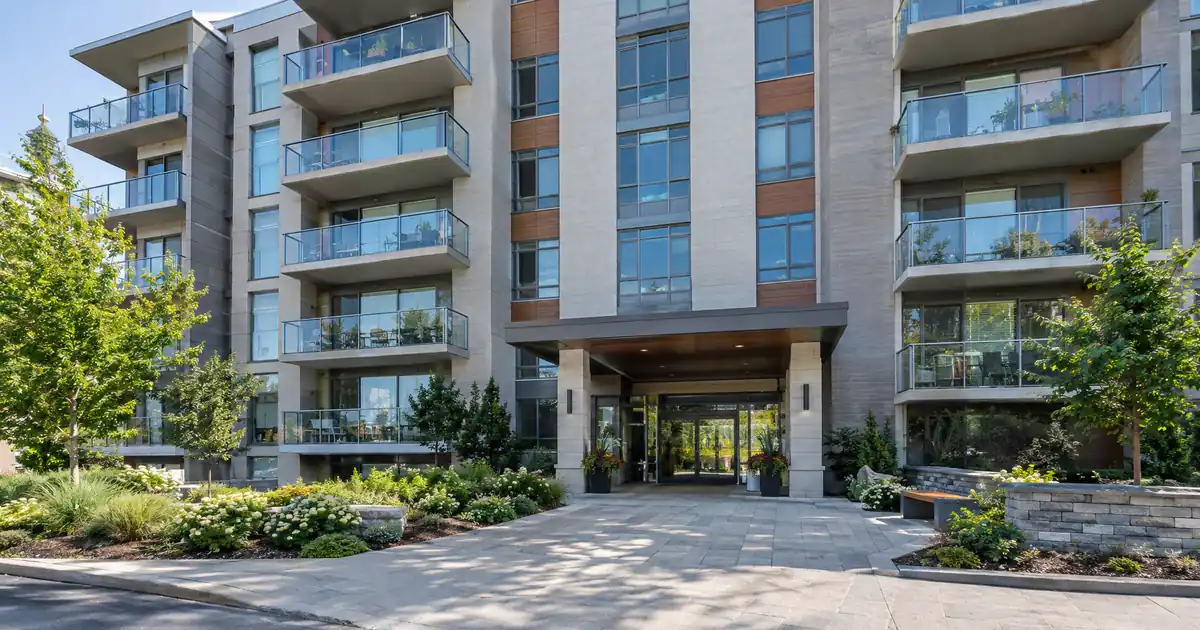
The Quick Read: A low VA appraisal cuts your cash dollar for dollar. The VA cash-out loan tops out at 100% of the appraised value, so every dollar of value the appraiser takes away removes a dollar of available cash. There is no cushion. A condo adds a second gate, because the project itself must be acceptable to VA no matter what the unit appraises for. Program figures are subject to lender guidelines and full file review.
How Does the Appraisal Set Your Cash?
The appraised value is the ceiling on the loan. Cash is whatever is left under that ceiling after the old loan, financed costs and the funding fee are covered.
The VA cash-out reaches 100% of the appraised value, including the financed funding fee. It refinances any loan type into VA. The rule behind this is in 38 CFR 36.4306, which caps the loan at 100% of the “reasonable value” VA determines for the home.
The chain runs in one direction:
1. Appraised value sets the maximum loan.
2. The payoff of your existing liens comes off the top.
3. Financed costs and the funding fee come off next.
4. What remains is your cash.
If the value drops by a set amount, the maximum loan drops by that same amount. Payoff and costs stay put. Cash absorbs the whole hit.
Here is the catch most borrowers miss. The funding fee competes for the same ceiling. Under that regulation, any part of the fee that would push the loan above 100% of value gets paid in cash at closing. A low value leaves less room to finance the fee, so you may bring money to the table instead of taking it.
The funding fee on a cash-out is 2.15% on first use and 3.3% on later use. It is waived for veterans receiving compensation for a service-connected disability and the other exempt groups. If you are exempt, the fee never eats into the ceiling at all.
Our VA cash-out refinance program page covers the program basics. This article stays on the low-value problem.
How Much Cash Do You Lose? (Four Outcomes, One Condo)
You lose the same percentage of value you lose in the appraisal, applied to the whole loan ceiling, and a much larger share of your cash. That is the part that surprises people.
Picture a condo owner planning around an expected value. The payoff costs and fee are fixed. Index the expected value at 100 and watch what happens at four outcomes:
| Appraisal outcome | Value vs. expected | Ceiling change | Cash effect |
|---|---|---|---|
| On target | 100% | None | Full planned cash |
| Slightly low | 95% | Down 5% of value | Cash down by that amount |
| Low | 90% | Down 10% of value | Cash down by that amount |
| Very low | 85% | Down 15% of value | Cash may vanish |
The percentages are modeled, not market data. The point is the leverage. Cash is a small slice of the ceiling, so a 5% value miss can take a large fraction of it.
Say you planned to pull out roughly 15% of the home’s expected value in cash. A 10% miss in the appraisal cuts that to about 5%. A 15% miss can erase it, and the shortfall may land on the funding fee and closing costs instead. Those are the numbers worth running before you pay for anything.
A value that comes in below your existing payoff changes the whole picture. There is no cash, and the refinance may not work at all.
Why Do Condo Appraisals Come In Low?
Condo values are built from sales in the same building or nearby projects, so thin or stale comps are a common cause. Building condition, HOA dues and special assessments also pull the number.
Common drivers on a condo file:
- Few recent sales in the building. The appraiser reaches to other projects with different amenities.
- Wrong unit facts. Square footage, floor, view or an omitted renovation.
- HOA dues and assessments. High dues or a pending special assessment weigh on value.
- Building condition. Deferred maintenance in common areas shows up in the opinion.
- Owner expectations. Online estimates and a neighbor’s ask price are not sales.
Condo appraisals can come in below the owner’s expected value, so it helps to plan for that possibility early and to talk through the options with your broker.
Two Gates: The Unit Appraisal and the Project
A good unit appraisal does not rescue a bad project. Condominiums, unlike PUDs, must be VA-approved before any unit is eligible for the VA guaranty. The lender is responsible for confirming the project is acceptable.
| Item | Unit appraisal | Project approval |
|---|---|---|
| What it checks | Value of your unit | Legal documents and project standing |
| Who controls it | Appraiser, reviewed by VA | VA, or HUD/USDA acceptance |
| Failure means | Less cash, or none | No VA loan on that unit |
| Can you fix it | Sometimes, with evidence | Usually not on your own |
Projects already approved by HUD or USDA generally do not need further VA review. Conditions on an “accepted with conditions” project must be met before closing.
Is It an Error or an Opinion?
Fix errors. Argue opinions only with hard evidence. Sort what you find before you ask for a review.
| What you spot | Type | Worth a review request? |
|---|---|---|
| Wrong square footage or unit | Factual error | Yes |
| Renovation left out | Omission | Yes, with documentation |
| Comps from a different building type | Weak comp | Yes, with better sales |
| Appraiser weighed comps differently | Opinion | Only with strong evidence |
You are entitled to a copy of the appraisal. Under the CFPB’s ECOA valuations factsheet, the lender must tell you in writing of that right and provide copies of appraisals on first-lien home loans. Coverage applies even if the application is denied or withdrawn. Read it line by line.
How Do You Challenge a Low Value on a Refinance?
You request a reconsideration of value through the lender, with better comparable sales or documented errors. It is a request for review, not a guarantee of a higher number.
1. Get the appraisal copy and read it. Mark every factual error and every comp you think is weak.
2. Build the evidence. Recent sales in your building or comparable projects, plus documents for any upgrades the report missed.
3. Send it through the lender. The loan officer submits the packet. You do not contact the appraiser directly.
4. Watch for the pre-finalization window. When an appraiser expects a value below target, the Tidewater process gives parties a short window to submit stronger comps before the report is final. It is described in purchase terms, where the target is a contract price. A refinance has no contract price, so do not assume it works the same way on cash-out. Ask the lender how it applies.
5. Know what carries over from purchase advice. Renegotiating the price, using an escape clause and earnest-money tactics do not apply to a refinance. There is no seller.
A reconsideration can also fail. Plan for a lower number.
What Is the Lowest Value That Still Makes Sense?
Work backward from the cash you need. Add your payoff, expected costs and the funding fee (if you are not exempt). That total, divided by your allowed ratio, is the minimum appraisal your plan needs.
On VA cash-out the allowed ratio is 100% of value, so the break-even is simple: the minimum value equals payoff plus costs plus fee plus target cash. Some lenders set their own cash-out cap below VA’s 100%. That is a lender overlay, not a VA rule, and a low value hits an overlay-limited loan the same way.
If the appraisal lands below that break-even, ask whether the cash you can still get covers the costs of closing. Cash-out closing costs are real. If the answer is no, stop.
Your Options When the Value Stays Low
You have five paths. None is automatic, and each depends on lender guidelines and your file.
| Option | What changes | Best fit |
|---|---|---|
| Take less cash | Smaller loan, same plan | Cash still covers the need |
| Restructure the plan | Use the cash differently | Debt payoff still pencils |
| Wait | Build equity, reapply later | No urgent need |
| Switch product | Different loan type | Cash is not the goal |
| Cancel | Keep current loan | Costs outweigh benefit |
A low value can also push a planned cash-out toward a payoff-only loan. VA calls loans where the new balance does not exceed the payoff “Type I” and loans with cash coming out “Type II,” per VBA Circular 26-19-05. That same circular says VA will not guaranty a refinance when the loan-to-value exceeds 100%, with the loan amount including the funding fee. Type I loans between two VA loans carry a 36-month fee-recoupment requirement.
An IRRRL, the VA streamline, needs no VA appraisal, but it pays out no cash and only refinances an existing VA loan.
Two more tests can sink a low-value file. The net tangible benefit test must be satisfied, and a lower value can make the 90% loan-to-value benefit criterion unavailable, so the loan may need to qualify on another criterion. Seasoning applies too: the later of 210 days from the first payment and the 6th payment.
Common Mistakes on Condo Cash-Outs
On these files, the failures repeat:
- Assuming a 90% cap. The 90% figure is one net tangible benefit criterion, not a general limit.
- Ordering the appraisal before checking project status.
- Treating an online estimate as value.
- Planning to finance the full funding fee with no room under the ceiling.
- Not reading the appraisal for errors.
Key Terms Defined
Reasonable value: the figure a qualified, unbiased appraiser would recommend as a proper price in prevailing conditions.
Funding fee: the VA charge that can be financed, but only up to the 100% ceiling.
Reconsideration of value: a lender-submitted request to review the value with better comps or documented errors.
Project approval: VA’s acceptance of the condo project’s legal documents, separate from unit value.
Net tangible benefit: the test showing the refinance helps the borrower in a defined way.
Type II refinance: a cash-out loan where the new balance exceeds the payoff.
Frequently Asked Questions
Does a low appraisal cancel my VA cash-out refinance?
Not automatically. The loan resizes to 100% of the lower value, so you may get less cash. A value below your payoff can stop it, and lender overlays or a failed benefit test can too.
How much cash will I lose?
Dollar for dollar with the value you lose. Payoff and costs do not shrink, so cash takes the entire drop, which can be a large share of a small planned amount.
Can I skip the appraisal?
On a cash-out, no. The appraisal is required. Only the IRRRL, which pays no cash, can go without one.
Can my condo’s project status block the loan?
Yes. VA cannot guaranty a loan on a unit in a project that is not approved, whatever the unit appraises for. Check status before ordering.
Can I dispute the value?
You can request a reconsideration through your lender, using better comps or documented errors. It is a review, and the number may not move.
Tax treatment can depend on your situation; borrowers should speak with a qualified tax professional before relying on any deduction or credit.
If you are weighing a cash-out refinance against keeping the loan you have, Lendmire can help you compare the programs and the equity each one reaches.
For your own numbers, request a scenario review with Lendmire.
About Lendmire
Lendmire, NMLS# 2371349, is a mortgage brokerage with consumer lending licenses in 16 states. FHA, VA, conventional and jumbo purchase and refinance loans are arranged through wholesale lending partners, and each application is reviewed individually by the lender. Scotsman Guide named Lendmire a Top Mortgage Workplace in both 2025 and 2026.
Get Started
Ready to find the right loan for you?
In about 30 seconds you can review financing options available for your home or investment property. No commitment required.
Informational only. Not a Loan Estimate, approval, or commitment to lend. Program availability and eligibility are subject to lender guidelines, credit approval, property review, and underwriting.
References
2. CFPB ECOA Valuations transaction coverage factsheet
This article is part of Lendmire’s VA Loans series — every loan program’s qualification details, guidelines, and scenarios live on the loan options page.
Related reading: How Much Entitlement a VA Cash-Out Leaves Before a PCS Move · How Much More the Largest VA Cash-Out Releases Than Conventional · How Much a Veteran With a Disability Rating Keeps in a VA Cash-Out
Brandon Miller
Founder & CEO, Mortgage Loan Originator, Lendmire LLC
- Mortgage Loan Originator · NMLS# 1129696 · Verify on NMLS Consumer Access
- North Carolina Real Estate Broker · License# 343312 · Verify on NCREC
- North Carolina Insurance Producer · License# 19053198 · Property, Casualty, Life, Health · Verify on NAIC SBS
- Lendmire LLC · Firm NMLS# 2371349 · Verify firm licensure
Legal disclosures. Lendmire (NMLS# 2371349) is a state-licensed mortgage brokerage that arranges financing through wholesale lender relationships. Lendmire is not a direct lender, depository institution, or registered financial advisor. The discussion above is general informational content about real estate financing — it is not financial, legal, or tax advice, and readers should consult licensed professionals for guidance on their individual circumstances. Loan inquiries are subject to lender underwriting; this article does not represent a commitment to lend. Loan terms, rates, and qualification standards vary by borrower, property, and state, and are subject to change at any time. Equal Housing Opportunity. NMLS Consumer Access: nmlsconsumeraccess.org.