
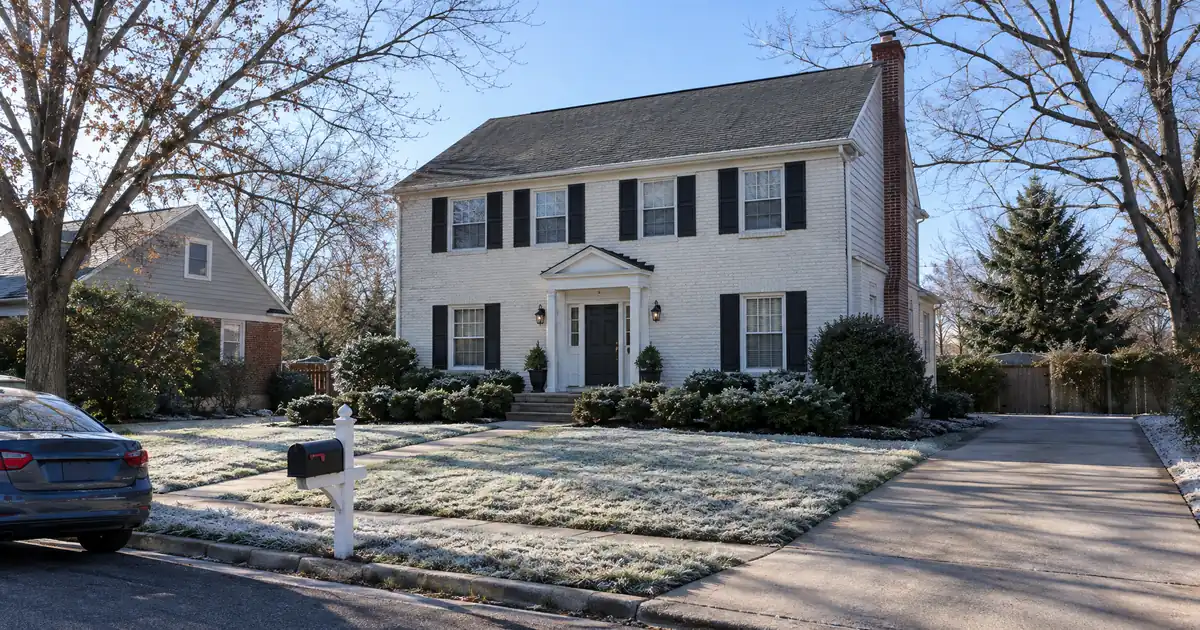
The Quick Read: Unpermitted work does not automatically block a bank statement cash-out refinance, but it can shrink the value the lender counts and the cash you can take out. The income side is reviewed on documented deposits under the applicable program, subject to lender guidelines, and the permit status of the property never changes that math. The appraisal and collateral review are where the work matters.
- Your income and your property are underwritten separately. Bank statements cover the first; the appraisal covers the second.
- Appraisers often leave unpermitted square footage out of living area or discount it, unless comparable sales support it.
- A lower appraised value raises your effective LTV and can cut the cash-out amount.
- Safety-related work (electrical, plumbing, structural) draws far more scrutiny than cosmetic work.
- Hiding known unpermitted work from the appraiser or lender is a fraud risk. Disclose it and work the file openly.
Here is the part most borrowers miss. A bank statement loan swaps out your income paperwork. It does not swap out the property review. Think of the loan as two separate tests, and unpermitted work only sits on one of them.
How Does a Bank Statement Cash-Out Refinance Work?
A bank statement cash-out refinance replaces your current loan with a larger one and pays you the difference. Instead of tax returns, the lender reads 12 months of personal or business bank statements. Qualifying income comes from average deposits, reduced by an expense factor the lender sets.
Across the wholesale network Lendmire works with, the expense factor varies by lender and by account type. No universal formula exists, so do not count on one. Lenders strip out transfers between your own accounts, loan proceeds, refunds, and one-time items before they average anything.
Leverage depends on how you occupy the property:
- Primary residence cash-out: up to 80% LTV with a fixed expense ratio, or 75% with an accountant-prepared ratio.
- Second home cash-out: up to 75% LTV.
- Investment property cash-out: tops out around 75% LTV. Each figure is subject to lender guidelines and a complete review of property type, leverage, and credit.
Loan sizes run roughly $125,000 to $3,500,000, and reserves commonly sit near six months of the housing payment. These are typical ranges from select lenders, subject to lender guidelines, credit, and property review. The broader complete DSCR loans guide explains the rental-income side.
Is There a Rule Against Refinancing a Property With Unpermitted Work?
No federal rule bars it. Treatment comes from three places: the lender’s own guidelines, the appraiser’s report, and the insurer and title company. Bank statement loans are not agency products, so no government-sponsored guide governs them.
Agency guidance still shows how the appraisal world thinks. For contrast only, the Fannie Mae Selling Guide tells appraisers who find an addition without a permit to comment on the quality of the work and its effect, if any, on market value. That is disclosure plus market support, not a flat ban.
Non-QM lenders and their appraisers often act more conservatively than that. This is behavior we see across many programs, not a published rule. The strictest overlays want permits, or they simply exclude the space from value. A few lenders in the network will credit well-built work when the comparable sales back it up. Always ask for the program’s collateral rules in writing before you plan around a number.
Step by Step: How Underwriting Treats the Unpermitted Work
Here is the sequence, in the order a file actually moves.
1. Income is underwritten on its own. The lender averages your eligible deposits over the statement period, applies the expense factor, and prorates for ownership share. Nothing about permits touches this step.
2. The appraiser inspects the property. For a rental, a full appraisal is typical. The appraiser measures gross living area and notes visible additions, conversions, and finishes.
3. The appraiser decides what counts. Appraisers commonly leave unpermitted area out of living area, or value it at a discount. Trade commentary lists the usual conditions for counting it: workmanlike construction, common for the area, and closed sales showing the market accepts it.
4. Value feeds leverage. Lower counted square footage means lower value. The same loan then sits at a higher LTV, and the lender may cut the cash-out, ask for cash to close, or change terms.
5. The underwriter reads the report for red flags. Safety or structural concerns, zoning or legal-use problems, and insurability all come up here.
6. Insurance and title weigh in. Coverage can be disputed for unpermitted systems such as electrical work. A denied or excluded policy can stall the file.
Note what step 1 tells you. Strong deposits do not rescue a low appraisal. Strong property value does not rescue weak deposits. Both halves must clear.
What Happens to Your Cash-Out? A Worked Example
Run the numbers this way. These are modeled assumptions, not program terms or market data.
Say you own an investment property worth 100 units of value as the owner sees it. Of that, 15 units come from a finished garage conversion with no permit. The appraiser leaves the conversion out, so the counted value drops to 85 units.
Your existing loan balance does not change. Say it sits at 50 units, or 50% of the owner’s view of value. Against the appraiser’s 85 units, that same balance now sits near 59% LTV. On an investment cash-out capped around 75% LTV, your room to borrow shrinks from 25 units of the owner’s view of value to about 14 units of counted value. That is a cut of roughly 44% in available cash-out from a 15% value gap. Leverage, reserves, and pricing vary by lender and program; the final terms follow the full file review.
The lesson holds at any size. The smaller the counted value, the more of your ceiling the existing loan already uses. A deal that only works when the unpermitted space counts is a risky deal. Underwrite it as if the garage is still a garage.
Which Kinds of Unpermitted Work Cause Trouble?
Not all work is equal. The risk climbs with safety and legal-use exposure.
| Type of work | Typical appraiser treatment | Likely effect on cash-out |
|---|---|---|
| Cosmetic updates | Usually no issue | Little to none |
| Interior finish or basement | May be excluded from living area | Moderate reduction |
| Garage conversion or addition | Often left out of living area | Meaningful reduction |
| Extra unit or ADU | Value and rent often not credited | Large reduction |
| Electrical, plumbing, structural | Flagged for safety review | Fix required, or loan declined |
Treatment varies by lender and by appraiser, so read this as a pattern, not a promise.
Garage conversions and additions. Investors on public forums generally agree: do not count the extra square footage for your after-repair value or your loan value. Appraisers and lenders usually will not.
Unpermitted extra units. Some lenders will not give value to the unit, though the refinance may still close without it. Rent from an unpermitted unit is a bigger problem on rental-income loans than on bank statement loans, since your income here comes from deposits. The value of the unit is still at risk.
Permits that exist but were never recorded. Some jurisdictions have no permit process at all. In other cases, a call to the building department shows work that looked unpermitted was actually permitted, with the assessor’s records never updated. Check before you assume the worst.
Fix It, Document It, or Restructure?
You have four basic moves. Each trades cost, time, and risk differently.
| Option | What it means | Main tradeoff |
|---|---|---|
| Retroactive permit | Close out the work with the building department | Cost, access, tenant disruption |
| Certification | Licensed pro certifies code compliance | May only partly satisfy a lender |
| Take a smaller cash-out | Borrow against permitted value only | Less cash, simplest file |
| Remove or restore | Return the space to its legal use | Loses the improvement |
A retroactive permit can restore full appraisal credit. It can also mean opening walls, and that gets hard in an occupied duplex. A licensed electrician’s code-compliance letter is a common partial fix for electrical concerns. Some lenders add an escrow holdback, which parks money until the work is corrected.
Here is how I’d weigh it as a broker. If the work is minor and safe, taking a smaller cash-out on permitted value is often the cleanest path. If the work is a large chunk of your value, pulling the permit usually pays for itself. This one is a real toss-up when the building department’s rules are strict and the tenant is in place.
Can the proceeds pay for the permit fix? In many structures, cash-out money is yours once the loan funds, but whether a lender requires the correction before closing depends on the program. Ask early.
Owner-Occupied vs. Investment: Why Occupancy Changes the Rules
Occupancy decides which disclosure regime applies. An owner-occupied file, meaning a primary residence or second home, is a consumer mortgage with consumer-style disclosures. A bank statement loan on a non-owner-occupied rental, including a short-term rental, is a business-purpose loan.
The Federal Register’s ability-to-repay rule says business-purpose loans fall outside the ability-to-repay provisions and treats investment-purpose loans as business-purpose. Purpose controls, though, not just the label on the property. If you live in the home, treat it as owner-occupied and expect the consumer path.
Occupancy also changes your leverage ceiling, as the lists above show: 80% on a primary residence cash-out, 75% on a second home, around 75% on an investment cash-out. Investment purchase leverage on bank statement documentation varies by lender, so do not assume a figure.
Lender availability for consumer-purpose files differs from investor programs. Lendmire’s consumer mortgage licensing covers 16 states, so confirm your state early.
What Documents Do You Need?
You need two stacks, one for each half of the file.
Income documents:
- 12 months of personal or business bank statements
- Business ownership details, if you use business accounts
- Explanations for large or unusual deposits
Property documents:
- Permit history, or proof the permit office has no record
- Contractor invoices and photos of the work
- Inspector or licensed-trade letters, where available
- Current insurance declarations, with confirmation the work is covered
Bring the property stack up front. A file that shows the work was done by licensed trades and is insured reads very differently from one where the appraiser finds a surprise.
What If the Appraisal Comes Back Low or Flags the Work?
Do not panic, and do not argue from emotion. Work the sequence.
1. Read the report for exactly what was excluded and why.
2. Check whether the excluded work was actually permitted but unrecorded.
3. If you have closed sales of similar work in your area, ask the lender about a reconsideration of value with that evidence.
4. Decide whether to resize the loan, fix and reappraise, or move to a different program.
5. Run your numbers on permitted living area only before choosing.
A low appraisal can mean you bring cash to closing, cut the cash-out, change terms, or walk away. The honest broker answer is that the right path depends on how big the excluded value is against your goal.
Risks and Misconceptions
“Unpermitted work automatically kills a refinance.” It doesn’t. It reduces or removes credit in the appraisal, and the outcome depends on safety and legality.
“The agencies ban counting unpermitted space.” The Fannie Mae appraisal FAQ points to commentary and comparable-sale support, not a blanket ban. Non-QM lenders may still be stricter, so check the program’s own rule.
“Bank statement loans ignore the property.” They only replace income paperwork. The collateral gets appraised and reviewed.
“Bank statement loans are no-documentation loans.” They are fully documented. The lender just reads deposits instead of tax returns.
“It looks professional, so they’ll count it.” Permit status, safety, and market evidence matter more than finish quality.
On disclosure: never hide known work from an appraiser or lender. It risks the loan, and it creates fraud exposure. Tax treatment varies; consult a qualified professional.
Key Terms Defined
Unpermitted work: construction or alteration done without the building permit the local jurisdiction requires.
Gross living area (GLA): the finished, legal, above-grade square footage an appraiser counts toward value.
LTV (loan-to-value): your loan balance divided by the appraised value.
Expense factor: the percentage of business deposits a lender treats as operating costs when it calculates qualifying income.
Cash-out refinance: a new, larger loan that pays off the old one and hands you the difference.
Business-purpose loan: a loan made for investment or commercial use rather than personal or household use.
Escrow holdback: money the lender holds at closing until a required repair or permit is completed.
Frequently Asked Questions
Can I still qualify for a bank statement cash-out if my property has unpermitted work?
Often yes, but the property review decides the loan size. Your income is reviewed on documented deposits under the applicable program, subject to lender guidelines. The unpermitted work affects the appraised value, which in turn affects how much you can borrow.
Does the appraiser always exclude unpermitted square footage?
No. Appraisers commonly leave it out of living area or discount it, but some count it when it is well built, common for the area, and backed by comparable sales. Treatment varies by appraiser and lender, so plan around the conservative case.
Does unpermitted work matter more on a rental?
It matters on both, but differently. On a rental, the lender is less likely to give value to unpermitted extra units, and investment cash-out tops out around 75% LTV. On an owner-occupied home, consumer-style rules apply and the leverage ceiling differs. Terms vary by lender guidelines, property type, leverage, credit profile, and full file review.
Is a HELOC easier than a bank statement cash-out with unpermitted work?
Not necessarily. A home equity line also relies on an appraisal or valuation, so the same collateral questions come up. The right choice depends on your documentation, your leverage need, and the lender’s guidelines.
What if the unpermitted work is only cosmetic?
Cosmetic work generally causes little trouble. The concern grows with safety systems, additions, conversions, and anything that changes legal use.
Next Step
If you are self-employed and want to see how the numbers work, Lendmire can help you compare bank statement loan options based on your deposits, the property, credit profile, leverage, and your goals. Lendmire is a mortgage broker arranging financing through select lenders in its wholesale network, and no loan is a commitment to lend. For a bigger-balance scenario, see Lendmire’s piece on whether a super jumbo bank statement loan can cash out an investment property.
Whatever you decide, price the deal on the square footage the appraiser will actually count, because that number, not the one in your head, sets your cash-out.
For the mechanics of pulling equity out of a rental property, see Lendmire’s guide to cash-out refinance on an investment property.
About Lendmire
Lendmire (NMLS# 2371349) is a mortgage broker licensed for consumer lending in 16 states. Bank statement, P&L-only, 1099-only and asset-based mortgages for self-employed and high-net-worth borrowers are arranged through wholesale lenders on primary residences, second homes and investment properties; every file is underwritten by the lender under its program guidelines. Scotsman Guide named Lendmire a Top Mortgage Workplace in both 2025 and 2026.
Get Started
Ready to find the right loan for you?
See your offer in seconds. No credit pull, no obligation.
Informational only. Not a Loan Estimate, approval, or commitment to lend. Program availability and eligibility are subject to lender guidelines, credit approval, property review, and underwriting.
References
1. Fannie Mae Selling Guide B4-1.3-05
2. Appraisers Blogs, Unpermitted Additions
3. Federal Register, CFPB Ability-to-Repay and Qualified Mortgage Standards final rule
This article is part of Lendmire’s bank statement loan program — full qualification details, guidelines, and scenarios live on the program page.
Related reading: Best Bank Statement HELOC Program to Finance an Investment Property · Best Bank Statement HELOC Program to Buy Rental Property for First-Time Landlords · Best Bank Statement HELOC Program to Purchase Investment Property in Cash
Brandon Miller
Founder & CEO, Mortgage Loan Originator, Lendmire LLC
- Mortgage Loan Originator · NMLS# 1129696 · Verify on NMLS Consumer Access
- North Carolina Real Estate Broker · License# 343312 · Verify on NCREC
- North Carolina Insurance Producer · License# 19053198 · Property, Casualty, Life, Health · Verify on NAIC SBS
- Lendmire LLC · Firm NMLS# 2371349 · Verify firm licensure
Compliance and disclosures. Lendmire (NMLS# 2371349) is a licensed mortgage broker and is not a direct lender, depository institution, financial advisor, or tax professional. Content in this article is general market analysis and educational information — not financial, legal, or tax advice for any specific situation. Lendmire does not guarantee loan approval; every transaction is subject to underwriting by the funding lender. Mortgage pricing and loan program guidelines are subject to change at any time without notice and vary by borrower characteristics, property type, and state regulations. Lendmire complies with Equal Housing Opportunity. Licensure verification: NMLS Consumer Access.