
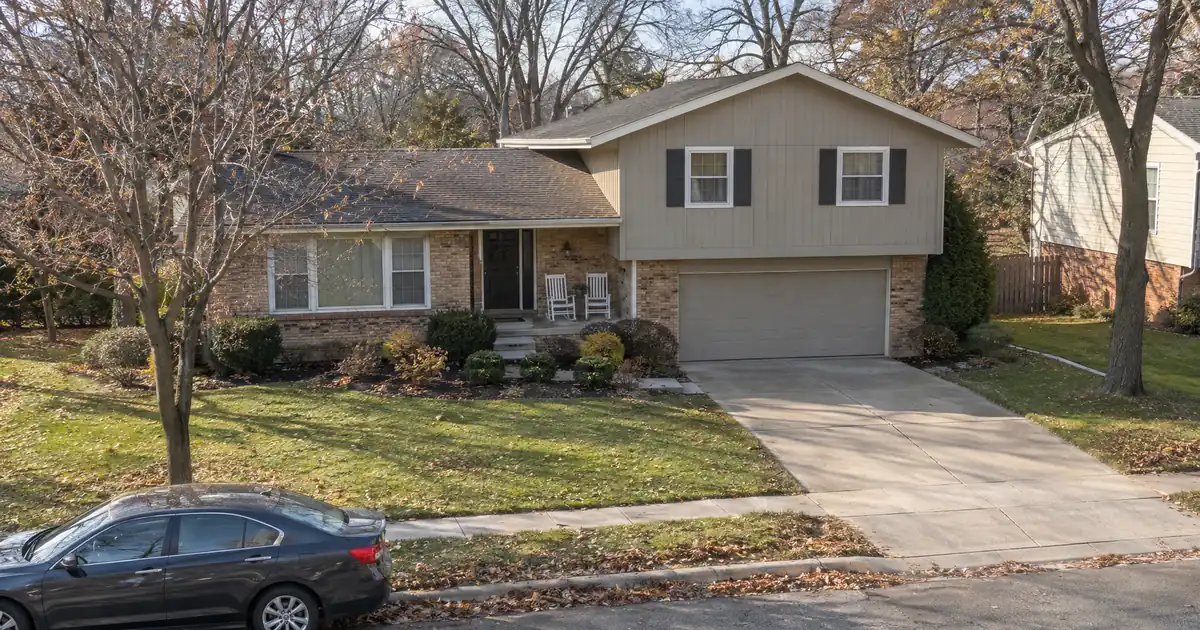
The Quick Read: A buyout is an ordinary cash-out refinance in which the remaining owner takes one new loan that pays off the old mortgage, pays the departing owner’s equity share, and covers closing costs, with the owner qualifying on twelve months of documented deposits and the property’s value capping how much cash the loan can release.
- Income and equity are the two limits. Deposits must support the loan, and the property’s value must cover the old payoff, the buyout, and costs.
- Cash-out leverage sits below purchase leverage. On an investment property, it tops out around 75% LTV (loan-to-value, the loan as a share of appraised value).
- A deed alone does not release the departing owner from the old loan. The refinance does.
- Occupancy decides the paperwork. Owner-occupied files follow consumer mortgage rules, and non-owner-occupied rentals are business-purpose loans.
- Every figure here is typical for select wholesale lenders, subject to lender guidelines. Each file is underwritten individually, and nothing here is a commitment to lend.
Key Terms Defined
Keeper: The co-owner who stays, takes the new loan, and ends up with the property.
Cash-out refinance: A new, larger loan that pays off the old one and releases the difference as cash at closing.
Bank statement loan: A loan that is reviewed around documented deposits instead of tax returns, a style of lending known as alternative documentation.
Expense factor: The share of business deposits a lender treats as operating costs rather than income.
LTV: The loan amount divided by the appraised value, shown as a percentage.
Seasoning: The time a lender wants you to have held title before a refinance.
Vesting: How title is held at closing, such as an individual, a trust, or an LLC.
How Does a Bank Statement Buyout Work, Step by Step?
The buyout runs through one refinance. The new loan pays the old lender, pays the departing owner, and vests title in the keeper. Nothing special is needed beyond a normal cash-out file with a clear use of proceeds.
Here is the sequence most files follow:
1. Sign the agreement. Both owners agree in writing on price, the payout, and the transfer of title. Without a signed agreement, there is no file.
2. Set the price. The usual formula is appraised value, minus existing liens, times the departing owner’s percentage share. That share comes from your agreement and state law.
3. Document the keeper’s income. The lender reviews twelve months of business or personal statements.
4. Order the appraisal. The value drives both the buyout number and the maximum loan.
5. Review title and payoff. The lender confirms who owns what and what the old mortgage requires.
6. Close and vest. The old note is paid, the departing owner is paid from the closing statement, and title moves to the keeper.
One sample partner agreement on BiggerPockets ties the buyout price to the refinance appraisal. It also states that none of the cash-out proceeds go to the keeper. That structure is common because it keeps the numbers honest for both sides.
How Is the Keeper’s Income Read?
The lender reviews your file on deposits, not tax returns. It strips out money that is not income and averages what is left. The keeper’s file is reviewed on documented income under the applicable program, subject to lender guidelines.
An outside explainer from Docsumo describes the general method well. The lender removes transfers and loan proceeds. It applies an expense factor to business accounts. It averages the remainder over the statement period. Across the wholesale network Lendmire places files with, programs typically use twelve months of statements.
Three points matter for a buyout.
- The expense factor is lender-set. It is not a number you choose. On owner-occupied cash-out, the programs in the network run up to 80% LTV on a primary residence with a fixed expense ratio. They run up to 75% when an accountant-prepared ratio is used.
- Ownership share counts. If the business is co-owned, only your share of deposits supports your income.
- Joint accounts need explanation. If the departing owner’s money flows through the same account, expect the lender to ask whose deposits are whose. Terms depend on the lender’s guidelines, the property type, the leverage, and a full review of the credit profile.
A seasonal business can also skew the picture. A statement window that catches only the busy months can overstate income. Lenders know this, so they look at the full twelve months. For a deeper look at the income side, read Lendmire’s piece How a Self-Employed Owner Does a Bank Statement Cash-Out Refinance.
How Much Cash Can the Loan Release?
Cash-out ceilings depend on occupancy. On an investment property, the cash-out ceiling is typically about 75% LTV. Owner-occupied cash-out ceilings are lower than the purchase ceiling and vary by loan size and credit.
| Occupancy | Typical cash-out ceiling | Note |
|---|---|---|
| Primary residence | Up to 80% LTV | 75% with accountant-prepared ratio |
| Second home | Up to 75% LTV | Varies by loan size, credit |
| Investment property | Up to 75% LTV | Subject to lender guidelines |
Purchase and rate-term loans on a primary residence can reach up to 90% LTV through select lenders. That figure does not apply to a cash-out, and a buyout that releases cash to the departing owner is a cash-out. Qualifying from liquid assets instead of deposits runs to about 80% LTV on a primary residence. The exact numbers vary by lender and program and follow a full review of property, leverage, and credit.
Loan sizes typically run from $125,000 to $3,500,000. Reserves commonly run around six months of the housing payment. Stronger files, with higher credit and more liquidity, earn the top of each range.
A Modeled Buyout Check
Run the numbers on a modeled assumption, not a market fact. Say an investment property appraises at 100% of its value. The existing mortgage is 40% of that value. Equity is the other 60%, and the departing owner holds half of it.
- The departing owner’s share is 30% of value.
- The old payoff plus the buyout comes to 70% of value.
- Closing costs sit on top of that.
- Against a 75% LTV ceiling on an investment cash-out, that leaves roughly five points of value for costs. Final terms depend on the lender’s guidelines, the property type, and the borrower’s complete credit picture.
The squeeze is tight. A lower appraisal makes it tighter, because the old mortgage does not shrink when the value does. If your agreement ties the price to the appraisal, the buyout number falls too, which softens the blow. Model whether equity covers the payout before you negotiate a price.
Which Disclosure Rules Apply?
Occupancy decides the disclosure regime. Federal rules exempt credit extended primarily for a business or commercial purpose, and credit extended to someone other than a natural person. The eCFR text of the Regulation Z coverage section sets out both exemptions.
In practice, the split looks like this:
- Owner-occupied buyout (primary residence or second home). This is a consumer mortgage. Consumer disclosure timing under TRID applies, and the lender must document your ability to repay.
- Non-owner-occupied rental buyout, including a short-term rental. This is business-purpose credit. It is exempt from TRID, and the file runs outside the consumer disclosure process.
Purpose is the test, not your name on the note. A natural-person borrower on a rental can still be business-purpose. Do not assume a loan is one type or the other, and do not mix the two in a single file. Owner-occupied consumer loans are arranged in 16 states.
Title, Seasoning, and the Written Agreement
Agency loans have a named buyout category. Non-QM files follow each program’s own guidelines. Fannie Mae’s Selling Guide treats certain buyouts as limited cash-out refinances. It requires a written agreement signed by all parties, and the party keeping the property must qualify alone. Those are agency rules, and they do not govern bank statement loans. They are a useful picture of what any lender wants to see.
On bank statement files, expect three things.
- A written agreement. Every lender wants one, signed by all parties, covering the transfer and the payout.
- A keeper who qualifies alone. The departing owner’s income will not help you, and their departure removes their contribution to the payment.
- Program seasoning. No published rule exempts a buyout from a program’s own title clock. Seasoning often runs from the recorded deed, so check your program before you plan the timeline.
Do Not Move Title First
Deeding a partner out, or deeding the property into an LLC, before the refinance can hand the existing lender a due-on-sale argument. The Garn-St Germain exceptions protect only certain transfers on residential property with fewer than five units. A deed between unrelated co-owners does not obviously fit them. Close the refinance first and vest title at closing. Consult an attorney before moving title.
Where the General Rule Breaks
The simple buyout works when two individuals own a house and one wants out. Real files are messier.
| Situation | What changes |
|---|---|
| Co-owner will not sign | No agreement means no file |
| LLC holds title | Buyout may be a membership assignment |
| Inherited property | Seasoning question may arise |
| Divorce award | Settlement must support refinance |
| Equity falls short | Keeper brings cash or other funds |
Co-owner will not sign. Negotiation, partition, or a court order are the routes. A lender cannot proceed without the agreement.
LLC-titled property. A buyout may be an assignment of membership interest, and the deed may never move. The lender reviews the operating agreement and the guarantor. Loans to LLC-titled property are available depending on program guidelines. A HELOC usually needs individual or trust title, so an LLC rental often points to a cash-out refinance or a DSCR loan instead.
Inherited or court-awarded property. Agency guides carve out heirs and divorce awards from time-on-title rules. A non-QM program may still ask about seasoning. If a court is involved, structure the settlement so you can refinance afterward.
Buyout larger than available equity. If the LTV ceiling leaves too little cash, you have four choices: bring your own cash, use a second lien, phase the payout, or negotiate a lower price. Lendmire’s piece Owelty Lien vs Cash-Out Refinance for Buying Out a Co-Owner covers one alternative.
Unusual deposits. Money you move in to fund part of the buyout can look like a large deposit. Keep a paper trail for the source.
Pulling extra cash for yourself. Agency buyout rules send proceeds to the departing owner. On alt-doc files, extra cash for the keeper changes how the lender sees the deal. Follow the program terms, and expect leverage and pricing to shift.
Bank Statement or DSCR: Which Fits the Keeper?
The two programs qualify different things. A DSCR loan (debt service coverage ratio, a test of whether the rent covers the payment) qualifies the property. A bank statement loan is reviewed for you. If you want the full picture of the rental-income side, see Lendmire’s complete DSCR loans guide.
- Pick bank statement when you are self-employed with strong deposits but the property’s rent is thin against the payment.
- Pick DSCR when the property is a rental that carries itself, and you would rather not document personal income. Programs below 1.00 coverage are available through select lenders, but LTV and terms adjust.
Neither choice is permanent. The right program for your situation depends on property type, credit, leverage, and documentation. A broker that shops multiple wholesale lenders can run both and see which file comes out stronger.
Documents to Gather
A combined file covers both the buyout and the income.
- Twelve months of business or personal bank statements.
- A signed buyout or partner agreement.
- The current mortgage statement and payoff information.
- Title documents showing how the property is held.
- The operating agreement, if an LLC is involved.
- Proof of reserves, commonly around six months of the housing payment.
- Source documentation for any large deposits.
Tax treatment varies; consult a qualified professional before relying on any deduction.
Common Mistakes
- Deeding first. Moving title before the refinance can trigger the old lender’s due-on-sale clause.
- Assuming a deed ends the liability. The departing owner stays on the old note until it is paid off.
- Treating the buyout as a purchase. It is a refinance, and cash-out leverage applies.
- Ignoring the appraisal. If the price and the appraisal are not linked in your agreement, a low value can leave you short.
- Mixing deposits. Personal and business money in one account makes income harder to read.
Next Steps
Start with the equity math. Then pull twelve months of statements and compare how a bank statement file and a DSCR file would each look. If you are self-employed and want to see how the numbers work, Lendmire can help you compare bank statement loan options based on your deposits, the property, credit profile, leverage, and your goals.
Frequently Asked Questions
Can I use bank statements to buy out a co-owner on a rental property?
Yes, in many cases, subject to lender guidelines. The rental is business-purpose, so the loan runs outside consumer disclosure rules. Your income is reviewed on documented deposits, and the investment cash-out ceiling is typically around 75% LTV. The old payoff, the buyout, and closing costs must all fit under that ceiling.
Does a quitclaim deed remove my co-owner from the mortgage?
No. A deed changes who owns the property, not who owes the debt. The departing owner stays liable on the old note until it is paid off. A refinance replaces the note and releases them.
Can I take extra cash for myself in the buyout loan?
It depends on the program. Agency buyout rules send all proceeds to the departing owner. On alt-doc files, extra cash for the keeper changes how the lender views leverage and pricing. Follow the program terms and plan on keeping the buyout clean.
What if the buyout is bigger than the loan can release?
The keeper has to bring other funds. Options include cash, a second lien, a phased payout, or a lower negotiated price. A HELOC usually needs individual or trust title, so it may not work on LLC-held property.
Does it matter that my LLC holds the property?
Yes. The buyout may be a membership-interest assignment instead of a deed transfer. Eligibility is subject to program terms, so confirm the structure before you sign an agreement.
For how equity extraction works on an investment property, see Lendmire’s guide to cash-out refinance on an investment property.
About Lendmire
Lendmire (NMLS# 2371349) is a mortgage brokerage serving self-employed and high-net-worth borrowers in 16 states. Bank statement, P&L-only, 1099-only and asset-based mortgages are arranged through wholesale lending channels; Lendmire brokers the financing and the lender underwrites each application. Scotsman Guide named Lendmire a Top Mortgage Workplace in both 2025 and 2026.
Get Started
Ready to find the right loan for you?
See your offer in seconds. No credit pull, no obligation.
Informational only. Not a Loan Estimate, approval, or commitment to lend. Program availability and eligibility are subject to lender guidelines, credit approval, property review, and underwriting.
References
1. BiggerPockets, buyout agreement thread
2. Docsumo, bank statement income verification
3. eCFR, 12 CFR 1026.3 (Regulation Z coverage and exemptions)
4. Fannie Mae Selling Guide, limited cash-out refinance transactions
5. FedLaws, Garn-St Germain due-on-sale exceptions
This article is part of Lendmire’s bank statement loan program — full qualification details, guidelines, and scenarios live on the program page.
Related reading: Best Bank Statement HELOC Program on the One Rental Left Out of a Blanket Loan · Best Bank Statement HELOC Program to Fund a Rental Down Payment as a Self-Employed Owner · Best Bank Statement HELOC Program to Buy Out a Partner
Brandon Miller
Founder & CEO, Mortgage Loan Originator, Lendmire LLC
- Mortgage Loan Originator · NMLS# 1129696 · Verify on NMLS Consumer Access
- North Carolina Real Estate Broker · License# 343312 · Verify on NCREC
- North Carolina Insurance Producer · License# 19053198 · Property, Casualty, Life, Health · Verify on NAIC SBS
- Lendmire LLC · Firm NMLS# 2371349 · Verify firm licensure
Compliance and disclosures. Lendmire (NMLS# 2371349) is a licensed mortgage broker and is not a direct lender, depository institution, financial advisor, or tax professional. Content in this article is general market analysis and educational information — not financial, legal, or tax advice for any specific situation. Lendmire does not guarantee loan approval; every transaction is subject to underwriting by the funding lender. Mortgage pricing and loan program guidelines are subject to change at any time without notice and vary by borrower characteristics, property type, and state regulations. Lendmire complies with Equal Housing Opportunity. Licensure verification: NMLS Consumer Access.