
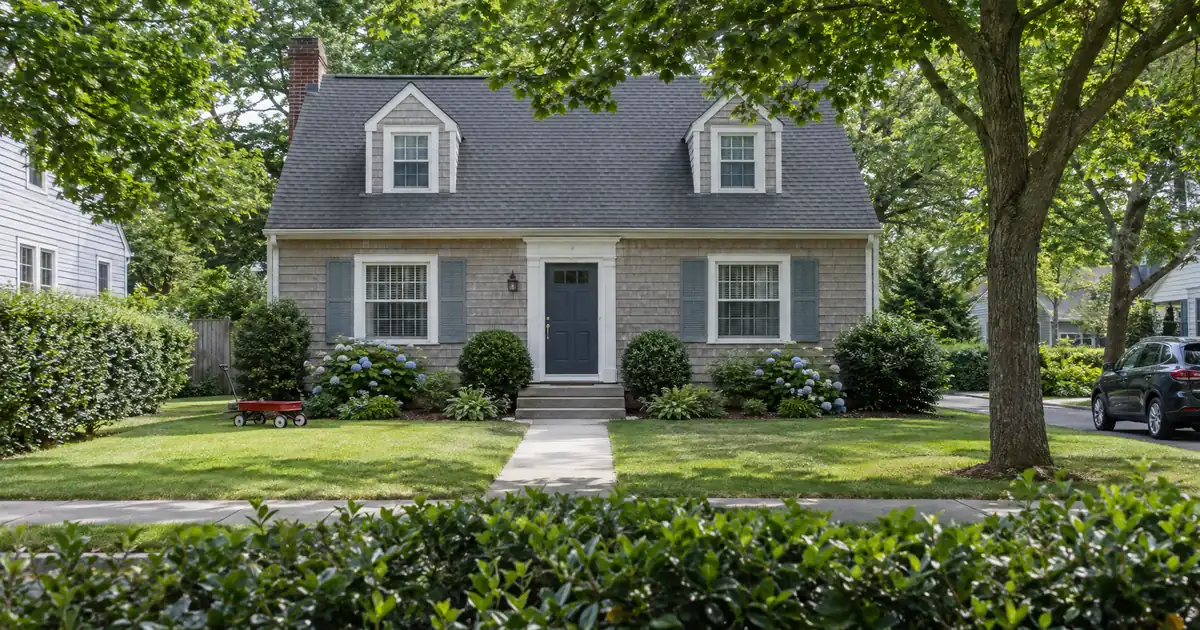
The Quick Read: A self-employed heir can often keep an inherited home by refinancing with a bank statement loan, qualifying on twelve months of deposits, and using the cash-out proceeds to pay the siblings, but only when title is in the heir’s name, the appraisal supports the numbers, and the leverage ceiling covers payoff, buyouts, and closing costs. Occupancy decides which program applies. Every file is underwritten individually, subject to lender guidelines.
- Title usually has to be vested in the keeping heir before a cash-out refinance can close.
- A bank statement loan is reviewed for the borrower on documented deposits. A DSCR loan is reviewed for a rental property on its rent. They are different products.
- Cash-out ceilings across Lendmire’s wholesale network: up to 80% LTV on a primary residence, up to 75% on a second home, and up to 75% on an investment property.
- The payoff of any existing lien, every sibling’s share, and closing costs must all fit under that ceiling.
- The siblings are paid from loan proceeds at closing, and the paper trail is part of the file.
Most of the trouble in these deals is not the loan. It is title, timing, and arithmetic. Here is how the pieces fit together.
Key Terms Defined
Bank statement loan: A mortgage that uses 12 months of personal or business bank statements to estimate your income, instead of tax returns.
Cash-out refinance: A new, larger loan that pays off the old one and hands you the difference. Here, that difference goes to your siblings.
LTV (loan-to-value): The new loan as a percentage of the home’s appraised value.
Non-QM: A loan that sits outside the standard “qualified mortgage” box. It is a rule classification, not a credit-quality label.
Seasoning: The ownership time a lender wants before it will do a cash-out. Each program sets its own, so ask for the program sheet.
DSCR loan: A loan for non-owner-occupied rentals that qualifies primarily on property-level rental income covering the payment, subject to lender guidelines.
Quitclaim or grant deed: The document a sibling signs to give up their ownership interest.
Does This Path Fit You?
It fits best when the heir who wants the house is self-employed, lives there, and has strong deposits but a tax return that shows little income after write-offs. Other heirs may do better elsewhere. Fit comes down to how you earn and what you plan to do with the home.
| Your situation | Likely lane |
|---|---|
| Self-employed, will live in the home | Bank statement, owner-occupied |
| Self-employed, home becomes a second home | Bank statement, second home |
| Salaried or retired, clean tax returns | Often a standard program |
| Will rent the home to tenants | DSCR loan on the rental |
| Estate still in probate | Wait for distribution, or bridge options |
A bank statement loan puts your deposits, existing debts, and credit profile in the test. The property still matters, but you carry the file. A DSCR loan flips that. The rent carries the file, and your personal income stops being the driver.
Many investors use both. They run a bank statement loan on the home they occupy and DSCR loans on each rental. Lendmire’s complete DSCR loans guide covers the rental side in detail.
What Are the Bank Statement Cash-Out Refinance Rules on an Inherited Home?
The rules are the same as for any bank statement cash-out, plus a few inheritance wrinkles. You document 12 months of deposits, the home must appraise high enough, and your total new loan must stay under the cash-out ceiling for your occupancy type. The wrinkles are title, existing liens, and the buyout paper trail.
Here are the ceilings that matter, all for cash-out transactions:
- Primary residence: up to 80% LTV with a fixed expense ratio, or 75% with an accountant-prepared expense ratio.
- Second home: up to 75% LTV, by loan size and credit.
- Investment property: up to 75% LTV. Exact terms depend on the lender’s guidelines, property type, leverage, and a full review of the borrower’s file.
You may see 90% LTV quoted for bank statement loans. That figure applies to a primary-residence purchase or rate-and-term refinance through select lenders. It does not apply to a cash-out. A buyout funded with new cash is a cash-out, so plan around the lower numbers. Every figure here varies by lender and program — guidelines, property type, leverage, and credit profile all apply.
Loan sizes across the network run roughly $125,000 to $3,500,000. Reserves commonly sit around six months of the housing payment. All of these are typical ranges from select wholesale lenders, not promises, and your credit, loan size, and property shape where you land.
How Bank Statement Underwriting Actually Treats Your Deposits
The lender averages your deposits over 12 months, removes anything that is not real income, and applies an expense factor to business accounts. The result is your qualifying income. Personal accounts are usually treated more directly, while business accounts take a haircut for expenses.
Step by step, the underwriter does this:
1. Pulls 12 months of personal or business statements. 2. Strips out transfers between your own accounts, refunds, loan proceeds, and other non-income credits. 3. Averages what is left. 4. Applies the lender’s expense factor on business accounts. Factors vary by lender, and some programs let an accountant prepare the ratio, which can help the file. 5. Subtracts your existing debts and the new housing obligation.
Do not assume any one expense factor. Lendmire sees different lenders handle this differently, and the right program depends on your account type, your credit, and your leverage need.
Why this is still a fully verified loan
A bank statement loan is not a shortcut around proof. The federal CFPB compliance guide describes the ability-to-repay rule. It requires lenders to evaluate eight underwriting factors and to verify the income or assets they rely on with reasonably reliable third-party records. Bank statements are that record. Trade press describes bank statement and DSCR loans as separate non-QM categories, and HousingWire’s non-QM guide reports that bank statement loans made up about 34% of non-QM volume in 2025, with DSCR loans at about 29%.
Inheritance money in your statements
Large deposits get questions. If you received inheritance cash, a sibling’s payment, or a transfer related to the estate, expect to explain and document it. Money that came from an estate account is not recurring business income, and underwriters will remove it from your deposit average. Keep estate funds in a separate account where you can.
Title, Probate, and Seasoning: When Can You Actually Refinance?
You can refinance after the estate or trust has distributed the home and the deed shows you as owner. Before that, a cash-out refinance in your name usually cannot happen. This single point sinks more buyouts than any credit issue.
| Stage | What it means for a cash-out |
|---|---|
| Still in probate | Usually unavailable. Ask about estate or probate loans, or buying from the estate. |
| Estate distributed, siblings on title as co-owners | Refinance can work once the buyout closes alongside it. |
| Deed already in your name alone | Cleanest path. Normal underwriting applies. |
Seasoning is where internet advice conflicts. Conventional guidelines and non-QM programs handle it differently, and non-QM programs follow each lender’s own program sheet. Some alt-doc lenders treat inherited homes more flexibly, and others still want ownership time on record. Lendmire reads the program sheet for the specific lender before you commit.
If the home still carries the parent’s mortgage, a federal law called the Garn-St Germain Act generally stops the lender from calling that loan due solely because the owner died, as Nolo’s heir guide explains. That protects the old loan. It does not help a new cash-out, which is a fresh underwriting event. It also does not cover reverse mortgages, which generally come due at death.
Occupancy Decides the Rules
Whether you live in the home, use it occasionally, or rent it out changes the product, the leverage, and the paperwork. Decide this before you pick a loan.
| Occupancy | Typical lane | Cash-out ceiling |
|---|---|---|
| Primary residence | Bank statement | Up to 80% LTV (75% with accountant ratio) |
| Second home | Bank statement | Up to 75% LTV |
| Rental, not owner-occupied | DSCR or bank statement | Around 75% LTV |
An owner-occupied file, whether primary or second home, is a consumer mortgage, and the federal TRID disclosure rules apply. A loan on a non-owner-occupied rental, including a short-term rental, is a business-purpose loan and falls outside TRID. The two regimes never mix on the same property.
Consumer mortgage availability on the owner-occupied side runs through Lendmire’s licensing in 16 states, so confirm your home’s state early.
Investment bank statement purchase leverage varies by lender, so treat it qualitatively. For investor-focused leverage, the DSCR side is the better reference.
Sizing the Buyout Against the Loan Ceiling
The math is simple, but the ceiling makes it tight. Add up the payoff on any existing lien, every sibling’s share of the equity, and closing costs. That total is your new loan, and it must stay under the LTV cap for your occupancy type.
The formula:
- Equity = appraised value minus any mortgage payoff.
- Each sibling’s share = equity times their ownership fraction.
- New loan = existing payoff + all buyout payments + closing costs.
A modeled three-sibling example
These numbers are modeled assumptions, expressed as percentages of the appraised value, not market data. Three siblings inherit equally. The home carries an existing lien equal to 20% of value. That leaves equity of 80% of value, so each sibling’s one-third share is about 26.7% of value.
You are the keeping sibling, so you pay out two siblings. Their shares total about 53.3% of value. Add the 20% payoff, and you are at about 73.3%. Assume closing costs of about 3% of value, and the new loan lands near 76.3% LTV. Final terms depend on lender guidelines, property type, leverage, and the borrower’s complete credit picture.
- As your primary residence: under the 80% cash-out ceiling, with a few points of cushion.
- As a second home: over the 75% ceiling. The file falls short by roughly a point. These specifics are subject to lender guidelines and a full review of property, leverage, and credit.
Now run the same family with a free-and-clear home. The two buyouts equal about 66.7% of value. Add roughly 3% for costs, and you land near 69.7% LTV. That fits under every ceiling above. Terms depend on the lender’s guidelines, the property type, the leverage, and a full review of the credit profile.
What if the numbers fall short?
You have four levers:
1. Pay one sibling over time. Some families agree to a smaller cash payment plus a private note. This must be disclosed and documented.
2. Bring cash. A bigger down contribution lowers the loan.
3. Renegotiate the price. An independent appraisal gives everyone a neutral number.
4. Change the occupancy plan. The primary-residence ceiling is higher than the second-home ceiling, so the facts of your plan matter, as long as they are true.
A sibling count also matters. Buying out one sibling is much easier than buying out four, because each added sibling adds a share you must pay in cash at closing.
The Documents and the Sequence
A clean file has six pieces. Gather them before you apply, because a missing deed or buyout agreement stalls everything.
- Twelve months of personal or business bank statements.
- Proof of identity, credit authorization, and reserves.
- The death certificate and estate or trust distribution documents.
- The current deed and a title report.
- An independent appraisal and a signed sibling buyout agreement stating the price.
- Quitclaim or grant deeds from each sibling, signed for the closing.
The sequence looks like this:
1. Fix title. Make sure the estate or trust has distributed the home.
2. Set the value. Get an independent appraisal and compute each share.
3. Sign the buyout agreement. Write the price and each sibling’s payment into it.
4. Choose the lane. Bank statement for an occupied home, DSCR for a rental.
5. Underwrite. The lender orders its own appraisal and runs title. Heirs’ interests must clear.
6. Close everything together. The title company pays siblings from proceeds, collects the deeds, and records the new deed and lien.
Skipping a sibling’s signature is a common reason a closing falls apart. If one sibling will not sign, the buyout cannot proceed. In many states the fallback is a court-ordered partition, which is slow and expensive, and the cost varies widely by case.
Alternatives Compared
A bank statement cash-out is not the only way to pay siblings. The right choice depends on your income, the home’s equity, and what you plan to do with it.
| Option | When it wins |
|---|---|
| Bank statement cash-out | Self-employed heir keeping the home |
| DSCR cash-out | Heir will rent the home out |
| Estate or probate loan | Title is not yet distributed |
| HELOC or second lien | Low-balance existing loan worth keeping |
| Sell and split | Nobody wants or can afford the home |
If the parent’s mortgage is low-cost and small, keeping it and funding the buyout another way can beat refinancing everything.
Sibling-Side Notes and One Tax Line
The siblings you buy out receive cash at closing and sign a deed. They typically want a written agreement, the settlement statement, and confirmation the funds clear. A buyout priced near the home’s value at the date of death is the cleanest for them.
Tax treatment varies; the IRS publication on basis says inherited property is generally valued at its fair market value on the date of death, but consult a qualified professional before relying on any outcome.
Frequently Asked Questions
Can I use a bank statement loan to buy out my siblings if I am self-employed?
Often yes, when the file works. You qualify on documented deposits, title must be in your name, and the new loan must fit under the cash-out ceiling for your occupancy type. Credit, reserves, and the appraisal all matter, subject to lender guidelines.
Can I refinance before probate closes?
Usually not. A cash-out in your name generally requires the deed to be vested in you first. During probate, the usual options are an estate or probate loan or buying the home from the estate.
What is the maximum LTV on a cash-out to buy out siblings?
It depends on occupancy. On a primary residence, cash-out runs up to 80% LTV with a fixed expense ratio, or 75% with an accountant-prepared ratio. On a second home it is up to 75%, and on an investment property it is up to 75%. These are typical ranges across select lenders, not guarantees. The exact numbers vary by lender and program and follow a full review of property, leverage, and credit.
Does inheritance money in my statements hurt the file?
It can complicate it. Underwriters remove non-income deposits from your average, and large deposits need sourcing. Keeping estate funds in a separate account makes the paper trail simpler.
What if the home will become a rental?
Then the DSCR lane probably fits better. A DSCR loan is reviewed primarily on property-level rental income covering the payment, subject to lender guidelines. Your personal deposits stop driving the file.
Next Steps
Start with the facts that decide everything: who is on title, what the home appraises for, what the buyout agreement says, and how you plan to occupy it. If you are self-employed and want to see how the numbers work, Lendmire can help you compare bank statement loan options based on your deposits, the property, credit profile, leverage, and your goals. Lendmire is a mortgage broker, not a lender, and every file is reviewed by the lender subject to its guidelines. This is not a commitment to lend.
An inherited house stays in the family only when the title, the math, and the siblings’ signatures all line up on the same closing day.
Investors weighing their equity options can start with Lendmire’s guide to cash-out refinance on an investment property.
About Lendmire
Lendmire (NMLS# 2371349) is a mortgage broker licensed for consumer lending in 16 states. Bank statement, P&L-only, 1099-only and asset-based mortgages for self-employed and high-net-worth borrowers are arranged through wholesale lenders on primary residences, second homes and investment properties; every file is underwritten by the lender under its program guidelines. Scotsman Guide named Lendmire a Top Mortgage Workplace in both 2025 and 2026.
Get Started
Ready to find the right loan for you?
See your offer in seconds. No credit pull, no obligation.
Informational only. Not a Loan Estimate, approval, or commitment to lend. Program availability and eligibility are subject to lender guidelines, credit approval, property review, and underwriting.
References
1. CFPB ATR/QM Compliance Guide
2. HousingWire Non-QM Loans Guide
3. Nolo: Taking Over a Mortgage When a Loved One Dies
This article is part of Lendmire’s bank statement loan program — full qualification details, guidelines, and scenarios live on the program page.
Related reading: Best Bank Statement HELOC Program to Purchase Investment Property in Cash · Best Bank Statement HELOC Program on Your Primary Home to Buy a Rental · Best Bank Statement HELOC Program for a Single-Family Home
Brandon Miller
Founder & CEO, Mortgage Loan Originator, Lendmire LLC
- Mortgage Loan Originator · NMLS# 1129696 · Verify on NMLS Consumer Access
- North Carolina Real Estate Broker · License# 343312 · Verify on NCREC
- North Carolina Insurance Producer · License# 19053198 · Property, Casualty, Life, Health · Verify on NAIC SBS
- Lendmire LLC · Firm NMLS# 2371349 · Verify firm licensure
Compliance and disclosures. Lendmire (NMLS# 2371349) is a licensed mortgage broker and is not a direct lender, depository institution, financial advisor, or tax professional. Content in this article is general market analysis and educational information — not financial, legal, or tax advice for any specific situation. Lendmire does not guarantee loan approval; every transaction is subject to underwriting by the funding lender. Mortgage pricing and loan program guidelines are subject to change at any time without notice and vary by borrower characteristics, property type, and state regulations. Lendmire complies with Equal Housing Opportunity. Licensure verification: NMLS Consumer Access.