
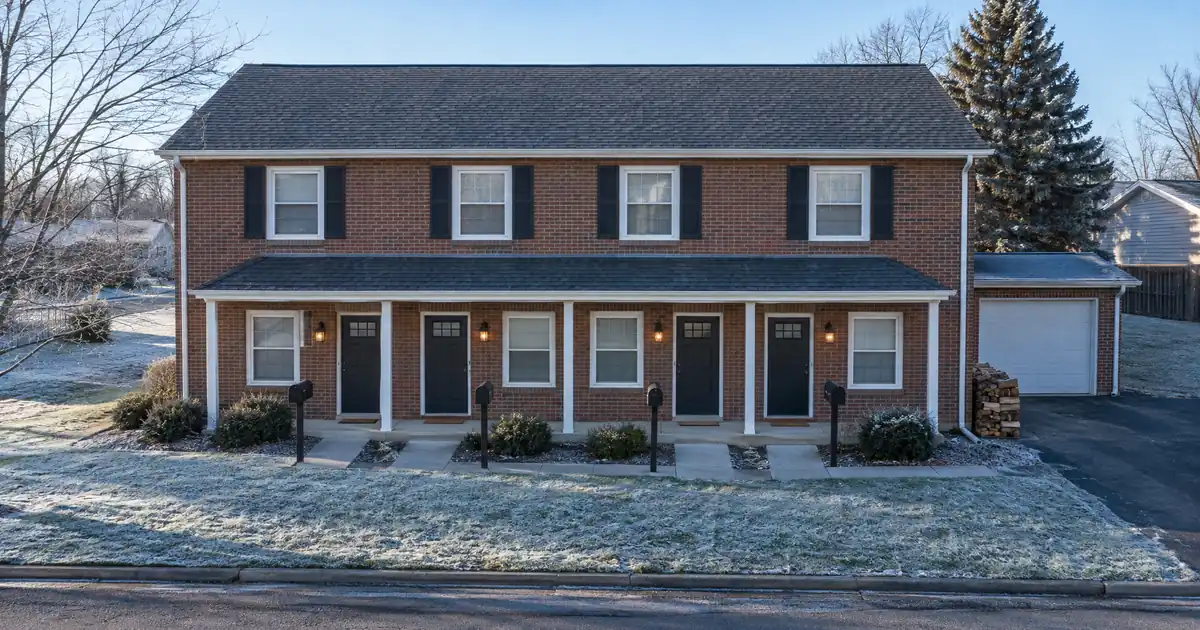
The Quick Read: A bank statement loan tests the borrower and the building separately, and a 2-4 unit property has to clear its own checks no matter how strong the deposits look. Deposits prove income. The property then has to pass eligibility, valuation and occupancy review on its own terms.
- Income is documented from 12 months of business or personal statements, and the rent from the building generally does not qualify the borrower.
- A 2-4 unit is appraised on a multi-unit report, so rent comparables enter the valuation even though they do not drive qualification.
- Occupancy sets the leverage table: owner-occupied files run up to 90% LTV on a primary-residence purchase or rate-term refinance, while investment cash-out tops out around 75% LTV.
- Five or more units, mixed-use and condition problems usually fall outside the lane, however strong the borrower is.
Search for this topic and you hit a vocabulary problem. “Collateral” can mean banks pledging loan pools to a Federal Reserve Bank. Here it means something simpler: the 2-4 unit building that secures a borrower’s loan. This guide covers how underwriters test that building, how the rules change with occupancy and unit count, and where the general rule breaks.
What your deposits qualify you for.
Alt-doc programs read 12 months of business or personal bank deposits instead of tax returns. Enter your average monthly deposits and see the income a lender would credit you.
The expense factor is set by the lender from your business type and profit-and-loss statement; it is not a number you choose. This widget quotes no rate and no payment.
Program parameters shown update from Lendmire’s centralized guideline source.
Estimate
Illustrative estimate only — not a quote, Loan Estimate, approval, or commitment to lend. Deposit average, expense factor, and housing ratio are editable assumptions; the expense factor a lender applies is set from your business type and documentation. No interest rate or monthly payment is quoted here. Purchase capacity is a simplified illustration and does not account for taxes, insurance, HOA dues, or other debts. Alt-doc income documentation is available on consumer mortgages in the states where Lendmire is licensed for consumer lending; actual terms vary by lender, borrower, and property.
Lendmire is a mortgage broker that arranges bank statement loans through select lenders in its wholesale network. The brokerage’s consumer mortgage licensing covers 16 states, so availability on owner-occupied files depends on the property’s state. Every file is underwritten individually by the lender, and nothing here is a commitment to lend.
What Does “Collateral” Mean on a Bank Statement Loan?
Collateral is the property that secures the loan. If the borrower stops paying, the lender’s lien on the building is what protects the loan. On a bank statement loan, that building faces a separate test from the borrower’s income.
Think of two gates. Gate one is the income test. The borrower shows 12 months of business or personal statements, and the lender averages eligible deposits into monthly income, applying its own expense factor to business accounts. Gate two is the collateral test: property type, legal unit count, condition, value and occupancy. Both gates must open.
| Factor | Income test | Collateral test |
|---|---|---|
| What is reviewed | Bank statement deposits | The 2-4 unit building |
| Who it measures | The borrower | The property |
| Rent’s role | Generally not counted | Appears in appraisal rent comps |
| Common failure | Deposits that are not income | Mixed-use, 5+ units, condition |
This split is the reason a bank statement loan differs from a DSCR loan. A DSCR loan is reviewed primarily on property-level rental income covering the payment, subject to lender guidelines. A bank statement loan is reviewed on documented income under the applicable program, subject to lender guidelines. The rent still matters to the appraiser, but the borrower’s deposits carry the qualification. Which one fits depends on whether the property’s rent or the borrower’s deposits are the stronger evidence of repayment.
Which 2-4 Unit Properties Qualify?
A duplex, triplex or fourplex that is legally classified as residential is the core eligible type. Across the wholesale network, the line sits at four units. Anything above that moves into commercial territory with different qualifying standards, and the practical effect shows up in the appraisal form itself.
The appraisal form for 2-4 units is the Small Residential Income Property Appraisal Report, Form 1025. The Fannie Mae Selling Guide names it as the report for 2-4 unit properties, including those in PUD, condo or co-op projects. Bank statement loans are not agency products. The form name is simply the industry’s standard way to value a small income property, and lenders in the network commonly request it.
What typically qualifies:
- Legal 2, 3 and 4 unit residential buildings
- Condo or PUD units in a 2-4 unit project, with a project review that varies by lender
- Buildings in sound, livable condition
What commonly does not:
- Mixed-use buildings with commercial space
- Anything above four units
- Properties with unpermitted conversions or an unclear legal unit count
- Buildings with physical deficiencies that affect livability or soundness
Legal unit count comes from the appraisal and local classification, not from the listing. A “triplex” with an illegal third unit is a duplex for underwriting, and the value and the leverage follow the lower count.
How Does Occupancy Change the Rules?
Occupancy is the biggest fork in the file. Owner-occupied, second home and investment are three different files with different leverage tables and different disclosure regimes, even when the building is identical.
| Occupancy | Leverage on bank statement files | Disclosure regime |
|---|---|---|
| Primary residence, purchase or rate-term | Up to 90% LTV | Consumer mortgage, TRID applies, except an owner-occupied 3-4 unit purchase, which is business-purpose |
| Owner-occupied or second-home cash-out | Up to 80% LTV | Consumer mortgage, TRID applies |
| Investment cash-out | Around 75% LTV | Business-purpose, TRID-exempt |
| Investment purchase | Varies by lender | Business-purpose, TRID-exempt |
Those figures reflect select lenders in the network, and they are ceilings, not promises. Stronger files earn the top of the range. Credit, loan size, reserves (commonly around 6 months of the housing payment) and property type all pull the number down. An owner-occupied cash-out never borrows the higher purchase ceiling.
Investment purchase leverage on bank statement documentation is the soft spot. It varies lender to lender, and investors who want investor-focused leverage usually find the better terms on the DSCR side instead.
Occupancy is declared and documented. A borrower who says “owner-occupied” on a fourplex while planning to live elsewhere is not making a rounding error. Misstating occupancy is fraud, and it is one of the few mistakes that can follow a borrower for years.
How Is the Building Valued?
The appraisal sets the value that the LTV is applied to, so it sets the loan ceiling. For a 2-4 unit, Form 1025 includes an income approach and rental comparables alongside the sales comparison. Practitioners often see a separate rent schedule paired with it, though whether a given program requires one comes down to that lender’s guidelines.
Here is the part borrowers miss. The rent in the appraisal supports the building’s value. It does not become the borrower’s qualifying income. A fully rented fourplex does not lift a bank statement file the way it would lift a DSCR file. Whether any rent offset is credited against the payment is a program question, and the answer differs between lenders.
Two form details can cause trouble. The form asks whether the property is subject to rent control, and whether deficiencies affect livability or soundness. Either answer can reduce value or change eligibility. Condo and co-op 2-4 unit projects also need a project addendum alongside the 1025, as the Fannie Mae form instructions describe. Project standards for non-agency loans are set lender by lender, and they run stricter on some project types than others.
Where the Rules Break: The Owner-Occupied Edge Cases
Occupancy does more than set leverage. It can change which legal framework governs the loan. This section is the regulatory frame, and it matters because it differs by unit count.
Credit extended primarily for a business purpose is exempt from the federal consumer ability-to-repay rules. The Federal Register ATR final rule treats investment-purpose loans as business-purpose loans. That is why a bank statement loan on a non-owner-occupied rental, including a short-term rental, is business-purpose and TRID-exempt.
Owner-occupied multi-unit buildings are trickier. An owner-occupied duplex purchase is treated as consumer credit, with full verification of income, while a three- or four-unit owner-occupied purchase is deemed business-purpose. The loan’s purpose controls, not the label on the property.
Why does this matter to an investor? Two reasons.
1. The paperwork changes. Owner-occupied consumer files carry the full consumer disclosure regime. Business-purpose files do not. Never assume one set applies because the other feels familiar.
2. Misclassification is a lender problem that becomes a borrower problem. A consumer-purpose loan mislabeled as business-purpose creates real risk for the file, which is why lenders classify carefully and why borrowers should declare occupancy honestly.
Even on exempt files, the documentation habits stay. Lenders on investor files keep the same discipline for credit-quality reasons. Deposits must be confirmed as income, not gifts, loan proceeds or transfers.
Title, Vesting and Lien Position
Most borrowers close in their personal name, and that is the simplest path on an owner-occupied file. Investor files sometimes vest in an LLC, subject to lender program eligibility. Moving a property into an entity can change which program fits, so the vesting decision belongs early in the process, not at the title company.
Entity ownership does not automatically settle which rules apply. Federal exemptions for credit to non-natural persons exist, but the purpose of the loan still drives the analysis. Borrowers who plan to hold in an LLC should raise it when they request a quote.
Lien position matters too. A first-lien purchase or refinance is the standard structure. Second-lien or equity-line structures on a 2-4 unit sit on a combined LTV (CLTV) table, and the unit count does not change that table on a borrower-based line. Rent is not added to the equation there either. Lendmire’s page on a bank statement HELOC covers that variant.
The Disqualifiers Checklist
Strong deposits do not rescue ineligible collateral. These are the usual reasons a 2-4 unit gets conditioned or declined:
- Mixed-use space. A storefront under apartments is commercial in most programs’ eyes.
- Unit count above four. The residential form and loan universe end here.
- Illegal or unpermitted units. The appraiser counts legal units only.
- Condition problems. Safety, livability and soundness issues can block eligibility until fixed.
- Rent-controlled units that depress value below the purchase price.
- Condo project issues such as high investor concentration or pending litigation, with standards that vary by lender.
- Deposits that cannot be explained. Large transfers and one-time credits get stripped from income, which shrinks the loan the borrower can carry.
The fix is usually upstream. Confirm the legal unit count and permits before the contract goes firm, and bring a clean explanation for any unusual deposits.
Three Scenarios in Plain Terms
These are illustrations, not quotes or approvals.
Owner-occupied triplex purchase. A self-employed buyer plans to live in one unit and rent two. Because the buyer will occupy one unit of a three- or four-unit property, the purchase is treated as business-purpose, with occupancy declared as part of the file. Leverage can reach the primary-residence purchase ceiling of up to 90% LTV for a strong file, income comes from deposits, and the appraisal’s rent comps support the value without qualifying the borrower. Leverage, reserves, and pricing vary by lender and program; the final terms follow the full file review.
Fully rented duplex, personal name. An investor with traditional personal-income documentation that understates cash flow buys a duplex as a pure rental. Bank statement documentation can fit the income, but leverage on an investment purchase varies by lender. If the building’s rent covers its obligations comfortably, the DSCR route may carry better leverage, and the investor should compare both.
LLC-held fourplex cash-out. An investor pulls equity from a stabilized fourplex held in an entity, subject to program terms. Investment cash-out tops out around 75% LTV. Terms vary by lender guidelines, property type, leverage, credit profile, and full file review.
When a Different Product Fits Better
Bank statement financing fits an owner-operator whose deposits tell the true income story. Skip it if the building is the stronger story. A property with strong rents and an investor with messy personal income often pencils better on a DSCR loan, where the rent drives qualification. Programs below 1.00 coverage are available through select lenders, though leverage and terms adjust.
Low-down-payment owner-occupied financing is another route for house-hackers who will truly live in the building for at least a year. If the plan is a pure rental, that route closes, and the investor is back to choosing between documented income and rental coverage. The complete DSCR loans guide lays out the rental-coverage side in full.
Term structures follow individual lender program sheets on the alt-doc side. Extended terms and interest-only structures are mostly DSCR offerings, so do not assume a bank statement loan carries them. Tax treatment can depend on how the funds are used and how the property is held; investors should keep clear records and speak with a qualified tax professional before relying on any deduction.
Reach the team at 828-256-2183 or request a quote.
Key Terms Defined
Collateral: The property that secures the loan, which the lender can claim if the loan is not repaid.
LTV (loan-to-value): The loan amount divided by the appraised value or purchase price, whichever the program uses.
CLTV (combined loan-to-value): All liens on the property added together and divided by its value.
Vesting: The way title is held, such as a personal name, a trust or an LLC.
Legal unit count: The number of separate dwelling units that are lawful under local classification, as confirmed by the appraisal.
Form 1025: The appraisal report used for 2-4 unit residential income properties.
Frequently Asked Questions
Can a 2-4 unit be the collateral on a bank statement loan?
Yes, when it is a legal residential building of two to four units in sound condition. Eligibility, project review for condos and the leverage table depend on occupancy and the specific lender program. Five or more units fall outside the residential lane.
Does the rent from the other units count as my income?
Generally no. A bank statement loan is reviewed for the borrower on documented deposits, and rent appears in the appraisal’s income approach and rental comps. Any rent offset against the payment is a program-level question, not a universal feature.
What leverage is available on an owner-occupied 2-4 unit?
Up to 90% LTV on a primary-residence purchase or rate-term refinance through select lenders, with stronger files earning the top of the range. Owner-occupied cash-out runs up to 80% LTV. Investment cash-out tops out around 75% LTV, and everything remains subject to lender guidelines.
Does it matter if I live in one of the units?
It matters a great deal. Occupancy changes the leverage table, the disclosure regime and the reserve picture. An owner-occupied duplex is treated differently from a three- or four-unit owner-occupied purchase, so declare occupancy accurately.
Can I hold the property in an LLC?
Often yes on investment files, subject to lender program eligibility. Owner-occupied files typically close in a personal name. Raise vesting at the start, since it can change which program fits.
About Lendmire
Lendmire (NMLS# 2371349) is a mortgage broker specializing in DSCR and non-QM investor financing, arranging loans through select wholesale lenders in 41 markets, including Washington, D.C. Bank statement files qualify on documented income under the applicable program, subject to lender guidelines, and consumer mortgage licensing covers 16 states. This article is for informational purposes only and is not a commitment to lend. Scotsman Guide named Lendmire a Top Mortgage Workplace in both 2025 and 2026.
Get Started
Ready to find the right loan for you?
In about 30 seconds you can review financing options available for your home or investment property. No commitment required.
Informational only. Not a Loan Estimate, approval, or commitment to lend. Program availability and eligibility are subject to lender guidelines, credit approval, property review, and underwriting.
References
1. Fannie Mae Selling Guide B4-1.2-01
2. Fannie Mae Form 1025 instructions
This article is part of Lendmire’s bank statement loan program — full qualification details, guidelines, and scenarios live on the program page.
Related reading: Can You Get a Bank Statement Loan With Seasonal Deposits? · Can You Get a Bank Statement Loan Without a Business License? · Can You Get a Bank Statement Loan on a Condo?
Brandon Miller
Founder & CEO, Mortgage Loan Originator, Lendmire LLC
- Mortgage Loan Originator · NMLS# 1129696 · Verify on NMLS Consumer Access
- North Carolina Real Estate Broker · License# 343312 · Verify on NCREC
- North Carolina Insurance Producer · License# 19053198 · Property, Casualty, Life, Health · Verify on NAIC SBS
- Lendmire LLC · Firm NMLS# 2371349 · Verify firm licensure
Legal disclosures. Lendmire (NMLS# 2371349) is a state-licensed mortgage brokerage that arranges financing through wholesale lender relationships. Lendmire is not a direct lender, depository institution, or registered financial advisor. The discussion above is general informational content about real estate financing — it is not financial, legal, or tax advice, and readers should consult licensed professionals for guidance on their individual circumstances. Loan inquiries are subject to lender underwriting; this article does not represent a commitment to lend. Loan terms, rates, and qualification standards vary by borrower, property, and state, and are subject to change at any time. Equal Housing Opportunity. NMLS Consumer Access: nmlsconsumeraccess.org.