
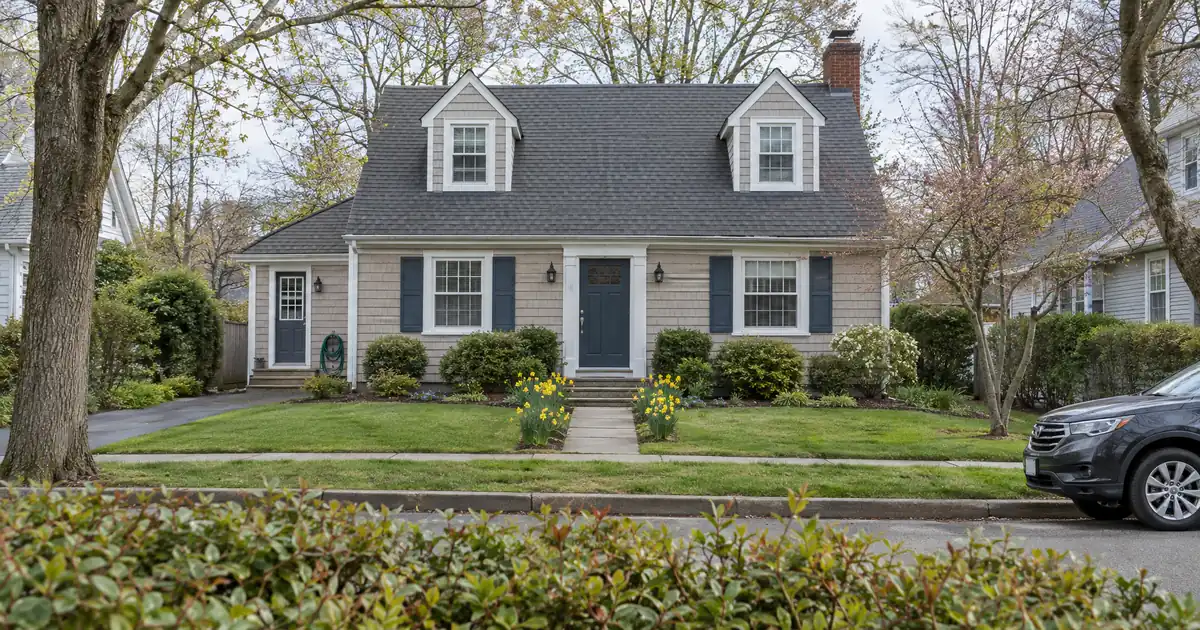
The Quick Read: The right program is the one whose leverage cap, property rules, and income method fit your file, because the roof does not decide the underwriting. A bank statement cash-out is reviewed on documented income under the applicable program, subject to lender guidelines. The lender then looks at appraised value, property condition, insurance, and how much equity is left after the new loan. What you plan to spend the cash on matters far less than those four items.
- Bank statements replace tax returns and W-2s as the income record. They do not replace the appraisal, the condition review, or the insurance check.
- Cash-out ceilings are lower than purchase ceilings. On an owner-occupied primary residence the cash-out cap is typically up to 80% LTV, and on a second home it is typically up to 75%.
- An active leak or open storm claim can change the order of operations. Repairs may need to come first.
- Replacement cost and actual cash value insurance decide how big the gap is between your claim check and your roof bill.
- A broker that shops several wholesale lenders can match the file to the program. No single lender is the best choice for every borrower.
What Is a Bank Statement Cash-Out Refinance, in Plain Terms?
A bank statement cash-out refinance replaces your current mortgage with a larger one and pays you the difference. The only thing that changes from a standard cash-out is how income is documented. Instead of tax returns, the lender reviews 12 months of business or personal bank statements.
This is built for borrowers whose tax returns understate what they really earn. Think of a contractor, a consultant, or a business owner with heavy write-offs. Their deposits show steady cash flow, but their taxable income looks thin.
Across a wholesale network, the mechanics look alike. The lender averages qualifying deposits over the statement period. On business accounts, it applies an expense factor, and that factor is set by each lender. Some programs accept an accountant-prepared expense ratio in place of a fixed one. No universal formula exists, so any promise of a specific factor before a lender reviews your file is a red flag.
A roof is simply one use of the cash. You can use the proceeds for repairs, for a replacement, or for paying down other debt. The loan is judged on the same criteria either way.
Does the Roof Change How the Loan Is Underwritten?
Not much. Underwriters do not ask for a roofing invoice and then score the loan differently. They score the borrower, the property, and the collateral.
The roof matters in two indirect ways. First, a failing roof can depress the appraisal. Appraisers note active leaks, damaged roofing, and deferred maintenance as condition issues that can affect value, insurability, and eligibility. Second, insurers may refuse or restrict coverage on a bad roof, and active hazard coverage is a closing requirement.
That creates a trap. If the roof is weak enough to lower value, the refinance may return less cash than the repair costs. The condition problem and the funding need are the same problem.
So the useful question is not whether a program funds roofs. It is whether your property will appraise and insure as it stands today. If yes, the cash-out proceeds are generally yours to spend as you choose.
How Does Underwriting Work, Step by Step?
Here is the sequence most files follow.
1. Choose the qualifying method. Bank statements fit borrowers whose deposits tell the income story. On a rental, a DSCR program is the other route. It compares the property’s rent to the new monthly obligation instead of looking at personal deposits.
2. Check equity against the cash-out cap. The new loan balance must fit under the program’s leverage cap, so the roof money has to fit inside your available equity.
3. Order the appraisal. Value and condition come from the appraisal. Expect the report to flag visible roof problems.
4. Verify insurance. The lender needs active hazard coverage. A pending storm claim can mean the lender wants repairs finished, or claim proceeds applied, before closing.
5. Underwrite the whole file. Title, credit, payoff, reserves, and the income review all come together here. Cash-out files also confirm any seasoning requirements.
Reserves on these files commonly run around six months of the housing payment. Loan sizes in the alt-doc lane typically range from about $125,000 to $3,500,000. Both are typical ranges from select wholesale lenders, and individual programs vary by lender, credit profile, and property.
What Leverage Can You Expect on a Cash-Out?
Cash-out ceilings sit below purchase ceilings, and mixing the two up is the most common planning error. The table below keeps them separate. All figures are typical ranges across select lenders in Lendmire’s wholesale network and are subject to lender guidelines, credit, and property review.
| Scenario | Typical maximum LTV | Notes |
|---|---|---|
| Primary residence, cash-out | Up to 80% | Fixed expense ratio |
| Primary residence, cash-out | Up to 75% | Accountant-prepared ratio |
| Second home, cash-out | Up to 75% | Varies by loan size and credit |
| Investment property, cash-out | Up to 75% | Documentation options vary |
| Primary residence, purchase or rate-term | Up to 90% | Not a cash-out figure |
That last row is a purchase and rate-and-term ceiling. It does not apply when you take cash out. Strong files earn the top of each range. A weaker credit profile or a larger loan amount usually lowers it.
Here is a simple way to see the room you have. Say you own a primary residence with 30% equity today. An 80% cash-out cap means your total new loan can reach 80% of appraised value. That leaves roughly a tenth of the home’s value as your maximum cash-out, before closing costs. If the roof costs more than that slice, the program cannot cover it, and you need a second funding source. Exact terms depend on the lender’s guidelines, property type, leverage, and a full review of the borrower’s file.
There is also an asset-depletion alternative for borrowers with substantial liquid assets. It qualifies from those assets instead of deposits and runs up to about 80% LTV on a primary residence. Every figure here varies by lender and program — guidelines, property type, leverage, and credit profile all apply.
Which Funding Path Fits Which Situation?
A cash-out is not always the right tool. The table compares the realistic paths for a roof or storm repair.
| Path | Best for | Main trade-off |
|---|---|---|
| Insurance claim only | Covered storm damage with full coverage | Payout may fall short |
| Second lien or HELOC | Keeping a good first mortgage | Adds a second payment |
| Bank statement cash-out | Self-employed owner-occupants | Replaces the first mortgage |
| DSCR cash-out | Rentals with strong rent coverage | Cash-out lowers coverage |
| Bridge or repair loan, then refinance | Damage too severe to appraise | Two financing steps |
A cash-out replaces your first mortgage, so you give up whatever terms you hold now. A second lien leaves the first mortgage alone. If your current first mortgage is strong, the second lien may be worth the extra complexity. If your first mortgage is not a keeper, a single new loan may be simpler.
What Does Insurance Do to the Math?
Insurance often decides how much cash you need. The National Association of Insurance Commissioners explains that replacement cost coverage pays without deducting depreciation, while actual cash value coverage pays the depreciated amount.
On an older roof under actual cash value, the check can land well below replacement cost. That gap is exactly where an owner might look at a cash-out. Insurers may also pay in stages, holding back depreciation until the work is complete. That creates a timing gap in your own cash.
Check your policy before you apply. Learn which coverage type applies to the roof, what your deductible is, and what the insurer will pay now versus later. A lender will ask about all of it.
When Does Storm Damage Change the Order of Operations?
The extent of the damage drives the sequence. Roughly, it breaks into a few cases.
Minor damage. An insured, occupied property with limited damage can often proceed. The appraisal notes the issue, and the loan moves forward if value and insurance hold up.
Moderate damage. Active leaks or visible structural wear often mean the lender wants repairs done first. You may need to fund the repair out of pocket or through claim proceeds, then refinance after the property stabilizes.
Severe or uninhabitable damage. Insurance proceeds and repair financing come first. A refinance follows after stabilization. A property that cannot be occupied or insured usually cannot support a standard cash-out at all.
A practical sequence for a real storm event looks like this:
1. Protect the property. Tarp the roof and document the damage with photos.
2. File the claim and get a written repair estimate.
3. Learn what the insurer will pay, and when.
4. Talk to a broker before you sign a contractor agreement, so the refinance plan matches the repair plan.
5. Apply, appraise, and close. Pay the contractor from proceeds, ideally in stages tied to completed work.
Be careful about paying a contractor a large amount up front, especially one who knocked on your door after a storm. Staged payments tied to finished work protect you if the job stalls.
Where Does the General Rule Break?
Several edge cases change the answer.
Occupancy changes the disclosure regime. An owner-occupied file, meaning a primary residence or second home, is a consumer mortgage. The consumer disclosure rules apply, including TRID. The Consumer Financial Protection Bureau’s ability-to-repay guide describes how those rules reach consumer-purpose, dwelling-secured, closed-end loans. That is why bank statement loans are called non-QM: they sit outside the qualified mortgage safe harbor, not outside regulation. A loan on a non-owner-occupied rental, including a short-term rental, is business-purpose and exempt from TRID. Knowing which regime applies to your property shapes the whole file. Consumer mortgage licensing for the owner-occupied lane covers 16 states, so availability depends on where the property sits.
Rentals can go either way. On an investment property, a bank statement program and a DSCR program may both be possible. Investment cash-out typically tops out around 75% LTV. Which documentation route fits depends on the lender. If your deposits qualify but rent coverage is thin, bank statements may fit. If rent is strong and your deposit history is thin, a DSCR route may be cleaner. Lendmire’s complete DSCR loans guide explains how the rent-based route works.
Cash-out lowers coverage. If the property is a rental, a bigger loan means a bigger monthly obligation. A property that cleared comfortably before the cash-out can land much closer to 1.00x afterward. A roof replacement mostly protects value and rarely lifts rent. Model the post-refinance coverage ratio before you commit. Short-term rentals often face tighter cash-out leverage than long-term rentals.
Property type exclusions. Some property types, such as manufactured homes, log homes, and barndominiums, are not offered through Lendmire’s DSCR programs. Alt-doc programs set their own property rules, so check early.
Vacant or uninhabitable properties. Lenders generally use rent in place on a cash-out, not market rent. A vacant, damaged rental is a poor candidate for a standard cash-out until it is repaired and re-leased.
Lendmire’s piece Can a Landlord Use a Cash-Out Refinance for a Roof or Storm Damage? covers the rental-owner side in more detail.
Key Terms Defined
Bank statement loan: A mortgage where qualifying income comes from averaging deposits on 12 months of bank statements instead of tax returns.
Cash-out refinance: A new, larger mortgage that pays off the old one and delivers the difference to the borrower.
Expense factor: The percentage a lender subtracts from business deposits to estimate usable income. Each lender sets its own.
LTV (loan-to-value): The loan balance divided by the property’s appraised value.
Replacement cost coverage: Insurance that pays to replace damaged property without subtracting depreciation.
Actual cash value coverage: Insurance that pays the depreciated value of the damaged property.
Non-QM: A loan that does not fit the qualified mortgage definition, usually because income is documented in a non-standard way.
What Makes a Program the Best Fit for Your File?
No program is best in the abstract. The best program for your situation depends on a short list of criteria. Use these to compare options.
- Documentation flexibility. Does the program take business or personal statements, and does it allow an accountant-prepared expense ratio?
- Leverage on your occupancy. Check the cash-out cap for your property type, not the headline purchase number.
- Property rules. Confirm your property type and condition are eligible.
- Loan size and reserves. Make sure your amount fits and you can meet the reserve requirement.
- Credit profile. Credit score drives both the leverage cap and the terms offered.
- Fit with the repair plan. If repairs must come first, the program has to work with that sequence. Final terms depend on lender guidelines, property type, leverage, and the borrower’s complete credit picture.
This is where a broker earns its place. The lenders that write this kind of loan have different expense factors, overlays, and property rules. Lendmire is a broker that works with a network of wholesale lenders and matches the scenario to a program. It does not lend directly. The match depends on your deposits, the property, your credit profile, your leverage need, and your goals.
When Should You Skip a Cash-Out?
A cash-out is the wrong move in several common cases.
- The repair is small. If you can pay from savings or a modest second lien, a full refinance adds closing costs for little gain.
- Insurance covers it. If you carry replacement cost coverage and the claim will pay in full, you may not need new financing at all.
- Your current first mortgage is strong. Replacing it to fund one repair can cost you more than it saves.
- The property is not insurable or appraisable yet. Fix the condition issue first.
- A rental’s coverage would fall too low. If the new obligation pushes rent coverage to a thin margin, consider a smaller draw.
If a numbers-only comparison favors a second lien, take that path. A good broker will tell you so.
What Should You Gather Before You Apply?
Preparing both sides of the file saves time at the appraisal and underwriting stages.
Income documents:
- 12 months of business or personal bank statements
- A year-to-date profit and loss statement, if the program allows or requires it
- Business license or proof of ownership
- An accountant letter, if you want to use the lower-expense-ratio option
Property and repair documents:
- Your current mortgage statement and homeowner’s policy
- Claim paperwork and the adjuster’s estimate, if a claim is open
- A written contractor estimate and photos of the damage
- Proof of any repairs already completed
Tax treatment can depend on how the funds are used and how the property is held, and the IRS lists a new roof among improvements in Publication 527, so keep clear records and speak with a qualified tax professional before relying on any deduction.
Next Steps
If you are self-employed and want to see how the numbers work, Lendmire can help you compare bank statement loan options based on your deposits, the property, credit profile, leverage, and your goals. For a rental, the team can also show whether a rent-based program fits better. You can reach the team at 828-256-2183.
Frequently Asked Questions
Can a bank statement cash-out pay for a roof replacement?
Yes, if the property and file qualify. The loan does not require proof that proceeds go to a roof. Underwriting focuses on income, appraised value, condition, and insurance. A badly damaged roof can lower the appraisal, so the property has to appraise and insure as it stands.
Should I wait for my insurance claim to settle before refinancing?
Often yes. A pending claim can lead the lender to want repairs finished or proceeds applied before closing. Settling first also tells you how much you actually need to borrow. Check whether your policy pays replacement cost or actual cash value, since that sets the size of any gap.
Is a bank statement loan better than a HELOC for a roof?
It depends on your first mortgage. A cash-out replaces the first mortgage, so you give up its current terms. A second lien leaves it in place but adds a payment. If your first mortgage is worth keeping and the repair is modest, a second lien may fit better.
Can I use this on a rental property?
Possibly. Investment-property cash-out typically tops out around 75% LTV, and documentation options vary by lender. A rental may also qualify through a DSCR program, which looks at rent coverage instead of deposits. Cash-out raises the obligation and lowers coverage, so model the result first.
What if my roof is leaking now and the loan will take time?
Protect the property first. Tarp the roof, document the damage, and file a claim if the damage is storm-related. Do not wait on a refinance to stop active water damage. A bridge or repair loan, followed by a refinance after stabilization, is a common route for severe cases.
For the mechanics of pulling equity out of a rental property, see Lendmire’s guide to cash-out refinance on an investment property.
About Lendmire
Lendmire (NMLS# 2371349) is a mortgage brokerage serving self-employed and high-net-worth borrowers in 16 states. Bank statement, P&L-only, 1099-only and asset-based mortgages are arranged through wholesale lending channels; Lendmire brokers the financing and the lender underwrites each application. Scotsman Guide named Lendmire a Top Mortgage Workplace in both 2025 and 2026.
Get Started
Ready to find the right loan for you?
See your offer in seconds. No credit pull, no obligation.
Informational only. Not a Loan Estimate, approval, or commitment to lend. Program availability and eligibility are subject to lender guidelines, credit approval, property review, and underwriting.
References
1. NAIC: Rebuilding After a Storm, Replacement Cost vs. Actual Cash Value
2. CFPB Ability-to-Repay and Qualified Mortgage Rule Compliance Guide
3. IRS Publication 527, Residential Rental Property
This article is part of Lendmire’s bank statement loan program — full qualification details, guidelines, and scenarios live on the program page.
Related reading: Bank Statement Cash-Out Refinance Requirements to Pay Off Credit Cards · Bank Statement Cash-Out Refinance Rules on an Inherited House · Bank Statement Cash-Out Refinance Requirements for Debt-to-Income Ratio
Brandon Miller
Founder & CEO, Mortgage Loan Originator, Lendmire LLC
- Mortgage Loan Originator · NMLS# 1129696 · Verify on NMLS Consumer Access
- North Carolina Real Estate Broker · License# 343312 · Verify on NCREC
- North Carolina Insurance Producer · License# 19053198 · Property, Casualty, Life, Health · Verify on NAIC SBS
- Lendmire LLC · Firm NMLS# 2371349 · Verify firm licensure
Compliance and disclosures. Lendmire (NMLS# 2371349) is a licensed mortgage broker and is not a direct lender, depository institution, financial advisor, or tax professional. Content in this article is general market analysis and educational information — not financial, legal, or tax advice for any specific situation. Lendmire does not guarantee loan approval; every transaction is subject to underwriting by the funding lender. Mortgage pricing and loan program guidelines are subject to change at any time without notice and vary by borrower characteristics, property type, and state regulations. Lendmire complies with Equal Housing Opportunity. Licensure verification: NMLS Consumer Access.