
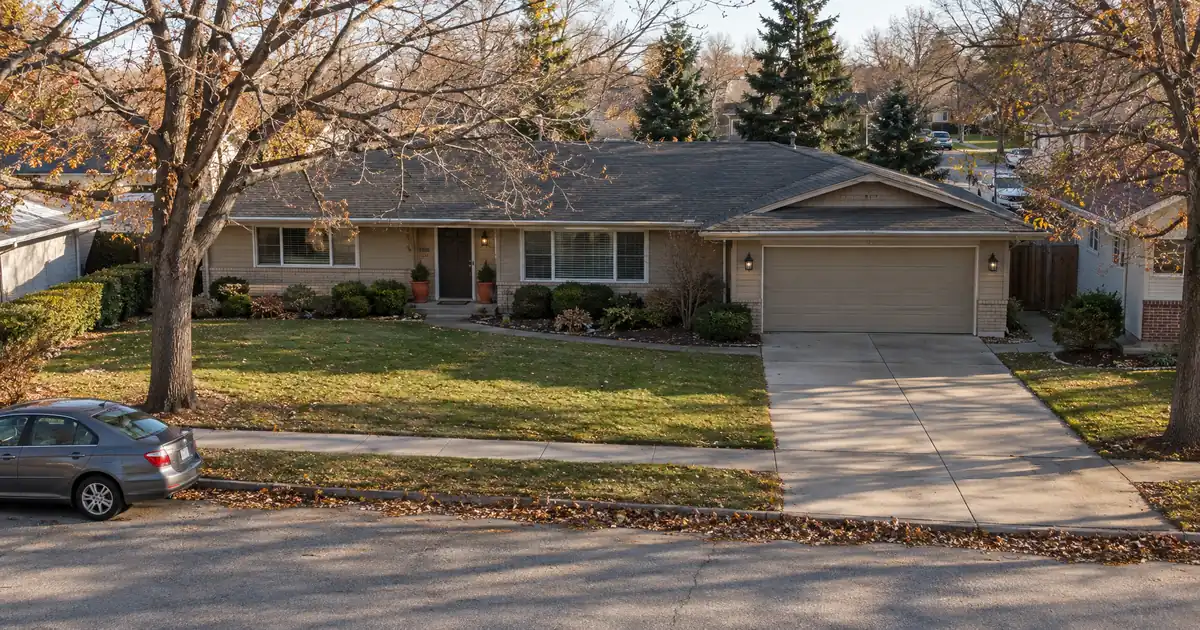
The Quick Read: A bank statement loan can fund a sibling buyout for a self-employed heir when equity, title, and family agreement line up, while selling fits better when nobody wants to carry the house, the payout is too big for the keeper’s deposits, or a sibling will not cooperate. Which path is right depends on who wants the house, what the keeper’s deposits show, and whether every sibling agrees to be paid out.
- A buyout needs every selling sibling’s consent. A sale can be forced through a court process called partition.
- A bank statement loan is reviewed on documented income under the applicable program, subject to lender guidelines. It typically uses 12 months of deposits instead of traditional personal-income documentation.
- Occupancy sets the rules. A keeper who will live in the house is treated differently from a keeper who will rent it out.
- Selling is simpler on paper. It gives up the house and the rental upside.
A buyout suits the heir who truly wants the property, has strong deposits, and has siblings who will sign. Selling suits families where nobody wants the house, the repairs are large, income is uneven, or the relationships are strained.
What your deposits qualify you for.
Alt-doc programs read 12 months of business or personal bank deposits instead of tax returns. Enter your average monthly deposits and see the income a lender would credit you.
The expense factor is set by the lender from your business type and profit-and-loss statement; it is not a number you choose. This widget quotes no rate and no payment.
Program parameters shown update from Lendmire’s centralized guideline source.
Estimate
Illustrative estimate only — not a quote, Loan Estimate, approval, or commitment to lend. Deposit average, expense factor, and housing ratio are editable assumptions; the expense factor a lender applies is set from your business type and documentation. No interest rate or monthly payment is quoted here. Purchase capacity is a simplified illustration and does not account for taxes, insurance, HOA dues, or other debts. Alt-doc income documentation is available on consumer mortgages in the states where Lendmire is licensed for consumer lending; actual terms vary by lender, borrower, and property.
Side-by-Side
The loan column reflects typical parameters from select lenders in Lendmire’s wholesale network, subject to lender guidelines and not a commitment to lend. The sale column describes how a standard home sale usually works. Pricing is left out on purpose, since it depends on the individual borrower and loan.
| Factor | Buyout With a Bank Statement Loan | Selling the House |
|---|---|---|
| Review basis | Documented income per program | Buyer’s lender qualifies the buyer |
| Documentation | 12 months of business or personal statements | Title, estate papers, listing |
| Property types | Primary, second home, or rental, by program | Any property a buyer will purchase |
| Entity vesting | Individual on owner-occupied files; entity varies | Not a factor for the siblings |
| Timeline | Depends on title, appraisal, and every signature | Depends on listing, buyer, and probate status |
| Reserves | Commonly around 6 months of housing payment | No loan reserves; carrying costs until sold |
Entity vesting deserves one extra sentence. On investor files, closing in an LLC can be possible, subject to lender program eligibility. Owner-occupied files generally close in the borrower’s personal name.
Consent Decides the Fork
A buyout cannot be forced. Keystone Law notes it is only possible if the sibling agrees to sell their interest. A sale is different. LegalClarity explains that a sibling who co-owns inherited property can force a sale through a partition action, even over the objection of the other co-owners. For tenants in common, it describes that right as nearly absolute.
This changes the negotiation. The sibling who wants to keep the house is often bargaining with a fallback in the room. If financing never materializes, a co-owner can ask a court to order a sale anyway.
Some states soften that outcome. The ABA’s Probate & Property magazine reported that 22 states, the District of Columbia, and the US Virgin Islands had adopted the Uniform Partition of Heirs Property Act in its most recent update. A few states extended it to all partition actions. Details differ by state, so a local attorney should confirm what applies.
Courts also tend to order a sale, and not a physical split, when the asset is a single house. The practical lesson is simple. Line up financing early, because a holdout sibling shortens the keeper’s options.
How the Buyout Works, Step by Step
Yahoo Finance describes a buyout as one heir paying the others for their ownership shares and becoming the sole owner. In practice, the sequence runs like this:
1. Settle title. A lender needs the keeper to own the property, or be about to own it. Probate should be finished, or the house should sit in a trust or be deeded to the heirs.
2. Get a value. Siblings usually agree on an appraisal. Whether hypothetical selling costs come off the number is a negotiation, not an automatic deduction.
3. Compute the equity. Subtract any mortgage or lien from the value. Divide what remains by ownership share.
4. Size the loan. The new loan has to pay off any existing lien and fund the siblings’ shares. With three equal heirs, the keeper owns one-third already and funds two-thirds of the equity.
5. Underwrite the keeper. The lender reviews income, credit, assets, and the property.
6. Pay out and record. Funds go to the siblings, they sign deeds or releases, and the keeper holds title.
7. Put the terms in writing. The agreement should say who pays the mortgage, taxes, and utilities until closing, and what the deadline is.
One point trips up families. Taking a sibling off the deed does not take them off an existing mortgage. Only paying off or refinancing that loan does.
Yahoo Finance also points out two alternatives. A sibling can act as the lender, with the buyer signing a note secured by a deed of trust. Other estate assets can offset the house’s value. Both can shrink the loan or remove it, which matters when deposits are modest.
What the Bank Statement Loan Looks Like
Think of a bank statement loan as a path for self-employed owners whose traditional personal-income documentation shows less than the business actually earns. Write-offs lower taxable income. Deposits tell a different story.
Across the wholesale network, the typical structure looks like this:
- Documentation: 12 months of business or personal bank statements. Qualifying income comes from deposit averages after the lender applies an expense factor. That factor varies by lender, so no formula should be assumed.
- Leverage on a primary residence: up to 90% LTV on a purchase or rate-and-term refinance, through select lenders. LTV, or loan-to-value, is the loan balance as a share of the home’s value. The strongest files earn the top of that range.
- Cash-out on a primary residence: up to 80% LTV with a fixed expense ratio, and 75% with an accountant-prepared ratio.
- Cash-out on a second home: up to 75% LTV.
- Cash-out on an investment property: up to roughly 75% LTV. Purchase leverage on an investment property varies by lender.
- Loan size and reserves: roughly $125,000 to $3,500,000, with reserves commonly around 6 months of the housing payment.
Why does cash-out matter here? Many lenders treat a payout to a co-owner as a cash-out refinance, so the lower cash-out ceilings apply. Others classify it differently. That is a lender decision, so ask before assuming the 90% figure.
An heir with significant liquid savings has another route. Asset-depletion qualification, which counts liquid assets as income, runs to about 80% LTV on a primary residence. Whether bank statements or assets look stronger depends on the file. For a broader look at how the two documentation styles compare, see Lendmire’s piece Tax Returns vs Bank Statement Cash-Out for a Self-Employed Second Home. Every figure here varies by lender and program — guidelines, property type, leverage, and credit profile all apply.
Reserves and deposits cut both ways. A thin deposit history can sink a buyout even when the equity is generous.
Occupancy Decides the Rulebook
A bank statement loan is a non-QM product, meaning a mortgage built outside standard agency documentation. That label does not loosen the safety standards. If the keeper will live in the house, it is a consumer mortgage, and the lender must make a reasonable, good-faith determination that the borrower can repay. The CFPB’s Regulation Z rule on ability to repay sets that requirement for covered consumer loans. Consumer-purchase disclosures under TRID apply to those owner-occupied files.
A rental is a different animal. Bank statement loans on non-owner-occupied rentals are business-purpose investor loans. Because they are business-purpose, they are reviewed differently from a standard owner-occupied mortgage, and they are exempt from TRID. Say which applies before you apply, because the property’s use decides it.
If the Keeper Will Rent It
Some heirs plan to hold the house as a rental. In that case, a DSCR loan may fit better than a deposit-based loan. DSCR stands for debt service coverage ratio, which compares the rent to the monthly obligation. It qualifies primarily on property-level rental income covering the payment, subject to lender guidelines. The keeper’s personal deposits matter less. Lendmire’s complete DSCR loans guide covers how those files work.
The choice between the two comes down to which number looks stronger on paper: the keeper’s deposits or the property’s rent.
When a Buyout Is the Better Fit
A buyout makes sense when most of these are true:
- One sibling wants the house. That may mean living in it or holding it as a rental.
- Everyone will sign. Consent is the gate, and a single holdout can stall the file.
- The equity math works. The payout has to fit inside the leverage limits for the occupancy type.
- The keeper’s deposits are strong and steady. Twelve months of consistent deposits is what a lender reviews.
- The house is in decent shape. Heavy repairs add cost on top of the payout.
- The family values the asset. Keeping the house avoids selling costs and preserves any rental upside.
A buyout also helps a self-employed keeper whose returns understate cash flow. Without a documentation path built for that borrower, a conventional lender may decline a file that is actually sound.
Estate equalization can improve the picture. If the estate holds other assets, siblings who step back from the house might take those instead. That shrinks the loan and sometimes removes the need for one.
When Selling Is the Better Fit
Selling is the cleaner answer in these situations:
- Nobody wants the house. If no sibling plans to live in it or rent it, selling is the straightforward choice.
- Repairs are major. A house that needs a lot of work can push the buyout and the carrying costs past what makes sense.
- The payout is large next to the keeper’s income. Uneven deposits and a heavy new loan are a risky pairing.
- A sibling will not cooperate. A buyout cannot be forced, but a sale can be, so a determined holdout often ends in a sale anyway.
- The family wants a clean break. A sale ends co-ownership friction. A buyout means one sibling carries the house while the others walk away.
A sale also keeps the keeper’s financing out of the picture. The buyer’s lender qualifies the buyer, so none of the siblings’ incomes are underwritten. Costs come out of the proceeds, and the net splits by ownership share. A will or trust can restrict a sale, so read it before listing.
Tax treatment can depend on how the funds are used and how the property is held; borrowers should keep clear records and speak with a qualified tax professional before relying on any deduction.
What If the Loan Falls Through?
Plan for failure before you start. A few structures can help:
- Partial buyout. The keeper pays part now and the rest later, or buys out one sibling while the others stay on title.
- Seller-carry note. A sibling who is comfortable lending takes a note secured by a deed of trust, as Yahoo Finance describes.
- Blended funding. Savings, a smaller loan, and estate offsets together may fit when a single loan is too large.
- Planned exit. Agree in writing on what happens if financing fails. A sale by agreement beats a sale by court order.
Sequence matters too. Siblings should not be paid before title is clean, and the written agreement should name a deadline. A lender may ask to see that agreement.
Weighing the Two
Neither path wins by default. This is a genuine toss-up for many families, and the deciding factors are practical ones.
Buying out siblings with a bank statement loan makes sense when one heir truly wants the house, the deposits support the loan, and every sibling will sign. It keeps the asset in the family and avoids selling costs. It also adds debt and ties the keeper to the property for years.
Selling makes sense when the house is a burden, the numbers are tight, or the family needs closure. It gives everyone liquidity and ends the co-ownership. It gives up the rental upside and any family attachment to the home.
The stronger play for many self-employed heirs is to price both paths before the family meeting. Run the buyout equity math, ask a lender how the transaction would be classified, then compare it to a realistic sale. The numbers usually make the decision easier.
Frequently Asked Questions
Can a self-employed heir use bank statements to buy out siblings?
Often, yes. A bank statement loan is reviewed on documented income under the applicable program, subject to lender guidelines. Lenders typically review 12 months of business or personal statements, then apply an expense factor to the deposits. Title, equity, credit, and reserves still matter. Approval depends on the borrower, the property, and the lender.
What if my sibling refuses to sell their share?
A buyout cannot proceed without their consent. Your options are to negotiate, adjust the terms, or accept a sale. Any co-owner may also ask a court for partition, which can force a sale. A real estate attorney in the property’s state can explain the local rules.
Can I get the loan before probate is finished?
A lender generally needs the borrower to own the property, or be about to own it, before lending against it. Clean title matters. If the house is still in the estate, expect to finish probate, or to move it into a trust or deed, before the loan can proceed.
Is a buyout cheaper than selling?
It depends on the numbers. A sale takes selling costs out of the proceeds. A buyout adds loan costs and a larger debt, and the keeper carries the house afterward. Compare the net to each sibling under both paths, using real figures from an appraisal and a loan estimate.
Does a bank statement loan work if I plan to rent the house?
It can, on a business-purpose basis. A rental heir may also look at a DSCR loan, which qualifies primarily on property-level rental income covering the payment, subject to lender guidelines. The better fit depends on whether the keeper’s deposits or the property’s rent look stronger.
Next Steps
Lendmire is a mortgage broker that arranges financing through select lenders in its wholesale network. Its consumer mortgage licensing covers 16 states, so availability depends on where the house sits. Call 828-256-2183 or request a quote to start.
Whichever way your family leans, settle title and get a real valuation first, because every other decision builds on those two.
About Lendmire
Lendmire (NMLS# 2371349) is a mortgage broker licensed for consumer lending in 16 states. Scotsman Guide named Lendmire a Top Mortgage Workplace in both 2025 and 2026.
Get Started
Ready to find the right loan for you?
In about 30 seconds you can review financing options available for your home or investment property. No commitment required.
Informational only. Not a Loan Estimate, approval, or commitment to lend. Program availability and eligibility are subject to lender guidelines, credit approval, property review, and underwriting.
References
1. Keystone Law, Inheriting a House With Siblings
2. LegalClarity, Can Siblings Force the Sale of Inherited Property
3. ABA Probate & Property, Uniform Laws Update
4. Yahoo Finance, Buying Out Your Sibling
5. CFPB, Regulation Z § 1026.43
This article is part of Lendmire’s bank statement loan program — full qualification details, guidelines, and scenarios live on the program page.
Related reading: Can a Contractor Get a Bank Statement Loan From a Big Bank? · How a Bank Statement Jumbo Loan Works in Seattle · DSCR vs Bank Statement Loan for a Commissioned Agent Buying a Rental
Brandon Miller
Founder & CEO, Mortgage Loan Originator, Lendmire LLC
- Mortgage Loan Originator · NMLS# 1129696 · Verify on NMLS Consumer Access
- North Carolina Real Estate Broker · License# 343312 · Verify on NCREC
- North Carolina Insurance Producer · License# 19053198 · Property, Casualty, Life, Health · Verify on NAIC SBS
- Lendmire LLC · Firm NMLS# 2371349 · Verify firm licensure
Legal disclosures. Lendmire (NMLS# 2371349) is a state-licensed mortgage brokerage that arranges financing through wholesale lender relationships. Lendmire is not a direct lender, depository institution, or registered financial advisor. The discussion above is general informational content about real estate financing — it is not financial, legal, or tax advice, and readers should consult licensed professionals for guidance on their individual circumstances. Loan inquiries are subject to lender underwriting; this article does not represent a commitment to lend. Loan terms, rates, and qualification standards vary by borrower, property, and state, and are subject to change at any time. Equal Housing Opportunity. NMLS Consumer Access: nmlsconsumeraccess.org.