
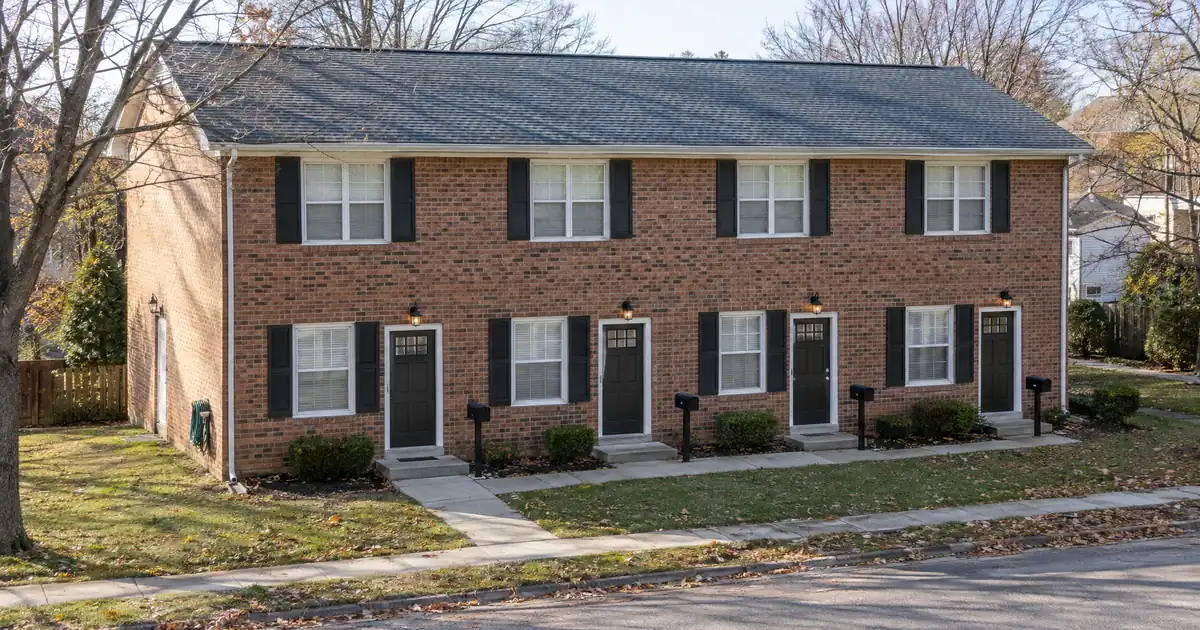
The Quick Read: Yes, when you live in one of the four units and the equity and income numbers clear the lender’s tests. Conventional programs cap a cash-out on a two- to four-unit principal residence at 75% loan-to-value, lower than the 80% allowed on a one-unit home. That lower cap, the appraised value of the whole building, and your credit and income decide how much cash you can take, subject to lender guidelines and full file review.
Which Program Fits a Fourplex You Live In?
A fourplex you occupy is a principal residence for conventional lending. Occupancy sets the leverage, so living in one unit is what puts you in the owner-occupied lane. A cash-out can also be written on a second home or an investment property, but those carry their own limits and are outside this article.
Cash-out refinance estimate
The starting figures are an example value with a balance and a cash request in proportion. Replace them with yours.
Editable benchmark: 7.24% as of October 29, 2026 · Freddie Mac 30-year average via FRED®. A conventional market reference, not a cash-out refinance quote.
Illustrative starting assumptions: a $350,000 home value, a $193,000 current balance, the agency cap on a one-unit principal residence, a thirty-year term at the current Freddie Mac benchmark, and property taxes and insurance estimated at typical national rates. Every field is editable.
Illustrative estimate only — not a Loan Estimate, approval, quote, or commitment to lend. The rate field carries the weekly Freddie Mac thirty-year conventional benchmark, a market reference and not a cash-out refinance quote; a cash-out loan is priced by the lender at lock. The cash available is the loan the program cap allows less the balances paid off, before closing costs, which are not included. The HELOC line is the program’s combined loan-to-value ceiling applied to the same value and balance. Taxes and insurance are editable estimates. Licensed in sixteen states for consumer mortgages.
| Program | Cash out on a fourplex? | Main constraint |
|---|---|---|
| Conventional | Yes, owner-occupied | 75% LTV cap on 2-4 units |
| FHA cash-out | Generally yes, owner-occupied | Extra rules on 3-4 units |
| VA cash-out | Yes, if you occupy a unit | Lender-set limits vary |
| FHA Streamline / VA streamline refinance | No | Existing government loan only; no equity out |
Fannie Mae works from its own eligibility matrix, and across the wholesale programs Lendmire places files with, the same 75% figure applies to two- to four-unit principal residences. Individual lenders can add stricter overlays, so treat every number here as a guideline, not a promise.
If you are comparing options, Lendmire’s cash-out refinance programs page lays out how the conventional lane works.
How Much Cash Can You Actually Take?
Take the appraised value of the whole building and multiply by 75%. Your new loan, plus any other liens, cannot exceed that. The cash you receive is what is left after paying off the existing mortgage and the closing costs.
Picture a fourplex you bought and live in. It appraises well, but you still owe a large share of the original balance. At 75% of value, the room between your payoff and the cap may be thin. A single-family owner with the same equity percentage would have 80% to work with, so the fourplex owner nets less cash from the same equity position.
Financed closing costs come out of your proceeds, not on top of them. A larger appraisal helps. A low one shrinks the loan directly.
What Else Must You Clear?
Equity is only one test. Across the wholesale conventional programs, the file typically needs:
- A 620 decision score at minimum, with the automated finding governing most files and a total ratio ceiling of 50%.
- Seasoning: the first mortgage being paid off must be at least 12 months old, and you must have been on title for 6 months. Delayed financing, inheritance and legal-award exceptions exist.
- Documented income, employment and assets.
- Reserves, which the lender or program may require on a multi-unit building.
On a fourplex, the lender also reviews rent from the other units. The lender decides how much counts, and vacant or below-market units can weaken the file. The unit you live in produces no qualifying income. Many lenders apply a vacancy discount to the rest, so a rent roll with leases for each unit helps.
The appraisal matters more here than on a house. Comparable sales of small multifamily buildings are scarcer, and the appraiser values the whole building. Also confirm the legal unit count. A building sold as a fourplex but recorded as a triplex is underwritten as a triplex.
Is There a No-Mortgage-Insurance Option?
Mortgage insurance is generally required above 80% LTV on the agency path, with one exception: a wholesale no-MI cash-out lane that reaches 89.99% LTV. That lane needs a 680 score, a 50% ratio, a thirty-year fixed, a primary residence, a conforming balance and its own six months of seasoning. Here is the catch for this article: the lane is written on a primary residence, but the fourplex’s 75% cap sits well below 80%, so mortgage insurance rarely comes up on a cash-out here at all.
Where Do FHA and VA Fit?
FHA. A standard FHA cash-out is generally limited to owner-occupied principal residences. FHA treats three- and four-unit buildings with extra care. The older HUD reference guide describes a self-sufficiency test and post-closing reserves for those properties. That page is archived and its leverage figure is out of date, so use it for the concept only and confirm current terms with a lender.
FHA Streamline. It is not a cash-out product. It refinances an existing FHA loan with limited credit documentation, and owners of one- to four-unit primary residences can use it, according to the FDIC’s summary of the program. Expect only minimal cash back.
VA. The IRRRL refinances an existing VA loan and cannot be used to take equity out. The VA’s refinancing pamphlet contrasts it with the VA cash-out, which can pay off liens of any type and give you cash. A multi-unit VA cash-out generally requires that the veteran occupy one unit. How much of the value a lender will advance varies by lender, so there is no single VA cash-out percentage to quote.
Why Fourplex Files Stall or Get Sized Down
| Reason | How it shows up | What to do |
|---|---|---|
| Low appraisal | Value under expectations, smaller loan | Supply unit-level rent and recent upgrades |
| Unseasoned loan or title | Under 12 months on the loan or 6 on title | Wait, or ask about the exceptions |
| Vacant or below-market units | Rent credited at less than you collect | Sign leases and document market rent |
| Thin reserves | Lender wants more after closing | Document all liquid assets |
| Unit count mismatch | Recorded as a triplex | Check records before applying |
| Higher ratio after the larger loan | New payment stretches debt-to-income | Take less cash, or pay down other debt |
Practitioner note: the denials that surprise borrowers most are not about equity. They come from rent documentation. A borrower with strong equity but handshake leases and one unit sitting empty often gets a smaller approval than a borrower with less equity and a clean rent roll.
Edge Cases Worth Knowing
- You move out. The building then stops being your principal residence, and occupancy sets the leverage. A refinance after you move is a different transaction from one while you live there.
A refinance that only pays off the existing mortgage and closing costs does not follow the cash-out cap, and it is not a way to pull equity.
- Five or more units. Residential programs stop at four units. A larger building falls under commercial underwriting.
- Texas homestead. A cash-out on a homestead is capped at 80% of the home’s value by the state constitution, and the wholesale no-MI lane is not written there.
- Manual versus automated underwriting. The 75% cash-out cap is the same either way on a two- to four-unit primary residence. Exact terms depend on the lender’s guidelines, property type, leverage, and a full review of the borrower’s file.
If the Answer Is “Not Yet” or “Not That Much”
| Option | What it does | Tradeoff |
|---|---|---|
| Smaller cash-out | Stays inside the 75% cap | Less cash |
| Rate-and-term refinance | Changes the loan, little cash back | No equity access |
| Wait for seasoning | Meets the 12-month and 6-month tests | Delay |
| Pay down other debt | Improves the ratio | Uses cash first |
Compare these before you apply. A refinance is a new loan with its own appraisal and closing costs, and the new balance is larger than the old one, so your monthly obligation is likely to rise. Ask what the cash is for and whether the larger loan still fits your budget.
Step by Step: From Application to Closing
1. Pre-screen the equity. Appraised value times 75%, minus all liens.
2. Confirm occupancy. You live in one unit.
3. Check seasoning. 12 months on the loan, 6 on title.
4. Gather documents. Credit, income, assets, leases and a rent schedule for each unit.
5. Appraisal. The appraiser values the whole building.
6. Underwriting. The lender weighs value, credit, income, occupancy and reserves.
7. Closing and cancellation. Most refinances on your home carry a three-business-day right to cancel, and Saturdays count. If you cancel, you still owe the original loan, per the CFPB. Funds are disbursed after that period.
Key Terms Defined
LTV (loan-to-value): the new loan, plus other liens, divided by the appraised value.
Seasoning: how long you have held the loan or the title before a lender will cash you out.
Reserves: liquid assets left after closing that a lender may require.
Limited cash-out: a refinance that pays off the current loan and costs, with only small cash back.
Right of rescission: the window to cancel certain refinances on your home.
Frequently Asked Questions
Do I have to live in the fourplex to get a conventional cash-out?
For the owner-occupied rules described here, yes: you occupy one unit as your principal residence. A cash-out can also be written on a second home or an investment property, but occupancy sets the leverage and those carry different limits.
Why is my cash-out cap lower than a friend’s with a single-family home?
Conventional programs allow 80% on a one-unit principal residence and 75% on two- to four-unit properties. Multi-unit buildings carry more risk for the lender and fewer comparable sales, so the same equity yields less cash.
How long must I own the property first?
On the wholesale conventional programs, the mortgage being paid off must be at least 12 months old, and you must be on title for 6 months. Exceptions exist for delayed financing, inheritance and legal awards.
Does rent from the other units help me qualify?
It can, but the lender decides how much counts. Vacancy discounts, below-market leases and vacant units reduce the credit, and the unit you live in produces none.
Can I use an FHA Streamline or VA IRRRL to take cash out?
No. Both require an existing FHA or VA loan and are built to lower cost or change the term, not to release equity. A streamline allows only minimal cash back.
Next Step
If you are weighing a cash-out refinance against keeping the loan you have, Lendmire can help you compare the programs and the equity each one reaches. Program figures are subject to lender guidelines and full file review, and nothing here is a commitment to lend.
For your own numbers, request a scenario review with Lendmire.
For current guidelines and terms, see Lendmire’s refinance programs page.
About Lendmire
Lendmire is a mortgage brokerage (NMLS# 2371349) licensed for consumer mortgage lending in 16 states, arranging FHA, VA, conventional and jumbo purchase and refinance loans through a wholesale lending network. Eligibility is determined by the lender on each file. Scotsman Guide named Lendmire a Top Mortgage Workplace in both 2025 and 2026.
Get Started
Ready to find the right loan for you?
See your offer in seconds. No credit pull, no obligation.
Informational only. Not a Loan Estimate, approval, or commitment to lend. Program availability and eligibility are subject to lender guidelines, credit approval, property review, and underwriting.
References
1. HUD Archives refinance reference guide
2. FDIC summary of FHA Streamline
3. VA Pamphlet 26-7, Chapter 6
4. CFPB
This article is part of Lendmire’s cash-out refinance program — full qualification details, guidelines, and scenarios live on the program page.
Related reading: Cash-Out Refinance Lenders on a Historic Home · Cash-Out Refinance Lenders After a Change in Household Income · Cash-Out Refinance Options to Shorten the Mortgage Term
Brandon Miller
Founder & CEO, Mortgage Loan Originator, Lendmire LLC
- Mortgage Loan Originator · NMLS# 1129696 · Verify on NMLS Consumer Access
- North Carolina Real Estate Broker · License# 343312 · Verify on NCREC
- North Carolina Insurance Producer · License# 19053198 · Property, Casualty, Life, Health · Verify on NAIC SBS
- Lendmire LLC · Firm NMLS# 2371349 · Verify firm licensure
Disclosure information. Lendmire is a state-licensed mortgage brokerage under NMLS# 2371349. Lendmire is not a depository institution, direct lender, or financial advisor — all loans referenced are placed through wholesale lender partners and are subject to each lender's underwriting standards. This article is provided for general informational purposes and is not a commitment to lend, nor does it constitute financial, legal, or tax advice. Loan programs, terms, rates, and qualification standards change without notice and depend on borrower profile, property type, and the state in which the subject property is located. Equal Housing Opportunity provider. NMLS Consumer Access: nmlsconsumeraccess.org.