
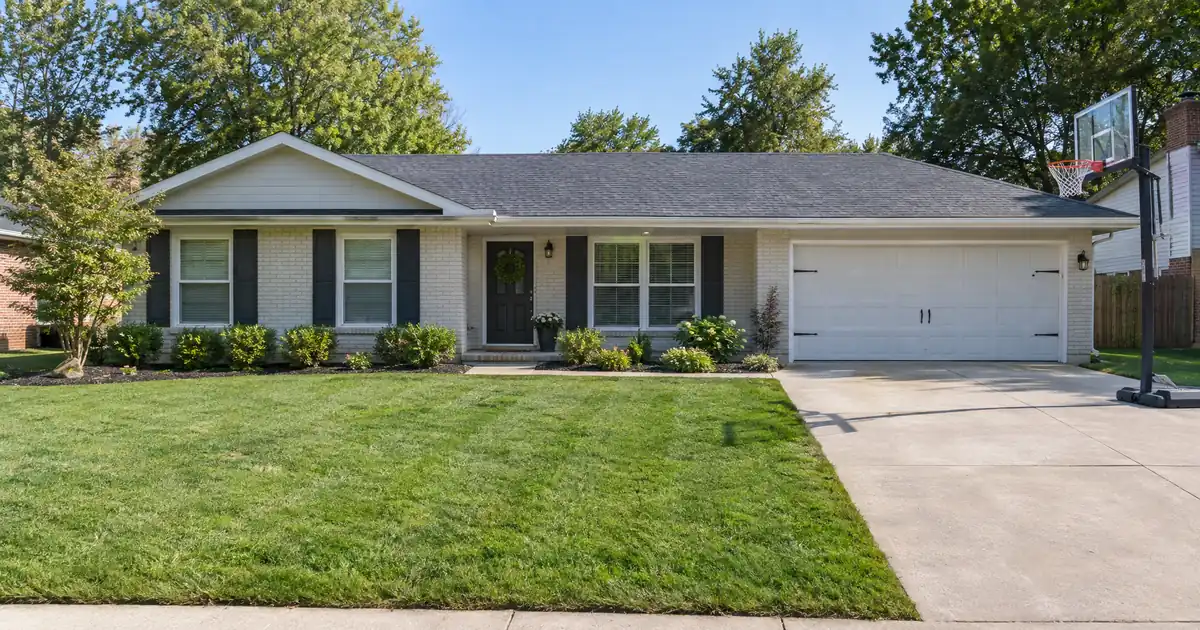
The Quick Read: No, not after you sign. Federal law gives you no automatic three-day “undo” window on a second-home refinance, because that right covers only the home you live in. Before you sign, you can walk away, though fees already paid may not come back. After you sign, any unwinding depends on the lender’s own terms and your closing documents. Treat the signing table as the point of commitment.
What Does “Cancel” Mean Here?
Borrowers asking this question usually mean one of three different things, and each has a different answer.
1. Backing out before closing. You can do this. Costs may already be sunk.
2. Rescinding after closing. This is the three-day right. It does not apply to a second home.
3. Changing the loan type. For example, moving from cash-out to a rate-and-term refinance. That is a restructure, not a cancellation, and it has to happen before closing.
One more point of confusion. “Second” can mean a second home, a second mortgage, or a cash-out on your main home used to buy a second one. This article covers the first: the property securing the new loan is a second home. If you are refinancing the home you live in, the answer changes, and the edge cases section below explains how.
Why Isn’t There a Cancel Window on a Second Home?
The three-day right attaches only to loans secured by a principal dwelling. The right of rescission is written into 12 CFR 1026.23 on eCFR, and it applies where a security interest is or will be retained in a consumer’s principal dwelling.
The CFPB’s official interpretation addresses second homes directly. A vacation or other second home is not a principal dwelling. A loan secured by a second home that is not currently your principal dwelling is not rescindable, even if you plan to live there someday. A consumer can have only one principal dwelling at a time.
The logic is simple. The right was built to protect people from losing the roof over their heads on a rushed signing. A vacation home does not carry that risk, so the law draws the line there.
A quick definition: rescission means canceling a signed loan within a set window, as if it never happened. On a primary residence refinance, the CFPB says you have until midnight of the third business day to rescind. Saturdays count as business days for this purpose. Sundays and legal public holidays do not. If you rescind, you still owe the original loan.
None of that applies to your second home.
The Real Cancellation Window Is Before You Sign
The only free exit on a second-home cash-out is before you sign. The cost of leaving rises with every step the file takes.
| Stage | Can you exit? | What it may cost you |
|---|---|---|
| Before applying | Yes | Nothing |
| After Loan Estimate, before intent to proceed | Yes | Little to nothing |
| After intent to proceed | Yes | Application or appraisal fees may be charged |
| Approved, before signing | Yes | Fees already paid, with no refund promised |
| After signing | Only if the lender agrees | Depends on your documents |
Here is how that plays out on a real file.
Once you receive the Loan Estimate and tell the lender you want to proceed, the lender can charge additional fees. An appraisal ordered after that point is typically paid for whether or not you close. Appraisal fees are the usual sunk cost. Borrowers who back out late are rarely surprised by the legal rule. They are surprised that the appraisal and application charges stay behind.
So the practical advice is to make the go or no-go decision before you authorize the appraisal. The Loan Estimate is the moment to compare your options, not the Closing Disclosure.
What Happens If You Sign and Then Regret It?
You are bound to the new loan unless the lender agrees otherwise. No federal right undoes it, and your old mortgage was paid off at funding.
Your options after signing look like this:
- Ask the lender whether it will voluntarily unwind the loan. Some may consider it, some will not. It varies by lender and by state, and it is never something to count on.
- Read your closing documents. Check for anything that gives you a contractual exit. State law and lender policy may differ, so ask your loan officer rather than assuming.
- Refinance again. This is the realistic exit, and it carries its own costs and rules.
The third option has limits. Under Fannie Mae’s cash-out guidelines, the mortgage being paid off generally has to be at least 12 months old, counted from note date to note date, and at least one borrower must meet the six-month ownership requirement. Across the conventional wholesale programs we place files with, those same seasoning ideas show up consistently. A fresh cash-out loan on a second home generally cannot be refinanced again right away. Fannie Mae’s prohibited practices rules also bar a limited cash-out refinance when the borrower did a cash-out refinance with a note date 30 days or less before the application. A fast “fix” by refinancing is often closed off.
Run it as a scenario. Say you own a beach condo, sign a cash-out refinance, and a week later decide you borrowed too much. You have no three-day right. The lender owes you nothing under federal law. You would be negotiating, or planning a later refinance after seasoning rules are met. That is a hard position, and it is why the decision belongs before signing.
What Second-Home Cash-Out Actually Looks Like
A cash-out on a second home is narrower than most people expect. Across the wholesale programs Lendmire works with, conventional cash-out on a second home tops out at 75% loan-to-value, against 80% on a one-unit primary residence. Second homes also cap at 90% on a purchase. Those are program figures, subject to lender guidelines and full file review.
Seasoning applies as well. The first mortgage being paid off has to be at least 12 months old, and a borrower has to have been on title for six months, with exceptions for delayed financing, inheritance and legal awards. Lendmire’s cash-out refinance programs page lays out the conventional lanes by occupancy.
The property also has to qualify as a second home in the first place. Fannie Mae’s occupancy rules require that:
- The borrower occupies it for some portion of the year.
- It is a one-unit dwelling suitable for year-round occupancy.
- The borrower has exclusive control, and it is not a rental or timeshare arrangement.
If the lender identifies rental income, the loan can still be a second home as long as that income is not used to qualify. A property you rent out most of the year is a different loan category, and that is not what this article covers.
On pricing, second-home and cash-out features each carry price adjustments in the agency pricing grids. They make the loan cost more than a primary residence refinance. Your Loan Estimate shows the effect, so read it before you proceed.
Edge Cases That Change the Answer
The general rule has exceptions. Check these before you assume you have no window.
1. Your principal dwelling is also pledged. If the collateral includes the home you live in, a cancellation right may exist. This is a question to put to your loan officer directly. The sub-rules are technical, and the safe move is to ask.
2. The “second home” is really where you live. Rescission turns on actual use. Do not pick the label that seems to give you more rights. Occupancy is certified in the loan documents, and a misstatement carries consequences.
3. Business-purpose loans. The CFPB’s commentary on 1026.23 says the right of rescission does not apply to a business purpose loan, even when it is secured by the customer’s principal dwelling.
4. Same-lender refinances of your primary home. Regulation Z exempts a refinancing or consolidation by the same creditor of credit already secured by the principal dwelling, in some cases. That is a primary-residence rule and does not help a second home.
5. A cash-out on your main home to buy a second home. Here the refinanced property is your primary residence, so the three-day right generally does apply to that refinance. The second-home purchase itself has no such right.
On a primary residence, the CFPB sample notice shows the right runs until midnight of the third business day after the last of three events: closing, receipt of the Truth in Lending disclosure, and receipt of the notice. The CFPB’s right-to-cancel explainer walks through that notice. On a second home there is no Notice of Right to Cancel in your closing stack at all. If you do not see one, that is the document telling you the right is absent.
How Do the Loan Programs Treat Second Homes?
None of the main programs creates a cancellation right on a second home. That comes from federal rescission rules, not from the program.
| Program | Cash out on a second home? | Note |
|---|---|---|
| Conventional | Yes, 75% LTV on wholesale lanes | Seasoning and occupancy tests apply |
| FHA | No cash-out on a streamline beyond $500 | Needs an existing FHA loan |
| VA | No | Cash-out needs a primary residence |
On FHA, HUD’s Streamline page says cash in excess of $500 may not be taken out on mortgages refinanced with the streamline process, and the mortgage being refinanced must already be FHA insured. Standard FHA cash-out is a principal-residence product. VA cash-out needs a current or intended primary residence, so a pure second home does not qualify. The VA IRRRL is a streamline for existing VA loans and does not pay out cash.
For most second-home owners seeking cash, conventional is the lane that fits.
What to Check Before You Sign
With no safety net after signing, the checklist does the work the cancel window would have done.
- Confirm the loan purpose. Is this cash-out or limited cash-out? Limited cash-out allows only incidental cash back and pays off the existing first mortgage and closing costs.
- Compare the Loan Estimate to the Closing Disclosure line by line. Look at the loan amount, cash to you, and the costs.
- Verify occupancy language. Make sure the second-home designation matches how you actually use the property.
- Check the payoff. Your old mortgage is paid off at funding. Confirm the payoff figure is right.
- Ask what happens if the appraisal comes in low. Value drives the maximum loan. A lower value can shrink the cash you receive.
- Ask about any lender-specific unwind policy. Get the answer in writing if there is one.
- Decide before authorizing the appraisal. That is the point where costs start to stick.
If something on the Closing Disclosure looks wrong, such as a changed amount or a missing disclosure, do not sign to “fix it later.” Raise it first. For disclosure errors or anything that feels predatory, consult a real estate attorney or contact the consumer regulator.
Tax treatment can depend on your situation; borrowers should speak with a qualified tax professional before relying on any deduction or credit.
Key Terms Defined
Right of rescission: The right to cancel certain loans within a set window after signing, available only on a principal dwelling.
Principal dwelling: The home you actually live in. You can have only one at a time.
Second home: A one-unit property you occupy part of the year, suitable for year-round use, that you control exclusively and do not rent out as a business.
Cash-out refinance: A new first mortgage that pays off the old one and gives you cash from your equity.
Seasoning: The minimum time a loan or ownership must have been in place before a new refinance is allowed.
Intent to proceed: The point where you tell the lender to move forward after the Loan Estimate, which lets the lender charge certain fees.
Frequently Asked Questions
Do I get three days to cancel a cash-out refinance on a vacation home?
No. The three-business-day right applies to loans secured by your principal dwelling. A vacation or second home is not a principal dwelling, even if you plan to live there later. You can still walk away before you sign.
Can I back out after the appraisal is done but before closing?
Yes. Nothing forces you to sign. The appraisal and application fees you already paid may not be refunded, so the cost of leaving rises as the file advances.
Does it matter if I plan to move into the second home?
Only once you actually live there. The commentary says a transaction secured by a second home that is not currently your principal dwelling is not rescindable, even if you intend to live there in the future. Do not label a home to gain rights it does not have, because occupancy is certified in your loan documents.
What if I rescind a refinance on my main home instead?
You still owe your original loan. Rescission cancels the new loan, not the old debt. Only the new transaction unwinds, and the lender must follow cancellation steps afterward.
If I sign and change my mind, what are my options?
You can ask the lender whether it will voluntarily unwind the loan, check your closing documents and state law, or plan a later refinance. Seasoning rules can limit a quick second refinance, so do not assume that route is open right away.
Next Step
If you are weighing a cash-out refinance against keeping the loan you have, Lendmire can help you compare the programs and the equity each one reaches. Lendmire’s piece How to Handle Two Appraisals on a Second Home Jumbo Cash-Out Refinance covers one common wrinkle on larger loans. Program figures are subject to lender guidelines and full file review, and nothing here is a commitment to lend.
For your own numbers, request a scenario review with Lendmire.
For current guidelines and terms, see Lendmire’s refinance programs page.
About Lendmire
As a mortgage broker (NMLS# 2371349), Lendmire helps homeowners and home buyers in 16 states with FHA, VA, conventional and jumbo purchase and refinance loans arranged through wholesale lenders. Lendmire is never the lender; program terms are set by the lender and the agency guidelines. Scotsman Guide named Lendmire a Top Mortgage Workplace in both 2025 and 2026.
Get Started
Ready to find the right loan for you?
In about 30 seconds you can review financing options available for your home or investment property. No commitment required.
Informational only. Not a Loan Estimate, approval, or commitment to lend. Program availability and eligibility are subject to lender guidelines, credit approval, property review, and underwriting.
References
1. eCFR – 12 CFR 1026.23 Right of rescission
2. CFPB – Regulation Z 1026.23 and commentary
3. CFPB – Cost of receiving a Loan Estimate
4. Fannie Mae Selling Guide B2-1.3-03
5. Fannie Mae Selling Guide B2-1.3-04 Prohibited Refinancing Practices
6. Fannie Mae Selling Guide B2-1.1-01 Occupancy Types
8. CFPB – Right to cancel explainer
9. HUD – Streamline Refinance Your Mortgage
This article is part of Lendmire’s Refinance series — every loan program’s qualification details, guidelines, and scenarios live on the loan options page.
Related reading: Can You Pull Equity From a Vacation Home With a Cash-Out Refinance? · Cash-Out Refinance Rescission Rules for a Second Home · Primary vs Second Home Cash-Out Refinance for a Down Payment
Brandon Miller
Founder & CEO, Mortgage Loan Originator, Lendmire LLC
- Mortgage Loan Originator · NMLS# 1129696 · Verify on NMLS Consumer Access
- North Carolina Real Estate Broker · License# 343312 · Verify on NCREC
- North Carolina Insurance Producer · License# 19053198 · Property, Casualty, Life, Health · Verify on NAIC SBS
- Lendmire LLC · Firm NMLS# 2371349 · Verify firm licensure
Required disclosures. Lendmire (NMLS# 2371349) operates as a licensed mortgage broker, not a direct lender or depository. The discussion in this article is general in nature and should not be relied upon as financial, legal, or tax advice — every investment scenario is unique and should be reviewed by a qualified professional. Any loan inquiry is subject to lender underwriting, and this article is not a commitment to lend or a guarantee of approval. Mortgage rates, loan terms, and program guidelines vary by borrower, property, and state, and may change without notice. Equal Housing Opportunity. Verify licensure at NMLS Consumer Access.