
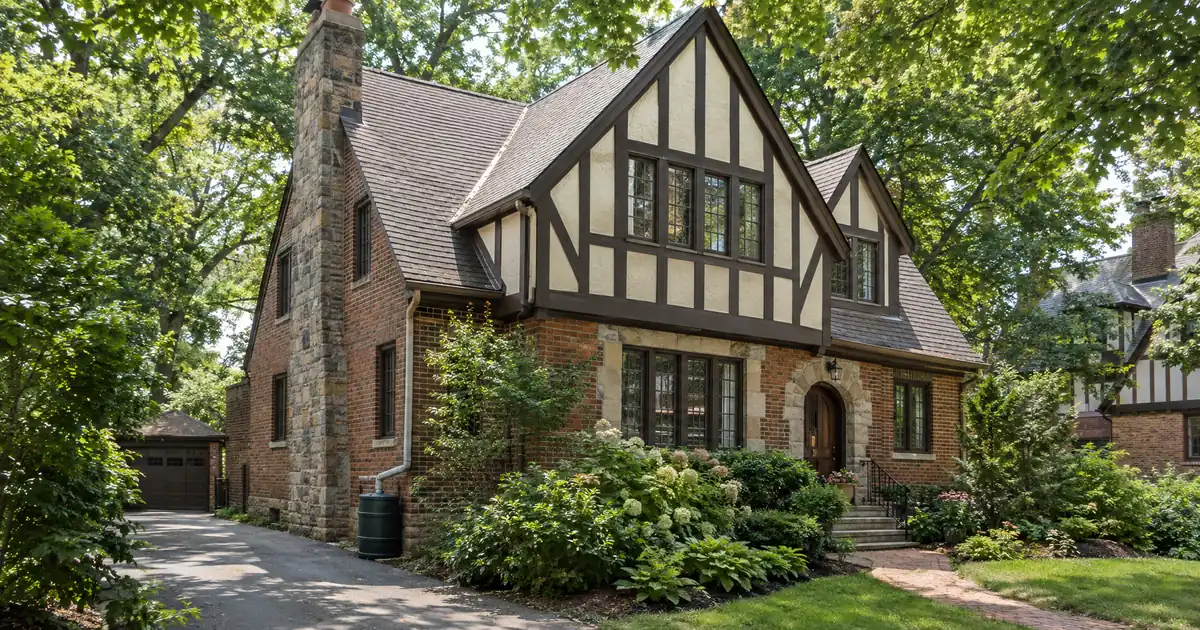
The Quick Read: Treat reserves and repairs as one liquidity budget, and size the cash-out last, after you have an insurance quote, a payment estimate and a reserve target. Across the wholesale network, a cash-out on an investment property tops out around 75% LTV, with about 6 months of PITIA in reserves as the common expectation. Older houses push both numbers: higher insurance raises the payment, and every reserve month then costs more dollars. The exact numbers vary by lender and program and follow a full review of property, leverage, and credit.
- Reserves are counted in months of PITIA (principal, interest, taxes, insurance and any HOA dues), not in repair dollars.
- A cash-out refinance on an investment property generally tops out around 75% LTV, with about 6 months of ownership from title recording as the common seasoning expectation.
- Reserves commonly run about 6 months of PITIA and step up to about 9 months on loans above $1,500,000.
- Older-house costs hit twice: they lower the coverage ratio and raise the dollar value of each reserve month.
- The same pile of cash cannot cover the roof, the reserves and the next purchase. Count it once.
Everything here is subject to lender guidelines, and every file is underwritten individually.
Why Do Older Houses Strain Reserves?
Age does not trip a single rule. It works through the file in four ways: the appraiser’s condition view, the insurance quote, the size of the monthly payment, and the repair cushion you need on top of what the lender asks for.
Start with the definition. Reserves are the months of PITIA you could cover from liquid assets after closing. Divide verified liquid assets, minus the cash you need to close, by the monthly PITIA. The answer is your months of reserves.
Older houses inflate the bottom of that fraction. Knob-and-tube wiring, galvanized plumbing and aging roofs raise fire and water-damage risk, and Allstate’s guidance on insuring older homes notes that many insurers will not cover knob-and-tube wiring at all. A higher premium lifts PITIA. That lowers your coverage ratio and raises the dollar target for every reserve month.
One distinction trips up new investors. Reserves are a lender test, measured against the payment. They are not sized to repair risk. A house with a 25-year-old roof can meet the reserve test and still leave you with no money for the roof. Plan the repair fund separately.
How Does Underwriting Treat the Cash-Out, Step by Step?
Underwriting works through the same order every time: confirm you own the house long enough, test the rent against the payment, cap the loan at the leverage ceiling, then check that you keep enough liquid cash afterward. Here is the sequence across most programs we place files with.
1. Ownership and seasoning. Most cash-out programs want about 6 months of ownership, measured from title recording. Inside that window, the loan is also tied to your cost basis rather than the appraised value alone.
2. Coverage. The lender divides rent used for lender review by PITIA. Many select programs start at 1.00 coverage, and stronger ratios open better pricing and leverage. A separate select-lender path takes coverage below 1.00, with leverage and terms adjusted.
3. Leverage. On a cash-out refinance of an investment property, the ceiling is generally 75% LTV. A rate-and-term refinance, which returns no cash at closing, can go higher.
4. Credit. A 620 floor exists in parts of the network. Most programs want around 660, and 700 or higher unlocks the strongest leverage tiers.
5. Reserves. After payoffs and closing costs, you still need roughly 6 months of PITIA in verified liquid assets. Loans above $1,500,000 typically step up to about 9 months.
6. Appraisal. The appraiser sets value and rates the condition of the house. On a 2–4 unit property, the report uses Form 1025, which Fannie Mae’s appraisal forms guide identifies as the form for 2–4 unit properties. It includes the rent analysis.
Reserve counts vary by lender, leverage, loan size and transaction type. A conservative rate-and-term refinance at modest leverage under $1,500,000 can see reserves waived. A cash-out rarely gets that treatment.
Clearing 1.00 also does not mean the property cash flows. DSCR compares rent to PITIA only. Repairs, vacancy, management, utilities and capital expenses sit outside the calculation. On an older house, those excluded items are exactly where the surprises live.
For the full program picture, see Lendmire’s complete DSCR loans guide.
What Counts as Reserves, and Do Cash-Out Proceeds Count?
Verified, liquid money that is yours and not already spoken for counts. Cash-out proceeds are the gray area, and the safest plan is to assume they do not count. Treatment is program-specific, so some lenders in the network may handle it differently. Ask before you size the loan.
| Typically counted | Typically not counted |
|---|---|
| Seasoned checking and savings balances | Money borrowed to fund the account |
| Brokerage balances you can liquidate | Cash with no paper trail |
| Funds sitting after the cash to close is set aside | Funds earmarked for a rehab |
| Documented balances on recent statements | Money promised to another purchase |
Retirement balances vary by lender, so confirm before relying on them. The pattern to remember is that funds needed to close come out first. What is left is what the lender measures.
For contrast, the agency world defines reserves the same way. Fannie Mae’s minimum reserve requirements page describes reserves as months of the qualifying payment you could cover from assets. That is a definition only. DSCR programs set their own reserve counts, and agency numbers do not carry over. Final terms depend on the lender’s guidelines, the property type, and the borrower’s complete credit picture.
The double-counting trap is a common failure on files like these. An investor buys one rental and refinances another in the same stretch, then shows the same account on both files. A lender sees the overlap.
How Does the Appraiser’s Condition Rating Change the Loan?
Condition affects the value conclusion and the loan ceiling first, and eligibility second. A rating is not a pass or fail on its own. It feeds the appraiser’s value opinion, any repair conditions, and the lender’s decision on whether the property fits the program.
Appraisers use a six-step scale from C1 to C6. McKissock’s explainer on condition ratings notes that if any single component warrants C6, the whole dwelling is rated C6. It also says a C6 property cannot be delivered to Fannie Mae until the safety, soundness or structural problems are repaired.
| Zone | Plain meaning | Likely effect on your plan |
|---|---|---|
| C1–C2 | Newer or fully updated | Rare on older houses |
| C3–C4 | Normal wear, some updating | Common; value usually holds up |
| C5 | Significant deferred maintenance | Expect repair conditions or a value haircut |
| C6 | Serious safety or structural defect | Fix first, then refinance |
Each DSCR program sets its own condition floor, so the agency treatment is a vocabulary guide, not our rule. In practice, a house with a failing roof, active leaks or unsafe wiring should be repaired before you ask for cash. Taking cash out first and hoping the appraiser skips the problem is a bad bet.
Where an improvement is involved, it may support a higher appraised value, depending on comps and underwriter review. It never guarantees one.
What Does the Net-Cash Waterfall Look Like?
The cash you actually keep is far smaller than the headline cash-out. The path runs from appraised value to the loan ceiling, then payoff, closing costs, reserves and the repair budget. Run it in percentages and months, not dollars.
Take a modeled example with assumed inputs, not market data. Say the appraisal supports a value of 100, and the 75% ceiling caps the new loan at 75 units of that value. Your current payoff sits at 55 units. That leaves 20 units of gross cash-out before closing costs.
Now check the liquidity side. Say you hold verified liquid assets worth 10 months of the new PITIA. Closing costs take a bite, leaving about 9 months. The roof and wiring estimate eats another 4 months’ worth. You are left near 5 months, below the common 6-month expectation.
You have three options at that point. You can take less cash out, which lowers the loan, lowers PITIA and shrinks the reserve target. You can fund repairs from the proceeds themselves, if the program allows. Or you can add outside cash to rebuild the cushion.
Insurance changes the coverage side too. Suppose a modeled coverage ratio of 1.15x falls toward 1.08x once a higher older-house premium is added to PITIA. You still clear 1.00, but you have less room before the number turns on you.
Three Scenarios Worth Running
Strong savings. Picture an investor with a seasoned 1970s duplex, solid liquid assets and a clean inspection. The coverage ratio clears comfortably and reserves cover the target after closing. The cash-out can be sized near the ceiling, and a separate repair fund stays untouched.
Thin savings and tight coverage. Consider a scenario where an investor owns a 1950s single-family rental with coverage hovering just above 1.00 and little cash outside the equity. Taking the full 75% LTV leaves the reserve target unmet. The better structure is a smaller loan. The investor takes less cash, keeps the payment lower and holds the cushion the lender wants. Each figure is subject to lender guidelines and a complete review of property type, leverage, and credit.
The appraisal flags repairs. Say you own an older house and the appraiser notes a failing roof and outdated electrical, pushing the condition rating toward C5. You can repair first and refinance later, adjust the loan size, or switch to a different financing product that fits the property as it stands. Spending first usually protects the file.
Where Does the General Rule Break?
Several edge cases change the plan. Knowing them beforehand saves a restart.
- Insurance form. Where rebuild cost far exceeds market value, some carriers move older houses to modified coverage, and an older roof can shift a policy to a lower payout basis. Thresholds vary by carrier, so get the actual quote.
- Loan size. Above $1,500,000 the reserve target typically steps up to about 9 months. Above $2,500,000 the network generally holds to 30-year fixed structures. Lendmire’s piece on planning a super jumbo cash-out around the appraisal timeline covers that end of the market.
- 2–4 units versus single-family. The form changes and the rent analysis differs, so the coverage number can move.
- Several rentals. Reserve treatment across multiple financed properties varies by program, so ask how your other loans count before you commit the same cash twice.
- Rehab and refinance. A refinance sized on documented cost rather than after-repair value behaves differently. Inside the first six months, the loan is also capped at 90% of total cost (purchase price plus documented improvements), and at 100% of total cost from six to twelve months. The leverage ceiling still applies, so the loan is the lower of the two.
- Ineligible property types. Manufactured homes, log homes and barndominiums are not offered through these programs. Age alone does not make a conventional frame house ineligible. Condition and systems matter more.
The Sequence for a Cash-Out Refinance Around Reserves on Older Houses
Do the steps in this order. Sizing the cash-out first is the usual mistake.
1. Get an insurance quote on the actual house. Do it early, before you commit to a loan size. An uninsurable wiring or roof surprise late in the process can stall everything.
2. Estimate PITIA. Use the quote and the expected loan amount to estimate the payment, then test it against the lease or market rent.
3. Set the reserve target. Multiply PITIA by the months your program expects, usually about 6.
4. List your liquid assets. Subtract the cash you need to close. Subtract anything earmarked for other deals.
5. Budget repairs separately. Estimate the roof, electrical, plumbing and HVAC. Keep that money out of the reserve count.
6. Size the cash-out last. Choose the amount that leaves both the reserve target and the repair fund intact, within the 75% ceiling.
When Should You Pause?
Pause if the coverage ratio only clears 1.00 by a hair and insurance has not been quoted. Pause if the appraisal condition is likely C5 or worse. Pause if the same cash is promised to a second deal. Slowing down costs little. A refinance that leaves you short on repairs costs more.
Credit matters too. Files near the 620 floor tend to face tighter leverage and terms. Strong credit, 700 or higher, opens the best leverage tiers, so a few months of cleanup can change the outcome.
Key Terms Defined
PITIA: Principal, interest, taxes, insurance and any HOA dues, the full monthly obligation the lender tests rent against.
Reserves: Verified liquid assets, counted in months of PITIA, that you hold after closing.
Seasoning: The ownership period a lender wants before it allows a cash-out, measured from title recording.
LTV: Loan-to-value, the loan amount as a percentage of the appraised value.
Condition rating: The appraiser’s C1 to C6 grade of the property’s physical state.
DSCR: Debt service coverage ratio, rent used for lender review divided by PITIA.
Frequently Asked Questions
Can cash-out proceeds count toward my reserves?
It depends on the lender, so plan as if they will not. Treatment is program-specific across the network. Build the file so reserves are met from money that exists outside the loan, then treat any credit for proceeds as a bonus.
Do older houses need more reserves than newer ones?
Not by a separate rule. The months asked of you are tied to loan size, leverage and transaction type. Age raises the dollar cost of each month through higher insurance, and it raises your own repair needs, which reserves do not cover.
Will an old roof or old wiring block the refinance?
Not by age alone. Condition and insurability decide it. A severe defect can push the rating toward C6, which means repair first. A roof near the end of its life may mainly change the insurance quote and the repair budget.
Does a bigger down payment fix a thin reserve position?
No. More equity can lower the payment and lift coverage, but it never erases leverage caps, credit floors, reserve rules or property eligibility. The strongest files clear both tests: enough equity and enough rental coverage.
Is clearing 1.00 coverage the same as positive cash flow?
No. The ratio compares rent to PITIA only. Repairs, vacancy, management, utilities and capital expenses sit outside it, so keep a separate cushion.
Next Step
If you are buying or refinancing a rental property and want to see how the numbers work, Lendmire can help you compare DSCR loan options based on the property income, credit profile, leverage, and investor goals. Lendmire is a broker arranging DSCR financing through select lenders in its wholesale network across 41 markets, including Washington, D.C. Programs change. This is not a commitment to lend.
For how equity extraction works on an investment property, see Lendmire’s guide to cash-out refinance on an investment property.
About Lendmire
Lendmire (NMLS# 2371349) is a DSCR-focused mortgage broker that helps arrange investor financing across 41 markets, including Washington, D.C., through wholesale and investor-lending channels. DSCR eligibility is generally reviewed by the lender around the property’s rental income rather than personal income documentation, subject to lender guidelines — which works for self-employed investors, LLC operators, and portfolios above four financed properties. Scotsman Guide named Lendmire a Top Mortgage Workplace in both 2025 and 2026.
Get Started
Ready to find the right loan for you?
In about 30 seconds you can review financing options available for your home or investment property. No commitment required.
Informational only. Not a Loan Estimate, approval, or commitment to lend. Program availability and eligibility are subject to lender guidelines, credit approval, property review, and underwriting.
References
1. Allstate: Insurance for Older Homes
2. Fannie Mae’s appraisal forms guide
3. Fannie Mae Selling Guide: Minimum Reserve Requirements
4. McKissock: Understanding Appraisal Condition Ratings, C1 to C6
This article is part of Lendmire’s cash-out refinance program — full qualification details, guidelines, and scenarios live on the program page.
Related reading: Should You Use a Bank or a Broker for a Cash-Out Refinance? · Can You Cash-Out Refinance a Condo? · How the Appraisal Works on a Cash-Out Refinance
Brandon Miller
Founder & CEO, Mortgage Loan Originator, Lendmire LLC
- Mortgage Loan Originator · NMLS# 1129696 · Verify on NMLS Consumer Access
- North Carolina Real Estate Broker · License# 343312 · Verify on NCREC
- North Carolina Insurance Producer · License# 19053198 · Property, Casualty, Life, Health · Verify on NAIC SBS
- Lendmire LLC · Firm NMLS# 2371349 · Verify firm licensure
Required disclosures. Lendmire (NMLS# 2371349) operates as a licensed mortgage broker, not a direct lender or depository. The discussion in this article is general in nature and should not be relied upon as financial, legal, or tax advice — every investment scenario is unique and should be reviewed by a qualified professional. Any loan inquiry is subject to lender underwriting, and this article is not a commitment to lend or a guarantee of approval. Mortgage rates, loan terms, and program guidelines vary by borrower, property, and state, and may change without notice. Equal Housing Opportunity. Verify licensure at NMLS Consumer Access.