
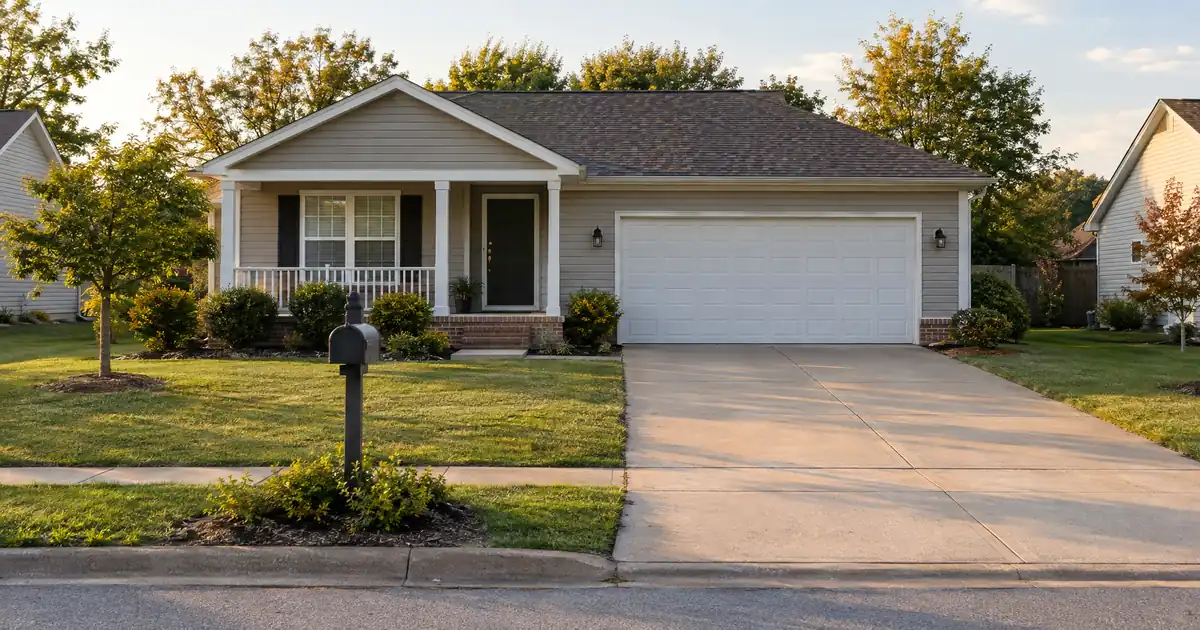
The Quick Read: Yes, but only on a narrow slice of loans. The offer comes from the agency’s automated underwriting system, not from a borrower’s request. It tends to show up on a one-unit home with plenty of equity, a clean file and a prior appraisal on record. Many cash-out loans still need a full appraisal.
Why Do Lenders Order Appraisals on Cash-Out Loans?
A cash-out refinance pays off your current mortgage and hands you the extra equity as cash. The lender is lending against the home’s value, so it wants proof that the value is real. That is why the default is a full appraisal.
Cash-out refinance estimate
The starting figures are an example value with a balance and a cash request in proportion. Replace them with yours.
Editable benchmark: 7.40% as of October 15, 2026 · Freddie Mac 30-year average via FRED®. A conventional market reference, not a cash-out refinance quote.
Illustrative starting assumptions: a $350,000 home value, a $193,000 current balance, the agency cap on a one-unit principal residence, a thirty-year term at the current Freddie Mac benchmark, and property taxes and insurance estimated at typical national rates. Every field is editable.
Illustrative estimate only — not a Loan Estimate, approval, quote, or commitment to lend. The rate field carries the weekly Freddie Mac thirty-year conventional benchmark, a market reference and not a cash-out refinance quote; a cash-out loan is priced by the lender at lock. The cash available is the loan the program cap allows less the balances paid off, before closing costs, which are not included. The HELOC line is the program’s combined loan-to-value ceiling applied to the same value and balance. Taxes and insurance are editable estimates. Licensed in sixteen states for consumer mortgages.
The leverage ceiling makes the stakes concrete. On a one-unit principal residence, the standard conventional cash-out tops out at 80% loan-to-value (LTV). LTV is the loan balance divided by the home’s value. On a two- to four-unit principal residence, a second home or an investment property, the standard ceiling is 75%. Those are the figures the wholesale programs Lendmire places files with work within. They also match the Fannie Mae Eligibility Matrix.
Because value sets the loan amount, a wrong number changes how much cash you can take. An appraiser’s report gives the lender a checked number. A waiver replaces that report with a model’s confidence in your estimate.
Cash-out is also treated more cautiously than a rate-and-term refinance. In a rate-and-term deal, the new loan pays off the old one and closing costs, with only incidental cash back. Nothing new comes out of the equity. In a cash-out, your equity shrinks, and the lender’s cushion shrinks with it.
How Does the Exception Actually Work?
The exception works in order: the lender runs the loan through automated underwriting, the system issues or withholds an offer, and the lender decides whether to use it. You cannot trigger it. Here is the flow on a typical file.
1. Underwriting runs first. The lender submits your loan to Fannie Mae’s Desktop Underwriter or Freddie Mac’s Loan Product Advisor. This happens before anyone orders an appraisal.
2. You or the lender supply an estimate of value. On a refinance, the value entered is an estimate. It is not an appraised number. Lenders need written procedures that bar nudging that estimate just to get a waiver.
3. The system checks its data. Fannie’s offers draw on its database of past appraisals plus its own analytics. Generally, a prior appraisal of your property has to exist in that database.
4. An offer appears or it does not. If the system finds the loan eligible and the risk acceptable, it returns the offer. If not, the message says an appraisal is required.
5. The lender chooses. The lender can use the offer or order an appraisal anyway. A lender with a reason to doubt the value can decline the offer.
6. The offer has to survive to the end. Fannie lets a lender use the offer only if it exists on the final submission. If a later change to the loan removes it, the file goes back to needing an appraisal.
A practitioner’s note: files change between application and closing. A different loan amount, a changed property type or a different borrower can all alter what the system says. A borrower who expects a waiver should treat it as likely, not settled, until the final run.
Fannie’s cash-out rules also stay in force. The usual seasoning, reserve and ratio rules still apply. On the wholesale programs Lendmire works with, that means the loan being paid off must be at least 12 months old, counted note date to note date. You must also have been on title for six months, with exceptions for delayed financing, inheritance and legal awards.
What Do “Waiver,” “Value Acceptance” and the Other Terms Mean?
These terms overlap, and lenders still use the old ones. The definitions below keep them straight.
Key Terms Defined
- Appraisal waiver: The older, everyday name for skipping the appraisal. Fannie Mae has dropped the phrase from its guide. Freddie Mac is making the same change in its system messages. Your loan officer may still say it.
- Value acceptance: Fannie Mae’s current term. The automated system accepts the stated value without an appraisal.
- Value acceptance + property data: Fannie’s second path. A trained third party visits the home and collects data, which is sent to Fannie before the note date. No appraisal is delivered.
- ACE+ PDR: Freddie Mac’s path for cash-out refinances. A property data report (PDR) replaces the appraisal. A trained data collector gathers the facts at the home.
- Automated valuation model (AVM): A computer estimate of value built from records and sales data. It is not an appraisal and is not the same as an agency offer.
- Loan-to-value (LTV): The loan balance divided by the home’s value. Higher LTV means less equity left in the home.
Fannie Mae vs. Freddie Mac on Cash-Out
The two agencies handle cash-out differently, and the difference is real. Freddie Mac stopped offering its pure waiver on cash-out refinances a few years ago. Its path for cash-out is ACE+ PDR, which includes a data-collection visit. Fannie Mae can issue value acceptance on a cash-out with no inspection, and it has a second variant with a data visit.
| Factor | Fannie Mae | Freddie Mac |
|---|---|---|
| Cash-out path | Value acceptance | ACE+ PDR |
| Someone visits the home | Not on the base path | Yes, data collection |
| Appraisal delivered | No | No |
| Leverage vs. standard | Capped below standard | Capped below standard |
| Offer source | Underwriting system | Underwriting system |
Both agencies cap the waiver tier at a lower leverage than the standard cash-out. A borrower who wants to pull out the standard 80% on a one-unit home should expect an appraisal. The same goes for the wholesale lane that reaches 89.99% LTV with no mortgage insurance, which needs a 680 score and a 50% ratio. Those higher-leverage products sit above where the waiver tiers stop. These specifics are subject to lender guidelines and a full review of property, leverage, and credit.
Second homes get lower caps at both agencies. Investment property is capped lower still. Occupancy decides the leverage, and the waiver ceiling shrinks along with it.
What Makes a File Eligible, and What Kills the Offer?
The offer is more likely on a simple, low-leverage, one-unit file. It disappears on anything unusual. The Fannie Mae Value Acceptance program page lists the exclusions. It names two- to four-unit properties, construction loans, renovation loans, Texas 50(a)(6) home equity loans and leaseholds. It also excludes loans where the system does not return an Approve/Eligible finding and transactions at a value of $1,000,000 or more.
The property-data variant adds exclusions of its own. Per Fannie Mae Selling Guide B4-1.4-11, gifts of equity and manually underwritten loans are out. So are community land trust properties and Affordable LTV loans.
Use this checklist before you count on a waiver.
- Property type: A one-unit home, condos included at Fannie. Not a two- to four-unit.
- Occupancy: Your principal residence gets the highest ceiling.
- Leverage: Modest cash-out, not a stretch to the program maximum.
- Underwriting finding: The system has to return an acceptable result. A weak credit or ratio profile can end the conversation.
- Prior appraisal: The system generally needs one on record for your property.
- Loan type: No renovation or construction component.
- Condition: Freddie accepts minor issues such as cracked windows. Active roof leaks or a damaged foundation call for a PDR or an appraisal.
- State: In Texas, a cash-out on a homestead falls under the state’s own rules. The wholesale 89.99% lane is not written there.
Two interactions catch borrowers off guard. First, if another lender already ordered an appraisal on your home, the file is already on the appraisal path. Second, if part of your income depends on an appraisal-based figure, such as rent from an accessory unit, the loan may not fit the waiver structure. Fannie’s value acceptance also excludes loans that use subject-property rental income to qualify.
Credit score and big assets do not buy an offer by themselves. The offer rests on data and analytics. No single factor guarantees it.
Rules here are in flux. Federal housing regulators have broadened appraisal alternatives, mostly on purchase loans, and industry groups have pushed for more. Confirm current eligibility with your loan officer before you plan around it.
Worked Scenarios: Who Gets an Offer and Who Does Not
Run through four borrowers. None of these is a promise. Each one shows how the logic tends to play out.
Modest cash on a paid-up one-unit home. Picture a homeowner with a one-unit primary residence and a low balance. They want cash for a roof and a kitchen. The new loan sits well under the standard 80% LTV. A prior appraisal exists from a purchase years ago. This is the file most likely to see an offer, and the lender may use it. Terms depend on the lender’s guidelines, the property type, the leverage, and a full review of the credit profile.
The paid-off home. Say you own your house free and clear and want a loan against it. That counts as cash-out, not a purchase or a rate-and-term deal. The same rules apply: the home type, the leverage and the underwriting finding decide. A paid-off home has plenty of equity, which helps leverage. It does not erase the need for the system to find a prior appraisal.
The stretch to the program maximum. Consider a borrower who wants every dollar the program allows, near 80% on a one-unit home. The waiver tier ends below that. This file needs an appraisal, and the borrower should plan for it. The wholesale lane up to 89.99% LTV is in the same position. The exact numbers vary by lender and program and follow a full review of property, leverage, and credit.
The duplex. Say you live in one side of a two-unit and want cash out. Two- to four-unit properties are excluded from Fannie’s value acceptance. The standard cash-out on that property type is 75% LTV, and the file goes to an appraiser. Final terms depend on the lender’s guidelines, the property type, and the borrower’s complete credit picture.
In Lendmire’s experience brokering these files, the pattern is consistent. The simpler the loan and the lower the leverage, the better the odds. The moment a file has a wrinkle, the appraisal comes back.
What Does Not Change Without an Appraisal?
Skipping the appraisal removes one document. It does not remove the underwriting. Your income, employment, credit and assets are still verified. Pricing and available terms vary by lender, borrower profile, property type, and full underwriting review. Seasoning and title review stay in place.
Mortgage insurance follows the program, not the appraisal. Conventional loans above 80% LTV generally carry it, and it cancels at 80% on request and ends automatically at 78%. The one wholesale cash-out lane that reaches 89.99% LTV is built to run without it, which is why that lane has its own score and ratio requirements.
A waiver also does not mean “no value check.” Fannie’s offers rest on its appraisal database and models. Freddie’s ACE+ PDR adds an on-site data collection. The value is still tested, just by other means.
Lender liability shifts as well. When the lender uses an offer, Fannie relieves it of certain warranties about the property’s value, marketability and condition. Fannie still requires the lender to stand behind the other data it submits. You get no extra protection from that. It explains why lenders like the tool.
How Does Cash-Out Compare With the Other Refinance Paths?
The appraisal question changes with the type of refinance. This table sets the common paths side by side.
| Refinance type | Typical leverage | Appraisal outlook | Cash back |
|---|---|---|---|
| Conventional rate-and-term | 95% LTV, one-unit primary | Waiver more common | Incidental only |
| Conventional cash-out | 80% LTV, one-unit primary | Waiver narrow | Yes |
| FHA Streamline | Existing FHA loan | No appraisal | No |
| VA IRRRL | Existing VA loan | No VA appraisal | No |
The government streamlines skip the appraisal by design, but they allow no cash back. They also require an existing FHA or VA loan and a net tangible benefit. A streamline does not solve a cash-out problem. If you need cash, you are on the conventional or a cash-out government path, and an appraisal is the default there.
What Does a Waiver Save You?
A waiver can reduce the valuation fee, and Freddie Mac says ACE+ PDR can save borrowers money compared with an appraisal report. That is the agency’s own characterization, not a quote for your loan. Your Loan Estimate shows what applies to you.
Weigh that against the tradeoff. The waiver tier limits how much equity you can take. A borrower who needs more cash may be better off with an appraisal at the higher standard ceiling. A borrower who believes the home is worth more than a model thinks may also want one. The value in a waiver is an estimate. If the system disagrees with it, the offer may not appear.
A cash-out also resets the balance and the payment. Compare the Loan Estimate line by line before you decide. This article gives no payment examples, because they depend on the file.
What Rights Do You Have if Someone Develops a Valuation?
A short rules note belongs here. Under the federal equal credit rules, a lender must tell you in writing that you can get copies of appraisals and other written valuations. The CFPB’s coverage factsheet explains the notice. A written valuation can be an appraisal, an AVM report or a broker price opinion.
This gives you copies of whatever the lender actually develops. It does not force the lender to order an appraisal.
How Should You Plan, and What Should You Ask?
Plan for an appraisal, and treat a waiver as a bonus. That way you are never surprised at the end of the file.
Ask these questions early:
- Will you run my loan through automated underwriting before ordering anything?
- If an offer appears, will you use it?
- What leverage is the waiver tier on my property type and occupancy?
- What happens to my file if the offer disappears at the final run?
- If a data collection visit is needed, who schedules it and what does it cover?
Do not order an appraisal on your own before you talk to the lender. If you shop around, remember that a valuation already ordered by one lender can close the door on an offer with another. Lendmire’s piece Does a Conventional Cash-Out Refinance Always Require a Full Appraisal? covers the default path in more detail. For owners already past the appraisal stage, there is a separate piece Conventional Cash-Out Refinance for Owners Past the Appraisal Stage.
Looking at program choices? Lendmire’s cash-out refinance programs page lays out how the conventional options reach your equity. Subject to lender guidelines and full file review, the figures above are the ones the wholesale programs work within.
Frequently Asked Questions
Can I ask my lender for an appraisal waiver?
You can ask, but you cannot order one. The offer comes from the automated underwriting system on your specific loan, and the lender decides whether to use it. A good question is whether your file looks like one the system might accept.
Does a waiver mean nobody checks the home’s value?
No. Fannie Mae’s offers rest on its appraisal database and models. Freddie Mac’s cash-out path, ACE+ PDR, sends a trained data collector to the home. The check is different, but it still happens.
Why would a lender order an appraisal even if an offer exists?
The lender can always choose an appraisal. It may do so if it doubts the value, sees a condition issue or simply prefers a verified number. The offer is a permission, not an obligation.
Does a paid-off home change the answer?
A paid-off home that you borrow against is still a cash-out refinance. The same property, leverage and underwriting rules apply. Lots of equity helps leverage, but the system still needs enough data to make an offer.
Do FHA and VA cash-out loans work the same way?
No. The waiver is a conventional tool. FHA and VA have their own appraisal rules, and their streamlines skip the appraisal only because they allow no cash back. Ask your loan officer about the specific government program.
If you are weighing a cash-out refinance against keeping the loan you have, Lendmire can help you compare the programs and the equity each one reaches on the home you live in.
For your own numbers, request a home loan scenario review with Lendmire. It is not a commitment to lend.
About Lendmire
Lendmire, NMLS# 2371349, is a mortgage brokerage with consumer lending licenses in 16 states. FHA, VA, conventional and jumbo purchase and refinance loans are arranged through wholesale lending partners, and each application is reviewed individually by the lender. Scotsman Guide named Lendmire a Top Mortgage Workplace in both 2025 and 2026.
For the program’s current guidelines, see conventional loan programs.
Get Started
Ready to find the right loan for you?
In about 30 seconds you can review financing options available for your home or investment property. No commitment required.
Informational only. Not a Loan Estimate, approval, or commitment to lend. Program availability and eligibility are subject to lender guidelines, credit approval, property review, and underwriting.
References
1. Fannie Mae Eligibility Matrix
2. Fannie Mae Value Acceptance program page
3. Fannie Mae Selling Guide B4-1.4-11, Value Acceptance + Property Data
5. CFPB ECOA valuations coverage factsheet
This article is part of Lendmire’s cash-out refinance program — full qualification details, guidelines, and scenarios live on the program page.
Related reading: Can You Get a Conventional Cash-Out Refinance With Little Equity? · Is a Conventional Cash-Out Refinance a New Mortgage? · Should You Use a Conventional Cash-Out Refinance to Fund a Renovation?
Brandon Miller
Founder & CEO, Mortgage Loan Originator, Lendmire LLC
- Mortgage Loan Originator · NMLS# 1129696 · Verify on NMLS Consumer Access
- North Carolina Real Estate Broker · License# 343312 · Verify on NCREC
- North Carolina Insurance Producer · License# 19053198 · Property, Casualty, Life, Health · Verify on NAIC SBS
- Lendmire LLC · Firm NMLS# 2371349 · Verify firm licensure
Important disclosures. Lendmire (NMLS# 2371349) is a licensed mortgage brokerage. Lendmire is not a direct lender, depository institution, or financial advisor. All loan inquiries are subject to lender underwriting; this article does not constitute a commitment to lend. Rates, terms, and program guidelines are subject to change without notice and vary by borrower profile, property type, and state. Information in this article is general in nature and is not financial, legal, or tax advice. Equal Housing Opportunity. NMLS Consumer Access: nmlsconsumeraccess.org.