
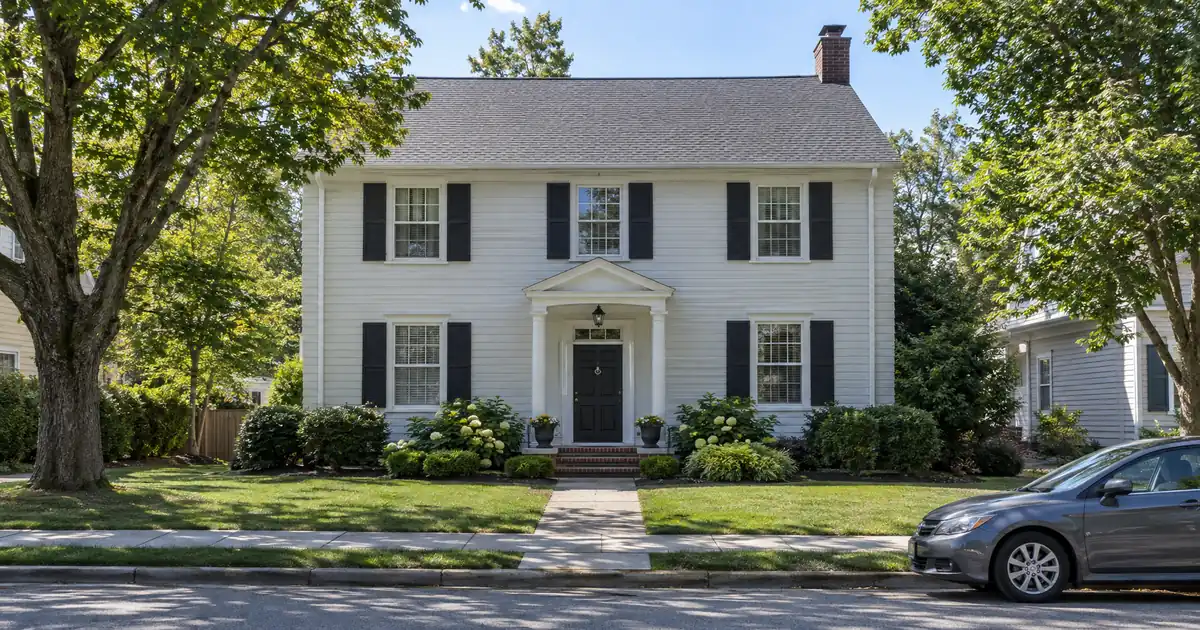
The Quick Read: A self-employed landlord can often pull equity from a rental by having the file reviewed on the property’s rent against the new payment, rather than on tax-return income that write-offs have shrunk, subject to lender guidelines. The loan is still sized by appraised value, credit, and reserves. Bank statement loans are the second path, and this article covers both.
- Rent-based review ignores net income after write-offs, but it does not skip the appraisal, credit, reserves, or title.
- Investment-property cash-out typically tops out around 75% LTV through select lenders in Lendmire’s wholesale network.
- A larger draw means a larger payment, so coverage falls as cash rises.
- Passing the coverage test does not mean the property earns a profit after vacancy and repairs.
- Bank statement documentation is the other path, and it can fit mixed or thin-rent files.
Lendmire is a broker. It arranges these loans through select lenders, and each file is reviewed individually. This is not a commitment to lend.
DSCR Cash-Out Calculator
Run the cash-out numbers in your market
Rate source: Freddie Mac 30-yr average via FRED® — Federal Reserve Bank of St. Louis · effective Oct 15, 2026
Prefilled with starting assumptions — enter your property’s value, balance, taxes, and insurance for a more accurate picture.
Program parameters update from Lendmire’s centralized guideline source. Taxes and insurance are editable estimates.
As of Oct 15, 2026 · General Freddie Mac market benchmark, not a Lendmire loan offer. Property value, balance, taxes, and insurance are editable estimates. Maximum loan-to-value varies by lender, program, property type, and seasoning. Not a Loan Estimate, approval, or commitment to lend. Program availability and eligibility are subject to lender guidelines, credit approval, property review, and underwriting.
Why Tax Returns Fail Self-Employed Landlords
Traditional personal-income documentation reports income after deductions. Depreciation, vehicle costs, home office, and business expenses all lower the number. That is legal and smart. It also makes a profitable owner look thin to a lender that divides income into debts.
A conventional cash-out reads that net figure. The owner with a strong business and a paid-down rental gets a decline or a small loan. The equity is real. The paperwork says otherwise.
A rent-based file moves the question to the property. Does the rent cover the full monthly obligation on the new loan? Heavy write-offs do not enter that test. The complete DSCR loans guide walks through the basics, and this article stays on the cash-out mechanics. It covers the rent-based path first and the bank statement path as the alternative.
How Does Qualifying on Rent Work?
The test is simple on paper. Monthly rent is the numerator. The full housing payment on the new loan is the denominator: principal, interest, taxes, insurance, and any HOA dues. The result is the coverage ratio.
Most standard programs are built around a 1.00x benchmark, because rent covers the payment at that level. Select lenders in the network will review below 1.00x, but leverage and terms adjust when they do. Stronger coverage generally earns better terms.
The steps run in this order.
1. Confirm the property type. The property must be a non-owner-occupied rental. A long-term rental and a short-term rental both qualify for review, subject to program terms.
2. Order the appraisal with a rent schedule. The appraiser sets value, which drives leverage. For a single-family rental the rent schedule is the 1007 form. For a two-to-four unit property the operating income report is the 1025 form.
3. Establish rent evidence. Programs differ on whether they use the appraiser’s market rent or a signed lease. A vacant or newly leased unit usually leans on market rent.
4. Run the coverage test on the new loan. The test uses the new, larger payment, not the old one. Many files fail here, not on value.
5. Pull credit and verify reserves. Reserves commonly run around 6 months of the housing payment. Loan amounts on these programs typically run from $125,000 to $3,500,000.
6. Check ownership timing. Seasoning is lender policy. It decides whether the loan is sized off appraised value or off cost basis. A recent purchase can run into this rule.
7. Close through title. The new loan pays off the old one. Cash to the borrower is the new loan minus payoff, closing costs, any holdbacks, and any prepayment charge.
Two tests run side by side. Equity limits the loan through LTV. Rent limits the loan through coverage. Whichever is tighter sets the cash.
Worked Example: Coverage Falls as the Draw Grows
Run the numbers on a single-family rental. These inputs are modeled assumptions, not market data. Assume the rent and the loan terms stay fixed, and only the size of the loan changes.
| Draw level | Leverage (investment cash-out) | Modeled coverage |
|---|---|---|
| Modest | About 60% LTV | Around 1.35x |
| Moderate | About 70% LTV | Around 1.15x |
| Maximum | Up to about 75% LTV | Around 1.05x |
| Beyond limits | Above program cap | Below 1.00x |
Same property. Same rent. The only change is the loan amount. At the top of the leverage range the coverage margin is thin, and a small rent shortfall on the appraisal moves the file under 1.00x.
When coverage lands below 1.00x, the owner has options a lender would review. A smaller draw is one. A sub-1.00 program through a select lender is another, though LTV and terms adjust. Waiting for a lease at a higher rent can also help. Eligibility depends on lender guidelines, credit, reserves, and property review.
Passing the Test Is Not the Same as Cash Flow
The coverage ratio compares rent to the housing payment. It does not subtract vacancy, repairs, management, or turnover costs. A property can clear 1.20x and still run thin once those costs land.
Self-employed owners tend to know this better than most. They run their own books. The sensible habit is to pick a draw size where the property still carries itself after real operating costs, not only where it clears the lender’s test. A larger draw also lowers monthly cash flow, and that tradeoff belongs in the decision.
Which Documentation Path Fits?
The same borrower can use more than one route. The right one depends on the property and on how the income shows up.
| Path | What qualifies the file | Property type | Best fit |
|---|---|---|---|
| Rent-based | Property rent vs. payment | Non-owner-occupied rental | Strong rent, heavy write-offs |
| Bank statements | Documented deposits, 12 months | Primary, second home, investment varies | Strong deposits, thin rent |
| Asset-based | Liquid assets | Primary residence | Large balances, little income |
| Full documentation | Traditional personal-income documentation | Any, per program | Clean returns, no write-off drag |
Bank statement files use 12 months of business or personal statements. Qualifying income comes from deposit averages, and each lender applies its own expense factor. Programs differ, so no single formula applies. Lendmire’s piece How Tax Returns Size a Self-Employed Cash-Out Refinance for a Rental covers where returns still matter.
Across the wholesale network, the rent-based path is the cleaner fit when the rental stands alone. The bank statement path fits when rent is light but the owner’s deposits are strong, or when the cash-out is on an owner-occupied home.
What Still Gets Checked
“Rent-based” does not mean paperless. The file shifts the focus. It does not remove the review.
| Gate | What the lender checks | If it fails |
|---|---|---|
| Value | Appraisal and rent schedule | Reconsideration with better comps |
| Coverage | Rent vs. full payment | Smaller draw or sub-1.00 program |
| Credit | Report and score tier | Lower leverage or pricing change |
| Reserves | Around 6 months, documented | Move funds or reduce the loan |
| Seasoning | Ownership period per lender | Wait, or size off cost basis |
| Entity | Operating documents, if an LLC | Fix documents before submission |
| Title | Liens and vesting | Clear title before the file goes in |
Entity paperwork stalls more files than people expect. Title held in an LLC can be reviewed, subject to lender program eligibility. The operating agreement, the good-standing certificate, and the signing authority need to match what title shows. Mismatched names are a common cause of a kickback.
Reserves documentation is the other quiet gap. Statements need to show the funds are the borrower’s and have sat in the account long enough for the lender. Some programs allow cash-out proceeds to count toward reserves. Others do not.
Where the General Rule Breaks
Several edge cases change the path. Know them before applying.
Mixed use of proceeds. The business-purpose treatment turns on what the money is for. A rental-backed cash-out used mainly for personal debts or personal expenses can be treated as a consumer loan. Doss Law’s business-purpose guide gives the example of a cash-out on a single-family rental used to pay personal income taxes. State the purpose honestly and keep records.
Owner occupancy. DSCR loans are designed for non-owner-occupied investment properties. Because they are business-purpose investor loans, they are reviewed differently from a standard owner-occupied mortgage. If the owner will occupy the property, it becomes an owner-occupied file. Those files are consumer mortgages, and the disclosure rules that come with them apply. Owner-occupied cash-out on a primary residence or second home runs up to 80% LTV with a fixed expense ratio, or 75% with an accountant-prepared ratio, by loan size and credit. Final terms depend on the lender’s guidelines, the property type, and the borrower’s complete credit picture.
Business purpose is not compliance-free. The Federal Register rule text says investment-purpose loans are treated as business-purpose loans. That does not mean no rules apply. Hunton’s legal analysis notes that some states require licensing for lenders on loans secured by residential property, business purpose or not. That is the lender’s job, but it explains why some lenders skip certain states.
Recent purchase or hard-money exit. A refinance that only pays off the old loan and costs is generally rate-and-term. It becomes cash-out when money returns to the borrower. That label sets the leverage cap and the seasoning rule. A bridge loan exit sized off cost basis can leave less cash than the owner expects.
Prepayment structure. Most investor programs carry a prepayment structure in the first few years. A short-hold plan should price that in before the owner commits.
Short-term rentals. Booking income is reviewed differently from long-term rent, and programs vary on which they accept.
What the Decision Looks Like in Practice
Picture a self-employed contractor with a paid-down duplex and large depreciation on the returns. A bank reads the net income and shrinks the loan. On the rent-based path, the question becomes whether the duplex rent covers the new payment at a leverage the lender allows. If it does, the draw is sized by the lower of the LTV limit and the coverage limit.
Now picture a self-employed owner with a single-family rental whose rent is modest but whose business deposits are strong. The bank statement path may carry more cash. The owner trades simplicity for documentation: 12 months of statements and an expense factor applied by the lender.
The decision comes down to three questions.
1. Does the rent cover the new payment at the draw you want?
2. Does the cash you pull out leave the property with enough margin after real costs?
3. What do you plan to do with the money, and does it keep the loan business-purpose?
Operators see the same failure points repeatedly. Owners pencil coverage on the old payment instead of the new one. They assume appraised rent will match the lease. They show up with an LLC whose documents do not match title. A pre-check on those three items saves a file from being reworked.
If the file does not pass, the levers are few and concrete. Take a smaller draw. Wait out seasoning. Produce a stronger lease or a better rent schedule. Add documented reserves.
Tax treatment can depend on how the funds are used and how the property is held; investors should keep clear records and speak with a qualified tax professional before relying on any deduction.
Key Terms Defined
Cash-out refinance: A new, larger loan that pays off the old one and sends the difference to the borrower.
Coverage ratio (DSCR): Monthly rent divided by the full housing payment on the new loan.
Seasoning: The ownership period a lender requires before it will size the loan off appraised value.
Rent schedule: The appraiser’s market-rent estimate for the property, attached to the appraisal.
Business-purpose loan: A loan made primarily for investment or business use, not personal use.
Reserves: Verified liquid funds held after closing, commonly around 6 months of the housing payment.
Frequently Asked Questions
Do I need traditional personal-income documentation to cash out on a rental?
Not on the rent-based path. The file is reviewed on the property’s rent against the new payment, subject to lender guidelines. It still needs an appraisal, credit, reserves, entity documents, and clear title. Full documentation programs do use returns.
How much cash can I take out of an investment property?
Investment-property cash-out typically tops out around 75% LTV on select programs in the network. The actual amount is smaller after payoff, closing costs, holdbacks, and any prepayment charge. Coverage can also limit the loan before LTV does.
Does a bigger cash-out hurt my approval odds?
Yes, in one specific way. A larger loan carries a larger payment, so coverage falls. A draw that clears 1.15x may drop under 1.00x at the top of the leverage range. Sub-1.00 programs exist through select lenders, but LTV and terms adjust.
When is a bank statement loan the better fit?
It fits when deposits are strong and the rent is light, or when the property is a primary residence or second home. Bank statement files use 12 months of statements and a lender expense factor. Investment-purchase leverage on that path varies by lender.
Can I hold the rental in an LLC?
Often, subject to lender program eligibility. The operating documents must match title and signing authority. Mismatches between the entity name and the vesting are a common reason files get returned.
Next Step
The brokerage arranges financing through select lenders, and every file is underwritten individually.
For current guidelines and terms, see Lendmire’s DSCR loan programs page.
About Lendmire
Lendmire, NMLS# 2371349, is a mortgage brokerage focused on investor financing, arranging DSCR loans in 40 states plus Washington, D.C. — 41 markets total. Qualification is based on the property’s income rather than personal income documentation, subject to lender guidelines, making it a fit for LLC-held rentals and scaling portfolios. Scotsman Guide named Lendmire a Top Mortgage Workplace in both 2025 and 2026.
For the mechanics of pulling equity out of a rental property, see Lendmire’s guide to cash-out refinance on an investment property.
Get Started
Ready to find the right loan for you?
In about 30 seconds you can review financing options available for your home or investment property. No commitment required.
Informational only. Not a Loan Estimate, approval, or commitment to lend. Program availability and eligibility are subject to lender guidelines, credit approval, property review, and underwriting.
References
1. Doss Law: Business Purpose Exemption Simplified
2. Federal Register: Ability-to-Repay and Qualified Mortgage Standards final rule
3. Hunton: Beware of “Business Purpose”
This article is part of Lendmire’s bank statement loan program — full qualification details, guidelines, and scenarios live on the program page.
Related reading: Rental Cash-Out Refinance Down Payment for Self-Employed Borrowers · How a Self-Employed Owner Does a Bank Statement Cash-Out Refinance · How to Cash Out a Super Jumbo Rental Using Business Deposits
Brandon Miller
Founder & CEO, Mortgage Loan Originator, Lendmire LLC
- Mortgage Loan Originator · NMLS# 1129696 · Verify on NMLS Consumer Access
- North Carolina Real Estate Broker · License# 343312 · Verify on NCREC
- North Carolina Insurance Producer · License# 19053198 · Property, Casualty, Life, Health · Verify on NAIC SBS
- Lendmire LLC · Firm NMLS# 2371349 · Verify firm licensure
Important disclosures. Lendmire (NMLS# 2371349) is a licensed mortgage brokerage. Lendmire is not a direct lender, depository institution, or financial advisor. All loan inquiries are subject to lender underwriting; this article does not constitute a commitment to lend. Rates, terms, and program guidelines are subject to change without notice and vary by borrower profile, property type, and state. Information in this article is general in nature and is not financial, legal, or tax advice. Equal Housing Opportunity. NMLS Consumer Access: nmlsconsumeraccess.org.