
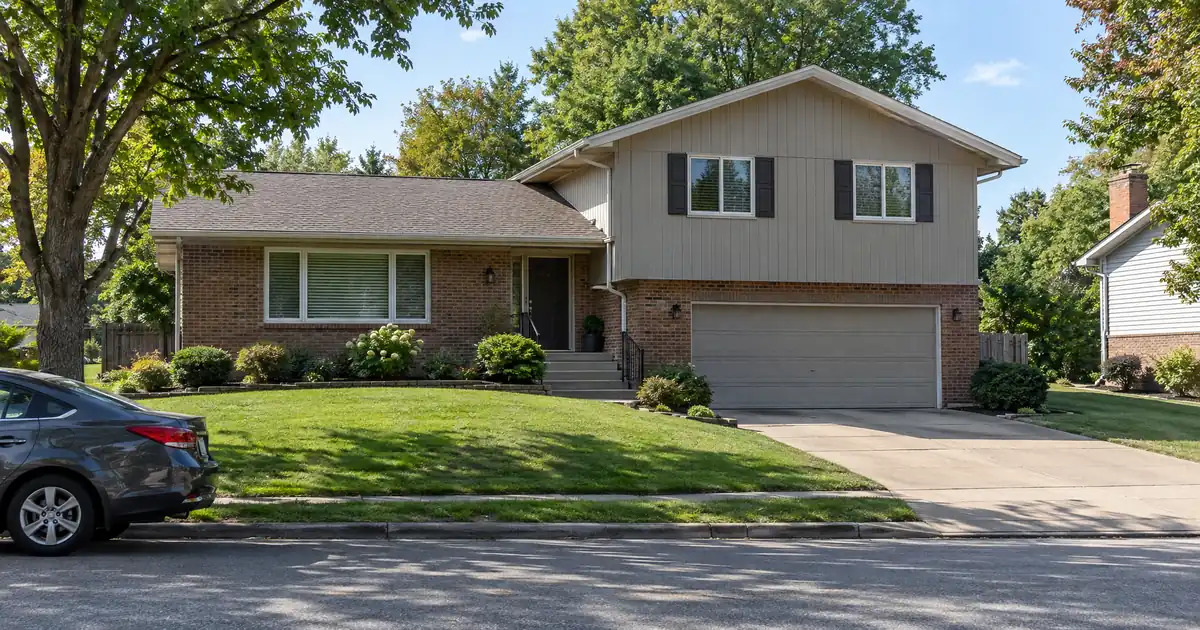
The Quick Read: FHA cash-out and bank statement cash-out both pay off your low first mortgage and replace it with a new, larger loan, so neither one keeps the loan you have. The real difference is who can use each. FHA is for owner-occupants with steady documented income, while bank statement loans are for borrowers whose deposits tell the income story better than their traditional personal-income documentation does.
- Both options retire your existing first mortgage. Only a second-lien product leaves it in place.
- FHA cash-out is limited to a home you own and live in as your principal residence.
- Bank statement cash-out is reviewed on documented income under the applicable program, subject to lender guidelines, and can reach rentals.
- Leverage on an owner-occupied bank statement cash-out tops out at 80% LTV. On an investment property it tops out around 75%.
- If your first mortgage is very low, check whether a second lien fits before you give it up.
Here is the honest answer on who each option is really for. FHA cash-out suits a W-2 or otherwise conventionally documented owner-occupant who has lived in the house for a year and wants one loan with government insurance behind it. Bank statement cash-out suits the self-employed owner, the 1099 earner, or the investor whose taxable income looks thin next to real cash flow. If you fit neither description, the answer may be a different loan altogether.
What Happens to a Low First Mortgage in a Cash-Out?
A cash-out refinance replaces your first mortgage. The old loan is paid off, and one new loan covers the old balance plus the cash you take. That is true under FHA and under bank statement programs.
“Low” can mean two different things, and they change the math differently.
- Low rate: You give up the old terms on the whole balance, not just on the new cash. This is the costly case, and it is the reason many borrowers should look at a second lien first.
- Low balance: Replacing the loan costs less in lost terms, because less money is being repriced. A cash-out can make real sense here, especially when the cash need is large compared with what you owe.
The size of your cash need against your balance matters as much as either one. A small cash need against a big low-rate balance rarely justifies a full replacement. A large need against a small balance often does. Lendmire’s piece Bank Statement HELOC vs Cash-Out Refinance on a Low First Mortgage walks through the keep-it side in more detail.
Side-by-Side
The FHA column shows published industry norms. The bank statement column shows typical parameters from the wholesale network Lendmire places files with. Pricing is not compared here, because it depends on the borrower and the file.
| Factor | FHA cash-out (published norms) | Bank statement cash-out (network) |
|---|---|---|
| Review basis | Borrower’s income under FHA rules | Documented income from deposit averages |
| Documentation | Employment, income, 12-month pay history | 12 months of personal or business statements |
| Property types | Owner-occupied principal residence only | Owner-occupied, second home, or rental |
| Occupancy history | Owned and lived in for 12 months | Follows the occupancy you declare |
| Entity vesting | Individual borrowers | Mostly individuals; varies by program |
| Cash-out LTV | Published at 80% | Up to 80% owner-occupied; about 75% investment |
| Reserves | Extra tests on 3-4 unit homes | Commonly around 6 months |
| Non-occupant co-borrower | Cannot be used to qualify | Depends on the lender program |
When FHA Cash-Out Is the Better Fit
FHA cash-out fits when you live in the home, your income is easy to document, and your credit has some dents. It is a government-insured program, and its rules about who can use it are strict.
Start with occupancy. A third-party reproduction of HUD Handbook 4000.1, the rulebook HUD publishes for FHA lending, says standard cash-out refinances are only permitted on owner-occupied principal residences. The same text requires that at least one borrower owned and lived in the home as a principal residence for the 12 months before the case number is assigned. Move out and rent the house, and you break that test.
Next comes payment history. The lender looks for on-time payments over the last 12 months. A recent late payment on your current mortgage can end the conversation.
Leverage is capped as well. A summary of the FHA handbook puts the maximum cash-out at 80% of appraised value. Older pages still show 85%, so check that the source you read is current. For comparison, a bank statement cash-out on an owner-occupied home also runs up to 80% LTV through the network. These specifics are subject to lender guidelines and a full review of property, leverage, and credit.
Two more points favor FHA in the right situation.
- Free-and-clear homes: An archived HUD reference guide says properties owned free and clear may be refinanced as cash-out transactions. The page is dated, so treat it as background and confirm today’s rule.
- Inherited homes: The handbook text says an heir need not occupy the house for a minimum period, as long as the heir has not treated it as an investment property.
FHA also has limits that surprise people. A non-occupant co-borrower cannot be added to help you qualify, so a parent cannot rescue a thin file. Rental income from an accessory dwelling unit on a one-unit property cannot count as effective income. And the program is closed to rentals entirely.
When Bank Statement Cash-Out Is the Better Fit
Bank statement cash-out is the better fit when your deposits show more income than your traditional personal-income documentation does. Self-employed owners often write off enough expenses that taxable income understates what the business really earns. A bank statement loan lets you qualify on actual cash flow instead.
The mechanics are straightforward. Scotsman Guide, a mortgage trade publication, describes borrowers providing 12 to 24 months of statements, personal, business, or a mix of both. Across the programs the brokerage places files with, 12 months is the typical window. The lender averages your deposits and screens out items that are not income, such as transfers between your own accounts and loan proceeds. On business accounts, it applies an expense factor, and that factor differs from lender to lender.
This is still a documented-income loan. You qualify on documented income under the applicable program, subject to lender guidelines. The lender still checks that you can repay, and it still looks at your debts, credit, and reserves. A bank statement loan changes how income is documented. It does not remove the repayment test.
Here is where the network programs land on leverage:
- Owner-occupied cash-out (primary residence or second home): up to 80% LTV with a fixed expense ratio, or 75% with an accountant-prepared ratio, depending on loan size and credit.
- Investment-property cash-out: tops out around 75% LTV.
- Loan sizes: roughly $125,000 to $3,500,000, with reserves commonly around six months of the housing payment.
- Purchase and rate-term on a primary residence: up to 90% LTV, which is not available on a cash-out.
Most programs in the network are individual-focused, and the strongest files show consistent deposits with little commingling. A few lenders will review entity-titled properties, subject to lender program eligibility. Large one-off deposits, mixed personal and business accounts, and thin months are the usual reasons a file loses usable income.
What If the Property Is a Rental?
For a rental, the answer is simple: FHA cash-out is not an option. Fortune’s investor coverage confirms that FHA and VA loans are not available for cash-out refinances on investment properties.
Bank statement cash-out can work on a rental, with the lower investment-property ceiling noted above. Occupancy decides how the loan is treated. An owner-occupied bank statement file is a consumer mortgage with standard consumer disclosures. A non-owner-occupied rental, including a short-term rental, is a business-purpose loan. Federal rules exempt credit extended primarily for a business purpose, and that includes the consumer-style disclosure regime. The purpose of the funds drives that call, so a rental does not become business-purpose automatically.
Lendmire’s consumer mortgage licensing covers 16 states, so availability for owner-occupied files is narrower than for investor programs. Investors who would rather qualify on the rental’s own income than on deposits can read Lendmire’s complete DSCR loans guide. That is a separate program with its own rules.
Tax treatment can depend on how the funds are used and how the property is held; investors should keep clear records and speak with a qualified tax professional before relying on any deduction.
Key Terms Defined
Cash-out refinance: a new, larger mortgage that pays off your old one and gives you the difference in cash.
LTV (loan-to-value): the loan amount divided by the property’s appraised value, shown as a percentage.
Expense factor: the share of business deposits a lender treats as operating costs when it builds qualifying income from bank statements.
Second lien: a loan placed behind your first mortgage, which leaves the first mortgage in place.
Reserves: liquid savings a lender wants you to hold after closing, usually counted in months of housing payments.
Choose Neither? Check the Second-Lien Route
Sometimes the right answer is to keep the low first mortgage. If your rate is the thing worth protecting and your cash need is modest, a second-lien product leaves the first loan untouched. Whether it fits depends on your equity, your documentation, and the lender’s appetite for that position.
Think about the sequence too. Some borrowers take a second lien now and refinance the whole stack later. Others do one cash-out and live with it. Neither is wrong, but the first is easier to reverse.
The Verdict
Pick FHA cash-out if you live in the home, you have owned it for at least 12 months, your payment history is clean, and your income documents the normal way. Pick bank statement cash-out if you are self-employed or have irregular income, your deposits support the borrowing, or the property is a rental. Pick neither if your low first mortgage is the best asset in the file and a second lien covers what you need.
One thing holds across the board. Replacing a low first mortgage is a permanent trade, so decide whether the cash is worth the loan you are giving up before you decide which program to use. Program details here reflect typical network guidelines and published industry norms. Every file is underwritten individually and nothing here is a commitment to lend.
Frequently Asked Questions
Does a cash-out refinance replace my current first mortgage?
Yes. Under both FHA and bank statement programs, the new loan pays off the old first mortgage in full. Only a second-lien product, such as a home equity loan or HELOC, leaves your first mortgage in place.
Can I use FHA cash-out to pull equity from a rental?
No. FHA cash-out is limited to a principal residence you have owned and lived in for 12 months. A rental owner who wants equity from an investment property would look at bank statement or other investor programs instead, depending on the file.
Can I use bank statements instead of traditional personal-income documentation?
Yes, on a bank statement program. The lender uses 12 months of personal or business statements and averages the deposits, applying an expense factor to business accounts. You still need credit, reserves, an appraisal, and enough documented income to repay, subject to lender guidelines.
What if my low first mortgage has a small balance?
A small balance makes replacement cheaper, because less money is repriced. A cash-out can make sense when your cash need is large compared with what you owe. When the need is small, a second lien is still worth comparing.
What if I am self-employed and have a very low existing mortgage?
Compare a bank statement cash-out against a second-lien option. The cash-out replaces everything, while a second lien protects the low first mortgage. Your deposits, equity, and credit decide which one a lender will review.
Next Step
Whichever way you go, a low first mortgage is an asset with a price tag, and the smartest borrowers price it before they trade it away.
Investors weighing their equity options can start with Lendmire’s guide to cash-out refinance on an investment property.
About Lendmire
Lendmire (NMLS# 2371349), a non-QM mortgage broker serving investors in 41 markets including Washington, D.C., helps structure DSCR scenarios commonly evaluated around a property’s rental income rather than personal income paperwork, subject to lender guidelines. A Scotsman Guide Top Mortgage Workplace in 2025 and 2026, Lendmire places loans through wholesale investor lenders and is not a direct lender.
Get Started
Ready to find the right loan for you?
In about 30 seconds you can review financing options available for your home or investment property. No commitment required.
Informational only. Not a Loan Estimate, approval, or commitment to lend. Program availability and eligibility are subject to lender guidelines, credit approval, property review, and underwriting.
References
1. Third-party reproduction of HUD Handbook 4000.1 text on refinances
2. FedLaws summary of the FHA Single Family Housing Policy Handbook
3. HUD Archives reference guide on cash-out refinances
4. Scotsman Guide, “Don’t Shut the Door on Quality Borrowers”
5. Fortune, investment property cash-out refinance explainer
6. CFPB Regulation Z § 1026.3, exemptions
This article is part of Lendmire’s bank statement loan program — full qualification details, guidelines, and scenarios live on the program page.
Related reading: How to Sequence a Bank Statement Cash-Out and a DSCR Purchase · VA Cash-Out vs Bank Statement Cash-Out With a Low First Mortgage · Should a Self-Employed Homeowner Pick Bank Statement Over FHA Cash-Out?
Brandon Miller
Founder & CEO, Mortgage Loan Originator, Lendmire LLC
- Mortgage Loan Originator · NMLS# 1129696 · Verify on NMLS Consumer Access
- North Carolina Real Estate Broker · License# 343312 · Verify on NCREC
- North Carolina Insurance Producer · License# 19053198 · Property, Casualty, Life, Health · Verify on NAIC SBS
- Lendmire LLC · Firm NMLS# 2371349 · Verify firm licensure
Required disclosures. Lendmire (NMLS# 2371349) operates as a licensed mortgage broker, not a direct lender or depository. The discussion in this article is general in nature and should not be relied upon as financial, legal, or tax advice — every investment scenario is unique and should be reviewed by a qualified professional. Any loan inquiry is subject to lender underwriting, and this article is not a commitment to lend or a guarantee of approval. Mortgage rates, loan terms, and program guidelines vary by borrower, property, and state, and may change without notice. Equal Housing Opportunity. Verify licensure at NMLS Consumer Access.