1099-only Loan Vs DSCR HELOC
Both products get filed under the non-QM umbrella, but they solve different problems.

Both products get filed under the non-QM umbrella, but they solve different problems.
Underwriting looks at what the 1099s actually show, not the net figure left over after business write-offs.
Twenty-four months of statements smooths out a bumpy income year that twelve months alone might penalize.
That’s a fundamentally different product from a DSCR loan, which sizes the loan around the property’s rental income instead of the borrower’s.
Whether the file runs through consumer disclosure rules or business-purpose rules depends entirely on whether the owner lives in one of the units.
Whether the file is treated as a consumer mortgage or a business-purpose loan depends entirely on who is going to live in the house.
It solves a real documentation problem — but it’s a narrower tool than most STR owners expect.
It’s a personal-income program, not a property-cash-flow program.

It’s a consumer mortgage, which matters most when one unit is owner-occupied.

An underwriter averages the deposits, applies an expense factor to strip out business costs, and treats what’s left as qualifying income.

For STR hosts specifically, the mechanics get complicated fast, because what lands in the bank account is rarely the same number as gross booking revenue.
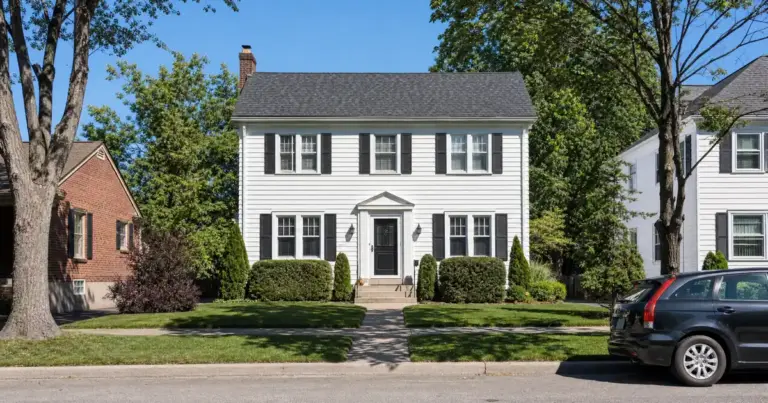
2-4 Unit Bank Statement Loan Complete Guide — A bank statement loan lets you buy or refinance a 2-4 unit property using 12 months of bank
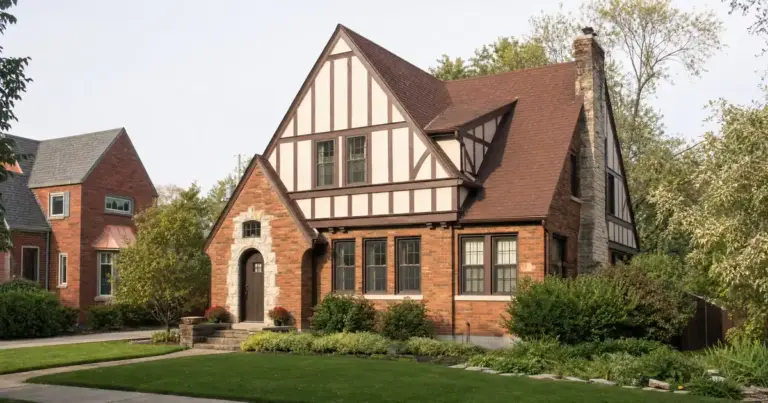
It’s a personal-income product built for the borrower, not the property, which makes it a different tool from a DSCR rental loan.
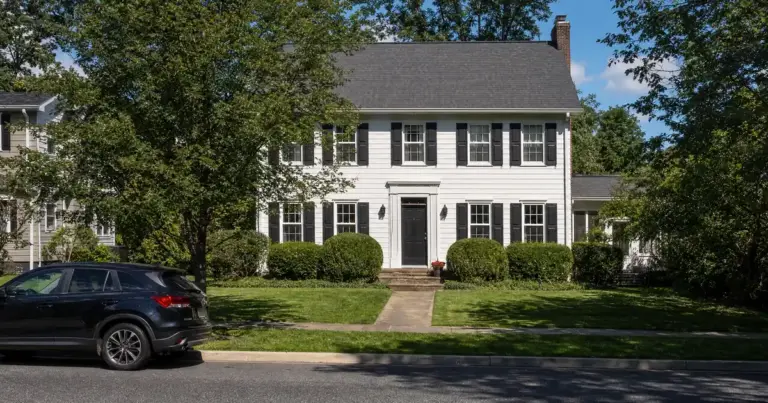
– Income comes from 12-24 months of deposit history, not tax returns — personal accounts and business accounts get calculated differently.