
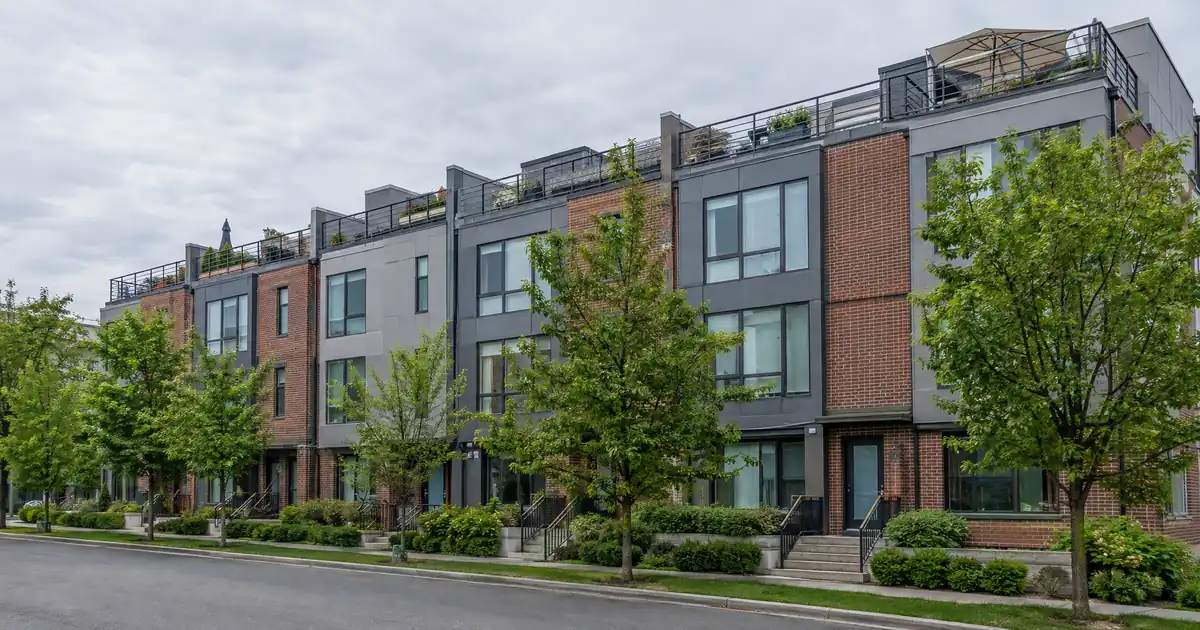
Condo 24-Month Bank Statement Loan Complete Guide — The Quick Read: A condo 24-month bank statement loan lets a self-employed borrower prove income a different way. Instead of pay stubs or tax returns, the lender looks at 24 months of business or personal bank deposits. But that’s only half the file. The condo itself must pass its own separate review: HOA financials, owner-occupancy ratio, litigation history, and reserve funding. Either file can kill the deal on its own — a strong condo doesn’t fix weak income, and strong income doesn’t fix a troubled condo. The 24-month window exists to smooth out an uneven income history. It doesn’t automatically produce a bigger coverage number than a 12-month lookback would. And if the condo comes back “non-warrantable,” that doesn’t disqualify the borrower. It just sends the file to a different kind of underwriting.
Key Takeaways
- Two underwriting tracks run side by side: borrower income (deposits) and condo project review (HOA documents). One weak track sinks the deal, no matter how strong the other one is.
- The 24-month lookback smooths out seasonal or uneven cash flow. It’s not automatically better than a 12-month program.
- A non-warrantable finding sends the loan to non-agency underwriting. It does not make the unit impossible to finance.
- HOA dues, reserve health, and the building’s master insurance policy all feed directly into a condo’s monthly cost. A detached single-family rental doesn’t have this extra layer.
- Leverage on a condo bank statement loan runs lower for an investment purchase than for a primary home. The ceiling also changes by lender.
What Is a Condo 24-Month Bank Statement Loan?
A condo 24-month bank statement loan is a non-QM mortgage. It qualifies a borrower using 24 straight months of bank statements — business, personal, or both — instead of W-2s, pay stubs, or tax returns. This method is then applied to a condo purchase or refinance. Being labeled “non-QM” isn’t a warning sign. It’s just the category this kind of documentation falls into.
What your deposits qualify you for in your market.
Alt-doc programs read 12 months of business or personal bank deposits instead of tax returns. Enter your average monthly deposits and see the income a lender would credit you.
The expense factor is set by the lender from your business type and profit-and-loss statement; it is not a number you choose. This widget quotes no rate and no payment.
Program parameters shown update from Lendmire’s centralized guideline source.
Estimate
Illustrative estimate only — not a quote, Loan Estimate, approval, or commitment to lend. Deposit average, expense factor, and housing ratio are editable assumptions; the expense factor a lender applies is set from your business type and documentation. No interest rate or monthly payment is quoted here. Purchase capacity is a simplified illustration and does not account for taxes, insurance, HOA dues, or other debts. Alt-doc income documentation is available on consumer mortgages in the states where Lendmire is licensed for consumer lending; actual terms vary by lender, borrower, and property.
This is a consumer-purpose mortgage. That means Truth in Lending’s disclosure timeline applies here, just like on any standard purchase loan. A business-purpose DSCR loan skips that framework entirely — this one doesn’t. Across the wholesale network Lendmire places files through, this product is generally reviewed on documented income under the applicable program, subject to lender guidelines. The deposit history takes the place of the tax-return package a conventional lender would normally ask for. Lendmire’s consumer mortgage licensing on this product line currently covers 16 states.
Here’s the real difference with condos: it’s not about how income gets documented. It’s that the property itself has to clear a separate, older review process called condo project review. That process has nothing to do with the borrower’s income. The rest of this guide focuses on that layer.
Key Terms Defined
Non-QM (non-Qualified Mortgage): A mortgage underwritten outside the standard Qualified Mortgage documentation rules. A human reviews it against repayment-ability standards instead of running it through automated agency criteria.
Non-warrantable condo: A condo project that fails one or more agency requirements. It isn’t unfinanceable — it just moves to non-agency underwriting.
Condo questionnaire: A disclosure form the HOA or management company fills out. It covers budget, reserves, delinquency, insurance, and any litigation. This is the main data source for project review.
Expense ratio: The percentage a lender subtracts from business-account deposits to estimate the owner’s actual take-home income, before running the debt calculation.
HO-6 policy: The individual condo owner’s insurance policy. It covers the inside of the unit, fixtures, and personal belongings — separate from the HOA’s master policy on the building itself.
How the Underwriting Actually Works, Step by Step
Two files move at the same time here. Think of them as two separate tracks, not one process.
1. The income file and the project file run side by side from day one. Neither underwriter waits on the other. A clean deposit history won’t help if the condo project fails review. A perfect HOA won’t help if the deposits can’t support the payment.
2. The borrower or broker picks the account type and lookback window. That means personal statements, business statements, or both — over either 12 or 24 months. The Scotsman Guide explains the basic mechanic simply: a lender can approve a file by averaging monthly deposits and applying an expense ratio. In one example the guide gives, that ratio is 50%. This lets the loan close without personal or business income documents.
3. Deposits turn into a usable income number. For business accounts, the underwriter adds up eligible deposits, removes transfers and non-income items, then applies the expense ratio to land on qualifying income. Personal-account deposits are usually treated closer to net income, without the same cut.
4. The condo project gets its own file, built on the appraisal and the questionnaire. Fannie Mae’s Selling Guide says the Individual Condominium Unit Appraisal Report (Form 1073) is the standard form for one-unit condo appraisals, filled out under the UAD specification. Non-QM and DSCR lenders financing condos — even non-warrantable ones — still typically order this same form. It’s the industry-standard way to check single-entity ownership concentration, conversion status, and how much commercial space is in the building. Barnes Walker’s legal glossary sums up the usual review bar: owner-occupancy above 50%, single-entity concentration limits usually between 10% and 20%, and reserve funding usually expected at 10% or more of the budget.
5. If DSCR comes into play, it uses a different data source entirely. Form 1073’s own instructions say the income approach to value is “not required by Fannie Mae.” That means the standard condo appraisal is built around comparable sales, not rental income. A DSCR lender financing that same unit as a rental usually needs a separate rent schedule or lease. It can’t just pull a number off the condo appraisal form.
6. Insurance review closes out the file. A condo’s risk splits between the HOA’s master policy and the owner’s individual coverage. So underwriters confirm both exist and look adequate before the deal moves toward closing. This is a built-in feature of condo ownership. A detached single-family rental doesn’t have it.
The Barnes Walker glossary piece is worth reading in full if a specific project is borderline. It walks through exactly what an appraiser must confirm, line by line.
Why Condos Carry a Second File That Single-Family Rentals Don’t
A detached single-family rental has just one underwriting track to worry about: the borrower’s income and the property’s appraised value. A condo adds a third variable that the borrower can’t control at all — the financial health of the HOA itself. This sits outside the safe harbor built by the Ability-to-Repay/Qualified Mortgage rule under Regulation Z. That’s exactly why deposit-based income methods get manually reviewed against ability-to-repay rules instead of running through automated agency criteria.
Delinquency rates, reserve funding, pending lawsuits, and how much commercial space sits inside the project — all of this gets checked independently of the loan file. A borrower can have great deposit history and clean credit and still get routed to non-warrantable review, or even turned down, because of something happening three floors down in a unit they don’t own. This is exactly why condo bank statement financing works as its own category instead of folding neatly into the broader bank statement product.
Choosing 24 Months Over 12 Months
Neither window is automatically the better choice. It depends on which twelve-month stretch tells the truer story of the borrower’s income.
A 24-month lookback smooths out seasonal swings or a rough recent stretch that would otherwise skew a 12-month average. A self-employed contractor coming off a soft year, but with two solid years behind it, often does better with the longer window. A 12-month lookback works better when the most recent year is genuinely the stronger one — say a business owner just landed a big new client and doesn’t want a weaker prior year pulling the average down.
Here’s the honest truth: the 24-month program is a smoothing tool, not a guaranteed upgrade. It can pull a strong recent year down toward a weaker earlier one just as easily as it rescues a rough one. Investors weighing this choice on a condo should also read Lendmire’s complete guide to the 24-month bank statement loan and its companion piece on the 12-month condo bank statement program before picking a window. The two lookbacks aren’t interchangeable options on the same form.
Where the General Rule Breaks
Non-warrantable doesn’t mean unfinanceable — it means rerouted. A condo that fails the agency’s owner-occupancy, concentration, or litigation rules simply falls to non-agency underwriting. The borrower’s income method — bank statements, W-2s, or DSCR — is a totally separate matter. So a self-employed investor with two clean years of deposits can often still close on a non-warrantable unit. It’s the project file, not the income file, that has to clear.
Condotels and rental-pool buildings are the toughest edge case. These setups act more like hotels than regular residential ownership. That’s exactly the feature that trips agency and FHA-style project standards. Some non-QM lenders won’t touch condotels at all. Others price them as a specialty niche with tighter leverage. There’s no single rule across the market — it comes down to which lender is looking at the file.
Reserve and delinquency thresholds shift depending on which review path a project takes. The same building can pass under one condo-review path and fail under another. That’s because owner-occupancy floors, reserve-funding minimums, and delinquency caps aren’t fixed numbers — they shift together depending on the standard being applied.
Expense-ratio disputes are the biggest lever inside the income track. Whether a lender uses a flat expense ratio or accepts CPA-certified actual expenses can swing qualifying income a lot — for the exact same deposits. This is a documentation choice inside the bank-statement method itself. It has nothing to do with the condo’s warrantability status. And it’s often where a marginal deal gets saved or falls apart.
The category is growing, not shrinking. Polygon Research’s 2025 market analysis found U.S. non-QM origination volume hit $239 billion across 697,605 funded loans. That’s roughly 10% of the mortgage market by dollar volume and 10.2% by loan count. This growth is a big reason non-warrantable and condotel financing now exists at real scale.
Bank Statement Condo Loan vs. Conventional Condo Loan vs. DSCR Condo Loan
| Factor | Bank Statement Condo Loan | Conventional Condo Loan | DSCR Condo Loan |
|---|---|---|---|
| Income docs | 24 months of deposits | Traditional personal-income documentation, W-2s, paystubs | Property rental income |
| Condo eligibility | Warrantable or non-warrantable | Warrantable only (agency review) | Warrantable or non-warrantable |
| Occupancy purpose | Primary, second home, or investment | Primary, second home, or investment | Non-owner-occupied only |
| Regulatory lane | Consumer purpose, TRID applies | Consumer purpose, TRID applies | Business purpose, TRID exempt |
DSCR loans qualify mainly on whether the property’s rent covers the payment, subject to lender guidelines. Lendmire arranges these through its DSCR investor loan programs across 39 states plus Washington, D.C. Some investors title a DSCR-financed condo in an LLC, depending on program guidelines. For a fuller look at how this qualification method works, check Lendmire’s complete DSCR loans guide.
What This Means for an Investor’s Numbers
HOA costs feed directly into the debt math on a condo in a way they never do on a detached rental. HO-6 insurance and master-policy costs sit inside the monthly carrying cost. So a special assessment, a jump in HOA dues, or a higher master-policy deductible shows up right away in the property’s operating expenses — and in its coverage ratio, whether the file is underwritten on bank statements or DSCR. An investor looking at a condo purchase needs the HOA’s current budget and reserve study in hand before locking in numbers, not after closing.
Across files in Lendmire’s wholesale network, one pattern shows up again and again on condo deals: the income side usually clears without much drama once 24 months of deposits come together. The project side is where files get stuck — a missing or outdated condo questionnaire, an association that won’t return calls, or a reserve study that hasn’t been updated in years. Getting HOA paperwork moving at the same time as the deposit analysis, instead of after it, is the one habit that keeps these files from stalling.
On leverage: primary-residence purchase and rate-term files on this product generally reach up to 90% LTV through select lenders, and the strongest files earn the top of that range. An asset-depletion option — qualifying from liquid assets instead of deposits — generally runs up to 80% LTV on a primary residence. Investment-property cash-out on this program typically tops out around 75% LTV. Investment-purchase leverage on bank-statement documentation varies a lot by lender and is best judged case by case. Loan sizes across the program generally run from roughly $125,000 to $3,500,000. Reserves commonly run around six months of the housing payment. All of this is subject to lender guidelines and isn’t a commitment to lend.
Investors buying condos as rentals in 2-4 unit buildings should note the documentation approach shifts slightly by unit count. Lendmire’s guide to the 2-4 unit 24-month bank statement loan covers that variant directly.
Documentation Checklist
- 24 months of business and/or personal bank statements
- Photo identification and credit authorization
- Business license or CPA letter confirming self-employment, where a business account is used
- Completed condo questionnaire from the HOA or management company
- Most recent HOA budget and reserve study
- Master insurance policy declarations page
- Individual HO-6 policy or a bindable quote
- Appraisal ordered on Form 1073
Common Misconceptions, Retired
“A bank statement loan and a DSCR loan are the same thing.” They aren’t. One checks the borrower’s personal income through deposits. The other checks the property’s rental income against its own debt payment, usually without personal income documents. A condo investor can end up on either path — sometimes even gets to choose — but the two methods answer different questions.
“If my credit and income are strong, the condo will automatically qualify.” Condo project review checks owner-occupancy ratios, single-entity concentration, HOA reserve funding, delinquency rates, litigation, and commercial space — none of which the borrower controls. A strong personal file doesn’t fix a condo project that fails these standards.
“Non-warrantable means unfinanceable.” It means the project doesn’t fit the agency box for conventional purchase. It’s a routing decision to non-agency underwriting, not a denial.
“24 months always beats 12 months.” The longer lookback smooths things out — it’s not a guaranteed upgrade. It can pull a strong recent year down toward a weaker prior one just as easily as it rescues an uneven history.
“The condo appraisal gives the lender the rent number for DSCR.” It doesn’t. The standard condo appraisal form’s income approach is specifically not required by Fannie Mae. So any rent figure a DSCR lender needs on a condo usually has to come from somewhere else, not the appraisal itself.
Frequently Asked Questions
Can a non-warrantable condo still get a 24-month bank statement loan?
Often, yes. Non-warrantable status routes the project file to non-agency underwriting instead of disqualifying it. The borrower’s income method and the condo’s warrantability are two separate things. So a strong deposit history doesn’t get wiped out by a project-level issue — though the project still has to pass whatever review the lender uses.
Does choosing 24 months instead of 12 always produce a higher qualifying income?
No. The 24-month window exists to smooth out uneven or seasonal deposits. It can just as easily pull a strong recent year down toward a weaker earlier one. The right window depends on which period truly represents the borrower’s current earnings — not a default preference for the longer one.
Can this loan type be used for a condo investment property, not just a primary residence?
Yes, though leverage generally runs lower than on a primary residence, and investment-purchase leverage on bank-statement documentation varies by lender. Investment-property cash-out on this program typically tops out around 75% LTV, subject to lender guidelines.
What does the HOA actually need to provide?
The condo questionnaire filled out by the HOA or management company, the current operating budget, the most recent reserve study, and the master insurance policy declarations page. These documents let underwriters check the owner-occupancy ratio, reserve health, delinquency rate, and any pending lawsuits.
Are condotels eligible for a condo bank statement loan?
It depends heavily on the individual lender. Condotel and rental-pool structures work more like hotels than regular residential ownership — the same feature that trips agency and FHA-style project standards. Some lenders won’t touch them at all. Others price them as a specialty niche with adjusted leverage.
If you’re weighing a bank statement loan against a DSCR loan on a condo purchase or refinance, Lendmire can help compare structures across its wholesale network based on income documentation, condo project eligibility, leverage, and investor goals. Reach Lendmire’s team at 828-256-2183 or request a quote to walk through a specific file.
Tax treatment can depend on how the funds are used and how the property is held; investors should keep clear records and speak with a qualified tax professional before relying on any deduction.
About Lendmire
Lendmire, NMLS# 2371349, is a mortgage brokerage focused on investor financing. It arranges DSCR loans in 39 states plus Washington, D.C. — 40 markets total. Qualification is based on the property’s income rather than the borrower’s personal income documents, subject to lender guidelines. That makes it a good fit for LLC-held rentals and investors scaling a portfolio. Scotsman Guide named Lendmire a Top Mortgage Workplace in both 2025 and 2026.
Get Started
Ready to find the right loan for you?
In about 30 seconds you can review financing options available for your home or investment property. No commitment required.
Informational only. Not a Loan Estimate, approval, or commitment to lend. Program availability and eligibility are subject to lender guidelines, credit approval, property review, and underwriting.
References
1. Scotsman Guide — These Loans Should Take Center Stage
2. Fannie Mae Selling Guide B4-1.2-01 — Appraisal Report Forms and Exhibits
3. Barnes Walker Legal Glossary — Form 1073
5. Polygon Research — Non-QM Market Data
Brandon Miller
Founder & CEO, Mortgage Loan Originator, Lendmire LLC
- Mortgage Loan Originator · NMLS# 1129696 · Verify on NMLS Consumer Access
- North Carolina Real Estate Broker · License# 343312 · Verify on NCREC
- North Carolina Insurance Producer · License# 19053198 · Property, Casualty, Life, Health · Verify on NAIC SBS
- Lendmire LLC · Firm NMLS# 2371349 · Verify firm licensure
Legal disclosures. Lendmire (NMLS# 2371349) is a state-licensed mortgage brokerage that arranges financing through wholesale lender relationships. Lendmire is not a direct lender, depository institution, or registered financial advisor. The discussion above is general informational content about real estate financing — it is not financial, legal, or tax advice, and readers should consult licensed professionals for guidance on their individual circumstances. Loan inquiries are subject to lender underwriting; this article does not represent a commitment to lend. Loan terms, rates, and qualification standards vary by borrower, property, and state, and are subject to change at any time. Equal Housing Opportunity. NMLS Consumer Access: nmlsconsumeraccess.org.


