
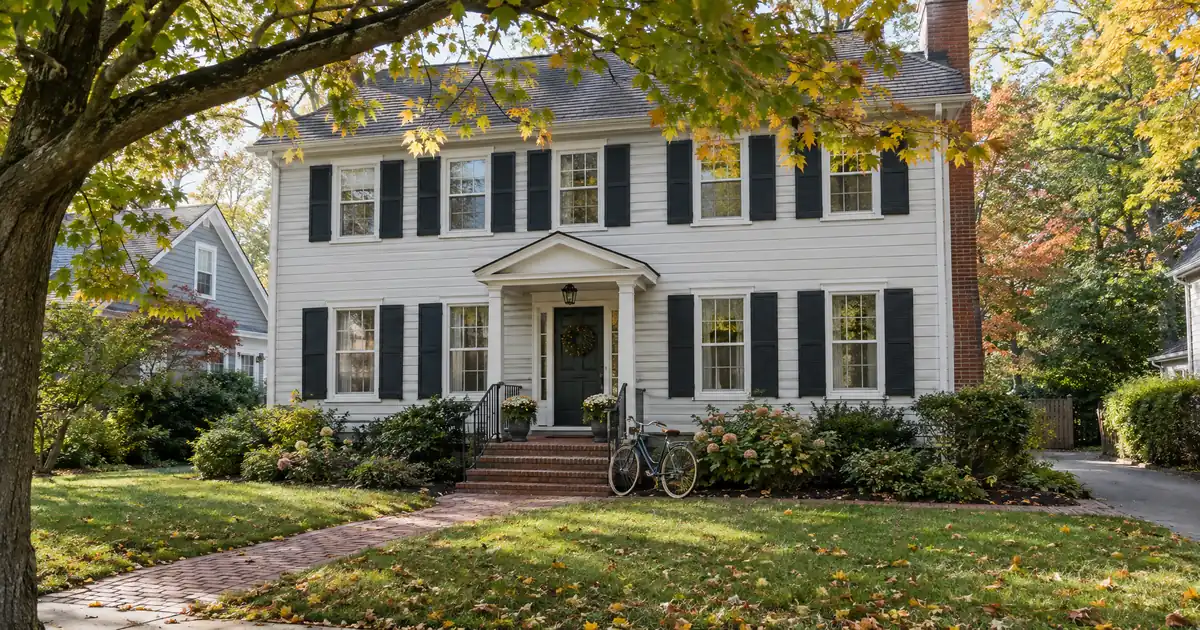
The Quick Read: An appraisal checks two things. It supports what the home is worth, and it confirms the home is sound enough to secure the loan. It is not a home inspection. The appraiser reports what they see, and the lender decides whether any problem must be fixed before closing. Minor wear usually gets priced into value, while safety, soundness or structural defects can stop a loan until they are repaired.
Key Takeaways
- Conventional condition rules are judgment-based. There is no fixed pass/fail checklist.
- The appraiser rates condition on a C1 to C6 scale. The rating plus any safety or structural issue drives the outcome.
- Cosmetic flaws rarely trigger repairs. Active leaks, structural movement and unsafe systems often do.
- You cannot pick or pressure the appraiser, and you cannot request a waiver. The lender’s automated system decides that.
- A condition problem can hit you in two ways: a repair requirement, and a lower value that changes your loan-to-value (LTV).
What Does the Appraiser Actually Check?
The appraiser checks the home’s observable condition and whether it supports the price. They are not looking for every defect. A home inspector does that job, and the two roles are different.
Conventional payment estimate
The starting figures are an example price at the first-time buyer’s minimum down payment. Replace them with yours.
Editable benchmark: 7.32% as of October 22, 2026 · Freddie Mac 30-year average via FRED®. A conventional market reference, not a conventional loan quote.
Estimate seeded at the low end of Fannie Mae’s published range (0.58%–1.86% a year); the insurer prices the actual premium on the score and the leverage. Applies only above 80% loan-to-value.
Illustrative starting assumptions: a $350,000 price, the first-time buyer’s minimum down payment, a thirty-year term at the current Freddie Mac benchmark, mortgage insurance at the low end of Fannie Mae’s published range, and property taxes and insurance estimated at typical national rates. Every field is editable.
Illustrative estimate only — not a Loan Estimate, approval, quote, or commitment to lend. The rate field carries the weekly Freddie Mac thirty-year conventional benchmark, a market reference and not a conventional loan quote; your rate is set by the lender at lock. The mortgage insurance figure is an editable estimate seeded from Fannie Mae’s published typical range, not a premium quote; the insurer prices the actual premium, and the cancellation month assumes scheduled payments with no extra principal and no change in value. Taxes, insurance and dues are editable estimates; closing costs are not included. Conforming loan limits apply by county. Licensed in sixteen states for consumer mortgages.
Why does the lender care? The loan is secured by the house. If the borrower stops paying, the house is what the lender is left holding. Freddie Mac’s Seller/Servicer Guide says the lender must weigh the property as collateral as heavily as it weighs the borrower. It also says an eligible home must be “safe, sound and structurally secure.”
So the appraiser asks three plain questions. Is the home safe to live in? Is it sound, meaning the systems and envelope hold up? Is it structurally secure? Anything outside those three questions is usually a value matter, not an eligibility matter.
Across the conventional loan programs we place files with, this is the split that matters most. Worn carpet changes the number on the report. A failing foundation changes whether the loan can go forward.
How a Conventional Appraisal Works, Step by Step
The process follows the same order on most files. Here is what happens and who does what.
1. You apply. The lender’s automated underwriting system looks at the file and picks a valuation method: a full appraisal, or in some cases a waiver.
2. The lender orders the appraisal. The lender or an appraisal management company picks the appraiser. Neither you nor your broker can choose one. Fannie Mae’s appraiser independence rules require a state-licensed or certified appraiser and bar anyone from pressuring the result. A broker can help with the application but does not order the appraisal.
3. The appraiser visits. They walk the home, rate condition and construction quality, and note anything that affects safety, soundness or structure.
4. The underwriter reviews the report. Minor items get priced into value. Serious items get flagged for repair.
5. Repairs, if needed, are verified. The appraisal can be completed “subject to” the repairs. The lender confirms completion before the loan is sold into the secondary market.
6. You get your copy. The lender must send the report promptly after it is done, at no extra cost, with a short waiting period before closing that you can waive in writing. You pay for the appraisal itself, not for the copy.
Four things decide the outcome: the overall condition rating, whether any defect touches safety or structure, whether repairs can be verified, and whether the as-is value still supports the loan amount.
Condition Ratings, Decoded
The appraiser rates condition from C1 to C6 and construction quality from Q1 to Q6. Under Fannie Mae’s Selling Guide, the rating comes from a holistic view of the whole property, in factual and specific terms. Each home is rated on its own condition, not against the neighbors.
| Rating | Plain-English meaning | Typical lender response |
|---|---|---|
| C1 to C4 | New to normal, lived-in wear | Routine; no repairs |
| C5 | Obvious deferred maintenance | Eligible as is if issues are minor |
| C6 | Severe damage or deferred maintenance | Repairs required first |
Fannie Mae states that C1 through C5 homes are eligible in “as is” condition when the problems are minor, do not affect safety, soundness or structure, and the value opinion reflects them. It defines C6 as damage or deferred maintenance severe enough to affect safety, soundness or structural integrity.
Here is the catch. One C6-level problem can pull the whole home down to C6. A home with a decent kitchen and a failing foundation is a C6 home.
A lower rating does not set the price either. Comparable sales do. The rating tells the lender about risk, and the comps tell the lender about value.
What Raises a Flag and What Doesn’t
Safety, soundness and structure are the filter. Here is how common items usually sort.
| Component | Usually raises a flag | Usually just priced into value |
|---|---|---|
| Foundation | Cracks with settlement or movement | Hairline cosmetic cracks |
| Roof | Active leaks, failed sections | Age with no leaks |
| Moisture | Water seepage, dampness | Old, dry stains |
| Electrical | Inadequate or unsafe service | Dated fixtures |
| Plumbing | Missing or failed fixtures | Small, minor leaks |
| Finishes | Rarely | Worn floors, torn screens, cracked glass |
Fannie Mae’s guide also names infestation, dampness and settlement as items needing special treatment. Dated kitchens, tired paint and worn carpet reduce the value, but they rarely become a required repair.
Honest caveat: lenders layer their own standards on top of agency rules. A borderline item might be waved through at one lender and flagged at another, so ask your loan officer early about anything questionable.
Can a Home Fail a Conventional Appraisal?
Technically, no. An appraisal is not pass/fail. The appraiser reports deficiencies, and the lender decides what happens next. Still, a report can lead to a dead end if a serious problem is never fixed. That is the practical version of “failing.”
The two agencies draw the line in different places, and the difference matters.
| Item | Fannie Mae | Freddie Mac |
|---|---|---|
| Rule | C6 not eligible until repaired to at least C5 | Stricter at the low end; C5 can also need a cure |
| What it means | C1 to C5 can go as is | Ask which agency your loan targets |
Freddie Mac’s guide leans stricter, and lenders commonly describe a C5 as needing a cure on its side. Check the current guide language with your loan officer, because your file will head to one agency or the other.
Separately, a home can pass on condition and still run into a value problem. That is a different path, covered below.
“Subject To” Repairs: What Happens Next
When safety, soundness or structural issues turn up, the appraisal is completed “subject to” the repairs. Think of it as a conditional report.
The sequence looks like this:
1. The report lists the required repairs.
2. The seller, or you through a negotiated deal, arranges the work.
3. The appraiser or another approved party confirms completion, often on a completion form with photos.
4. The lender verifies the work before the loan moves on.
That turns a standard closing into a “repair, reinspect, then close” sequence. The repairs are an out-of-pocket cost, and you and the seller negotiate who pays. Where the work cannot be finished before closing, the options depend on the repair type and the lender’s rules. Ask what your lender allows before you count on it.
Five Quick Scenarios
Here is how typical findings usually play out. Outcomes depend on the report and lender review.
- Old roof, no leaks. Usually reported and priced into value. Not normally a required repair.
- Active roof leak. Usually a required repair, with the report completed subject to the fix.
- Peeling paint. Usually cosmetic. Typically a value comment, unless it points to a deeper issue like moisture.
- Foundation settlement. Treated as a structural concern. Expect a repair or a specialist’s evaluation.
- Unpermitted addition. Depends on the lender and the appraiser’s read. It can reduce the value credit given for that space, or draw questions about safety and legality.
If you want to see how one of these ends up in a low value, Lendmire’s piece How a Low Appraisal Hits a Conventional Loan on a Home Needing Repairs walks through it.
When Condition Hits Value and Your Loan Amount
Condition feeds the value opinion. If the value comes in below the contract price, the loan is sized on the lower number, so your LTV shifts.
On a purchase, the program ceilings on a one-unit principal residence are 97% LTV (3% down) when at least one borrower is a first-time buyer, and 95% LTV (5% down) otherwise. Those figures are subject to lender guidelines and full file review. If value falls short, you either bring more cash to closing, renegotiate the price, or accept a higher LTV on the loan.
That matters for mortgage insurance. It is required above 80% LTV. You can request cancellation at 80% of the original value, with good payment history, no subordinate liens and no decline in value. The servicer must end it automatically at 78%. A condition-driven shortfall can push you into higher LTV territory, which changes the insurance and the monthly budget. Terms depend on the lender’s guidelines, the property type, the leverage, and a full review of the credit profile.
If this happens, Lendmire’s guide How to Handle a Low Conventional Loan Appraisal on a Home Needing Repairs covers your options. One of them is a reconsideration of value. You can review the report for factual errors and ask your lender to start the process. Fannie Mae’s reconsideration of value requirements say the lender, not the appraiser, decides whether to accept the conclusions. The appraiser updates the report to fix errors and comments on any changes. A lender cannot simply order a second appraisal because it dislikes the number.
Appraisal Waivers: When Nobody Walks the House
Some loans skip the appraisal. Fannie Mae’s property valuation options include a traditional appraisal, value acceptance (a waiver), value acceptance with property data, and a hybrid appraisal.
A waiver is an automated outcome of the underwriting system. You and your broker cannot request one, and strong credit does not earn one. A waiver also does not mean the home was inspected or cleared on condition. It only means the appraisal was removed. With property data, an independent collector visits the home and records what they see. That visit is not an appraisal.
Other Loan Types and Property Edge Cases
Conventional condition rules are a judgment call. Government-backed loans work from fixed minimum property standards. The VA, for example, applies its own standards, which differ from conventional ones.
| Loan type | How condition is judged |
|---|---|
| Conventional | Appraiser rates; lender decides |
| FHA | Fixed minimum property standards |
| VA | Its own minimum property requirements |
That does not make conventional easier. The method differs, not the seriousness. A home can clear conventional and still be hard to place with a government program, and the reverse happens too.
On property type, Freddie Mac requires a primarily residential property. Bed-and-breakfasts, boarding houses and hotel-type condo or PUD units are excluded. If the home is a second home or rental, occupancy sets the leverage, and the parameters above apply to a principal residence. Condos, manufactured homes and unfinished construction each carry added review, so raise them with your loan officer early.
What to Do If the Appraisal Flags a Problem
You have more options than most buyers think.
- Ask the seller to repair. This is the cleanest fix for a required item.
- Renegotiate the price. Repairs or a lower value can both justify a lower price.
- Order a specialist report. A roofer, structural engineer or pest inspector can confirm how serious the issue is.
- Review the report for errors. If the facts are wrong, start a reconsideration of value through your lender.
- Look at a different program. Some files fit another loan better.
Sellers can help themselves too. A pre-listing inspection and quick fixes to active leaks and safety items can head off a flagged report. Agents can help buyers by reading condition notes early rather than waiting for the report.
Key Terms Defined
Appraisal: An independent opinion of a home’s value, with notes on its condition.
Condition rating (C1 to C6): The appraiser’s score for the home’s overall physical condition. C1 is the best and C6 is the worst.
“Subject to” repairs: A condition on the appraisal. The value holds only if listed repairs are finished and verified.
LTV (loan-to-value): The loan amount as a percentage of the home’s value or price, whichever is lower.
Appraisal waiver: An automated outcome that removes the appraisal. It does not confirm condition.
Reconsideration of value: A process for challenging factual errors in an appraisal through your lender.
Frequently Asked Questions
Is a conventional appraisal the same as a home inspection?
No. The appraiser reports observable condition and supports value. An inspector examines systems in detail on your behalf. Buyers commonly get both, since the appraisal protects the lender and the inspection protects you.
Does peeling paint or a worn floor fail the appraisal?
Usually not. Minor deferred maintenance gets reported and priced into value rather than required as a repair. Paint becomes a concern if it points to moisture, structural trouble or a hazard.
Can I choose the appraiser or ask for a waiver?
No to both. The lender or an appraisal management company orders the appraisal, and independence rules bar pressure on the result. Waivers come from the lender’s automated system, based on the file and property data.
Do I get to see the appraisal?
Yes. The lender must send you a copy promptly after it is done, at no extra cost, and ahead of closing. You can waive the waiting period in writing. You pay for the appraisal, not for the copy.
What if the appraisal comes in low because of condition?
Compare the report against the facts, then consider renegotiating, bringing more cash, or requesting a reconsideration of value. Your LTV and mortgage insurance may change, so ask your loan officer what the revised numbers look like.
Next Step
If you are buying a home and want to see whether a conventional loan fits your file, Lendmire can help you compare the options and what each one asks of the file. Program details are subject to lender guidelines and full file review, and nothing here is a commitment to lend.
For your own numbers, request a scenario review with Lendmire.
About Lendmire
Lendmire (NMLS# 2371349) is a mortgage broker licensed for consumer lending in 16 states. Lendmire arranges FHA, VA, conventional and jumbo purchase and refinance loans through wholesale lenders; every file is underwritten by the lender under the applicable program guidelines. Scotsman Guide named Lendmire a Top Mortgage Workplace in both 2025 and 2026.
Get Started
Ready to find the right loan for you?
In about two minutes you can review financing options available for your home or investment property. No commitment required.
Informational only. Not a Loan Estimate, approval, or commitment to lend. Program availability and eligibility are subject to lender guidelines, credit approval, property review, and underwriting.
References
1. Freddie Mac Seller/Servicer Guide 5601.1
2. Fannie Mae Appraiser Independence Requirements
3. Fannie Mae Selling Guide B4-1.3-06, Property Condition and Quality of Construction
4. Fannie Mae Reconsideration of Value
5. Fannie Mae Value Acceptance and Hybrid Appraisal Options
This article is part of Lendmire’s conventional loan program — full qualification details, guidelines, and scenarios live on the program page.
Related reading: How Much a Small Down Payment Conventional Loan Costs on a Second Home · How to Remove PMI Without Refinancing a Conventional Loan · Second Home Conventional Loan Requirements: Occupancy, Distance, Rentals
Brandon Miller
Founder & CEO, Mortgage Loan Originator, Lendmire LLC
- Mortgage Loan Originator · NMLS# 1129696 · Verify on NMLS Consumer Access
- North Carolina Real Estate Broker · License# 343312 · Verify on NCREC
- North Carolina Insurance Producer · License# 19053198 · Property, Casualty, Life, Health · Verify on NAIC SBS
- Lendmire LLC · Firm NMLS# 2371349 · Verify firm licensure
Compliance and disclosures. Lendmire (NMLS# 2371349) is a licensed mortgage broker and is not a direct lender, depository institution, financial advisor, or tax professional. Content in this article is general market analysis and educational information — not financial, legal, or tax advice for any specific situation. Lendmire does not guarantee loan approval; every transaction is subject to underwriting by the funding lender. Mortgage pricing and loan program guidelines are subject to change at any time without notice and vary by borrower characteristics, property type, and state regulations. Lendmire complies with Equal Housing Opportunity. Licensure verification: NMLS Consumer Access.