
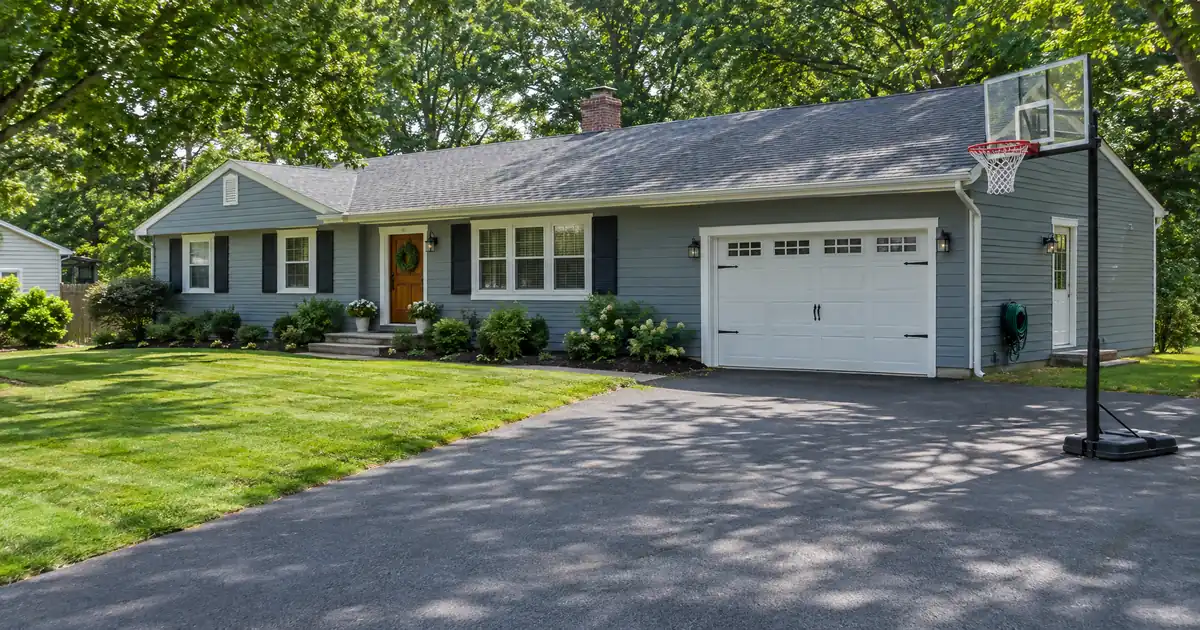
The Quick Read: Reserves are a test at approval, not a locked account after closing. The agency guides define reserves as the assets you still have after the loan closes. They do not describe a step where a lender watches your balance afterward. That makes spending technically possible, but it is not automatically smart. Your real limit is the cash you need to handle a repair, a job gap, or a bad month. The required amount is only the lender’s floor.
This guide walks through what reserves are, how a conventional file counts them, where the rules bend, and how to decide what is safe to spend.
Key Takeaways
- Reserves are what is left after your down payment, closing costs, prepaid items, and any debts paid at closing.
- The required amount depends on the file. It is not a single national number. The automated underwriting findings drive most of it.
- Once the loan funds, the guides reviewed do not describe monitoring of your balance. The practical risk is your own finances, not a lender audit.
- Your personal emergency target is a separate question from the lender’s requirement. Plan for both.
- Before closing, moving money or taking on new debt can change what the lender can verify.
Conventional payment estimate
The starting figures are an example price at the first-time buyer’s minimum down payment. Replace them with yours.
Editable benchmark: 7.32% as of October 22, 2026 · Freddie Mac 30-year average via FRED®. A conventional market reference, not a conventional loan quote.
Estimate seeded at the low end of Fannie Mae’s published range (0.58%–1.86% a year); the insurer prices the actual premium on the score and the leverage. Applies only above 80% loan-to-value.
Illustrative starting assumptions: a $350,000 price, the first-time buyer’s minimum down payment, a thirty-year term at the current Freddie Mac benchmark, mortgage insurance at the low end of Fannie Mae’s published range, and property taxes and insurance estimated at typical national rates. Every field is editable.
Illustrative estimate only — not a Loan Estimate, approval, quote, or commitment to lend. The rate field carries the weekly Freddie Mac thirty-year conventional benchmark, a market reference and not a conventional loan quote; your rate is set by the lender at lock. The mortgage insurance figure is an editable estimate seeded from Fannie Mae’s published typical range, not a premium quote; the insurer prices the actual premium, and the cancellation month assumes scheduled payments with no extra principal and no change in value. Taxes, insurance and dues are editable estimates; closing costs are not included. Conforming loan limits apply by county. Licensed in sixteen states for consumer mortgages.
What Are Reserves on a Conventional Loan?
Reserves are liquid or near-liquid assets you still hold after the mortgage closes. Fannie Mae’s Selling Guide uses that definition. Freddie Mac’s Guide says nearly the same thing. Reserves are your assets remaining after closing, and any funds used to qualify must meet the guide’s eligibility and documentation rules.
Think of it as the lender asking one question: if your income stalls for a stretch, can you keep making the housing payment? Reserves are the answer on paper.
They are measured in months of your housing payment. That means principal, interest, taxes, insurance, and any HOA dues or mortgage insurance. Freddie Mac adds a technical wrinkle. When it counts reserves on the home you are buying, the principal-and-interest piece must be based at least on the note’s interest rate. For other properties you own, the payment used can be no less than your current monthly payment.
Three things get confused with reserves. They are not the same thing:
| Item | What it is | Counts as reserves? |
|---|---|---|
| Down payment | Your cash toward the price | No |
| Closing costs and prepaids | Fees and first escrow deposits | No |
| Escrow account | Servicer’s tax and insurance holding account | No |
| What remains afterward | Your leftover verified assets | Yes |
How Is the Reserve Requirement Decided?
Final terms depend on lender guidelines, property type, leverage, and the borrower’s complete credit picture.
There is no single national reserve number for a conventional purchase. The amount depends on the transaction type, occupancy, the number of units, the number of other financed properties, and the findings from the automated underwriting system. That system is DU for Fannie Mae loans and LPA for Freddie Mac loans.
Across the wholesale programs Lendmire places files with, the pattern is consistent. A clean primary-residence purchase often carries a light reserve ask, or none. The ask climbs when the file has weak spots.
Here is what typically pushes the requirement up:
- A thinner down payment, which means higher leverage
- A higher debt-to-income ratio
- A lower credit score
- Variable or self-employed income
- A second home, or other financed properties you will still own
- A multi-unit home
Here is the envelope those files sit in. On a one-unit primary residence, conventional purchase leverage runs to 97% for a first-time buyer on a fixed rate and 95% otherwise. The wholesale programs start at a 620 decision score. The automated finding governs most files, with a total ratio ceiling of 50%. All of this is subject to lender guidelines and full file review. A file at the edge of that envelope is the file most likely to be asked for reserves.
Neither the CFPB nor the FHFA sets a reserve minimum. The numbers come from the Fannie Mae and Freddie Mac guides, plus any extra rules an individual lender adds. That last piece matters. Two lenders can look at the same borrower and ask for different cushions.
You can see Lendmire’s conventional loan programs page for how the options are arranged. Your loan officer will tell you what your specific file requires.
From Bank Balance to True Reserves: A Walk-Through
Your bank balance is not your reserve number. The lender subtracts what you need to close first. Only the remainder counts.
The order goes like this:
1. Start with your verified liquid assets.
2. Subtract the down payment.
3. Subtract closing costs and prepaid items, including the first escrow deposits.
4. Subtract any debts paid off at closing.
5. What is left is your reserve figure, measured in months of the full housing payment.
Run it two ways in words. Picture a buyer using the 95% option, so the down payment is 5% of the price. The buyer has exactly enough savings to cover that 5%, the closing costs, and a thin leftover. The file may pass. But the leftover is a few weeks of payments, not a cushion.
Now picture a buyer who puts down the same 5% but arrives with a second pool of cash in savings and a vested retirement balance. The leftover covers many months. If the automated findings ask for reserves, this file clears them without strain.
Same loan, same price, very different safety margin. That gap is why the lender’s number and your number are different things.
One more trap. The automated findings do not always capture every required amount. Lenders must verify the funds needed to close regardless of what the system says. If your balance was a little short once everything was added up, the file stalls until it is fixed.
What Counts as Reserves, and What Doesn’t
Most liquid, documented assets count. A few need caveats. This table is a general read. The lender decides on your file.
| Asset | How it is typically treated |
|---|---|
| Checking and savings | Counts, with statements |
| Vested retirement accounts | Counts, only the vested part |
| Stocks, bonds, mutual funds | Counts if value is verifiable; may be discounted |
| Gift funds | Can help with funds to close; limits for reserves |
| Cash-out proceeds | Does not count |
| Escrow account | Does not count |
Retirement money
Fannie Mae accepts vested IRA, SEP, Keogh, and 401(k) funds for the down payment, closing costs, and reserves. Per Fannie Mae’s published guidance, the lender must verify ownership. It must also confirm the account is vested and allows withdrawals regardless of your employment status.
You do not need to cash it out for it to count as reserves. Withdrawal documentation matters when you use retirement money for the down payment or closing costs instead.
Two catches. A partly unvested 401(k) counts only for the vested portion. And the lender subtracts any loan you have taken against the account. The two agencies also treat retirement and investment balances differently. Some may be discounted, so a large portfolio does not always count dollar for dollar.
Gifts and borrowed money
Gifts can help with funds to close. Using them to build reserves has limits, and a gift of equity does not work as reserves. Money from an interested party in the sale does not count either. Rules differ by lender, so ask before you plan around a gift.
Deposits and Paper Trails
Your statements get read line by line. A purchase file turns on this more than most borrowers expect.
Under Fannie Mae’s depository account rules, a large deposit is a single deposit above half of your total monthly qualifying income. It is a share of income, not a fixed dollar amount. A buyer with high income has a higher bar than a buyer with modest income.
The same section covers a few other points:
- When the lender uses a verification of deposit with no account activity shown, it must source the funds in certain cases. One is an account opened within the last 90 days. Another is a balance far above the account’s typical average.
- DU can flag which large deposits need documentation. Following those messages satisfies the large-deposit requirement.
- Payroll, Social Security, tax refunds, and transfers between accounts the lender already verified generally pass without extra paperwork.
On a purchase, an unsourced amount can be subtracted from your verified assets. That can turn a comfortable file into a short one. So keep your money where it is, and keep records of anything that moves.
Can You Spend Reserves After Closing?
Yes, in the sense that nothing in the agency guides describes a lender policing your balance after the loan funds. Both agencies define reserves as assets remaining after closing. The test happens at approval. Nothing in the sources reviewed describes a lock, a freeze, or a check-in.
That is a rule answer. It is not a risk answer.
Reserves exist because people lose income, and houses break. Spending them down does not violate your loan. It does leave you holding the full mortgage with a thin cushion. The lender’s cushion and your emergency fund can be the same dollars, but they serve different masters. One is a test. The other is your plan.
The CFPB’s emergency fund guide defines an emergency fund as cash set aside for unplanned expenses and lists home repairs among the common examples. It also says the right amount depends on your situation, so no single figure applies to everyone.
Two timing flags matter:
- Before closing, spending is risky. Large withdrawals, new debts, and moved money can change what verifies. Keep everything steady until the loan funds.
- Shortly after, plans can change. If you refinance, or you buy another home while keeping this one, the lender will look at your assets again. Spending reserves down early can shrink what verifies on the next file.
Confirm any lender-specific wrinkles with your loan officer and your loan documents.
When Spending Is Safe: A Three-Zone Test
Spending is safe when it leaves you above your own emergency target, not just above the lender’s floor. Use this three-zone read. The tiers are a planning aid, not a lender rule.
| Zone | Where you stand | What it means |
|---|---|---|
| Safe | Above your personal target | Spend on planned needs |
| Caution | Between lender floor and target | Spend only on true needs |
| Avoid | Near or below the lender floor | Hold; rebuild first |
Your personal target should reflect the factors listed below.
- Income stability. Steady salaried pay needs less cushion than commission, seasonal, or self-employed income.
- Household exposure. One income or two, kids or none, other debts.
- Home age and condition. Older systems and older roofs call for a bigger buffer.
A short self-check helps place you:
1. Could your household cover several months of the full housing payment from what is left?
2. Is your income steady enough that a gap is unlikely?
3. Does your home have major systems near the end of their life?
4. Do you plan to refinance or buy another property soon?
5. Is any of your cushion in an account that is hard to reach or unvested?
Mostly yes on the first two and no on the rest points toward the safe zone. The reverse points toward caution.
The First-Year Spending Timeline
First-year costs are lumpy. They arrive in clusters. Sorting them helps you decide what to pay from reserves.
| Expense type | Fits reserves? |
|---|---|
| Moving and utility deposits | Yes, plan for these |
| Appliance or system failure | Yes, this is what reserves are for |
| Planned cosmetic upgrades | Wait, or pay from new savings |
| Large remodel | Wait, or finance separately |
| HOA dues and escrow changes | Budget monthly, not from reserves |
The rule of thumb is simple. Emergencies come out of reserves. Wants come out of next month’s income.
If a repair is urgent and the price is high, you have a choice. Draw on reserves, or borrow. Borrowing keeps your cash intact but adds a payment and a cost. Drawing on cash keeps your debt low but thins your cushion. Neither is right for everyone. A homeowner with steady income and a thick cushion can often draw cash. A homeowner with a thin cushion may prefer to keep cash and finance.
One order-of-spending point. Cash is the easiest to spend. Retirement money often carries taxes and penalties if you pull it early. As a general rule, protect retirement money last.
Where the General Rules Bend
Edge cases come up. Here are the ones that matter most for owner-occupants.
Keeping your old home. If you buy a new primary residence while still owning another financed property, the reserve ask can rise. The number of other financed properties is one of the listed drivers. If a duplex is part of your plan, Lendmire’s piece Conventional Cash-Out Refinance Reserves When You Live in a Duplex covers the multi-unit side.
Occupancy. A second home or investment property carries a heavier ask than a primary residence. Occupancy also changes leverage. Second homes reach 90%, and investment property tops out at 85% on one unit and 75% on two to four. That is the whole detour here, because this guide is about the home you live in.
Manual underwriting. Most files run through the automated system. A manually underwritten loan uses a stricter ratio of 36% or 45% along with reserve and score factors from the eligibility matrix. A third-party summary says a one-unit primary residence under Freddie Mac manual underwriting may need none. Check that with your loan officer before you rely on it.
Cash-out refinances. If you later pull equity out of your home, reserves can come back into play, especially at higher debt ratios. Cash-out proceeds themselves do not count as reserves.
New construction. If you are building, timing affects what your assets look like at closing. Lendmire’s piece Conventional Loans for New Construction Buyers: When to Start covers that sequence.
Mortgage insurance. Above 80% loan-to-value, conventional loans carry mortgage insurance. You can request cancellation at 80% of the original value, with a good payment history, no second liens, and no drop in value. The servicer must end it automatically at 78%. That lowers your monthly cost, which gives you room to rebuild a cushion over time.
Rebuilding After Closing
Most new owners spend down more than they plan to. The good news is that rebuilding is routine.
- Set up an automatic transfer on payday, even a small one.
- Split a tax refund or bonus between the cushion and one other goal.
- Hold off on discretionary upgrades until the cushion is back to your target.
- Check your mortgage insurance. Once you hit 80% of the original value, you may be able to request cancellation.
The aim is not a perfect number. It is steady progress.
Key Terms Defined
Reserves: Liquid or near-liquid assets you still have after the loan closes, usually counted in months of your housing payment.
Cash to close: The total you need at the closing table. That is the down payment, closing costs, prepaid items, and any debts paid off.
PITI: Principal, interest, taxes, and insurance. It is the core of your monthly housing payment, and HOA dues and mortgage insurance may be added.
Seasoning: How long funds have sat in your account. Recent, unexplained deposits may need documentation.
Automated underwriting: The software that issues findings on a file. DU is Fannie Mae’s version and LPA is Freddie Mac’s.
Emergency fund: Your personal cash set aside for surprises. It is your plan, not the lender’s test.
Frequently Asked Questions
Do I have to keep reserves in the bank after I close?
No rule in the agency guides reviewed requires you to keep them. Reserves are measured at approval, as assets remaining after closing. Your lender’s documents and your own finances are what matter after that. Confirm any lender-specific terms with your loan officer.
Can I use my 401(k) for reserves without withdrawing it?
Yes, for reserves, the vested balance can count without being cashed out. The lender needs statements showing the vested amount and the account terms, and it subtracts any loan against the account. Withdrawal paperwork matters when the money funds the down payment or closing costs instead.
Do reserves count as part of my down payment?
No. Reserves are what remains after the down payment and closing costs are covered. Money used to close cannot be counted twice.
Will a big deposit before closing cause problems?
Yes, it can. A single deposit above half of your monthly qualifying income generally needs a documented source. Payroll and verified transfers usually pass without extra paperwork. Unsourced money can be subtracted from verified assets on a purchase.
How many months of reserves do I need?
It depends on the file. The automated findings, occupancy, number of units, and other financed properties set the ask, and some lenders add their own. A clean one-unit primary residence often needs few or none. Your loan officer can tell you the figure for your file.
Next Step
If you are buying a home and want to see whether a conventional loan fits your file, Lendmire can help you compare the options and what each one asks of the file.
The strongest reserve plan for a new homeowner is the one built around the first year of surprises, not just the day of closing.
For your own numbers, request a scenario review with Lendmire.
About Lendmire
Lendmire (NMLS# 2371349) is a mortgage broker licensed for consumer lending in 16 states. Lendmire arranges FHA, VA, conventional and jumbo purchase and refinance loans through wholesale lenders; every file is underwritten by the lender under the applicable program guidelines. Scotsman Guide named Lendmire a Top Mortgage Workplace in both 2025 and 2026.
Get Started
Ready to find the right loan for you?
In about two minutes you can review financing options available for your home or investment property. No commitment required.
Informational only. Not a Loan Estimate, approval, or commitment to lend. Program availability and eligibility are subject to lender guidelines, credit approval, property review, and underwriting.
References
1. Fannie Mae Selling Guide B3-4.1-01, Minimum Reserve Requirements
2. Freddie Mac Guide Section 5501.2, Reserves
3. Fannie Mae Top Trending Selling FAQs
4. Fannie Mae Selling Guide B3-4.2-02, Depository Accounts
5. CFPB, An Essential Guide to Building an Emergency Fund
This article is part of Lendmire’s conventional loan program — full qualification details, guidelines, and scenarios live on the program page.
Related reading: Can You Buy a New Home Before Selling With a Conventional Loan? · How to Switch to a New Conventional Loan Lender During a Home Purchase · How to Finance a Vacation Home With a Conventional Loan
Brandon Miller
Founder & CEO, Mortgage Loan Originator, Lendmire LLC
- Mortgage Loan Originator · NMLS# 1129696 · Verify on NMLS Consumer Access
- North Carolina Real Estate Broker · License# 343312 · Verify on NCREC
- North Carolina Insurance Producer · License# 19053198 · Property, Casualty, Life, Health · Verify on NAIC SBS
- Lendmire LLC · Firm NMLS# 2371349 · Verify firm licensure
Disclosure information. Lendmire is a state-licensed mortgage brokerage under NMLS# 2371349. Lendmire is not a depository institution, direct lender, or financial advisor — all loans referenced are placed through wholesale lender partners and are subject to each lender's underwriting standards. This article is provided for general informational purposes and is not a commitment to lend, nor does it constitute financial, legal, or tax advice. Loan programs, terms, rates, and qualification standards change without notice and depend on borrower profile, property type, and the state in which the subject property is located. Equal Housing Opportunity provider. NMLS Consumer Access: nmlsconsumeraccess.org.