
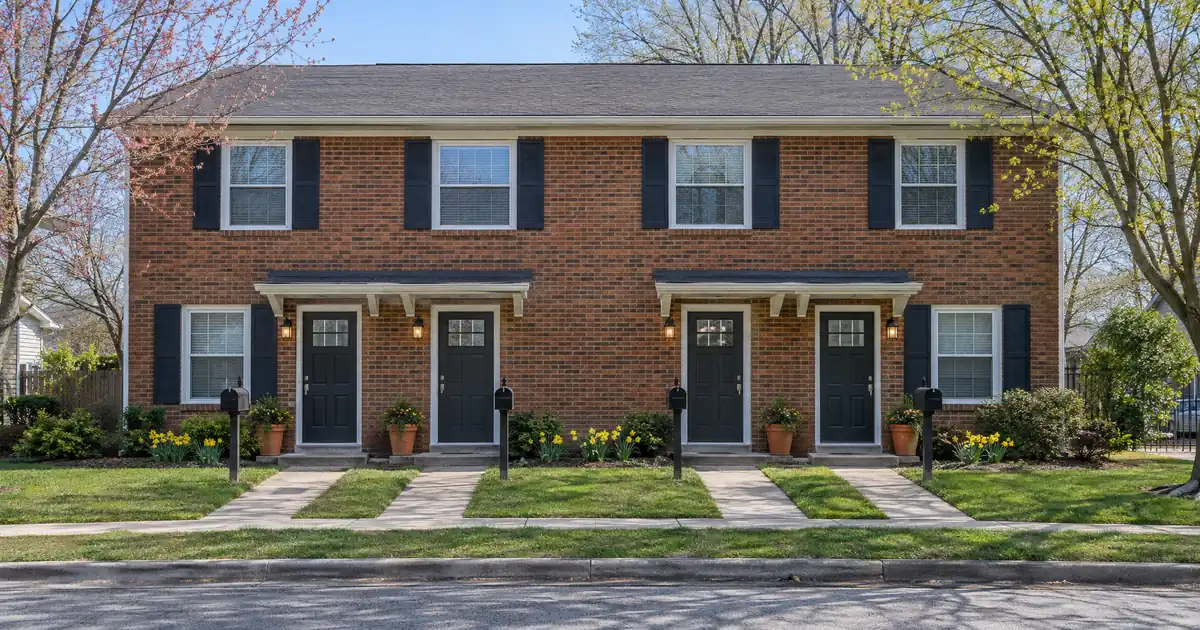
The Quick Read: It depends on the lender, because no national rule says a jumbo must count that rent. Some lenders count part of it, some count it only as an offset to the payment, and some ignore it. Whatever the lender counts must be backed by a lease or an appraiser’s rent estimate. Rent from the unit you live in almost never counts.
What Does “Jumbo” Change About Rental Income?
A jumbo loan is a size category, not an income-documentation standard. It starts one dollar above the county’s conforming limit, the ceiling for loans that the big government-backed programs will buy. That limit changes by county and by unit count. The FHFA’s conforming loan limit announcement lays out how it scales, and a four-unit building gets a much higher limit than a one-unit home. So a buyer of a fourplex may land under the limit and never need a jumbo at all.
Jumbo payment estimate
The starting figures are an example price in the jumbo range with ten percent down on a thirty-year fixed. Replace them with yours.
Editable benchmark: 7.40% as of October 15, 2026 · Freddie Mac 30-year average via FRED®. A conventional market reference, not a jumbo loan quote.
Illustrative starting assumptions: a $1,000,000 price in the jumbo range, ten percent down on the top-leverage lane, a thirty-year fixed structure at the current Freddie Mac conforming benchmark, and property taxes and insurance estimated at typical national rates. Every field is editable.
Illustrative estimate only — not a Loan Estimate, approval, quote, or commitment to lend. The rate field carries the weekly Freddie Mac thirty-year conforming benchmark, a market reference and not a jumbo loan quote; jumbo rates are set by the lender and the lane at lock and differ from the conforming benchmark. An adjustable-rate scenario is shown at the benchmark for the whole term; the rate after the initial period is unknown. Reserve months and appraisal counts follow the lane sheet for the amount band; the automated finding may require more. Taxes, insurance and dues are editable estimates; closing costs are not included. On most lanes the conforming limit for the county decides whether a loan is jumbo at all; two lanes start at a stated dollar floor instead. Licensed in sixteen states for consumer mortgages.
Below that line, written rules exist. Above it, each lender or investor writes its own. That is the whole reason you get a “maybe” instead of a “yes.”
Lendmire is a mortgage broker, and it arranges jumbo loan programs through wholesale lenders. In those files, rent from the other units is one input among several. The wholesale jumbo lanes Lendmire works with run to loans of $5,000,000, with leverage up to 90% on the headline lane and a 660 decision score. Ratio ceilings sit at 50% on the fixed lanes, 45% on the adjustable lane and 43% on the interest-only lanes. Every figure is subject to lender guidelines and full file review, and none of it is a commitment to lend.
Here is the part that matters for you. Those programs set the outer limits. They do not tell you how a given lender treats the rent in the building you want to buy. That answer comes from the specific lane and lender.
How Does the Agency Rule Work, and Why Do Jumbo Lenders Copy It?
Agency loans have a written method for counting other-unit rent, and many jumbo lenders borrow its shape. Freddie Mac and Fannie Mae both count about 75% of gross rent and add it to your qualifying income. The 25% haircut covers vacancy and operating costs.
Freddie Mac’s Guide, Section 5306.1 makes rent from the units you don’t occupy eligible on a 2-4 unit primary residence. On a purchase, it uses 75% of the lease’s gross monthly rent when a lease exists. Otherwise it uses 75% of the market rent from the appraisal. The housing expense is figured without the rent, and the net rent is then added to your stable monthly income.
Fannie Mae works the same way. Its Desktop Underwriter job aid says that on a 2-4 unit primary-residence purchase, net rental income is added to qualifying income. The full housing payment stays in the debt-to-income ratio. DU’s default is 75% of gross monthly rent. Fannie Mae has been reorganizing where its rental guidance sits, so look for its rental-income section of the Selling Guide rather than a section number.
Two details trip people up:
- The payment stays in full. Rent does not replace your income. It adds to it, while the whole payment still counts against you.
- Your own unit is off the table. Per the Selling Guide’s rental-income section, rent from the unit you occupy generally can’t be used. Narrow exceptions exist for boarder income and certain accessory units.
A jumbo investor may follow this pattern or not. That is the point of the next section.
Three Ways a Jumbo Lender Can Treat the Other Units’ Rent
Across the wholesale jumbo files Lendmire arranges, rent from the other units lands in one of three buckets. The lender’s guidelines pick the bucket, not you.
| Treatment | How the rent is used | What it means for you |
|---|---|---|
| Ignored | Not counted at all | You qualify on personal income alone |
| Offset | Reduces the payment in the ratio | Helps the ratio, adds no income |
| Added to income | Partial rent joins income | Best help; payment stays in full |
“Ignored” is more common than buyers expect. A lender can decide that rent is too uncertain to rely on, and nothing in federal law stops it.
If the lender does count rent, it needs proof. Under the federal ability-to-repay rule, a lender that relies on income must verify it with reliable third-party records. The CFPB’s Regulation Z rule is the source. It says nothing about whether other-unit rent counts. It only governs how the lender handles whatever it does count.
How the Rent Math Works, Step by Step
Counting rent helps in one of two ways. It raises the income side of your ratio, or it lowers the payment side. The ratio is your monthly debts divided by your gross monthly income, and the jumbo lanes cap it at the levels above.
Run the numbers this way on a fourplex. The figures below are modeled assumptions, not market data. You live in one unit, and the other three each rent for the same amount, which we’ll call one “unit of rent.”
1. Count the rentable units. You occupy one, so three units can produce rent. Your own unit adds nothing.
2. Get the rent figure. The lender uses signed leases or the appraiser’s market-rent estimate. A seller’s listing claim is not proof.
3. Apply the haircut. At the agency-style 75%, three units of rent become 2.25 units of counted rent.
4. Pick the method. What happens next depends on the lender.
Now compare the three methods:
- Rent ignored. Your income is only your job or business income. The full payment sits in the ratio. This is the toughest test.
- Rent as an offset. The 2.25 units of rent come off the payment before the ratio is figured. Your income is unchanged, but the payment looks smaller.
- Rent added to income. The 2.25 units join your income, and the full payment stays in the ratio. This usually helps most, because it improves the income side of the fraction.
Same building, three different ratios. That is why two lenders can give two different answers on the same fourplex.
Rent can raise your qualifying income, but it does not guarantee the rent arrives. Vacancy, repairs and a tenant who leaves hit your household cash flow, not the underwriting math. Plan for one unit sitting empty and see whether you can still carry the building.
Are You Buying Owner-Occupied? That Decides the Lane
You must live in one unit for this to be a consumer, owner-occupied purchase. Occupancy changes the leverage a lane allows, so a second home or rental purchase of the same building is a different file. That is all this page covers on that point.
For a primary residence, your situation points you toward different questions:
| Your situation | What to ask the lender |
|---|---|
| Strong income without the rent | Will rent count, or just help the ratio? |
| Income is tight without the rent | Which lane counts rent as income? |
| Leases in place | How current must they be? |
| Vacant units at purchase | Will it use the appraiser’s market rent? |
If your file only works when rent counts in full, that is a signal. Ask early and ask directly.
How Lenders Document the Rent
Lenders document other-unit rent with leases, the appraiser’s rent estimate, or a rent roll, depending on whether the building is occupied. The paperwork is where many rent-based files stall.
The appraisal comes first. A 2-4 unit property uses a small residential income property report, Fannie Mae Form 1025 and Freddie Mac Form 72. It carries a rent schedule and comparable rents. Per the Selling Guide’s appraisal forms section, Form 1025 is the traditional report for these properties. On the largest jumbo lanes, loans above a set threshold also bring a second appraisal. Expect more appraisal work than on a one-unit home, though this page gives no price for it.
Then comes the lease. On a purchase, lenders want current leases that are fully executed, usually in the seller’s name. Freddie Mac says as much in its guide. When no lease exists, they fall back on the appraiser’s market rent.
Vacant units are the soft spot. A lender that counts market rent for an empty unit is leaning on the appraiser’s opinion. Some will count it, some won’t, and some will count less.
Refinances differ. If you already own and rent the property, tax return schedules typically serve as the rent record.
Where the General Rule Breaks
The “some of the rent counts” rule bends in a few spots. Know them before you write an offer.
Three- and four-unit buildings get more scrutiny. Lenders see more moving parts, and reserves tend to run heavier. Reserves are cash left after closing, measured in months of your full payment, and they rise with the loan amount in the jumbo lanes.
Jumbo reserves and credit standards are usually stricter than conforming. The headline lane starts at a 660 decision score, and lanes that reach higher leverage ask more of the file. Treat rent as a bonus on the file, not the foundation.
Self-employed buyers face double-counting risk. If your income comes from business deposits and the building already produces rent, a lender may refuse to count the same dollars twice. Ask how your specific income method treats rent.
Accessory units are a different animal. An accessory dwelling unit on a one-unit home follows its own rules. Fannie Mae allows its rent only on a one-unit principal residence, and only in limited cases. It is not the same as buying a legal 2-4 unit property.
Own-unit rent stays off the file. Say it once more, because it’s a common mistake. You can’t rent your own unit to yourself on paper.
Questions to Ask a Lender Before You Write an Offer
Ask these before you fall in love with a building:
- Does this lane count rent from the units I won’t occupy? How much?
- Is the rent added to my income, used as an offset, or ignored?
- Do you use signed leases, the appraiser’s rent estimate, or both?
- How do you treat a vacant unit?
- What reserves apply to a building this size and a loan this large?
- Can I qualify on my own income if the rent isn’t counted?
The last question is the safest test. If the file only works when rent counts, ask what happens if the appraiser’s rent number comes in low. Then ask to see the loan terms in writing before you commit.
If you are buying a home and want to see whether a jumbo loan fits your file, Lendmire can help you compare the options and what each one asks of the file. That includes how a lender treats rent from the other units. Lendmire’s piece Does a Jumbo Loan Count Rent on a 2-4 Unit Home You Live In? goes deeper on the owner-occupied side.
Key Terms Defined
Conforming limit: the county-by-county loan size cap for loans the government-backed programs will buy. Above it, the loan is a jumbo.
Debt-to-income ratio: your monthly debts divided by your gross monthly income. Lenders set a ceiling on it.
Haircut: the share of rent a lender subtracts for vacancy and costs. Agency programs use a 25% haircut, so 75% of rent counts.
Market rent schedule: the appraiser’s estimate of what each unit would rent for, based on comparable rentals.
Rent roll: a list of each unit, its tenant, its rent and its lease dates.
Reserves: cash left after closing, measured in months of your full payment.
Frequently Asked Questions
Can I count rent from a vacant unit?
Sometimes. A lender may use the appraiser’s market-rent estimate for an empty unit, but some count less or none. Ask before you make an offer. Planning for a vacancy is wise either way, because the rent isn’t real until a tenant signs a lease.
Do I need landlord experience to count the rent?
It depends on the lender and program. Some agency scenarios look at whether you currently own a home or have rental history. Freddie Mac treats its own 2-4 unit primary residences more gently on that point. A jumbo lender sets its own standard, so ask.
Can rent alone qualify me for the loan?
No. Rent can raise your qualifying income or ease your ratio, but the lender still looks at your own income, credit and reserves. The payment stays in full in the ratio, so rent supports a file. It does not replace you.
Is a 2-4 unit different from a 5+ unit building?
Yes. Buildings with five or more units are commercial lending, with different rules. This page covers 2-4 units you live in, which are treated as residential.
Does a jumbo loan skip the federal verification rules?
No. A jumbo on your home is still a consumer mortgage. If the lender relies on rent as income, it must verify that rent with reliable records. Jumbo status changes the loan size, not that duty.
For your own numbers, request a scenario review with Lendmire.
About Lendmire
As a mortgage broker (NMLS# 2371349), Lendmire helps homeowners and home buyers in 16 states with FHA, VA, conventional and jumbo purchase and refinance loans arranged through wholesale lenders. Lendmire is never the lender; program terms are set by the lender and the agency guidelines. Scotsman Guide named Lendmire a Top Mortgage Workplace in both 2025 and 2026.
Get Started
Ready to find the right loan for you?
In about 30 seconds you can review financing options available for your home or investment property. No commitment required.
Informational only. Not a Loan Estimate, approval, or commitment to lend. Program availability and eligibility are subject to lender guidelines, credit approval, property review, and underwriting.
References
1. FHFA conforming loan limit announcement
2. Freddie Mac Guide, Section 5306.1
3. Fannie Mae Desktop Underwriter job aid, rental property income
4. Fannie Mae Selling Guide, rental income
5. CFPB, Regulation Z section 1026.43
6. Selling Guide’s appraisal forms section
This article is part of Lendmire’s jumbo loan program — full qualification details, guidelines, and scenarios live on the program page.
Related reading: How to Qualify for a Jumbo Loan for a Physician With Student Debt · Should You Close a Jumbo Loan Before You Retire? · Can You Get a Jumbo Loan on a Condo or Co-Op With Little Down?
Brandon Miller
Founder & CEO, Mortgage Loan Originator, Lendmire LLC
- Mortgage Loan Originator · NMLS# 1129696 · Verify on NMLS Consumer Access
- North Carolina Real Estate Broker · License# 343312 · Verify on NCREC
- North Carolina Insurance Producer · License# 19053198 · Property, Casualty, Life, Health · Verify on NAIC SBS
- Lendmire LLC · Firm NMLS# 2371349 · Verify firm licensure
Compliance and disclosures. Lendmire (NMLS# 2371349) is a licensed mortgage broker and is not a direct lender, depository institution, financial advisor, or tax professional. Content in this article is general market analysis and educational information — not financial, legal, or tax advice for any specific situation. Lendmire does not guarantee loan approval; every transaction is subject to underwriting by the funding lender. Mortgage pricing and loan program guidelines are subject to change at any time without notice and vary by borrower characteristics, property type, and state regulations. Lendmire complies with Equal Housing Opportunity. Licensure verification: NMLS Consumer Access.