
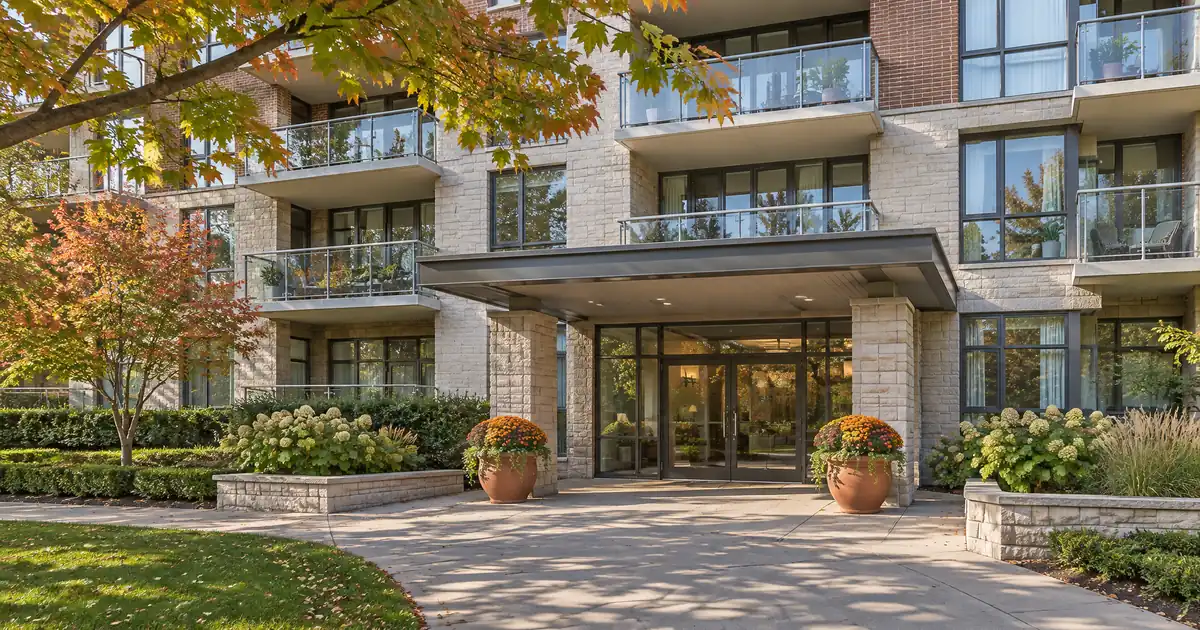
The Quick Read: It can make sense when the building is reviewable, the owner’s deposits support the loan better than rent would, and the work is interior and likely to raise value or rent. It is a poor fit when the building has reserve problems, litigation, or special assessments, because renovating one unit cannot fix building-level risk.
- Income is reviewed on 12 months of personal or business statements, averaged from deposits, subject to lender guidelines.
- Cash-out on a primary residence tops out at 80% LTV with a fixed expense ratio, and at 75% LTV when the lender uses an accountant-prepared expense ratio.
- A second home tops out at 75% LTV on a cash-out, and an investment condo tops out around 75% LTV.
- The lender reviews the building as well as the unit.
- A refinance replaces the whole first mortgage, not just the cash portion.
A self-employed owner whose tax returns understate real cash flow may be a fit, especially when the unit needs a kitchen and bath update and the equity is there. The answer depends on three tests: the loan, the building, and the project.
When It Makes Sense and When It Doesn’t
The loan fits when the borrower’s deposits are strong, the equity is real, and the renovation has a clear return. It does not fit when the building is shaky, the project is mostly cosmetic consumption, or the borrower could finance the work more cheaply another way.
| Situation | Usually a fit | Usually not a fit |
|---|---|---|
| Income | Strong deposits, thin tax returns | Full-doc income that already qualifies |
| Building | Healthy reserves, no litigation | Pending assessment or lawsuit |
| Project | Kitchen, bath, flooring, systems | Overbuilding past neighborhood comps |
| Equity | Room under the LTV ceiling | Little equity left after payoff |
| Existing loan | Resetting the first mortgage is acceptable | Current loan is far better than a new one |
Paying for lifestyle spending with a new first mortgage is not a good use of proceeds, and the table shows why: the money should go toward work the unit and the numbers can support.
How Qualification Works on Bank Statements
Qualification runs on documented income under the applicable program, subject to lender guidelines. Across the wholesale network, lenders average deposits over 12 months of personal or business statements, then apply their own expense factors. Those factors differ by lender, so no one formula applies to every file.
Leverage depends on occupancy. These are typical ceilings on select programs:
- Primary residence cash-out: up to 80% LTV with a fixed expense ratio, or 75% LTV with an accountant-prepared ratio.
- Second home cash-out: up to 75% LTV, set by loan size and credit.
- Investment condo cash-out: around 75% LTV.
- Purchase and rate-term on a primary residence: up to 90% LTV. That figure is not available on a cash-out. Each figure is subject to lender guidelines and a complete review of property type, leverage, and credit.
Loan sizes generally run from $125,000 to $3,500,000, with reserves commonly around six months of the housing payment. Asset depletion is an alternative route, with leverage up to about 80% LTV on a primary residence. Stronger files earn the top of any range.
Statement hygiene matters on renovation files. Contractor payments, transfers between accounts, and personal spending that runs through a business account can muddy the deposit average. Clean up the pattern before applying, not after. Lenders also look at the paper trail: payoff statement, insurance, HOA documents, and entity documents if an LLC holds title.
For a broader look at how these programs compare with property-rent-based lender review, see Lendmire’s complete DSCR loans guide.
The Condo Test: Building Before Borrower
The lender underwrites the building as well as the owner. A healthy unit in a troubled project can stall the file, and a clean borrower does not offset a bad building.
| Building factor | Why it matters | What to collect |
|---|---|---|
| Reserves | Thin reserves point to future assessments | Budget and reserve study |
| Litigation | Open suits can limit financing options | HOA litigation disclosure |
| Special assessments | They raise costs and cut cash flow | Assessment notices |
| Master insurance | Gaps create lender conditions | Current master policy |
| Investor concentration | High share of rentals narrows options | HOA questionnaire |
| Commercial space | Mixed-use buildings get extra review | Governing documents |
A condo that fails the standard “warrantable” test is called non-warrantable. The term comes from the project standards used for agency-eligible loans, and it describes how a building finances, not how well it was built. A general explainer on non-warrantable condos covers the usual triggers. Many non-QM programs do review non-warrantable condos, but reserves, leverage, and eligible issues vary by lender. Litigation tied to structural safety is the least forgiving case.
HOA questionnaire completeness is the common stall point. Ask the management company for the questionnaire, budget, and minutes early. A missing page can hold a file.
One further caution. A renovated interior does not protect the owner from an underfunded roof, elevator, or building envelope. Commentary on condo investing makes the same point: building-wide risk persists after a unit upgrade. A financial adviser’s blog adds that a large gap between actual and recommended reserve balances is a warning sign of future special assessments. Read the reserve study before borrowing against the plan.
Will the Renovation Pay Back Inside a Condo?
Interior work is the safer bet. Kitchens, baths, flooring, and fixtures are usually simpler in a condo than in a house because the scope stays inside the unit. Value lift still depends on what comparable sales support, and a condo’s ceiling is set partly by the building.
The appraisal is the catch. Lenders size the loan on appraised value, and the appraisal on a condo unit uses the condo form. An as-is appraisal does not credit work you have not done. If you refinance first and renovate with the proceeds, the value lift may not show up in the same loan. If you renovate first, with paper to show the spend, a later appraisal can reflect the finished unit. That sequence affects how much equity you can pull.
HOA rules can also change scope and timing. Interior cosmetic work is usually fine. Windows, exterior doors, plumbing stacks, and structural changes are where owners run into board approval, contractor insurance requirements, and deposits. Get written approval before you borrow against a plan the board might reject.
Worked Example: Reset Versus Alternatives
Run the numbers on a self-employed owner with a primary-residence condo and meaningful equity. The owner wants a full kitchen and bath renovation. A cash-out on bank statements, capped at 80% LTV on a primary residence (75% with an accountant-prepared ratio), replaces the existing first mortgage with one larger loan. The owner needs the new loan to leave room under that ceiling after the payoff. Leverage, reserves, and pricing vary by lender and program; the final terms follow the full file review.
The reset trade-off is the real decision. A cash-out refinance changes the entire first mortgage, so the owner gives up the existing loan’s terms to get the cash. If the current loan is favorable, a second lien or a smaller standalone financing option may cost less in total, even if it looks pricier line by line. If the current loan is not favorable anyway, the reset costs little and the cash-out becomes the efficient path. Pricing and payment comparisons belong in a quote from a broker, not in prose.
A second scenario: the same condo is a rental, not the owner’s home. Cash-out leverage tops out around 75% LTV. Here the borrower can qualify on the property’s rent through a DSCR loan, or on deposits through bank statements, for the same transaction. If rent coverage is thin after the larger balance, deposit-based qualification can bridge the gap. If deposits are weak and rent is strong, the property-level route may win. Terms vary by lender guidelines, property type, leverage, credit profile, and full file review.
Alternatives at a Glance
| Option | Best fit | Main drawback |
|---|---|---|
| Bank statement cash-out | Strong deposits, thin tax returns | Resets the whole first mortgage |
| HELOC or home equity loan | Keep a good first mortgage | Separate lien, variable terms possible |
| DSCR cash-out (rental condo) | Strong rent, weak documented income | Larger balance tightens coverage |
| Asset-depletion path | Large liquid assets | Needs seasoned, verifiable assets |
| Pay cash or stage the work | Modest scope, strong cash | Ties up liquidity |
Occupancy Decides the Rules
Occupancy changes the disclosure regime, so state which applies to your condo before you start. An owner-occupied primary residence or second home is a consumer mortgage, and TRID disclosures apply. A non-owner-occupied rental condo is a business-purpose loan and is exempt from TRID.
Regulation Z’s exemption for business-purpose credit treats credit to acquire, improve, or maintain non-owner-occupied rental property as business-purpose. The owner-occupied test differs. For an owner-occupied property, the improve-or-maintain exemption applies only above four units, so a single condo unit does not qualify. That is why an owner living in the condo cannot treat the loan as an investor loan.
Business purpose does not mean no rules. A law-firm analysis notes that the label is not a compliance exemption and the determination is made case by case. Collect a business-purpose declaration on rental files, and keep the stated use of proceeds consistent with what you actually spend.
Risks and Red Flags
- Budget overruns: A larger loan does not shrink when the bids rise.
- Pending assessment: It can lower cash flow and complicate review.
- Failed building review: The unit’s quality does not offset it.
- Low appraisal: It cuts available cash and may require appraisal reconsideration with recent in-building sales.
- Overbuilding: Finishes above the building’s comps may not appraise.
- Prepayment terms: Some investment programs carry them, so read the terms.
Tax treatment can depend on how the funds are used and how the property is held; borrowers should keep clear records and speak with a qualified tax professional before relying on any deduction.
Step-by-Step Checklist
1. Assess the building. Pull the reserve study, budget, litigation disclosure, and master insurance before anything else.
2. Confirm occupancy and purpose. Primary, second home, or rental decides leverage and the disclosure regime.
3. Document the income. Gather 12 months of statements and clean up the account pattern.
4. Price the project. Get bids, check HOA approval requirements, and test the scope against comps.
5. Compare the options. Weigh the cash-out reset against a second lien, DSCR, or staging the work.
6. Apply and order the appraisal. Use a broker that shops several wholesale lenders and matches the scenario to the program.
Key Terms Defined
Non-QM loan: A mortgage that falls outside standard qualified-mortgage boxes and is underwritten on the lender’s own documentation rules.
Warrantable condo: A building that meets the project standards for agency-eligible loans.
Non-warrantable condo: A building that misses one or more of those standards and needs non-agency financing.
Cash-out refinance: A new, larger first mortgage that pays off the old one and returns the difference in cash.
Deposit averaging: Qualifying income built from average monthly deposits over a statement window.
Reserves: Liquid funds, commonly around six months of the housing payment, held after closing.
Frequently Asked Questions
Can I use bank statements for a condo cash-out refinance?
Yes, on select programs. Qualification runs on documented income under the applicable program, subject to lender guidelines, using 12 months of personal or business statements. The building still has to pass the lender’s condo review.
Does a non-warrantable condo block this?
Not always. Many non-QM programs review non-warrantable condos, but reserves, leverage, and eligible issues vary by lender. Active litigation over structural safety is the hardest case to place.
Is it better than a HELOC?
It depends on the first mortgage. A cash-out resets the whole loan, while a HELOC adds a second lien and leaves the first loan alone. If the existing first mortgage is favorable, the second lien may cost less overall.
What if the appraisal comes in low?
The cash-out amount shrinks because the loan is sized on appraised value. Recent in-building sales and documented condition adjustments can support an appraisal reconsideration request. Renovating before the appraisal, with receipts, may help the value reflect the finished unit.
Can I include HOA assessments in the plan?
A pending special assessment affects both the building review and the owner’s cash flow. Some owners use proceeds to cover one, but lenders review the assessment as a building risk first. Disclose it early.
If you are self-employed and want to see how the numbers work, Lendmire can help you compare bank statement loan options based on your deposits, the property, credit profile, leverage, and your goals. Reach the team at 828-256-2183 or request a quote. Qualification is subject to lender guidelines and is not a commitment to lend.
Investors weighing their equity options can start with Lendmire’s guide to cash-out refinance on an investment property.
For current guidelines and terms, see Lendmire’s bank statement loan programs page.
About Lendmire
As a mortgage broker (NMLS# 2371349), Lendmire helps self-employed and high-net-worth borrowers in 16 states qualify on bank statements, a profit-and-loss statement, 1099s or liquid assets instead of tax returns, through wholesale lenders. Lendmire is never the lender; program terms are set by the lender and its guidelines. Scotsman Guide named Lendmire a Top Mortgage Workplace in both 2025 and 2026.
Get Started
Ready to find the right loan for you?
See your offer in seconds. No credit pull, no obligation.
Informational only. Not a Loan Estimate, approval, or commitment to lend. Program availability and eligibility are subject to lender guidelines, credit approval, property review, and underwriting.
References
1. Homebuyer.com, Non-Warrantable Condominium Explainer
2. PropertyScout360, Investing in Condos
3. Carnegie Investment Counsel, Buying a Condo and Your Financial Plan
4. CFPB Regulation Z §1026.3, Exempt Transactions
5. Lexology/Hunton, Beware of “Business Purpose”
This article is part of Lendmire’s bank statement loan program — full qualification details, guidelines, and scenarios live on the program page.
Related reading: Banks That Offer a Bank Statement Cash-Out Refinance to Pay College Tuition · Best Bank Statement Cash-Out Refinance Program When You Have No Tax Returns for a Rental · Banks That Offer a Bank Statement Cash-Out Refinance After a Title Change
Brandon Miller
Founder & CEO, Mortgage Loan Originator, Lendmire LLC
- Mortgage Loan Originator · NMLS# 1129696 · Verify on NMLS Consumer Access
- North Carolina Real Estate Broker · License# 343312 · Verify on NCREC
- North Carolina Insurance Producer · License# 19053198 · Property, Casualty, Life, Health · Verify on NAIC SBS
- Lendmire LLC · Firm NMLS# 2371349 · Verify firm licensure
Disclosures. The information presented in this article is general market commentary, not financial, legal, or tax advice. Lendmire is a mortgage brokerage (NMLS# 2371349) — not a direct lender or depository institution — and loan placement is subject to lender underwriting. Nothing in this content represents a commitment to lend. Loan terms, pricing, and program availability vary based on borrower qualifications, property characteristics, and state of subject property, and are subject to change at any time. Lendmire complies with Equal Housing Opportunity requirements. Consumer access: nmlsconsumeraccess.org.