
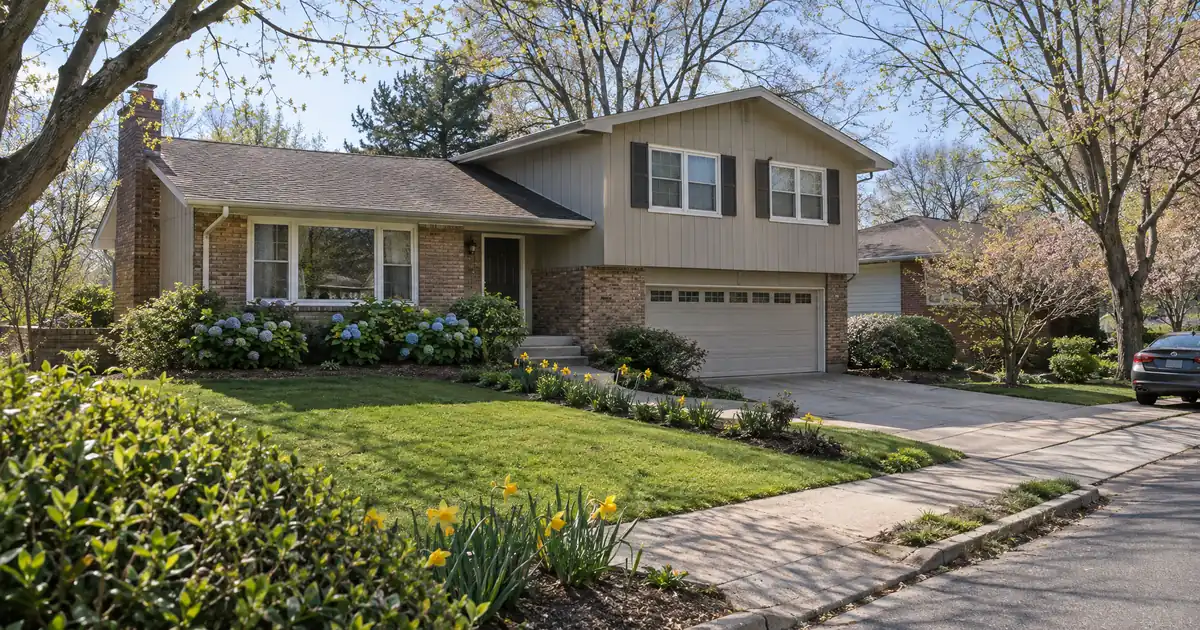
The Quick Read: It depends on the property and the program, but on a primary residence the down payment can be as low as 10%, because select lenders in Lendmire’s wholesale network go up to 90% LTV on a purchase or rate-term refinance. Stronger files earn the top of that range, and weaker credit, larger loans or thinner documentation push the down payment up. A rental purchase usually does not need a 1099-only loan at all, because a DSCR loan is reviewed for the property’s rent instead of your personal income.
- Primary residence purchase: up to 90% LTV, so the minimum down payment is the remainder, subject to lender guidelines.
- Owner-occupied cash-out: up to 80% LTV on a primary residence or second home.
- Investment-property cash-out: tops out around 75% LTV.
- Loan sizes run roughly $125,000 to $3,500,000, with reserves commonly around 6 months of the housing payment.
- Investment purchases on bank-statement documentation vary by lender, so the DSCR side is usually the better fit.
Most self-employed borrowers asking this question have a stack of 1099s, a tax return that shows very little profit, and a house they want to buy. The down payment answer is more flexible than the market assumes. It is also more dependent on what you are buying than on how you are paid.
What your deposits qualify you for.
Alt-doc programs read 12 months of business or personal bank deposits instead of tax returns. Enter your average monthly deposits and see the income a lender would credit you.
The expense factor is set by the lender from your business type and profit-and-loss statement; it is not a number you choose. This widget quotes no rate and no payment.
Program parameters shown update from Lendmire’s centralized guideline source.
Estimate
Illustrative estimate only — not a quote, Loan Estimate, approval, or commitment to lend. Deposit average, expense factor, and housing ratio are editable assumptions; the expense factor a lender applies is set from your business type and documentation. No interest rate or monthly payment is quoted here. Purchase capacity is a simplified illustration and does not account for taxes, insurance, HOA dues, or other debts. Alt-doc income documentation is available on consumer mortgages in the states where Lendmire is licensed for consumer lending; actual terms vary by lender, borrower, and property.
What Is a 1099-Only Loan, Exactly?
A 1099-only loan is a non-QM mortgage for freelancers and contractors. Non-QM means the loan falls outside the standard rules for conventional mortgages, so each program sets its own documentation and leverage terms. It reads your 1099 income instead of the net figure on your tax return.
A 1099 is the form a client sends you when they pay you as a contractor rather than an employee. Lenders treat you as self-employed if you receive 1099s as a freelancer, own 25% or more of a business, or file a Schedule C. Most programs want about two years of steady self-employment in the same field.
Here is where the lanes split. A 1099-only loan reads 1099 totals. A bank statement loan reads 12 months of deposits, business or personal, and averages them. In the Lendmire network, the bank statement route is the one placed most often, and it handles messy income better. If you were paid through an LLC rather than personally, a 1099-only file can break. Deposits tell the story more cleanly.
So What Sets the Down Payment?
No law sets a down payment for these loans. The number comes from each program’s guidelines, and it is the remainder after the lender’s maximum LTV. LTV, or loan-to-value, is the loan balance divided by the property’s value. At 90% LTV, you put 10% down. Terms vary by lender guidelines, property type, leverage, credit profile, and full file review.
Across the wholesale network, these factors move the ceiling up or down:
| Factor | Effect on your down payment |
|---|---|
| Occupancy | Primary residence gets the most leverage |
| Credit profile | Stronger scores earn higher LTV |
| Loan size | Larger loans usually get lower LTV |
| Documentation type | Thinner documentation tightens leverage |
| Reserves | More cash after closing can support higher LTV |
Credit and loan size matter more than most borrowers expect. Two borrowers with identical income can get different maximum leverage purely because one has a stronger score and a mid-sized loan. Every file is underwritten individually, and exact eligibility depends on lender guidelines.
Market surveys describe 1099-only down payments as roughly 10% to 20% on a primary residence. Those are lenders’ figures, so treat them as context only. The network figure for a primary residence purchase or rate-term refinance is up to 90% LTV. Exact terms depend on the lender’s guidelines, property type, leverage, and a full review of the borrower’s file.
What Changes on a Second Home, Cash-Out or Rental?
Occupancy changes everything. A primary residence gets the best leverage. A cash-out on a primary residence or second home on bank-statement documentation tops out at 80% LTV with a fixed expense ratio, or 75% with an accountant-prepared ratio, depending on loan size and credit. Do not apply the 90% purchase figure to a cash-out. They are different ceilings. Every figure here varies by lender and program, and guidelines, property type, leverage, and credit profile all apply.
An investment-property cash-out tops out around 75% LTV. Investment purchases on bank-statement documentation vary by lender, so there is no single number to quote. For a rental purchase, investor-focused leverage guidance belongs to the DSCR side of the shop. Lendmire’s complete DSCR loans guide walks through those numbers.
If you would rather qualify from savings than income, an asset-depletion alternative runs up to about 80% LTV on a primary residence. It suits borrowers with large liquid balances and lumpy income. Final terms depend on lender guidelines, property type, leverage, and the borrower’s complete credit picture.
Why Investors Usually Skip the 1099 Loan for Rentals
A 1099-only loan is built around your personal income. A rental is better underwritten on the property. A DSCR loan, short for debt service coverage ratio, divides the property’s monthly rent by its full monthly debt obligation. A coverage ratio of 1.00 means rent matches the payment. Select lenders in the network review files below that, with adjusted LTV and terms.
So a self-employed investor can usually leave 1099 income out of the rental purchase. The file qualifies primarily on property-level rental income covering the payment, subject to lender guidelines. Your down payment then follows leverage limits, credit and the coverage ratio. A bigger down payment shrinks the payment and lifts the coverage ratio.
This split also reflects how the loans are classified. A rental bought for investment is generally a business-purpose loan, which the CFPB’s Regulation Z § 1026.3 exempts from the consumer rules. The exemption turns on the loan’s purpose, not just the property type, so an owner-occupied small multifamily can be treated differently.
In practice: use the 1099 or bank-statement route for the home you live in, and DSCR for the rentals.
Where the Down Payment Money Comes From
Your down payment has to be sourced and seasoned. The lender wants to see it sitting in your own accounts, with a clean paper trail for any large deposit. Savings, sale proceeds and documented transfers are the common sources. Gift funds and business funds follow each program’s rules, so ask before you move money.
Business funds trip up self-employed buyers. Pulling the down payment from a business account can shrink the cash flow the lender is counting as income. Plan the withdrawal before you apply, not during underwriting.
Reserves are separate from the down payment. Commonly that is around 6 months of the housing payment, held after closing. Budget for down payment, closing costs and reserves together, because the total cash to close is what actually limits most buyers.
How Income Gets Counted
On the bank-statement route, qualifying income comes from the average of deposits over 12 months. Lenders apply their own expense factors to turn deposits into usable income. Those factors vary by lender, and no one should promise you a specific one. Under the consumer ability-to-repay rules, lenders must verify the income they rely on with reasonably reliable records, and the CFPB’s small entity compliance guide recognizes self-employment as employment a lender can consider.
So these loans are not undocumented. The file is reviewed on documented income under the applicable program, subject to lender guidelines. Expect 1099s or bank statements, ID, and often a year-to-date figure, since last year’s 1099 can lag your current earnings.
Which Product Fits You?
| Situation | Likely fit |
|---|---|
| Contractor, 1099s in your own name | 1099-only or bank statement |
| Paid through an LLC | Bank statement |
| Large liquid balances, lumpy income | Asset depletion |
| Buying a rental | DSCR |
| Strong traditional personal-income documentation, steady profit | Conventional full-doc |
When is a 1099-only loan a bad fit? When your income runs through an entity, when your 1099 history is short, or when the property is a rental. A bank statement loan or DSCR loan usually handles those better.
Common Mistakes
- Assuming one down payment number applies everywhere. It varies by program, occupancy and credit.
- Using the purchase ceiling for a cash-out. Cash-out is capped lower.
- Moving money right before you apply. Unexplained deposits slow or sink files.
- Running a rental through personal income. DSCR is usually the cleaner route.
- Ignoring reserves. Cash to close includes more than the down payment.
Tax treatment can depend on how the funds are used and how the property is held; investors should keep clear records and speak with a qualified tax professional before relying on any deduction.
Reach out at 828-256-2183 or request a quote.
This article is general information, not legal or tax advice. Consult a qualified professional, such as an attorney or CPA, about your own situation.
Frequently Asked Questions
Can I use a 1099-only loan to buy a rental property?
Usually you do not need to. A DSCR loan is reviewed on the property’s rent instead of your personal income, which keeps 1099 income out of the file. Bank-statement leverage on an investment purchase varies by lender, so the DSCR side is the better starting point, subject to lender guidelines.
Does a bigger down payment help?
Yes, in several ways. It lowers the loan amount, which can help leverage tiers and reserves. On a rental it also lifts the coverage ratio. Lenders still review credit, documentation and property type together.
What if I have less than two years of self-employment?
Most programs prefer about two years of steady self-employment. Some lenders in the network consider a shorter history when you have a prior track record in the same field. It depends on the profile and current lender guidelines.
Is traditional personal-income documentation required for these loans?
Not on the bank-statement route, which uses 12 months of deposits. Other programs may want traditional personal-income documentation, a profit-and-loss statement or a CPA letter. The documentation list follows the specific program.
Is the cash-out limit the same as the purchase limit?
No. Owner-occupied cash-out tops out at 80% LTV, while a primary residence purchase or rate-term refinance goes up to 90%. Investment-property cash-out tops out around 75%. These specifics are subject to lender guidelines and a full review of property, leverage, and credit.
About Lendmire
A DSCR-focused mortgage broker, Lendmire (NMLS# 2371349) places investor financing across 41 markets, 40 states plus Washington, D.C., with DSCR eligibility generally reviewed by the lender on property cash flow instead of traditional income documentation, subject to lender guidelines. Scotsman Guide named Lendmire a Top Mortgage Workplace in 2025 and 2026.
Get Started
Ready to find the right loan for you?
In about 30 seconds you can review financing options available for your home or investment property. No commitment required.
Informational only. Not a Loan Estimate, approval, or commitment to lend. Program availability and eligibility are subject to lender guidelines, credit approval, property review, and underwriting.
References
2. CFPB Ability-to-Repay/Qualified Mortgage Small Entity Compliance Guide
This article is part of Lendmire’s self-employed mortgage guides — full qualification details, guidelines, and scenarios live on the program page.
Related reading: How Much Qualifying Income a Self-Employed Borrower Loses per Expense · How to Get a Mortgage in Virginia When You’re Self-Employed · How Self-Employed Mortgage Down Payment Rules Work for a House-Hack Purchase
Brandon Miller
Founder & CEO, Mortgage Loan Originator, Lendmire LLC
- Mortgage Loan Originator · NMLS# 1129696 · Verify on NMLS Consumer Access
- North Carolina Real Estate Broker · License# 343312 · Verify on NCREC
- North Carolina Insurance Producer · License# 19053198 · Property, Casualty, Life, Health · Verify on NAIC SBS
- Lendmire LLC · Firm NMLS# 2371349 · Verify firm licensure
Legal disclosures. Lendmire (NMLS# 2371349) is a state-licensed mortgage brokerage that arranges financing through wholesale lender relationships. Lendmire is not a direct lender, depository institution, or registered financial advisor. The discussion above is general informational content about real estate financing — it is not financial, legal, or tax advice, and readers should consult licensed professionals for guidance on their individual circumstances. Loan inquiries are subject to lender underwriting; this article does not represent a commitment to lend. Loan terms, rates, and qualification standards vary by borrower, property, and state, and are subject to change at any time. Equal Housing Opportunity. NMLS Consumer Access: nmlsconsumeraccess.org.