
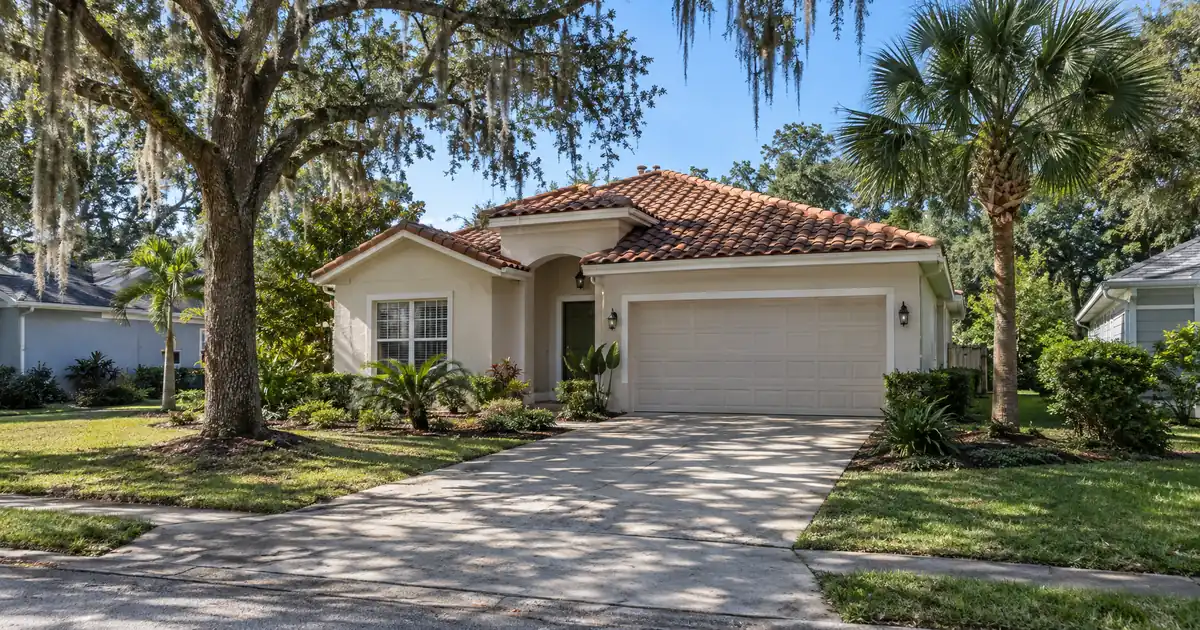
DataUSA counts 16,186 Gainesville residents working in educational services and another 11,763 in health care and social assistance. Retail trade, the third-largest sector, sits at 7,965. Two non-cyclical sectors together employ more than three times what retail does, and both feed the same pool of renters. For an investor who already owns a rental here, that concentration decides how much equity can be pulled out and which properties can carry the new balance.
Lendmire (NMLS# 2371349) is a non-QM mortgage broker. For Gainesville, Florida rental property financing, Lendmire helps arrange DSCR loans through lenders operating in 41 markets, including Washington, D.C. This analysis covers the equity-extraction side only: seasoning, the LTV ceiling, and which Gainesville submarkets produce enough rent to support a larger balance.
DSCR Cash-Out Calculator
Run the cash-out numbers in Gainesville, FL
Rate source: Freddie Mac 30-yr average via FRED® — Federal Reserve Bank of St. Louis · effective Sep 24, 2026
Prefilled with starting assumptions — enter your property’s value, balance, taxes, and insurance for a more accurate picture.
Program parameters update from Lendmire’s centralized guideline source. Taxes and insurance are editable estimates.
As of Sep 24, 2026 · General Freddie Mac market benchmark, not a Lendmire loan offer. Property value, balance, taxes, and insurance are editable estimates. Maximum loan-to-value varies by lender, program, property type, and seasoning. Not a Loan Estimate, approval, or commitment to lend. Program availability and eligibility are subject to lender guidelines, credit approval, property review, and underwriting.
The Short Version: A DSCR cash-out refinance on a Gainesville, Florida rental is underwritten primarily on the property’s rental income measured against its full monthly obligation, after about six months of title seasoning. An appraisal sets value, a 75% loan-to-value ceiling caps the new balance, and proceeds come after payoff and reserves.
- University Park rents run $2,359 against $1,412 in Duckpond, per RentCafe.
- Buyers who financed at 80% need roughly 7% appreciation before cash-out headroom opens.
- Small multifamily near UF tends to clear coverage where single-family comps land below 1.00.
- Typical Gainesville values are up 4.2% year over year, per Zillow.
Gainesville Market Snapshot
A quick read on the Gainesville investor landscape — figures come from the cited sources below. Confirm current property-level numbers before underwriting.
| Metric | Detail |
|---|---|
| Home prices | Typical home value $295,238 (Zillow Home Value Index:) |
| Typical rents | Avg rent $1,249/mo (Apartments.com Rent Market) |
| Population | 360,881 population (Census Reporter profile:) |
| Employment | Uf 30,000+ employees (Guide to Greater Gainesville) |
| Vacancy | 5.4% (NeighborhoodScout: Haile) |
The Seasoning Clock and the 75% Ceiling
The binding constraint on a Gainesville cash-out is leverage, not demand. Typical program guidance sets a 75% LTV ceiling on cash-out refinances, with about six months of ownership measured from title recording and a 1.00 minimum coverage ratio. The 80% figure that applies to purchases does not carry over. Reserves generally run around six months of the full monthly obligation, and the credit floor sits at 620 on most files, with better tiers at 660, 680 and 700. Loan sizes reach up to $3,000,000 on standard programs, and all of this is subject to lender guidelines, credit approval and property review.
The appreciation math is where owners get surprised. Say an investor bought at 80% financing. The loan already sits above the 75% ceiling, so value must rise about 6.7% (0.80 ÷ 0.75) before a refinance can return any cash at all. At the 4.2% annual pace Zillow reports for typical Gainesville homes, that is roughly a year and a half of price drift with zero improvement work. Zillow puts the typical value at $295,238. Homes.com shows a median of $340,000, a gap that reflects methodology, not a disagreement about direction.
Two levers close that gap faster than the market does. One is forced appreciation through renovation. The other is a rent reset: refinancing a property whose in-place rent lags market rent, with the appraiser’s rent schedule reflecting current comps. Owners who bought in the 60-70% LTV range have the most room. Equity available always depends on rent used for lender review, the full monthly obligation, reserves and the 75% cap. It is never a guaranteed figure. The DSCR qualification framework explains how that ratio is built, and pulling equity with a DSCR cash-out covers the mechanics in more depth. Every figure here varies by lender and program — guidelines, property type, leverage, and credit profile all apply.
Where Rent Diverges From Value
Submarket selection moves rent used for lender review more than any other variable in Gainesville. RentCafe’s Yardi Matrix data shows University Park at $2,359 a month and Duckpond at $1,412, against a citywide average of $1,824. That is a spread of nearly $950, or about 67% more rent in the campus-adjacent pocket. Other aggregators publish lower citywide figures: Apartments.com shows $1,249 and Zumper a $1,600 median. The methodologies differ, so treat any single average as directional and anchor underwriting on submarket comps.
The pattern holds at the low end. Rent.com lists one-bedroom rents of $725 in Fifth Avenue, $950 in Oakview and $1,035 in Duckpond, all well below the $1,614 citywide one-bedroom average. Lower-basis neighborhoods often carry purchase prices that compress more than their rents do. That favors coverage ratios there, though it leaves less absolute rent to size a big balance against.
The UF-adjacent core is the strongest cash-out territory in the city. The University of Florida reached 63,148 in enrollment, and UF’s enrollment office is the authoritative record. Midtown and the Sorority Row corridor are almost entirely student-focused, so per-bedroom rent stacking lifts gross income well above a single-family comp on the same footprint. Duckpond runs the other direction: lower rent, but tenants tied to hospital, government and university employment rather than the academic calendar.
Two Scenarios on Full-Obligation Math
The numbers below are modeled assumptions, not sourced market data. Every coverage figure is rent divided by the full monthly obligation, including taxes and insurance, at 75% LTV unless stated otherwise. Final terms depend on lender guidelines, property type, leverage, and the borrower’s complete credit picture.
Run the numbers on a duplex. A listed Gainesville duplex example shows in-place rents on the two units that are nearly identical, with tenants paying utilities, per Redfin. Combined, the two rents form the gross income used for coverage. Assume a $300,000 appraised value, inside the $220,000 to $350,000 band where small multifamily trades. Coverage lands around 1.25x, a comfortable cushion with room for the reserve requirement. These specifics are subject to lender guidelines and a full review of property, leverage, and credit.
Consider a single-family rental at $295,000, the Zillow typical value. At a modeled $1,800 monthly rent, coverage falls near 0.96x. At $2,000, which sits inside the $1,400 to $2,200 band a DSCR-lender content page cites for SFRs in the $200,000 to $350,000 range, it reaches about 1.07x. A $200 rent swing moves the ratio by more than 0.10.
That first SFR case is a sub-1.00 file. The structures a lender may review include a lower leverage tier (at 65% LTV the same property runs near 1.0x), a sub-1.00 program, or interest-only payment structuring. Some lenders review below-1.00 scenarios, but they typically want stronger credit, more reserves or more cash retained in the property. Whether any of these applies depends on lender guidelines and property review.
The duplex beats the house at the same basis because two rents stack against one taxes-and-insurance line. That is the mechanical reason 2-4 unit product clears coverage thresholds that single-family comps often miss. Owners choosing between the two should also check how the loan compares with conventional refinancing, since traditional employment income does not enter the DSCR calculation.
Skip the Premium Pockets
Haile Plantation looks like the safe choice and works badly for max-leverage cash-out. NeighborhoodScout shows a median price of $527,862, average rent of $2,410 and vacancy near 5.4%. Rent is about 0.46% of price per month. At 75% LTV and full-obligation math, coverage sits in the low 0.7s. Rents are healthy, but the price outruns them. Terms vary by lender guidelines, property type, leverage, credit profile, and full file review.
Downtown carries the same tension. Homes.com puts the single-family median at $612,500, against $350,000 in Pleasant Street. Downtown is an appreciation-led hold, better suited to a rate-and-term refinance or a low-leverage cash-out than to pulling the maximum. Pleasant Street and similarly priced workforce pockets sit closer to cash-flow territory.
The stronger play might be to hold the premium asset and cash out of the cheaper one. Owners with both can pull equity from the higher-coverage property and use the proceeds to improve the weaker one. Honestly, that beats stretching a 0.7x file to squeeze out a few extra points of leverage.
Supply Pressure Near Campus
Cash-out underwriting looks at today’s rent, but a 30-year balance lives with future rent. National purpose-built student housing deliveries are cooling: Multifamily Executive reports 35,703 beds delivered last year, down from 44,746 the year before, citing Yardi Matrix. Gainesville is still absorbing large projects. The 352-unit, 702-bed Zaya project carries a $63.4 million construction loan, and the 861-bed Theory community opened with its first 532-bed phase more than 95% occupied.
Two readings coexist. The lease-up shows student demand is deep enough to fill new institutional product. It also means older, lower-amenity houses and duplexes in the immediate campus core compete with amenity-rich buildings at scale. Investors there should stress-test rent growth rather than assume a permanent floor. A refinance at the 75% ceiling on a campus-core asset leaves little cushion if rents soften.
The common friction point on files from markets like this one is the rent schedule. In college-driven submarkets, per-bedroom leases, mid-year turnover and gaps between lease expiration and the appraisal date can leave the documented rent lower than the market rent an owner expects. Lendmire’s deal desk tends to see the cleaner files come from owners who arrive with current leases, a rent roll that ties to the appraiser’s comp set, and reserves already sitting in an account. The lender’s review still governs the outcome.
Beyond the Campus
Not every Gainesville tenant follows an academic calendar. UF Health runs an 11-hospital network anchored by UF Health Shands in Gainesville, and the Malcom Randall VA Medical Center and HCA Florida North Florida Hospital add federal and private clinical payrolls. Regional employer guide data credits UF with more than 30,000 employees, though that figure is slightly dated.
The biotech corridor adds a professional tenant base. In Alachua’s Progress District, the Sid Martin Biotech Incubator has supported more than 60 companies since 1994 and helped create over 1,200 jobs, per the Guide to Greater Gainesville. Northwest Gainesville houses near that corridor suit long-term workforce leases, and the city’s metro population of 360,881 (city proper: 148,716) per Census Bureau QuickFacts provides the depth. These tenants support seasoning and rate-and-term refinances better than maximum cash-out, but vacancy risk runs lower. Exact terms depend on the lender’s guidelines, property type, leverage, and a full review of the borrower’s file.
For an owner ready to test a file, Lendmire’s refi programs and Lendmire’s Florida DSCR platform are the starting points, and the desk is reachable at 828-256-2183.
Frequently Asked Questions
How long must a Gainesville rental be owned before a DSCR cash-out?
Typical program guidance calls for about six months of ownership measured from title recording. Owners who bought with heavy financing usually need appreciation or renovation value on top of seasoning to reach the 75% LTV ceiling. Eligibility depends on lender guidelines and appraisal results.
Does a University Park duplex cash out differently than a Duckpond house?
Yes, mainly through rent. A University Park unit is rented at $2,359 against $1,412 in Duckpond per RentCafe data, so the campus-adjacent property can support a larger balance at the same price. The Duckpond house tends to show steadier tenancy tied to hospital and government jobs. Both are subject to the appraisal and lender review.
Can a property near the University of Florida qualify below 1.00 coverage?
Some programs review sub-1.00 scenarios, usually with lower leverage, stronger credit or added reserves. A modeled $295,000 house at $1,800 rent runs near 0.96x, and dropping to 65% LTV brings it close to 1.0x. Qualification remains subject to lender guidelines and credit approval.
DSCR vs. conventional financing
Two common ways to finance an investment property in Gainesville, FL. They qualify you differently — here’s how investors weigh them.
Why investors choose it
- Qualifies on the property’s rental income — no personal tax returns, W-2s, or pay stubs needed to document income.
- No personal debt-to-income ceiling to clear, so existing mortgages and obligations don’t cap your borrowing the same way.
- Can be closed in an LLC, keeping the property inside a business entity.
- Built for scaling — not held to the limit on number of financed properties that conventional financing applies.
- Underwriting centers on the deal: generally qualifies when the rent covers the payment, a 1.00x coverage ratio being a common baseline (confirmed in underwriting).
- Designed specifically for investment property, including long-term and, where the program allows, short-term rentals.
Where it’s strong
- Often the lowest ongoing financing cost for a buyer who fully qualifies on personal income — a fit for a first property or a cost-first purchase.
Trade-offs for investors
- Requires full personal income documentation and must fit within a debt-to-income limit — salary, existing debts, and other mortgages all count.
- Typically held in your personal name rather than a business entity.
- Caps how many financed properties you can carry, which can become a ceiling as a portfolio grows.
- Evaluates you as a borrower as much as the property, which usually means more paperwork.
How investors usually choose: a first or single property often optimizes for the lowest financing cost; portfolio builders often optimize for leverage, vesting in an LLC, and scaling past conventional caps. The right answer depends on your goals, the property, and current guidelines — both paths run through select lenders in Lendmire’s wholesale network, with eligibility and terms confirmed in underwriting.
Is Haile Plantation a good cash-out candidate?
Rarely at maximum leverage. With a median price of $527,862 and average rent of $2,410, full-obligation coverage sits in the low 0.7s at 75% LTV. It fits low-leverage holds better than aggressive extraction.
What reserves should an investor plan for?
Programs commonly ask for about six months of the full monthly obligation, rising to about nine months on balances above $1,500,000. Reserves are reviewed by the lender and may vary by program and borrower.
Two Paths From Here
A Gainesville owner sitting on equity faces a real fork. One path pulls the maximum from a high-coverage duplex near campus, capturing the strongest rents in the city while carrying exposure to new student-housing supply. The other keeps leverage modest on a Duckpond or Northwest workforce house, giving up proceeds in exchange for tenants who don’t leave with the semester.
About Lendmire
As a non-QM mortgage broker (NMLS# 2371349), Lendmire facilitates DSCR investor loans across 41 markets, including Washington, D.C. DSCR eligibility is generally reviewed around property-level rental income instead of personal income documentation, subject to lender guidelines, serving LLC-structured portfolios (depending on program guidelines) and self-employed borrowers who don’t fit conventional boxes. Lendmire is recognized as a 2026 Scotsman Guide Top Workplace and a top-ranked workplace in 2025.
Get Started
Ready to find the right loan for you?
In about 30 seconds you can review financing options available for your investment property. No commitment required.
Informational only. Not a Loan Estimate, approval, or commitment to lend. Program availability and eligibility are subject to lender guidelines, credit approval, property review, and underwriting.
References
1. DataUSA
2. RentCafe
3. Zillow
6. UF
8. Zumper
9. Rent.com
10. ir.aa.ufl.edu — Enrollment office
11. Redfin
12. Homes.com
15. multihousingnews.com — Peakmade Jv Opens 2nd Phase of Student Community in North Florida
16. UF Health
17. Malcom Randall VA Medical Center
18. HCA Florida North Florida Hospital
19. Guide to Greater Gainesville
21. a 2026 Scotsman Guide Top Workplace
22. Scotsman Guide — Top Workplaces 2025
This article is part of Lendmire’s investment property cash-out refinance program — full qualification details, guidelines, and scenarios live on the program page.
Related reading: DSCR Loans Gainesville: Investor Financing for University of Florida, Midtown, Haile Plantation, Gameday STR & Real Estate Investors · DSCR Cash Out Refinance in Wynwood, Florida: Pulling Equity From a Cooling Arts District · Cash Out Refinance Investment Property in Gainesville FL
Guides: Investment Property Cash-Out Refinance in Gainesville, FL · Investment Property Cash-Out Refinance in Florida
Brandon Miller
Founder & CEO, Mortgage Loan Originator, Lendmire LLC
- Mortgage Loan Originator · NMLS# 1129696 · Verify on NMLS Consumer Access
- North Carolina Real Estate Broker · License# 343312 · Verify on NCREC
- North Carolina Insurance Producer · License# 19053198 · Property, Casualty, Life, Health · Verify on NAIC SBS
- Lendmire LLC · Firm NMLS# 2371349 · Verify firm licensure
Compliance and disclosures. Lendmire (NMLS# 2371349) is a licensed mortgage broker and is not a direct lender, depository institution, financial advisor, or tax professional. Content in this article is general market analysis and educational information — not financial, legal, or tax advice for any specific situation. Lendmire does not guarantee loan approval; every transaction is subject to underwriting by the funding lender. Mortgage pricing and loan program guidelines are subject to change at any time without notice and vary by borrower characteristics, property type, and state regulations. Lendmire complies with Equal Housing Opportunity. Licensure verification: NMLS Consumer Access.