
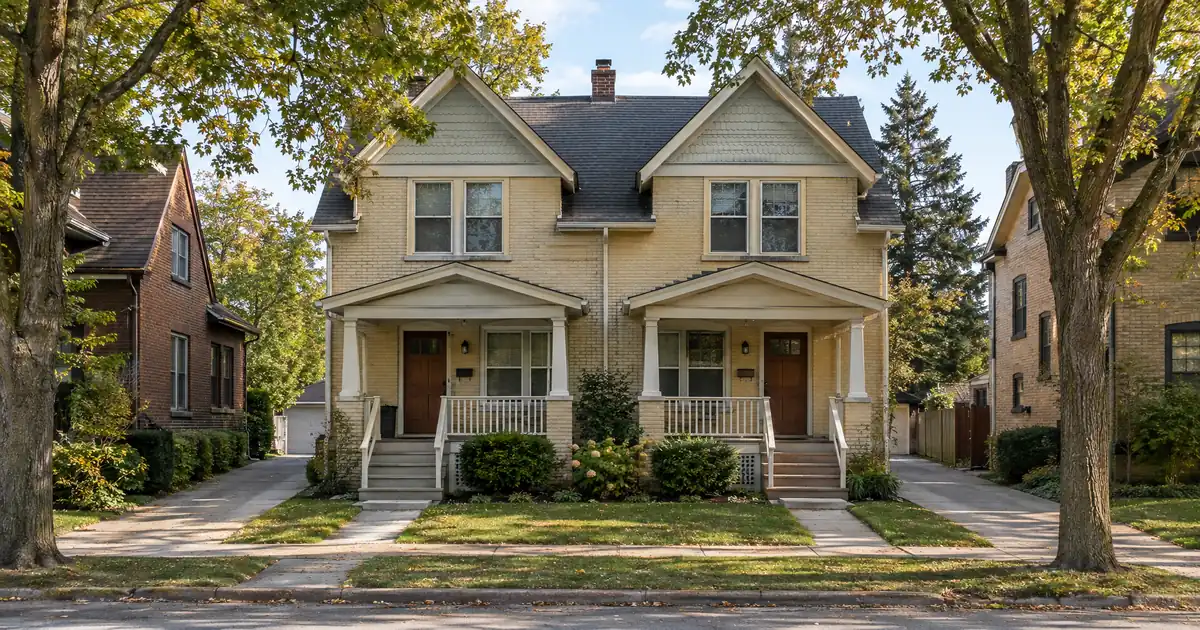
Picture an investor holding a Riverwest duplex purchased at $210,000. Both units are leased, the roof and mechanicals are done, and the bank’s last appraisal sits well below what comparable sales now suggest. The equity is real but locked. The investor wants it working in the next deal, not sitting in drywall.
That is the cash-out refinance question for Milwaukee, Wisconsin. The mechanics are not complicated. Whether the numbers hold depends on which stock you own and where.
DSCR Cash-Out Calculator
Run the cash-out numbers in Milwaukee, WI
Rate source: Freddie Mac 30-yr average via FRED® — Federal Reserve Bank of St. Louis · effective Sep 24, 2026
Prefilled with starting assumptions — enter your property’s value, balance, taxes, and insurance for a more accurate picture.
Program parameters update from Lendmire’s centralized guideline source. Taxes and insurance are editable estimates.
As of Sep 24, 2026 · General Freddie Mac market benchmark, not a Lendmire loan offer. Property value, balance, taxes, and insurance are editable estimates. Maximum loan-to-value varies by lender, program, property type, and seasoning. Not a Loan Estimate, approval, or commitment to lend. Program availability and eligibility are subject to lender guidelines, credit approval, property review, and underwriting.
The Quick Read:
A DSCR cash-out refinance in Milwaukee, Wisconsin is underwritten primarily on the property’s rental income measured against its full monthly obligation, so the file turns on a seasoning clock, a fresh appraisal, a leverage ceiling, and reserves rather than on traditional personal-income documentation.
- Cash-out leverage tops out at 75 percent of appraised value, not the 80 percent purchase cap.
- Seasoning runs about six months from title recording.
- Duplex rents of $2,000-$3,200 combined support the coverage math, per Luxe Haven Group.
- Citywide vacancy headlines diverge sharply from older-stock reality. Read both.
Lendmire (NMLS# 2371349) is a DSCR-focused mortgage broker. Investors in Milwaukee, Wisconsin work with Lendmire to place DSCR financing through wholesale lenders reaching 41 markets, including D.C. Lendmire arranges the loan; lenders review and approve it.
Milwaukee Market Snapshot
A quick read on the Milwaukee investor landscape — figures come from the cited sources below. Confirm current property-level numbers before underwriting.
| Metric | Detail |
|---|---|
| Home prices | $326,500 median sale price (Steadily) |
| Typical rents | $1,439 avg rent projected (MMG Real Estate Advisors) |
| University enrollment | ~23,000 students (University of Wisconsin–Milwaukee) |
| Population | 563,512 population (Census Reporter (ACS 2024 1-yr)) |
| Vacancy | 4.9%→10.8% (Realtor.com / Milwaukee Journal) |
Where Does Milwaukee Equity Actually Sit?
Equity sits in older duplex and small multifamily stock in Riverwest, Harambee, and Walker’s Point, where acquisition basis was low and appraisals have been climbing. The Third Ward and East Side hold equity too, but at higher basis with thinner coverage.
Start with the price level. Steadily’s market overview puts the median home sale price near $326,500. Milwaukee-area prices rose 6.1 percent over the most recent year, and the area was roughly 5,000 housing units short of buyer demand in January, according to the Greater Milwaukee Association of Realtors, as reported through the Milwaukee Journal Sentinel. A persistent for-sale shortfall means more comparable sales for an appraiser to work with. That is not a small thing in a cash-out. The appraisal sets the ceiling, and thin comps are how ceilings get pushed down.
Neighborhood figures here come with a warning. Platforms disagree on median prices by $50,000 to $100,000 for the same submarkets, and rent figures conflict too. Treat anything below as directional.
| Submarket | Typical stock | Cash-out angle |
|---|---|---|
| Riverwest | Duplexes, bungalows | Low basis, steady renter pool |
| Harambee | Duplexes, renovated historic | Workforce rent, reinvestment upside |
| Walker’s Point | Mixed, renter-majority | Water-tech demand pulling values |
| Third Ward | Lofts, condos | Premium comps, thinner coverage |
Riverwest and Harambee: The Duplex Core
Riverwest’s median home price is about $210,000, with entry-level stock near $110,000 and premium properties above $400,000. The dominant property types are duplexes, bungalows, and small cottages. Harambee shares the housing mix and sits minutes from downtown, UW-Milwaukee, and the major hospital campuses, with one-bedroom rents averaging about $725, among the lowest in the city.
Low rents on low basis is the whole point. A duplex that cost little to acquire and carries two leases has a coverage number that holds up even when the appraisal is conservative. Local investor-advisory commentary from Luxe Haven flags ZIP codes 53204, 53215, and 53212 as producing the highest rent-to-price returns in the city. Agent commentary, not institutional data. Useful as a screen, not as proof.
Riverwest also draws students from the University of Wisconsin–Milwaukee, which enrolls about 23,000. Marquette University adds 11,746 more. Roughly 35,000 students across the metro’s two largest campuses is a renter base that does not depend on one employer’s hiring cycle.
Walker’s Point: The One Nobody Else Has
Walker’s Point is the submarket that cannot be swapped for another city’s. It anchors Milwaukee’s Water Technology District, and M7’s regional economic development summary counts more than 150 water technology companies in the region. The Wisconsin Economic Development Corporation has cited more than $211 million of public and private investment in the district over a five-year span. Median sale prices in the neighborhood run in the $150,000s to $165,000 depending on the source, against a two-bedroom rent near $1,900 in one dataset.
Read that as a ratio, not a promise. Rent is high relative to price. The cash-out case is straightforward when the original basis was low and nearby development is lifting comps. Equity, in that setup, comes from the neighborhood changing around the asset. It arrives by appraisal, not by renovation.
What the 75 Percent Cap Does to Your Proceeds
The cash-out ceiling is 75 percent of appraised value, minus the existing mortgage and costs, and the result is not a guaranteed figure. Program guidance typically ties available equity to rent used for lender review, full monthly obligation, reserves, and that leverage cap together.
Here is the sequence. The lender orders an appraisal. The appraised value is multiplied by the leverage cap, and the existing payoff comes out of that number. Whatever remains is the gross cash-out. Rents then have to cover the new, larger obligation at or above a 1.00 coverage benchmark, which is a floor on select programs rather than a universal standard, though exact eligibility varies by lender guidelines, credit profile, reserves, and property review. For the short version of how rental-income qualification works, the coverage ratio is monthly rent divided by the monthly principal, interest, taxes, insurance, and any HOA dues.
Here is the catch. Pulling cash out raises the balance, which raises the obligation, which pushes the coverage number down. An investor who clears 1.30 coverage on an existing loan might land near 1.05 after the refi. Borderline files get tight fast. The investor still gets cash. The file just has less room to absorb a soft lease.
Run the numbers on the duplex from the opening, modeled with assumed inputs and not sourced facts. Say the appraisal comes in meaningfully above the $210,000 purchase price and both units rent near the combined $2,000-$3,200 range Luxe Haven cites for the city. The investor then compares two numbers: 75 percent of the appraisal, and whatever coverage ratio the larger loan can sustain including taxes and insurance. In most files, one of the two binds first. Which one depends on the duplex. Lower-basis stock tends to hit the leverage cap before the coverage floor. Higher-basis stock often does the reverse.
Six Months, Counted From the Recording
Seasoning for a cash-out is typically about six months of ownership, measured from title recording rather than from the closing date on the purchase contract. Investors who bought and renovated sometimes assume the clock starts when work finishes. It doesn’t. Plan the refinance window from the recording date.
Reserves matter on this side of the table too. Expect about six months of the full monthly obligation held in reserve on most files, with higher requirements on larger balances. Credit tiers begin at a 620 floor, with better terms commonly available at 660, 680, and 700. Loan amounts go up to $3,000,000 on standard programs, and smaller balances route through select lenders in the network. All of it is subject to lender guidelines. Lendmire’s refi programs cover the program detail, and the equity recycle pathway walks through how the proceeds feed the next acquisition.
The Vacancy Headline Problem
Milwaukee’s rental vacancy rate more than doubled, from 4.9 percent to 10.8 percent, according to Realtor.com data reported by the Milwaukee Journal Sentinel. Marcus & Millichap describes the renter base as relatively sticky, with vacancy holding in the low-4 percent range for three years. Both statements circulate. Both are sourced. They cannot both describe the same asset.
The reconciliation is supply. Multifamily construction permits nearly tripled over a five-year span, per the same Journal Sentinel report, and a local agent quoted there said most of the new units target higher-income renters. The softness sits in new Class A product. Older duplexes and workforce stock are a different inventory.
BizTimes Milwaukee offers a cleaner split. In the submarket covering the East Side, eastern downtown, and the Third Ward, apartment vacancy ran 4.1 percent at an average rent of $1,823. West of downtown and across the northwest, west, and southwest sides, vacancy ran 6.8 percent at an average rent of $1,212. That is the appreciation-versus-cash-flow tension in one comparison: tight vacancy and premium rent on one side, wider gaps between price and rent on the other.
Working DSCR brokers see a recurring pattern in older-stock Midwest markets like this one: appraisals on duplexes come in sound while the rent schedule is what gets challenged. Files that carry signed leases, a current rent roll, and rent comps drawn from similar-vintage buildings tend to clear review with fewer revisions. Files that lean on asking rents from new construction nearby tend to be revised downward.
(Milwaukee County’s own rent index shows one-bedroom rents rising from $803 to $1,056 and two-bedroom rents about 29 percent higher, now averaging $1,257. Useful as a floor for what rents have done, not as a forecast.)
Why Duplex Math Beats Single-Family Here
A two-unit property at the same basis usually carries more coverage cushion than a comparable single-family home, and Milwaukee’s stock tilts toward the former. Luxe Haven puts combined duplex rents at $2,000-$3,200 against purchase prices of $180,000-$350,000, and notes that over 58 percent of Milwaukee residents rent.
Compare that to a single-family rental at the same price. One lease. One income stream. One vacancy event takes coverage to zero for that month. With two units, a single vacancy still leaves half the income in place. Lenders and appraisers both notice.
There is a quality ladder underneath the price band. One experienced local investor on BiggerPockets put it bluntly: a turnkey duplex at $125,000 lands in a distressed area, $250,000 is closer to the floor for an acceptable one, and duplexes at $300,000-$400,000 in stronger B and C neighborhoods draw multiple offers. That is investor anecdote, not institutional data. It still matters for collateral. Comps from a more affordable duplex are not good evidence for a mid-tier duplex’s value, and appraisers know it. A cash-out on a low-tier asset should be sized off its own tier.
One more caution on property types. Manufactured homes, log homes, and barndominiums fall outside these DSCR programs. Milwaukee’s housing is overwhelmingly conventional construction, so it rarely comes up. It is worth knowing if you are looking at stock on the metro’s outer edge.
(Un)Glamorous Third Ward Equity
Third Ward and Juneau Town values are where the appreciation shows up first. Median sale prices near $370,000 and two-bedroom rents around $2,200 give an investor plenty of equity on paper. They also give a tighter spread between rent and price, which means the coverage number, not the leverage cap, tends to be the binding limit on a cash-out.
This is a genuine toss-up for investors deciding where to hold. The Third Ward offers deeper appraisal comps, tenants tied to downtown employers such as Northwestern Mutual and Fiserv, and lower vacancy. The older north-side duplex offers more rent per dollar of basis. An investor who wants a refinance-friendly exit might prefer the first. One chasing coverage might prefer the second.
DSCR vs. conventional financing
There are two common ways to finance an investment property in Milwaukee, WI, and they qualify you differently — here’s how investors weigh them.
Why investors choose it
- Qualifies on the property’s rental income — no personal tax returns, W-2s, or pay stubs needed to document income.
- No personal debt-to-income ceiling to clear, so existing mortgages and obligations don’t cap your borrowing the same way.
- Can be closed in an LLC, keeping the property inside a business entity.
- Built for scaling — not held to the limit on number of financed properties that conventional financing applies.
- Underwriting centers on the deal: generally qualifies when the rent covers the payment, a 1.00x coverage ratio being a common baseline (confirmed in underwriting).
- Designed specifically for investment property, including long-term and, where the program allows, short-term rentals.
Where it’s strong
- Often the lowest ongoing financing cost for a buyer who fully qualifies on personal income — a fit for a first property or a cost-first purchase.
Trade-offs for investors
- Requires full personal income documentation and must fit within a debt-to-income limit — salary, existing debts, and other mortgages all count.
- Typically held in your personal name rather than a business entity.
- Caps how many financed properties you can carry, which can become a ceiling as a portfolio grows.
- Evaluates you as a borrower as much as the property, which usually means more paperwork.
How investors usually choose: a first or single property often optimizes for the lowest financing cost; portfolio builders often optimize for leverage, vesting in an LLC, and scaling past conventional caps. The right answer depends on your goals, the property, and current guidelines — both paths run through select lenders in Lendmire’s wholesale network, with eligibility and terms confirmed in underwriting.
Employment anchors support both. According to Metro Milwaukee Association of Commerce data published by VISIT Milwaukee, Advocate Aurora Health Care employs 32,000 people and Froedtert Health employs 14,000. Healthcare is the largest sector among Milwaukee residents’ jobs, at 45,993 people. Hospital employment does not swing with the housing cycle. That steadiness gives lenders something to hold onto when rents are being reviewed.
Where the Proceeds Go
The cash-out is capital, and capital has to land somewhere. The clean pattern in Milwaukee is a duplex-to-duplex recycle: refinance a seasoned Riverwest or Harambee property, use the proceeds as the down payment on the next one, repeat. The difference from conventional financing matters here, because a conventional lender counts personal income and debt-to-income each time. A DSCR file counts the property.
For investors holding properties in an LLC, that structure is typically workable, subject to lender program eligibility. Investors can review Wisconsin DSCR investor loans for the state-level picture, or call Lendmire at 828-256-2183 to talk through a specific file.
Verify current local rental rules, taxes, and insurance with qualified Milwaukee professionals before underwriting. That reminder belongs on every deal.
Frequently Asked Questions
Can a Riverwest duplex be refinanced for cash after six months of ownership?
Often, yes, though it depends on the lender’s guidelines. Seasoning is typically about six months, counted from title recording. The appraisal, the coverage ratio, reserves, and credit all still have to work. Six months is the earliest date the file can be considered, not a promise of approval.
Does the jump in citywide vacancy hurt a Milwaukee cash-out?
Less than the headline suggests for older stock. The 10.8 percent figure reflects new multifamily supply that skews toward higher-income units. An underwriter looks at the subject property’s own leases and comparable rents. Duplexes with signed leases near the county’s average rents, which run about $1,257 for two bedrooms, generally face less scrutiny than properties priced off new-build asking rents.
How much equity can an investor actually pull from a Milwaukee duplex?
It depends on the appraised value, the payoff, and the coverage ratio the new loan can sustain. The leverage ceiling is 75 percent of appraised value, which is the maximum, not the expectation. Reserves and the rent-to-obligation ratio can limit proceeds before the leverage cap does.
Is the Walker’s Point water-technology cluster a reason to expect higher appraisals?
It is a reason to expect supportive demand, not a formula. More than 150 water technology firms and over $211 million in investment give the district a distinct economic base. Appraisers still value each property on comparable sales, so rising neighborhood activity helps most when recent comps already reflect it.
What coverage ratio does the file need to clear?
A 1.00 benchmark is common, meaning rent covers the full monthly obligation including taxes and insurance. Some lenders review lower ratios with compensating factors such as lower leverage or additional reserves, and pricing differs. Exact eligibility depends on lender guidelines, credit profile, and property review.
What the Next Two Years Probably Hold
The more likely path for Milwaukee over the next 6 to 24 months is a split market. New luxury supply keeps citywide vacancy readings elevated, while older duplex and workforce stock holds the low-4 percent vacancy Marcus & Millichap describes. The for-sale shortfall of roughly 5,000 units should keep appraisal comps supported for seasoned Riverwest, Harambee, and Walker’s Point properties. Cash-out files will favor investors who underwrite to in-place rents on older buildings, not to citywide averages. The investors who struggle will be the ones who price a duplex off the apartment-tower headlines.
About Lendmire
Lendmire (NMLS# 2371349) is a mortgage brokerage built around DSCR investor lending, with programs available in 41 markets, including Washington, D.C. Lenders in the network commonly evaluate rental-income coverage rather than personal income paperwork, which suits LLC-owned and multi-property investors. Terms vary by lender, property, leverage, and program. Lendmire has been named a 2026 Scotsman Guide Top Workplace and a 2025 Scotsman Guide Top Workplace.
Get Started
Ready to find the right loan for you?
In about 30 seconds you can review financing options available for your investment property. No commitment required.
Informational only. Not a Loan Estimate, approval, or commitment to lend. Program availability and eligibility are subject to lender guidelines, credit approval, property review, and underwriting.
References
2. steadily.com — Milwaukee Real Estate Market
4. Wikipedia — University of Wisconsin
5. Census Reporter (ACS 2024 1-yr)
6. reported through the Milwaukee Journal Sentinel
7. Luxe Haven
8. M7 Milwaukee Region, Water Technology
9. inwisconsin.com — Globalwatercenter Expansion
10. Marcus & Millichap, Milwaukee multifamily market report
11. BizTimes Milwaukee, apartment market report
12. Milwaukee County Rent Index
13. BiggerPockets
14. VISIT Milwaukee, Work in Milwaukee
15. a 2026 Scotsman Guide Top Workplace
16. a 2025 Scotsman Guide Top Workplace
This article is part of Lendmire’s investment property cash-out refinance program — full qualification details, guidelines, and scenarios live on the program page.
Related reading: Luxury Rental DSCR Loans In New Jersey · Jersey Shore Vacation Rental Loans: DSCR Financing In Ocean City, Cape May And Long Beach Island · DSCR Cash-out Refinance In New Jersey: Pulling Equity From A Rental
Guides: Investment Property Cash-Out Refinance in Milwaukee, WI · Investment Property Cash-Out Refinance in Wisconsin
Brandon Miller
Founder & CEO, Mortgage Loan Originator, Lendmire LLC
- Mortgage Loan Originator · NMLS# 1129696 · Verify on NMLS Consumer Access
- North Carolina Real Estate Broker · License# 343312 · Verify on NCREC
- North Carolina Insurance Producer · License# 19053198 · Property, Casualty, Life, Health · Verify on NAIC SBS
- Lendmire LLC · Firm NMLS# 2371349 · Verify firm licensure
Important disclosures. Lendmire (NMLS# 2371349) is a licensed mortgage brokerage. Lendmire is not a direct lender, depository institution, or financial advisor. All loan inquiries are subject to lender underwriting; this article does not constitute a commitment to lend. Rates, terms, and program guidelines are subject to change without notice and vary by borrower profile, property type, and state. Information in this article is general in nature and is not financial, legal, or tax advice. Equal Housing Opportunity. NMLS Consumer Access: nmlsconsumeraccess.org.