
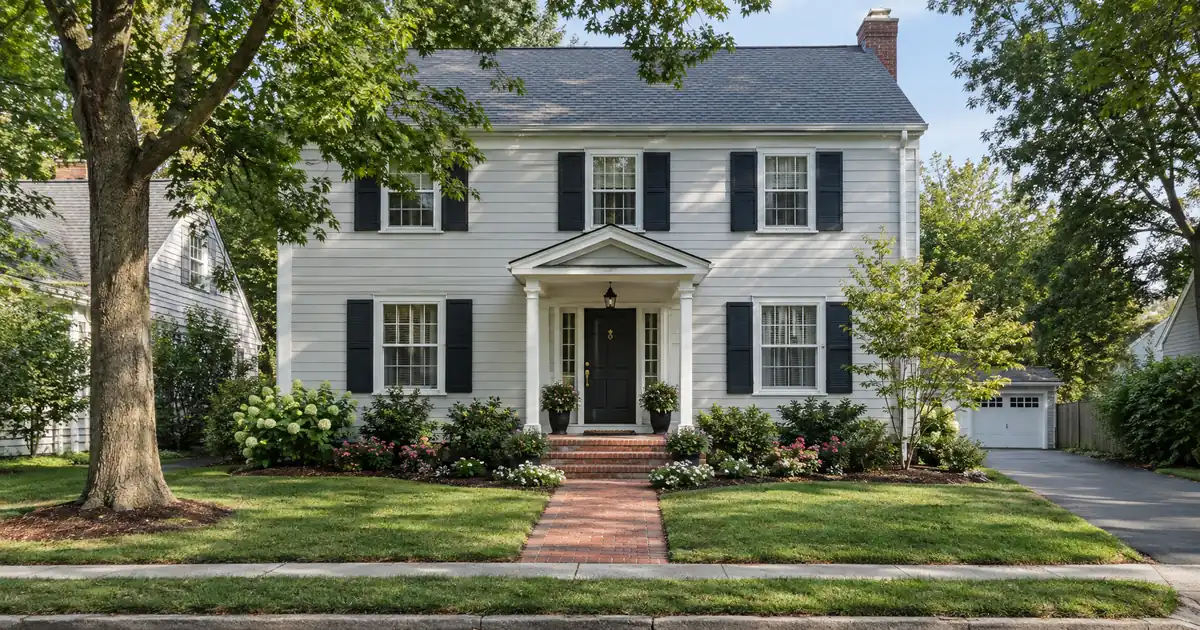
The Quick Read: It comes down to one cap. On a one-unit primary home, a conventional cash-out refinance generally lets the new loan reach 80% of the appraised value. You keep roughly 20% equity untouched, and the cash you receive is whatever sits between your current payoff and that cap, minus costs. Two waiting-period checks come first, and the appraisal, not your own estimate, sets the final number.
Key Takeaways
- The ceiling is 80% loan-to-value on a one-unit primary residence. It is 75% on two- to four-unit primary residences, second homes and investment property.
- Two clocks apply: six months on title, and a 12-month-old first mortgage if you are paying one off.
- Closing costs financed into the loan shrink your cash, because they count toward the cap.
- A low appraisal cuts your cash faster than most first-timers expect.
- A cash-out refinance replaces your first mortgage. A HELOC sits beside it.
What “First-Time Borrower” Means Here
Lenders do not have an official “first-time equity borrower” label. Here it means a homeowner borrowing against equity for the first time. You may never have refinanced, or you may never have pulled cash from a home.
That is different from a “first-time homebuyer,” which is a purchase-loan term. Buyers with no ownership interest in a residence in the previous three years can reach 97% leverage on a purchase. Cash-out refinances do not work that way. A first-time equity borrower faces the same 80% cap as anyone else. These specifics are subject to lender guidelines and a full review of property, leverage, and credit.
One more point on occupancy. This article covers the home you live in. Occupancy decides leverage, so second homes and investment property cap at 75% on a cash-out. That is the only mention they get here.
How Much of Your Equity Can You Actually Reach?
You can reach up to 80% of your home’s appraised value as a total loan balance, on a one-unit primary residence. Equity is value minus what you owe. The cap applies to the new loan plus any other liens, so it limits total debt on the home, not just the new mortgage.
Here is the formula in plain words:
1. Take the appraised value.
2. Multiply by 80%.
3. Subtract everything you must pay off: your first mortgage, any second lien, and costs rolled into the loan.
4. What remains is your cash.
The Fannie Mae Eligibility Matrix sets these ceilings. It lists 80% for one unit and 75% for two to four units. It also lists 65% for a one-unit manufactured home. Compare that with a limited cash-out refinance, which is a refinance that only pays off your loan and costs. On a one-unit primary home it reaches 95% leverage, or 97% where the existing loan is agency-owned and the first-time-buyer program allows it. The exact numbers vary by lender and program and follow a full review of property, leverage, and credit.
The practical lesson is simple. You need more equity going in than you will keep. To pull any cash at all, your payoff must sit below 80% of value, with room left for costs.
There is one exception to the 80% cap. Across the wholesale programs Lendmire places files with, a single lane reaches 89.99% loan-to-value, and it is structured without mortgage insurance. It asks for a 680 score and a 50% ratio on a thirty-year fixed loan on a primary residence with a conforming balance. It carries its own six months of seasoning. The lane is not written in Texas. Everything here is subject to lender guidelines and full file review.
Scenario Grid: Equity, Cash and the Appraisal
The grid below uses percentages of today’s appraised value, not dollars. Read each row as “my payoff equals X% of my home’s value.” Gross cash is the 80% cap minus your payoff, before any closing costs. These are modeled assumptions, not market data.
| Your payoff (% of value) | Equity today | Room under 80% cap | Read |
|---|---|---|---|
| 40% | 60% | 40 points | Strong cash position |
| 60% | 40% | 20 points | Healthy cash after costs |
| 70% | 30% | 10 points | Thin once costs come out |
| 78% | 22% | 2 points | Barely worth the effort |
| 85% | 15% | — | Over the cap, no cash-out |
The last row matters. Fifteen percent equity feels like a lot of money, but the cap leaves you nothing to borrow.
What a Low Appraisal Does
Say you owe 60% of what you believe the home is worth. The 80% cap gives you 20 points of room. Now the appraisal comes in 10% lower than your estimate.
Measured against your original estimate, the cap drops from 80 to 72. Your payoff stays at 60. Your room shrinks from 20 points to 12. A 10% miss on value cuts your cash by 40%.
That is why equity math built on a listing site’s estimate falls apart. The appraised value drives the loan.
Eligibility Gates: Check These Before the Equity
Run the gates in this order: waiting periods, occupancy, equity, then credit and ratios. If you fail a gate, the equity math does not matter yet.
Gate 1: Two Separate Clocks
These clocks are often confused. They measure different things.
Clock one is time on title. At least one borrower must have been on title for six months before the new loan funds. The Fannie Mae Selling Guide sets this in its cash-out section.
Clock two is the age of the loan you are paying off. If you pay off a first mortgage, it must be at least 12 months old, measured from its note date to the new note date. Fannie Mae introduced that rule in its announcement of the 12-month requirement. Paying off a second lien of any age is allowed.
A recent buyer with a financed home often fails clock two, even after six months on title. If you bought with a loan last spring, count twelve months from that loan’s note date.
Gate 2: Occupancy
The cap shown earlier assumes you live there.
Gate 3: Credit and Ratios
The wholesale conventional programs start at a 620 decision score. The automated finding governs most files, and the total ratio ceiling is 50%. Manually underwritten loans use tighter ratios of 36% or 45%, plus reserve and score factors from the Eligibility Matrix. Reserves are cash left over after closing. The matrix sets reserve and score requirements by transaction, so ask for your specific file’s numbers.
If equity is not the issue but your credit is, Lendmire’s piece Cash-Out Refinance Requirements for a First-Time Equity Borrower covers the qualification side in more depth.
How the Loan Is Underwritten, Step by Step
Underwriting follows a fixed sequence. Knowing it helps you gather documents in the right order.
1. Classification. The lender decides whether your transaction is cash-out. A payoff plus cash to you is cash-out. Paying off a second lien of any age counts. So does a new first mortgage on a home you own free and clear.
2. The clocks. The lender checks title time and the age of your current loan.
3. Occupancy. The file must show you live in the home.
4. Appraisal. The appraised value sets the loan ceiling. Your combined loan-to-value includes every lien on the property.
5. Borrower review. The lender checks credit, income, debt-to-income ratio and reserves.
6. Pricing. Cash-out loans carry risk-based pricing adjustments on top of the base price. Higher leverage and lower scores cost more, and cash-out costs more than a limited cash-out refinance. Figures change, and your Loan Estimate is the place to read them.
7. Closing. You receive a Loan Estimate and a Closing Disclosure. On a primary residence, a three-business-day cancellation window follows signing, and funds are released after it ends.
Acceptable uses of the proceeds are broad. The Selling Guide lists paying off your first mortgage, financing closing costs, paying off other liens, and taking equity out for any purpose.
Structures and Variations
Cash-out is one of several refinance structures.
| Feature | Cash-Out Refinance | Limited Cash-Out (Rate-and-Term) |
|---|---|---|
| Max leverage, 1-unit primary | 80% | 95% (97% if existing loan is agency-owned) |
| Cash to you | Yes, any purpose | Only incidental |
| Title time | Six months | No six-month rule |
| Existing loan age | 12 months if paid off | No 12-month rule |
| Mortgage insurance | Rare here (80% cap) | Above 80% |
If you do not need cash, a limited cash-out refinance reaches higher leverage and skips the seasoning rules. It can fit someone who wants a different loan term or a different payment structure without pulling equity.
Government streamlines exist for people who already hold FHA or VA loans. They have their own rules and different ways of qualifying.
Cash-out versus a HELOC is the other big fork. A cash-out refinance replaces your first mortgage with one new loan. A HELOC or home equity loan leaves your first mortgage alone and adds a second lien. The Consumer Financial Protection Bureau draws the same line. If you hold a first mortgage with terms you like, replacing it is a real tradeoff. Lendmire’s piece Should a First-Time Equity Borrower Use Cash-Out Refinance Over a HELOC? works through it.
Mortgage insurance is the last variable. On most conventional loans it is required above 80% loan-to-value. You may request cancellation at 80% of the original value with good payment history and no subordinate liens. The servicer must end it automatically at 78%. Standard cash-out loans stay at or below 80%, so insurance rarely comes up. The one higher-leverage lane described earlier reaches 89.99% and is built without it, at a 680 score.
Where the General Rule Breaks
Several named exceptions change the clocks or the classification. They come from the Selling Guide’s cash-out section.
- Inheritance or a legal award. If you received the home by inheritance, or it was awarded in a divorce, separation or dissolution of a domestic partnership, the six-month title wait does not apply. The lender must document it, and you must still hold title and qualify.
- Delayed financing. If you bought with cash, you can do a cash-out refinance inside six months. The purchase must be arm’s-length and the source of funds documented. If you used an unsecured loan or a HELOC on another property, the settlement statement must show that debt repaid. Here is the catch: the loan is still classified and priced as cash-out, so the cash-out limits and pricing still apply.
- Free-and-clear homes. A new first mortgage on a home with no lien is cash-out. Many owners assume it is not.
- LLC or trust ownership. Time held by a borrower-controlled LLC can count toward the six months, but title must move into your name to close. Time in a revocable trust can count if you are the primary beneficiary.
- Delinquent property taxes. Financing past-due property taxes can fit the cash-out definition. The lender applies the guide’s specific delinquency threshold, and a qualified local tax professional can speak to your situation.
- Student loan cash-out. The cash-out pricing adjustment is waived when the program’s delivery requirements are met.
- Ineligible structures. Some loan types cannot be delivered as cash-out. Examples include loans with a temporary buydown and certain energy-improvement transactions. Confirm with your lender against the current guide.
What the Decision Looks Like in Practice
Most first-timers decide in four moves.
Start with your purpose. Paying off other debts is the most common use of cash-out proceeds, according to the CFPB’s research on cash-out borrowers. The same research flags a risk. You move unsecured debt onto a loan secured by your home, which raises foreclosure risk. A credit card default does not threaten your house. A missed mortgage payment does.
Compare net cash, not gross cash. Take your gross room under the cap and subtract closing costs. Those include lender fees, the appraisal, title and recording charges, prepaid items and escrow deposits. If you finance the costs, they count toward the loan amount and reduce your cash point for point.
Weigh your current loan. A cash-out refinance replaces the interest rate, term and balance on your current loan. If your existing terms are strong, a second lien may suit you better. If the existing loan is weak, replacing it can pay off twice.
Think about the payment. Your payment depends on the new balance, the term and the pricing. A larger balance or longer term can raise the payment or stretch your payoff timeline. Do not borrow the maximum just because the cap allows it.
Credit scores often rise right after a cash-out refinance, because the borrower pays down cards. In the CFPB’s study of borrowers from the earlier part of the last decade, scores then drifted down but stayed above their pre-refinance levels.
Common First-Timer Mistakes
- Using an estimate instead of the appraisal. The grid above shows why this matters.
- Forgetting other liens. A second mortgage or HELOC counts against the 80% cap.
- Forgetting closing costs. They come off your cash.
- Believing you can borrow 100% of equity. The matrix caps a one-unit primary home at 80% loan-to-value.
- Assuming a recent purchase qualifies. Six months on title and a 12-month-old loan are separate tests.
- Treating “delayed financing” as a rate-and-term loan. It is cash-out in classification and pricing.
- Assuming you can cancel at will. The federal cancellation right lasts three business days. A waiver is allowed only for a genuine personal financial emergency, in your own written statement, per the CFPB’s rescission guidance.
Pre-Application Checklist
Gather these before you talk to a broker:
- The closing date and note date of your current mortgage.
- The date you took title, and how you took it.
- Your current payoff balance and any second liens.
- Pay stubs, tax documents and bank statements for the income and reserve review.
- A list of what the cash is for.
- Your own value estimate, held loosely until the appraisal is done.
Tax treatment can depend on your situation; borrowers should speak with a qualified tax professional before relying on any deduction or credit.
Key Terms Defined
Cash-out refinance: A new first mortgage that pays off your old loans and gives you the leftover cash.
Loan-to-value (LTV): Your loan balance divided by the home’s appraised value.
Combined LTV: The same ratio, but it adds every lien on the home, including second mortgages.
Seasoning: The waiting period a lender requires, such as time on title or the age of the loan being paid off.
Delayed financing: An exception that lets a cash buyer take a cash-out loan inside six months of buying.
Mortgage insurance: A premium that generally applies to conventional loans above 80% leverage, protects the lender, and ends at set points. Terms depend on the lender’s guidelines, the property type, the leverage, and a full review of the credit profile.
Note date: The date you signed the promissory note for a loan.
A Practical Next Step
Equity is the budget, and the appraisal sets the budget’s size. If you are weighing a cash-out refinance against keeping the loan you have, Lendmire can help you compare the programs and the equity each one reaches. You can start with Lendmire’s cash-out refinance programs. All figures are subject to lender guidelines and full file review, and nothing here is a commitment to lend.
Frequently Asked Questions
How much cash can I get from a conventional cash-out refinance?
It depends on your payoff and your appraised value. On a one-unit primary home, multiply the appraised value by 80%, then subtract your payoff, any other liens and financed costs. What remains is your cash. Because the appraisal drives the figure, a lower value cuts your cash by more than the percentage drop itself.
Can I do a cash-out refinance right after buying my home?
Usually not. At least one borrower must hold title for six months, and a first mortgage you pay off must be at least 12 months old. Exceptions exist for inheritance, legal awards and delayed financing for cash buyers. Check your note date, since many recent buyers pass the title test but fail the loan-age test.
Is a cash-out refinance the same as a HELOC?
No. A cash-out refinance replaces your first mortgage with a new loan. A HELOC or home equity loan stays alongside your existing first mortgage as a second lien. The choice usually turns on whether your current first mortgage is worth keeping.
Does a free-and-clear home count as cash-out?
Yes. A new first mortgage on a property with no lien is classified as cash-out, so the 80% cap and cash-out pricing apply. That surprises many owners who assume a home with no loan is simply a fresh start.
Will I owe mortgage insurance on a cash-out refinance?
Typically not on a standard cash-out at or below 80% loan-to-value. Conventional mortgage insurance generally applies above 80%, and where it applies you may request cancellation at 80% of original value, with the servicer ending it at 78%. The one wholesale lane that reaches 89.99% is structured without it.
For your own numbers, request a scenario review with Lendmire.
About Lendmire
Lendmire — NMLS# 2371349 — is a mortgage broker that arranges FHA, VA, conventional and jumbo home purchase and refinance financing in 16 states through wholesale lenders. Every option is subject to the lender’s guidelines and full underwriting. Scotsman Guide named Lendmire a Top Mortgage Workplace in both 2025 and 2026.
Get Started
Ready to find the right loan for you?
In about 30 seconds you can review financing options available for your home or investment property. No commitment required.
Informational only. Not a Loan Estimate, approval, or commitment to lend. Program availability and eligibility are subject to lender guidelines, credit approval, property review, and underwriting.
References
1. Fannie Mae Eligibility Matrix
2. Fannie Mae Selling Guide B2-1.3-03: Cash-Out Refinance Transactions
3. Fannie Mae announcement of the 12-month rule
4. Consumer Financial Protection Bureau
5. CFPB’s research on cash-out borrowers
6. CFPB: Can I ever waive my right to rescind on my mortgage loan?
This article is part of Lendmire’s Conventional Loans series — every loan program’s qualification details, guidelines, and scenarios live on the loan options page.
Related reading: Conventional Cash-Out Refinance Documentation for Each Borrower Type · Can You Get a Conventional Cash-Out Refinance on a Vacation Home? · Conventional Cash-Out Refinance Limits for a 2-4 Unit Home
Brandon Miller
Founder & CEO, Mortgage Loan Originator, Lendmire LLC
- Mortgage Loan Originator · NMLS# 1129696 · Verify on NMLS Consumer Access
- North Carolina Real Estate Broker · License# 343312 · Verify on NCREC
- North Carolina Insurance Producer · License# 19053198 · Property, Casualty, Life, Health · Verify on NAIC SBS
- Lendmire LLC · Firm NMLS# 2371349 · Verify firm licensure
Disclosure information. Lendmire is a state-licensed mortgage brokerage under NMLS# 2371349. Lendmire is not a depository institution, direct lender, or financial advisor — all loans referenced are placed through wholesale lender partners and are subject to each lender's underwriting standards. This article is provided for general informational purposes and is not a commitment to lend, nor does it constitute financial, legal, or tax advice. Loan programs, terms, rates, and qualification standards change without notice and depend on borrower profile, property type, and the state in which the subject property is located. Equal Housing Opportunity provider. NMLS Consumer Access: nmlsconsumeraccess.org.