
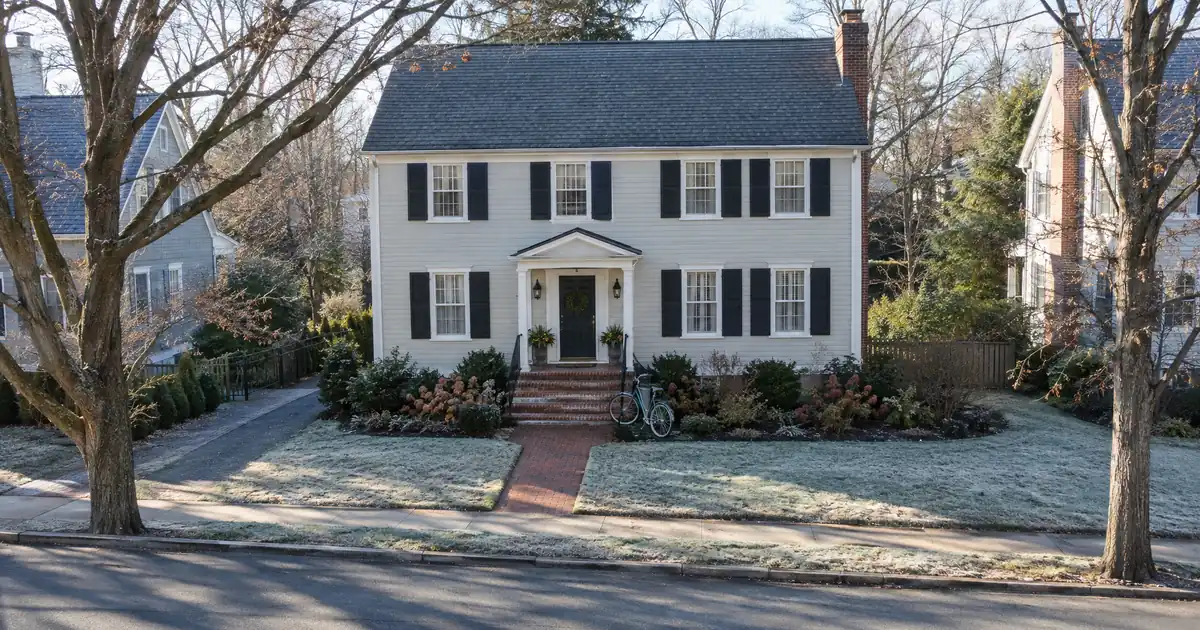
The Quick Read: No, not on a standard FHA cash-out refinance. At least one borrower must have owned and lived in the home as a principal residence for the 12 months before the FHA case number is assigned. A borrower at month 10 or 11 has to wait or choose a different refinance, because the missing months cannot be counted. Inheritance is the main named exception.
What Is the Occupancy Period, and What Is It Measured From?
The occupancy period is 12 months of owning and living in the home as your principal residence. The end date is not your closing date. It is the date the lender requests the FHA case number, which is the identifier FHA assigns to the loan file.
FHA cash-out estimate
Seeded with an example value, a balance to match, and a round cash request; change any field.
Editable benchmark: 7.24% as of October 29, 2026 · Freddie Mac 30-year average via FRED®. A conventional market reference, not an FHA cash-out refinance quote.
Illustrative starting assumptions: a $350,000 home value, a $193,000 current balance, the FHA cap on a principal residence with the upfront premium financed, a thirty-year term at the current Freddie Mac benchmark, and property taxes and insurance estimated at typical national rates. Every field is editable.
An illustration, not a Loan Estimate, an approval, a quote, or a commitment to lend. The rate shown is the weekly Freddie Mac thirty-year conventional benchmark, used as a market reference; an FHA cash-out is priced by the lender at lock, and this is not an FHA cash-out refinance quote. HUD’s cap limits the base loan; the upfront premium is financed on top of the capped base loan; the monthly premium for the first year follows the snapshot’s schedule. Cash available means the base loan the cap permits less the balances retired, before closing costs, which this calculator leaves out. The line figure applies the line program’s combined loan-to-value ceiling to the same value and balance. Taxes and insurance are estimates you can edit. Licensed in sixteen states for consumer mortgages.
Someone who has lived in the home for 11 months may think the file is fine because closing will land after month 12. It is not. The 12 months must already be complete on the day the case number is assigned. Starting the file early to “lock in” a timeline backfires.
Across the wholesale programs Lendmire places FHA loans with, the FHA cash-out reaches 80% LTV on a home owned and occupied for 12 months before the case number. That is the program as it is built. Details are subject to lender guidelines and full file review. For the program overview, see Lendmire’s FHA cash-out refinance program page.
Can You Cash Out Before It Ends?
Generally, no. Cash-out is allowed only on an owner-occupied principal residence, and the 12-month test is how FHA confirms the home is truly your residence. Equity does not override it. A borrower with plenty of equity and a strong credit profile still fails the time test if the months are not there.
Three separate tests decide a cash-out file:
- Time: 12 months owned and occupied before the case number.
- Equity: the new loan must stay within 80% LTV.
- Credit and income: the borrower must still qualify on the ratios and credit review. Each figure is subject to lender guidelines and a complete review of property type, leverage, and credit.
Most early applicants fail the first one. Strong numbers on the other two do not fix it.
How Does the 80% Cap Work?
HUD Mortgagee Letter 2019-11 set the maximum LTV and combined LTV on cash-out refinances at 80% of adjusted value. It applies to case numbers assigned on or after September 1, 2019. Before that, the cap was 85%. A HUD press release announced the change, and the letter ties it to stronger equity and lower loss severity in a default. It also notes that cash-out endorsements had grown 250.47%.
Two practical points follow:
1. The cap covers all liens. If a second lien stays on the home, it counts toward the 80%.
2. At least 20% equity remains after closing. The new loan has to cover the payoff, financed costs, and the cash you take, all inside that cap.
Older articles still show 85%. They are out of date for new loans. Hawaiian Home Lands (Section 247) loans were excluded from the change, as Consumer Finance Monitor notes.
How Does the Clock Count? Three Scenarios
Run the logic on three hypothetical borrowers. No dollar figures are needed.
Borrower A bought and moved in 10 months ago. The clock is not complete. A cash-out is off the table until month 12 has passed, and the case number cannot be requested before then.
Borrower B moved in 12 months ago but missed a payment in the last year. The occupancy time is met, but the payment history is a separate review. Lenders generally look for every payment made within the month due, and a recent late payment can block a cash-out. Confirm the exact standard with the lender.
Borrower C moved in 14 months ago with clean payments. The time test is met. The deal works to appraisal, the 80% cap, and the income and credit review.
The lesson: mark your eligibility date on a calendar, count back from the case number date, and verify payment history before you ask anyone to pull a case number.
Whose Occupancy Counts?
At least one borrower on the loan must have owned and occupied the home for the full period. A non-occupant co-borrower can help on some FHA purchase files, but handbook text says income from a non-occupant co-borrower cannot be used to qualify for a cash-out refinance. If the person living in the home is not carrying the income, a cash-out gets hard.
Adding someone to the title or the loan right before applying does not reset or replace the clock. The borrower who meets the 12 months has to be on the file and has to qualify.
What Lenders Verify
The lender has to document that the home was your principal residence for the full period. Expect to provide:
- Employment documentation showing the home address, or
- Utility bills in your name for the 12 months before the case number.
- A mortgage payment history for the prior 12 months.
- A full appraisal, since there is no appraisal waiver on a cash-out.
A full appraisal also means more cost than an FHA Streamline, which has no appraisal. Gaps in utility history are a common reason files stall. If you moved in and the bills stayed in a prior owner’s or landlord’s name for a few months, find the account history early.
Which Exceptions Apply?
| Situation | Does the 12-month clock apply? | What the lender checks |
|---|---|---|
| Inherited the home | Handbook exception for heirs | Never treated as an investment property |
| Inherited, then rented it out | Yes, the clock applies | 12 months as your principal residence |
| Manufactured home | Yes, plus permanent installation | Installed on a site for more than 12 months |
| Divorce buyout of a spouse’s equity | Handbook has a provision | Confirm the exact terms with the lender |
| Moved out and rented the home | Yes, you must be occupying it | Current principal residence status |
Inheritance is the one the handbook names plainly. An heir does not need a minimum occupancy period, as long as the home was never treated as an investment property since the inheritance. Rent it out, and you lose that exception.
The handbook wording above is HUD’s. Confirm current section numbers against HUD Handbook 4000.1 before relying on them for a specific file.
What If You Moved Out or Rented the Home?
Cash-out is for the home you live in. A property that is now a rental, a second home, or a home you have left does not qualify as a principal residence for this program. If you moved out mid-clock for a job relocation or a renovation, the lender looks at whether the home remained your principal residence. That is a file-by-file review, not something to assume.
If the title question is really about a rental, the answer is short: occupancy decides leverage, and a standard FHA cash-out is for owner-occupied principal residences only.
What Are Your Options If You Are Not Eligible Yet?
| Option | Cash back | Occupancy test | Notes |
|---|---|---|---|
| Wait for month 12 | Up to 80% LTV | 12 months before case number | Mark the date, check payment history |
| FHA rate-and-term | Little or none | Higher LTV with 12 months occupied | Reaches 97.75% with 12 months; lower under 12 |
| FHA Streamline | Very limited | Requires existing FHA loan | No appraisal, net tangible benefit needed |
| Other cash-out types | Varies | Different clocks | Compare programs and the equity each reaches |
The rate-and-term refinance is the practical alternative before month 12, but it is not a cash-back product. For a borrower who has occupied the home fewer than 12 months, the allowed LTV is lower than the 97.75% available after a full year, so equity matters even more.
An FHA Streamline refinances an existing FHA loan with no appraisal and a limited credit review. It needs a net tangible benefit, and the mortgage insurance premium continues. It does not deliver meaningful cash.
For many borrowers the real answer is simply to wait. One more month of occupancy can be the difference between a clean cash-out file and a denied one.
What Does It Cost in Mortgage Insurance?
On the parameters Lendmire’s wholesale programs work with, FHA carries an upfront premium of 1.75% of the base loan, which can be financed, plus an annual premium between 0.15% and 0.75% of the balance depending on term, loan amount, and LTV. On a thirty-year loan above 90% LTV, the annual premium lasts for the term. At or below 90%, it ends after eleven years. A cash-out refinance applies mortgage insurance to the whole new, larger balance. County loan limits apply and change every year.
Common Mistakes
- Counting the closing date instead of the case number date. The test is measured at case number assignment.
- Assuming 85% LTV. That ended for case numbers assigned on or after September 1, 2019.
- Assuming a higher credit score buys more cash. Cash-out stays capped at 80% regardless of score.
- Assuming inheritance always waives the wait. It does not if the home was ever treated as an investment property.
- Expecting cash from a rate-and-term refinance. It gives little or no cash back.
- Applying early to “start the clock.” The 12 months must be complete before the case number, so an early application does not help. Leverage, reserves, and pricing vary by lender and program; the final terms follow the full file review.
Some lenders set stricter overlays than HUD, such as a higher credit floor or extra payment-history limits. The network’s FHA programs start at a 580 decision score, with a 3.5% minimum investment on purchases. Everything is subject to lender guidelines and full file review, and nothing here is a commitment to lend.
Key Terms Defined
Seasoning: the minimum time you must own or live in a home before a given loan is available.
Case number: the identifier FHA assigns to a loan file; the 12-month test ends on this date.
Adjusted value: the appraised value figure FHA uses to apply its LTV cap.
Principal residence: the home where you actually live most of the year.
Cash-out refinance: a new loan that pays off the old one and gives you part of your equity in cash.
Frequently Asked Questions
Can I apply at month 11 if closing will land after month 12?
No. The 12 months must be complete on the date the case number is assigned, not the closing date. Applying at month 11 means waiting until the next month, then requesting the case number.
Does an inherited home need the 12-month wait?
Usually not. The handbook exception for heirs removes the minimum occupancy period, but only if the home was never treated as an investment property after the inheritance. If you rent it out, the 12-month principal-residence clock applies.
Will one late payment stop a cash-out?
Yes, it can. Lenders generally check that every payment in the prior 12 months was made within the month due, and late payments can disqualify a cash-out. Confirm the exact standard with the lender before ordering anything.
Is a rate-and-term refinance a way around the wait?
Only if you do not need cash. It allows a higher LTV after 12 months of occupancy and a lower one before that, but it provides little or no cash back.
Can a non-occupant co-borrower carry the income?
Not on a cash-out refinance. Handbook text says income from a non-occupant co-borrower cannot be used to qualify. The person living in the home needs to qualify.
Next Step
If you are weighing a cash-out refinance against keeping the loan you have, Lendmire can help you compare the programs and the equity each one reaches. For a closer look at how seasoning works on a different program, Lendmire’s piece on VA cash-out seasoning shows the contrast.
For your own numbers, request a scenario review with Lendmire.
About Lendmire
Lendmire (NMLS# 2371349) is a mortgage brokerage serving homeowners and home buyers in 16 states. FHA, VA, conventional and jumbo purchase and refinance loans are arranged through wholesale lending channels; Lendmire brokers the financing and the lender underwrites each application. Scotsman Guide named Lendmire a Top Mortgage Workplace in both 2025 and 2026.
Get Started
Ready to find the right loan for you?
See your offer in seconds. No credit pull, no obligation.
Informational only. Not a Loan Estimate, approval, or commitment to lend. Program availability and eligibility are subject to lender guidelines, credit approval, property review, and underwriting.
References
1. HUD Mortgagee Letter 2019-11
2. HUD press release PR 19-114
This article is part of Lendmire’s FHA cash-out refinance program — full qualification details, guidelines, and scenarios live on the program page.
Related reading: FHA Loans for Buyers Moving Out Early: What Occupancy Allows · Best FHA Cash-Out Refinance Program After Twelve Months of Occupancy · VA Cash-Out vs FHA Cash-Out for a Former Service Member’s Spouse
Brandon Miller
Founder & CEO, Mortgage Loan Originator, Lendmire LLC
- Mortgage Loan Originator · NMLS# 1129696 · Verify on NMLS Consumer Access
- North Carolina Real Estate Broker · License# 343312 · Verify on NCREC
- North Carolina Insurance Producer · License# 19053198 · Property, Casualty, Life, Health · Verify on NAIC SBS
- Lendmire LLC · Firm NMLS# 2371349 · Verify firm licensure
Required disclosures. Lendmire (NMLS# 2371349) operates as a licensed mortgage broker, not a direct lender or depository. The discussion in this article is general in nature and should not be relied upon as financial, legal, or tax advice — every investment scenario is unique and should be reviewed by a qualified professional. Any loan inquiry is subject to lender underwriting, and this article is not a commitment to lend or a guarantee of approval. Mortgage rates, loan terms, and program guidelines vary by borrower, property, and state, and may change without notice. Equal Housing Opportunity. Verify licensure at NMLS Consumer Access.