
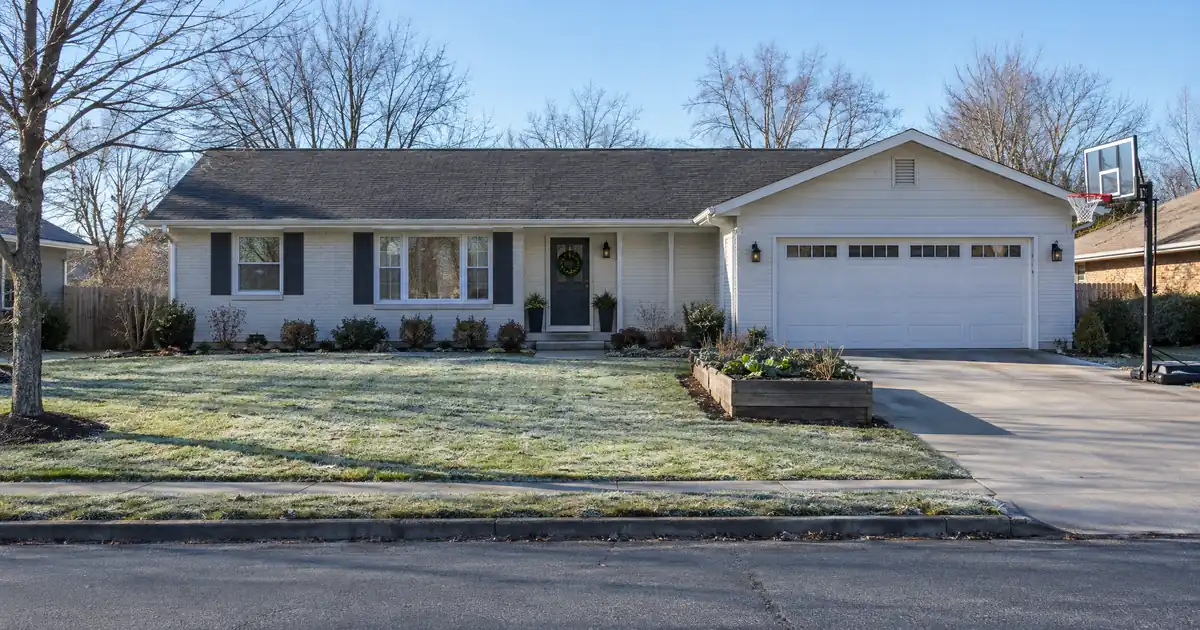
The Quick Read: FHA occupancy is an intent test at closing plus a move-in deadline, not a lien that fires on a set day. At least one borrower must occupy the home as a principal residence within 60 days of signing the security instrument and intend to stay at least one year. Life changes after a good-faith purchase are a different matter from a false certification. Exceptions exist, but they need documentation and lender review.
Key Takeaways
- The rule is two parts: move in within 60 days of signing, and intend to live there for at least one year.
- The one-year figure is tied to intent when you sign. HUD’s wording does not describe an automatic penalty clock.
- The real exposure is a false certification of intent, not a move that follows a real change in plans.
- Keeping the old home while buying a new FHA home generally needs a named exception, such as an employment-related move.
- Rent from a vacated home counts only partly, and only under specific conditions.
What Does the FHA Occupancy Rule Actually Require?
The rule has two pieces: move in within 60 days of signing, and intend to stay for at least one year. HUD’s FHA answers page states both and points to Handbook 4000.1 as the source. At least one borrower has to meet it. Not every borrower on the note does.
FHA payment estimate
Starting assumptions reflect an example price and the FHA minimum investment. Replace them with your own figures.
Editable benchmark: 7.32% as of October 22, 2026 · Freddie Mac 30-year average via FRED®. A conventional market reference, not an FHA loan quote.
Illustrative starting assumptions: a $350,000 price, the FHA minimum investment as the down payment, a thirty-year term at the current Freddie Mac benchmark, and property taxes and insurance estimated at typical national rates. Every field is editable.
Illustrative estimate only — not a Loan Estimate, approval, quote, or commitment to lend. The rate field carries the weekly Freddie Mac thirty-year conventional benchmark, a market reference and not an FHA loan quote; your rate is set by the lender at lock. FHA mortgage insurance follows HUD’s published schedule for the term, leverage and loan size entered; taxes, insurance and dues are editable estimates; closing costs are not included; county loan limits are not checked here. Licensed in sixteen states for consumer mortgages. Lendmire is not affiliated with or acting on behalf of FHA, HUD, or the federal government.
Across the wholesale programs Lendmire places FHA files with, this is what makes the loan an owner-occupied loan. That status is why the leverage is available. A purchase can reach 96.5% financing with a 3.5% minimum investment from a 580 decision score, on a principal residence of one to four units. Subject to lender guidelines and full file review, that is the envelope. Occupancy is what holds it up.
Two practical points sit inside the rule.
1. The 60-day clock starts at signing, not at the keys or the first utility bill.
2. The one-year piece is intent. You certify it at application and again in the closing documents.
Handbook 4000.1 itself is posted on HUD’s handbook page. It is the document to check for current wording.
Intent Versus What Actually Happens
Moving out early is not automatically a violation. Misrepresenting what you intended on the day you signed is the violation. That distinction drives everything else here.
HUD’s Office of Inspector General describes the requirement as occupancy as a primary residence for at least one year, with intent certified when the borrower signs the application and an addendum. Its civil cases show where enforcement lands. In one, a borrower on a cash-out refinance allegedly bought and moved into another home about a month after closing. HUD alleged a false certification.
Other settled cases follow the same pattern. In one, a borrower allegedly never lived in the home or intended to, and the alleged FHA claim was $749,381. In another, a property was allegedly vacant and offered for rent about six months after settlement.
Those are settled allegations. They illustrate enforcement. They are not typical outcomes, and they are not a prediction for a buyer whose job moved.
Some consumer pages say you “cannot legally convert” an FHA home to a rental inside twelve months. That is stricter than HUD’s own wording. Work from the HUD language.
Here is what an underwriter and a later reviewer look at: the timeline between closing and the move, whether the home was listed for rent soon after settlement, whether the borrower closed on another home right away, and whether the stated reason for leaving is documented. A file where the story is consistent and the paperwork supports it reads very differently from one where the dates collide.
Who Has to Live There?
Only one borrower has to occupy the home. A non-occupant co-borrower is allowed under the programs Lendmire places FHA loans with, so a parent or relative can co-sign without moving in. The occupying borrower carries the occupancy requirement.
The single-borrower question comes up after divorce or separation, when one co-borrower stays and the other leaves. Secondary sources treat that as a named exception for buying again. Confirm it against the Handbook. The leaving borrower’s occupancy of the first home is not what breaks the file. What matters is whether one borrower remained as the principal-residence occupant.
Multi-unit purchases follow the same rule. An FHA purchase can cover one to four units. The borrower lives in one unit and may rent the others. The occupancy test applies to the borrower’s unit.
Key Terms Defined
Principal residence: the home where the borrower actually lives most of the time, as opposed to a second home or a rental.
Security instrument: the mortgage or deed of trust you sign at closing. The 60-day move-in clock starts on its signing date.
Certification of intent: the borrower’s signed statement that they plan to occupy the home as a principal residence.
Net tangible benefit: the measurable gain an FHA Streamline must show for the borrower. It applies to refinancing an existing FHA loan.
Effective income (rental): the portion of rent a lender counts toward qualifying, which is less than the full rent.
Early-Exit Exceptions and What Each One Needs
The exceptions mostly matter for borrowers who want a second FHA loan while keeping the first home. FHA generally allows one FHA-insured principal residence at a time. Secondary sources list four exceptions to that one-loan limit: job relocation, increased family size, vacating a jointly owned property (the divorce or separation case), and being a non-occupying co-borrower. Active-duty military orders are a separate occupancy situation, covered in the last row of the table. Verify exact standards against HUD’s multiple-FHA-loans guidance before relying on any of them.
| Trigger | How it works | What to document |
|---|---|---|
| Job relocation | Employment-related move, new home more than 100 miles away | Employer letter or transfer, proof of distance |
| Family size | Household grows past what the home fits | Lender-specific; equity condition may apply |
| Divorce or separation | One borrower stays, one leaves | Divorce paperwork, who remains in the home |
| Non-occupant co-borrower | Co-signed for someone else’s home | Evidence the other borrower occupies |
| Active-duty military | Family may occupy, or borrower occupies on discharge | Orders showing a duty station over 100 miles away |
The 100-mile figure comes from secondary sources and from a draft of HUD’s rental-income letter. Treat it as the number to confirm with the lender against the final HUD text. Older guidance used softer commuting-distance language, so a borrower with an older checklist may have outdated information.
One more variation: a 203(k) rehab loan can change the occupancy timing, because the home may be unlivable while work is underway. That is a separate program with its own file requirements.
Whether an exception exists and whether a given lender approves it are two different questions. Overlays differ. A borrower who is reviewed on paper can still hit a lender that wants more.
Can the Rent From the Old Home Help You Qualify?
Partly. Rent from a vacated home can count as income, but only a share of it, and only under HUD’s rental-income rules in Mortgagee Letter 2023-17.
The file items are specific. The letter calls for an appraisal that shows market rent plus a lease. For a one-unit property, that means a Form 1004 appraisal with a Form 1007 rent schedule. For two to four units, it is a Form 1025. For limited rental history, the formula uses 75 percent of the lesser of the appraiser’s fair market rent or the lease rent. That percentage comes from a trade-association copy of the letter, so confirm it in HUD’s own PDF.
Two cautions. A draft of the letter tied vacated-property rent to a relocation of more than 100 miles and a lease of at least a year. Check whether the final text keeps those conditions. And the old home’s full housing payment still gets measured against that partial rent. If the rent does not cover the old payment after the haircut, the shortfall lands in your debt-to-income ratio.
Ratios on the programs Lendmire places FHA files with start at 31/43 with no compensating factors. Documented compensating factors can reach 40/50 at the top tier, and the automated finding governs most files. Carrying two housing payments pushes against those limits fast, so a relocating borrower should expect the ratio to be the binding constraint more often than the credit score.
A Worked Example Without Dollars
Take a buyer who closes on a three-bedroom home with 3.5% down. She signs the security instrument, moves in within the 60-day window, and certifies one-year intent. Several months later her employer moves her to an office well over 100 miles away. Terms depend on the lender’s guidelines, the property type, the leverage, and a full review of the credit profile.
Her options sort into a short list.
1. She can sell. No new FHA loan is involved, so no exception is needed.
2. She can keep the home and rent it, and buy near the new job with a different loan type.
3. She can try for a second FHA loan under the job-relocation exception. The file then needs the employer letter, proof of distance, a rent appraisal and schedule, and a signed lease.
Under option three, the lender counts only part of the old home’s rent. If the partial rent does not cover the old payment, the shortfall counts in her ratios. Whether the lender approves depends on its overlays and her full file. Nothing here is a commitment.
Now change one fact. Suppose she closed and listed the home for rent a month later while already under contract on another property. That sequence looks like the OIG cases, and the intent question moves to the front of the file. Same borrower, same home, very different read.
What to Do If Your Plans Change
Call the loan officer before you list, lease or sign anything on the next home. That order matters more than any other step.
1. Stop and write down the date of closing and the date you moved in.
2. Gather proof of the reason for leaving: employer letter, orders, divorce filing, whichever applies.
3. Tell your loan officer what you want next: sell, rent, or buy again with FHA.
4. Ask for the lender’s own occupancy and exception requirements in writing.
5. Order the rent appraisal and draw up the lease only after that conversation.
Things to avoid:
- Listing the home for rent before talking to a lender.
- Closing on a second home with a loan that assumes you will live there, while still holding the first one.
- Describing your plans loosely on the new application. Occupancy certifications are federal program requirements.
What Happens If You Leave Early Without a Valid Reason?
A false occupancy certification can trigger civil or criminal action. That is the downside, and it is why the cases above exist. If the story was true at signing and then changed, the file is not the same as one where the borrower never planned to live there.
Practical consequences also exist short of enforcement. A lender reviewing a later application sees the earlier loan and the dates. A borrower who walked away from a short occupancy period can find the next lender asking harder questions. Occupancy inspections tend to matter more on defaulted loans, so keep the loan current while you sort out the plan.
Buying Your Next Home
The limit is on holding more than one FHA principal-residence loan at once. It is not a lifetime cap. After you sell or pay off the first loan, FHA is available again.
If you want to keep the first home, you need an exception or a different loan type. If you do not qualify for an exception, the options are to sell, to refinance the first home into another structure, or to stay. A borrower who relocated under the exception does not have to move back into the original home. A later new FHA loan still has to meet the exception tests.
If you stay in the first home and the plan is to refinance, the numbers differ by product. An FHA Streamline refinances an existing FHA loan with no appraisal, a limited credit review and a net tangible benefit. An FHA cash-out reaches 80% LTV on a home owned and occupied for 12 months before the case number. Lendmire’s piece FHA Cash-Out Requirements vs What an FHA Streamline Allows sets those two side by side. The exact numbers vary by lender and program and follow a full review of property, leverage, and credit.
Cash-out has its own occupancy test. FHA allows cash-out refinances only on owner-occupied principal residences, and the OIG case memo cited earlier shows a cash-out borrower who allegedly moved to another home about a month after closing.
Occupancy is not unique to FHA. Conventional loans generally ask for occupancy within about 60 days and roughly a year, subject to exceptions. VA treats 60 days as a reasonable time and does not use the same blanket one-year rule. Secondary sources describe a recent rule change on non-permanent resident eligibility for FHA, which affects who can be the occupant or co-borrower. Verify that with the current HUD letter.
Should You Pick FHA If You Might Move Soon?
It depends on how real the “might” is. If you expect to leave inside a year for reasons you can already name, FHA is a risky fit, because you would be certifying intent you do not have.
If the move is a possibility rather than a plan, FHA works. You certify what you honestly intend. The 96.5% financing with a 3.5% minimum investment at a 580 decision score is why many first-time buyers choose it. FHA loan programs also carry mortgage insurance: an upfront premium of 1.75% of the base loan, financed, plus an annual premium between 0.15% and 0.75% of the balance depending on term, loan amount and LTV. On a thirty-year loan above 90% LTV, the annual premium lasts for the term. At or below 90%, it ends after eleven years. Final terms depend on the lender’s guidelines, the property type, and the borrower’s complete credit picture.
That insurance cost is part of the trade. A buyer who might leave early should weigh it against the lower entry cost.
If you already hold a conventional loan and are thinking about moving to FHA for cash-out, the insurance exit matters. Lendmire’s article How to Plan the MIP Exit Moving From Conventional to FHA Cash-Out covers that.
A quick check before choosing FHA:
- Is there a named reason you could leave within a year?
- Would you keep the home and rent it, or sell?
- Would you want another FHA loan, or would a different loan type fit the next purchase?
- Do you have a co-borrower whose situation changes the occupancy picture?
Frequently Asked Questions
Do I have to stay exactly twelve months in an FHA home?
No fixed lock-in is stated in HUD’s wording. The rule is that you intend to occupy for at least a year when you sign, and that you move in within 60 days. Enforcement cases involve false certification of intent, not honest changes in plans. Document the reason if you leave.
How soon after closing do I have to move in?
Within 60 days of signing the security instrument. The clock starts on the signing date, not the day you get keys. At least one borrower must occupy the home as a principal residence.
Can I buy a second FHA home if my job moves me?
Possibly. FHA generally allows one FHA-insured principal residence at a time, and a job relocation is a commonly cited exception. Secondary sources tie it to an employment reason and a new home more than 100 miles away. Confirm the standard and the lender’s overlays before relying on it.
Can I use rent from the home I am leaving to qualify?
Only part of it. HUD’s rental-income letter requires a market-rent appraisal and a lease, and for limited history the formula counts 75 percent of the lesser of appraised or leased rent. The old home’s payment still counts against your ratios if the rent does not cover it.
What if one co-borrower moves out?
The requirement is that at least one borrower occupies the home. A co-borrower can leave if another borrower remains. Divorce and separation are named exception situations in secondary sources, so check the lender’s documentation list.
If you are buying a home and want to see whether an FHA loan fits your file, Lendmire can help you compare the options and what each one asks of the file.
For your own numbers, request a scenario review with Lendmire.
About Lendmire
Lendmire is a mortgage brokerage (NMLS# 2371349) licensed for consumer mortgage lending in 16 states, arranging FHA, VA, conventional and jumbo purchase and refinance loans through a wholesale lending network. Eligibility is determined by the lender on each file. Scotsman Guide named Lendmire a Top Mortgage Workplace in both 2025 and 2026.
Get Started
Ready to find the right loan for you?
In about two minutes you can review financing options available for your home or investment property. No commitment required.
Informational only. Not a Loan Estimate, approval, or commitment to lend. Program availability and eligibility are subject to lender guidelines, credit approval, property review, and underwriting.
References
1. HUD FHA Answers: How does FHA define owner occupant
2. HUD Handbook 4000.1 landing page
3. HUD OIG: borrower settled, primary residence requirement
4. HUD OIG: false certification, home purchase
5. HUD OIG: false statements, Baltimore purchase
6. HUD Mortgagee Letter 2023-17
7. HUD ML 2023-17 text (NRMLA copy)
This article is part of Lendmire’s FHA loan program — full qualification details, guidelines, and scenarios live on the program page.
Related reading: FHA Loans for Homeowners Moving Up Before Selling Their Current Home · FHA Loans for Buyers of Flipped Homes: When Resale Rules Apply · How to Apply for a New FHA Loan After Moving Out of Your First Home
Brandon Miller
Founder & CEO, Mortgage Loan Originator, Lendmire LLC
- Mortgage Loan Originator · NMLS# 1129696 · Verify on NMLS Consumer Access
- North Carolina Real Estate Broker · License# 343312 · Verify on NCREC
- North Carolina Insurance Producer · License# 19053198 · Property, Casualty, Life, Health · Verify on NAIC SBS
- Lendmire LLC · Firm NMLS# 2371349 · Verify firm licensure
Important disclosures. Lendmire (NMLS# 2371349) is a licensed mortgage brokerage. Lendmire is not a direct lender, depository institution, or financial advisor. All loan inquiries are subject to lender underwriting; this article does not constitute a commitment to lend. Rates, terms, and program guidelines are subject to change without notice and vary by borrower profile, property type, and state. Information in this article is general in nature and is not financial, legal, or tax advice. Equal Housing Opportunity. NMLS Consumer Access: nmlsconsumeraccess.org.